
Pain has a strange way of asking for more space than it deserves. At first, it arrives as something that happened to you. A betrayal, a failure, a loss, a season of pressure, a disappointment you did not expect, or a wound that changed how you now move through the world. For a while, it needs attention. It needs honesty. It needs time. There is nothing wise about pretending you were not hurt by what truly hurt you.
But if pain is not examined carefully, it can begin to move from something you experienced into something you become. You start seeing life through it. You expect people to repeat it. You make decisions to avoid ever feeling it again. You speak about yourself from the wound more than from your strength. Slowly, pain stops being a chapter and becomes a personality.
The Stoics were not asking people to ignore pain. They were asking people not to become owned by it.
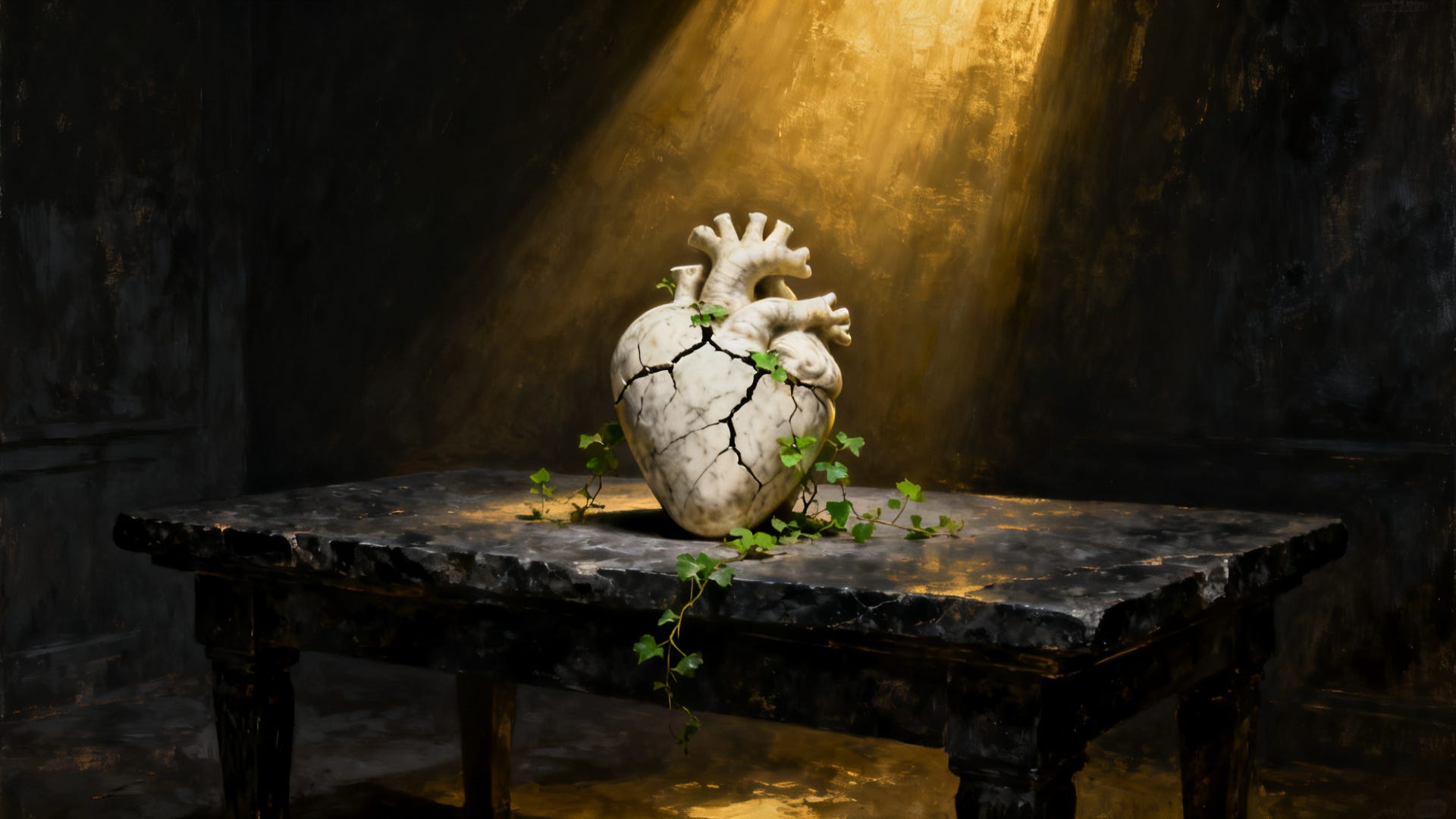
When something hurts deeply, the mind looks for meaning. It wants to understand why it happened, what it says about you, what it says about other people, and how to make sure it never happens again. This is natural. The mind is trying to protect you by building a map around the wound.
The problem begins when the map becomes too small. You were rejected once, so now you assume closeness is dangerous. You failed once, so now every new attempt feels like proof waiting to happen. You were disappointed by someone, so now trust feels foolish. The pain begins explaining more than it has the right to explain.
A painful experience can teach you something real, but it should not be allowed to define the whole shape of reality. One person’s dishonesty does not prove that all trust is weakness. One failure does not prove that effort is pointless. One hard season does not prove that life will always be hard.
Pain can give you information, but it should not become your philosophy.
Some people think healing means forgetting. It does not. You may remember what happened. You may still feel the weight of certain moments. You may carry lessons that changed your judgment, your boundaries, and your expectations.
That is not the problem.
The problem is when memory becomes a place you keep returning to for identity. You begin every new situation with old evidence. You meet the present through the face of the past. You prepare for pain before anything has actually happened, and then call that wisdom.
Stoicism asks for a cleaner form of strength. Remember what life taught you, but do not let the wound keep choosing for you. Use memory as a teacher, not as a prison. Let it sharpen your judgment without hardening your whole character.
The past may explain why you became cautious, but it does not have to decide how narrow your life becomes.
This is difficult to admit, but sometimes pain gives people an identity that feels meaningful. It gives them a story. It explains their reactions. It gives them a reason for why they avoid, distrust, withdraw, or stay angry. It can even make them feel separate from others, as if their hurt has given them a deeper understanding of life.
Some of that may be true. Pain can deepen a person. It can make them more observant, more compassionate, more careful with the hearts of others. But pain can also become a place where the ego hides. It can say, because I was hurt, I do not have to grow here. Because I suffered, I do not have to question this reaction. Because I was wronged, I am allowed to keep carrying bitterness.
That is where pain begins to corrupt character.
The Stoic does not deny the wound. The Stoic simply refuses to let the wound become an excuse to stop becoming better.
There comes a moment when a person has to ask a hard question: am I still responding to what happened, or am I now protecting an identity built around it?
This question is not meant to shame you. It is meant to return power to you. If pain has made you more guarded, ask whether every wall is still necessary. If pain has made you angry, ask whether anger is still protecting you or only keeping you tied to the past. If pain has made you doubt yourself, ask whether the old event still deserves authority over your next decision.
Taking back authorship does not mean pretending everything is fine. It means deciding that what happened will not be the only voice in the room. Your values also get a voice. Your future gets a voice. Your discipline, patience, courage, and dignity get a voice.
Pain may have written a sentence in your life.
It does not get to write the whole book.
The right use of pain is transformation. Not performance. Not resentment. Not a permanent identity. Transformation means the wound becomes a source of clearer judgment rather than smaller living.
You become more careful, but not closed. More honest, but not harsh. More patient, but not passive. More aware, but not suspicious of everything. You learn to protect your peace without making every person pay for what someone else did.
That is the Stoic difference.
Pain becomes wisdom when it teaches you how to live better. Pain becomes bitterness when it teaches you only how to defend, blame, and withdraw.
One expands your character.
The other shrinks your life around the wound.
Do not let pain become your personality.
Let it teach you. Let it humble you. Let it show you what matters, what needs boundaries, what deserves less access, and what kind of person you do not want to become. But do not let it turn into the main explanation for your life.
You are allowed to have been hurt without becoming hard. You are allowed to remember without remaining trapped. You are allowed to protect yourself without building your entire identity around protection.
What happened may always be part of your story, but it does not have to become your character.
The Stoic task is not to escape pain completely. It is to make sure pain does not become the master of your judgment, your kindness, your courage, or your future.
Until next time,
— Stoic Journal
This is quiet work. No one sees it. No one rewards it. But it changes everything. If this made you think differently, share it with someone who needs that pause.
And if you want more writing like this, consider becoming a paid subscriber. That is what keeps this going.
No posts
Comments
Nothing yet. Say the first thing.
Sign in to join the conversation.