
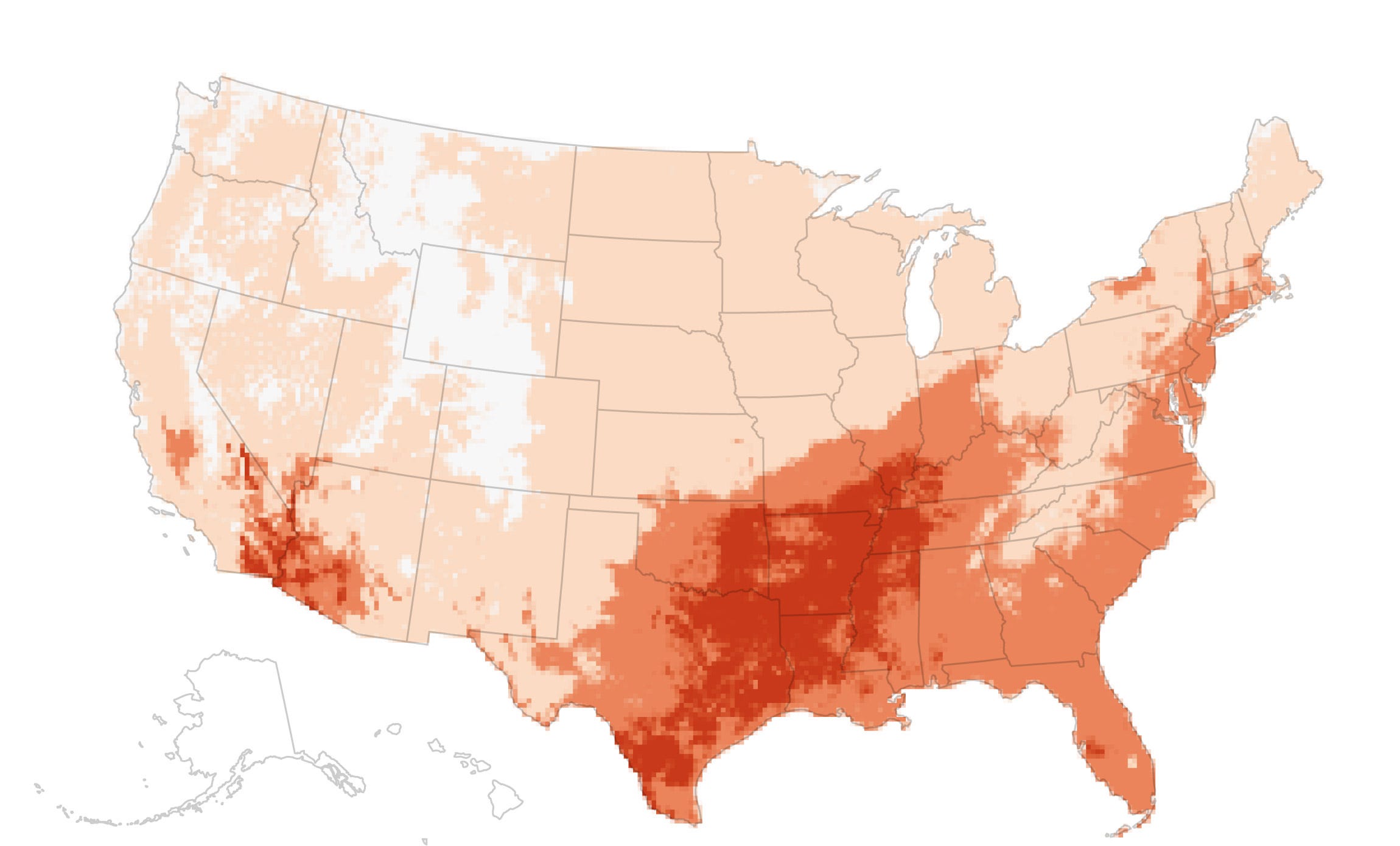
Every summer, someone says the same thing:
“It’s just hot. People survived summers before air conditioning.”
While it’s true that hot weather isn’t new, prolonged heat waves remain one of the deadliest weather-related hazards in the United States. The danger isn’t simply the temperature itself, it’s how heat affects the human body, especially when humidity is high, nights stay warm, and people don’t have a chance to cool down.
Let’s separate fact from fiction.
Reality: Heat illness can happen to anyone.
Young athletes, outdoor workers, runners, hikers, and even healthy adults can develop heat exhaustion or heat stroke. During strenuous activity, your muscles generate enormous amounts of heat. If your body can’t get rid of that heat quickly enough, your core temperature rises.
I was doing gardening yesterday early in the morning, but it ended up making me feel very fatigued for the rest of the day more than usual due to the heat.
Risk increases with:
High humidity
Direct sunlight
Dehydration
Heavy clothing or sports equipment
Certain medications
Lack of acclimatization to hot weather
Even elite athletes have experienced life-threatening heat illness.
Reality: Sweating is your body’s cooling system, but it isn’t foolproof.
Sweat cools you only when it evaporates.
When humidity is high, sweat doesn’t evaporate as efficiently, making it much harder for your body to cool itself. That’s why an 88°F day with high humidity may feel far more dangerous than a dry 100°F day.
As heat illness progresses, some people with heat stroke may actually stop sweating altogether.
Don’t judge your safety by whether you’re sweating.
Reality: Thirst is a late signal.
By the time you feel thirsty, you may already be mildly dehydrated.
Instead:
Drink water regularly throughout the day.
Increase fluids before, during, and after outdoor activity.
If you’re exercising or working outside for long periods and sweating heavily, replacing electrolytes may also be helpful.
You don’t need to force gallons of water but waiting until you’re thirsty isn’t ideal during extreme heat.
Reality: Fans help, but they have limits.
Fans improve comfort by increasing evaporation from your skin.
However, when indoor temperatures become extremely high, especially above the mid-90s°F, fans may no longer provide enough cooling by themselves.
If you don’t have air conditioning:
Put wet towels over your neck
Visit a cooling center.
Spend time in libraries, malls, grocery stores, or community buildings.
Even a few hours in air conditioning can lower your risk of heat illness.
Reality: Warm nights are especially dangerous.
Normally, our bodies cool during sleep.
During prolonged heat waves, overnight temperatures may remain elevated, preventing the body from recovering after a hot day.
Several consecutive hot days with warm nights place much greater stress on the body than a single hot afternoon.
Reality: Never leave anyone in a parked car.
Even with cracked windows, the temperature inside a vehicle can climb rapidly.
Children and pets overheat much faster than adults.
There is no “safe” amount of time.
Reality: Heat stroke is a medical emergency.
Heat stroke occurs when the body’s temperature regulation fails.
Symptoms include:
Confusion
Difficulty speaking
Loss of consciousness
Seizures
Very high body temperature
Hot skin (which may or may not be sweaty)
Call 911 immediately.
While waiting for emergency medical care:
Move the person into shade.
Remove excess clothing.
Apply cool water.
Place ice packs on the neck, armpits, and groin if available.
Do not delay treatment.
Early cooling saves lives.
Drink fluids consistently throughout the day.
Exercise or work outdoors early in the morning or later in the evening whenever possible.
Choose lightweight, loose-fitting, light-colored clothing and wear a wide-brimmed hat if outdoors.
Older adults, infants, pregnant individuals, people with heart or lung disease, people taking certain medications, and those without access to air conditioning face higher risks. Check on family, friends, and neighbors.
Stop activity immediately if you develop dizziness, nausea, headache, unusual fatigue, muscle cramps, or confusion. Cooling off early is far easier than treating severe heat illness later.
Heat waves deserve respect, not fear.
Most heat-related illnesses are preventable. Staying hydrated, planning outdoor activities wisely, recognizing early warning signs, and making sure everyone has access to a cool environment can dramatically reduce the risk.
Extreme heat isn’t just uncomfortable. It places real stress on the heart, lungs, kidneys, and brain. Fortunately, a few simple precautions can keep most people safe.
As summers continue to bring more frequent periods of extreme heat, understanding the science behind heat illness is one of the easiest ways to protect yourself, your family, and your community.
Stay cool, stay hydrated, and check on one another. It can save a life.
Although not required, any support is greatly appreciated, including purchasing my book, All About Allergies.
No posts
Comments
Nothing yet. Say the first thing.
Sign in to join the conversation.