
Welcome to The Incredible Machine Newsletter! I’m Dr. Paul Manhas, MD, Dad (x3 now!), husband, and co-owner of Manhas Health Co.
If you know me, you know I’m always looking for simple daily habits that build resilience, fight chronic disease, and help us stay sharper, longer. One of my staples? A morning matcha.
Matcha isn’t just trendy — it’s one of the most antioxidant-dense drinks on the planet. A single cup delivers a powerful mix of catechins, chlorophyll, and L-theanine that helps lower inflammation, stabilize energy, and support brain health.
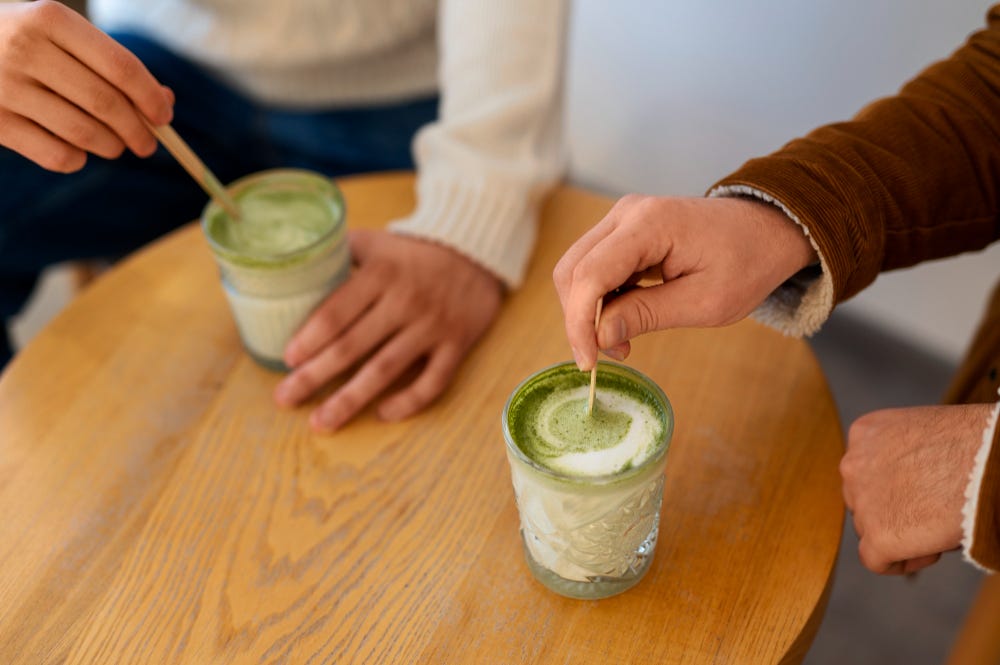
Matcha is made by finely grinding specially cultivated green tea leaves. Unlike steeped teas, you consume the entire leaf — which means higher levels of catechins (especially EGCG), L-theanine, and chlorophyll.
While matcha is now synonymous with Japan, it originated in 8th-century China. It was later brought to Japan in the 12th century by Zen monk Eisai, where it became part of the meditative tea ceremony and longevity culture.
Tea plants are shaded for ~3 weeks pre-harvest, increasing chlorophyll and L-theanine.
Leaves (tencha) are steamed, dried, de-stemmed, then stone-ground to produce the vibrant green powder we know as matcha.
Ceremonial Grade: Brightest color, sweetest taste — best enjoyed traditionally with hot water.
Premium Grade: Great for daily lattes or tea, smooth and well-balanced.
Culinary Grade: Slightly bitter, best for baking or smoothies.
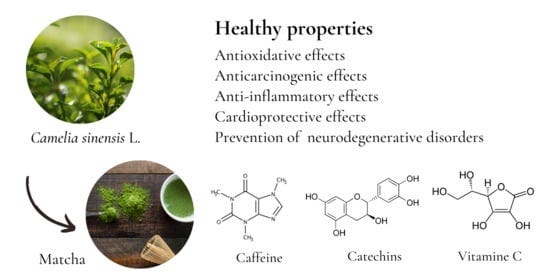
Matcha contains up to 137x more antioxidants than standard green tea (University of Colorado). EGCG, its primary catechin, plays a vital role in reducing oxidative stress, fighting cellular aging, and supporting immune defense by:
Neutralizing reactive oxygen species (ROS)
Activating the Nrf2 pathway to boost your body’s own antioxidant enzymes
Reducing inflammatory signaling via the NF-κB pathway
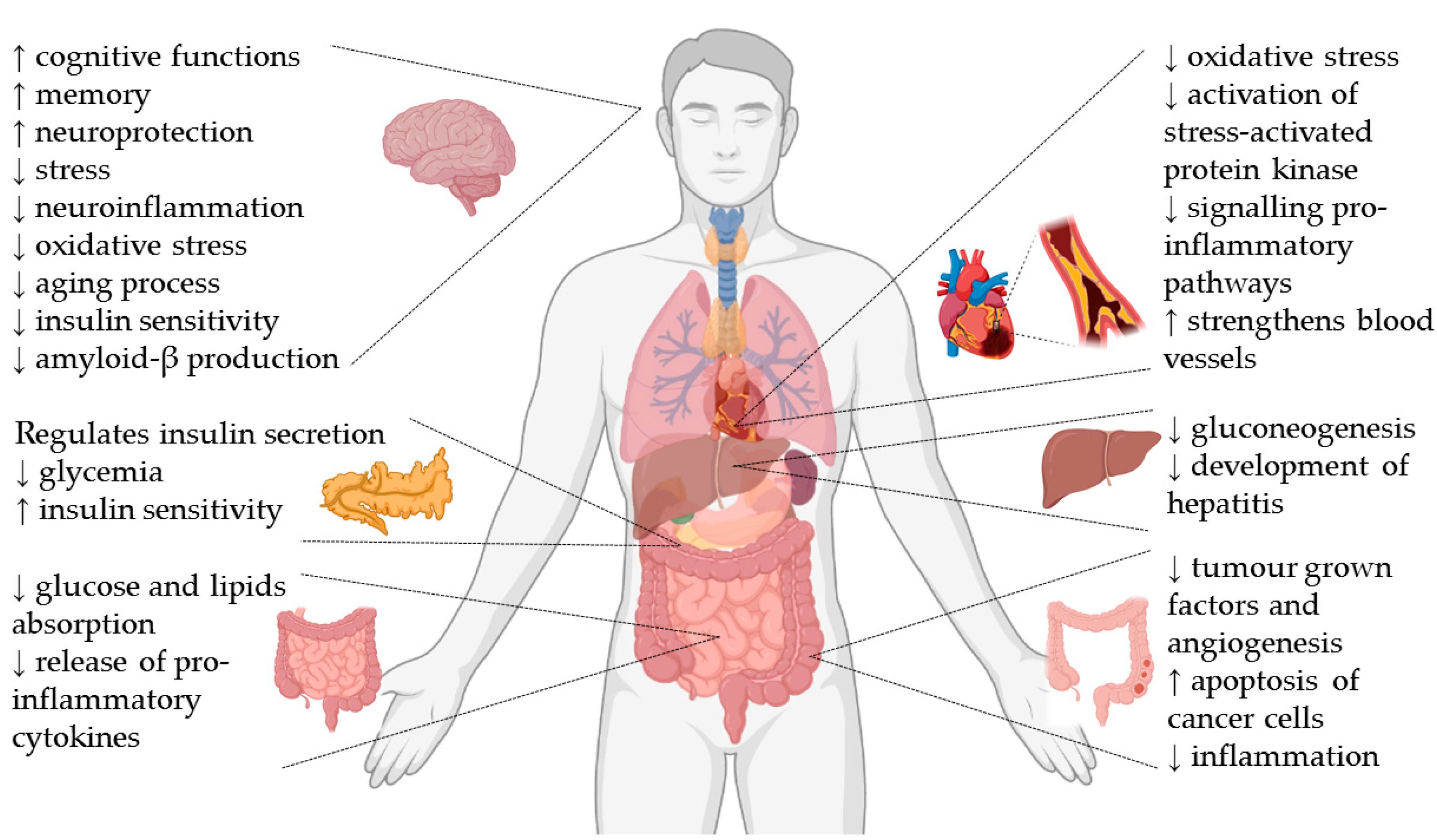
L-theanine crosses the blood-brain barrier and works with caffeine to create a calm but focused state. A 2017 Nutrients study found matcha improved attention and reduced mental fatigue — perfect for high-focus days.
Catechins in matcha have been shown to boost metabolic rate by 4–6% and improve fat oxidation. Even small shifts in metabolism can be meaningful over time.
One cup contains ~70mg of caffeine, but releases gradually due to L-theanine
Green tea drinkers have a 15% lower risk of cardiovascular death (JAMA)
Daily matcha improved insulin sensitivity in overweight adults (Nutrition Research)
L-theanine helps regulate cortisol — a major win for anxiety and burnout
Most mornings or early afternoons
If I’m fasting: traditional style
If not: matcha latte as a midday refresh
Matcha Tea (Traditional Style):
Sift 1–2 tsp ceremonial-grade matcha
Add 2 oz hot water (160–175°F)
Whisk briskly with a chasen until frothy
Matcha Latte:
Sift 1–2 tsp matcha + 2 oz hot water
Whisk until smooth
Add 6–8 oz steamed milk (dairy, oat, almond, or soy — depending on your needs)
Optional: sweeten with honey or maple syrup
Pro tip: Matcha is gentle on the gut. I’m caffeine-sensitive and never experience the same crashes or withdrawal headaches I get from coffee. It’s a more stable energy — no rollercoaster.
New to matcha? Start with ½ tsp and build up
Sensitive to caffeine? Choose soy or almond milk to balance blood sugar
Froth well — a good whisk improves taste and bioavailability
I drink matcha for the same reason I train Zone 2, track my VO₂ Max, and commit to early mornings — because daily rituals are what build long-term health.
In a world of quick fixes and short-term metrics, matcha reminds us that longevity is a lifestyle. It’s a quiet anchor in a busy day — one that supports brain function, metabolic health, mood regulation, and inflammation control.
Not bad for a simple green cup.
To your health and vitality,
Dr. Paul Manhas, MD, CCFP
Co-founder & Director of Performance Services, Manhas Health Co.
Clinical Instructor, UBC Faculty of Medicine
Follow me on Instagram for More: @Dr.Paul Manhas
Comments
Nothing yet. Say the first thing.
Sign in to join the conversation.