

Last month, I reached the hospital around 9 AM and found one of my junior doctors already at work with coffee in one hand and dark circles under both eyes.
I asked, “Had breakfast?”
Without even looking up, he said, “Doctor… this is my breakfast.” pointing at the coffee.
Then around 11:30 AM, I watched the same fellow eat:
Two Vadas
A sandwich
Three biscuits
Someone else’s banana
And somehow… half of my lunch.
Many people skip breakfast for a reason. Some are trying to lose weight. Some are too busy. Some are following intermittent fasting. And some simply don’t feel hungry in the morning.
So let’s remove the myths and ask a better question: What actually happens inside your body when you skip breakfast?
When you wake up, your body has already been fasting for 8–12 hours. During the night, your liver quietly releases stored glucose to keep your brain and organs functioning perfectly.
If you don’t eat breakfast, those stores continue to be used. This isn’t dangerous for most healthy people. It’s just a normal metabolic response.
But your body does begin changing gears. Think of it like a car switching from one fuel strategy to another. As the fasting period continues, hormones involved in energy regulation start adjusting. And that’s where things get interesting.
One of the main players is a hormone called ghrelin. Ghrelin rises when your body expects food. Imagine your stomach sending polite little reminders:
“Food?”
“No?”
“Still no?”
“Okay… I’ll ask again in 20 minutes.”
For some people, these signals stay mild. For others, they build up until they suddenly become very intense. That’s why many people who skip breakfast say:
“I wasn’t hungry at 8 AM.”
“But by 11 AM, I wanted everything in the bakery.”
Your body isn’t being dramatic. It’s just trying to maintain energy balance.
Overnight fast
Wake up
Stored glucose
Energy shift
Hunger signals
Bigger cravings
Here’s the important part: not everyone needs breakfast immediately after waking up. Some people tolerate longer fasting periods very well, especially if:
They slept adequately
Their previous meal was balanced
They are intentionally following a structured intermittent fasting plan
They don’t have medical conditions that require regular meal timing
This is why breakfast debates become confusing. One person feels energetic until noon. Another person feels shaky, irritable, and hungry by 10 AM. Both experiences can be completely real.
This is where breakfast becomes more important for certain people. If you have diabetes, prediabetes, or significant insulin resistance, skipping breakfast may lead to larger fluctuations in blood sugar later in the day.
Some people end up eating a very large lunch because they are extremely hungry, which can produce a sharper glucose rise than if they had eaten a balanced breakfast earlier. Again, this doesn’t mean everyone with diabetes must eat breakfast at 7 AM. But it does mean meal timing should be individualized rather than copied from social media trends.
As a gastroenterologist, this is the part I find fascinating. Your digestive system loves rhythm. Hormones involved in digestion, stomach emptying, and appetite tend to follow daily patterns. When meal timing becomes highly irregular, some people notice:
Bloating
Acidity
Overeating later
Digestive discomfort
This doesn’t mean skipping breakfast damages your gut. It means your gut often responds best when it can predict exactly what’s coming.
This is the question I get asked all the time in my clinic.
And my answer usually surprises people.
Skipping breakfast is not automatically unhealthy. Eating breakfast is not automatically healthy either.
What matters is what happens after you skip it.
If skipping breakfast leaves you energetic, focused, and comfortable until your next planned meal, your body may be tolerating that eating pattern just fine.
But if every morning ends with you raiding the office pantry, ordering extra food at lunch, feeling acidic, or thinking about food for the next three hours, then your body is already telling you that this approach isn’t working.
That’s why I tell my patients to pay attention to your body’s response.
Your digestive system likes consistency far more than extremes.
You don’t have to force yourself to eat within five minutes of waking up. But you also shouldn’t spend your entire morning surviving on coffee and then expect your stomach to be happy at lunchtime.
If you’re going to eat breakfast, make it a meal that actually keeps you full. Include a good source of protein, some fibre, and healthy fats instead of relying only on refined carbohydrates or sugary cereals. A breakfast that satisfies you for four or five hours is doing its job.
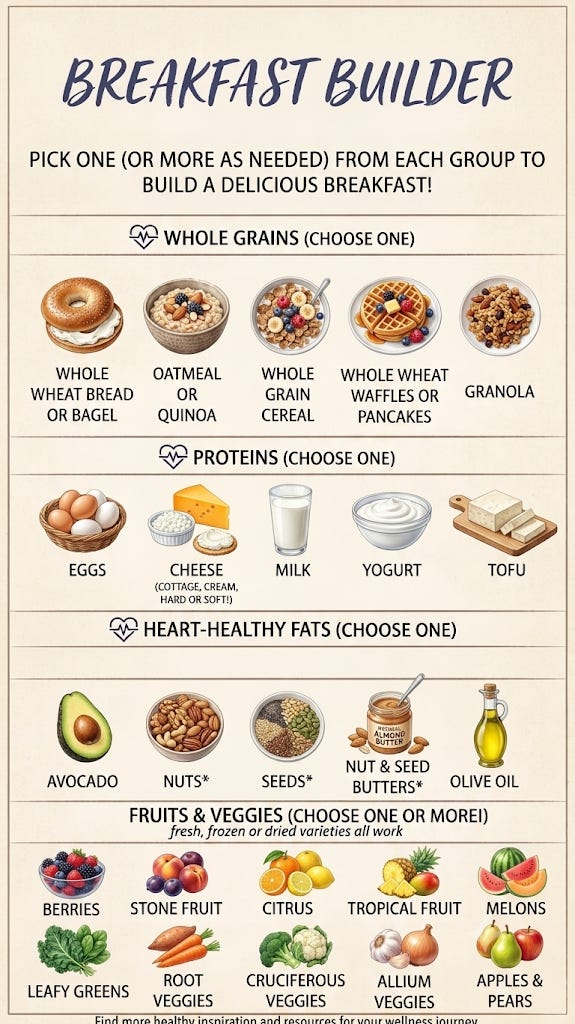
If you prefer to skip breakfast because you’re intentionally following intermittent fasting, that’s perfectly reasonable too. Just make sure your first meal is balanced, nourishing, and not a reward for being hungry all morning.
A few days later, I was in the hospital cafeteria again.
He was eating two idlis.
I looked at him.
He looked at me.
Before I could say anything, he smiled and said,
“Doctor... don’t start.”
“I know.” 😂
Stay Happy. Stay Gutsy.
Dr. Pal
No posts
Comments
Nothing yet. Say the first thing.
Sign in to join the conversation.