
Genitourinary syndrome of menopause ( GSM) has a name that includes “genitourinary” for a reason. It is not just vaginal dryness. It is a syndrome that spans vulvar, vaginal, urethral, and bladder tissue, all of which depend on estrogen for their integrity.
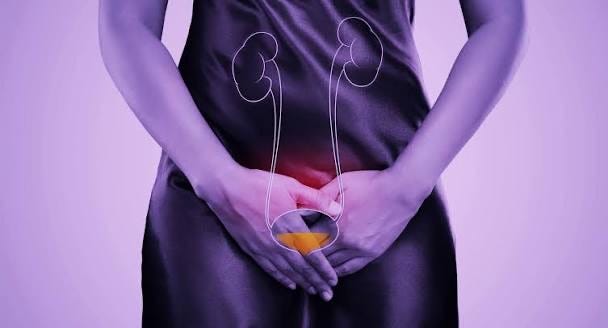
There is a crisis hiding in plain sight: UTIs are a major issue in female cancer patients, and the grossly undertreated genitourinary syndrome of menopause is a major risk factor.I argue here that major oncology and menopause guidelines have a glaring guideline gap that harms women and puts them at risk for infections, ED visits, delays in treatment, hospitalizations, increased risk of sepsis and mortality, and overall needless suffering.
Oncology has siloed GSM into a “quality of life” category rather than recognizing it as a medical condition with infectious, urologic, and systemic consequences. The current approach to GSM in cancer survivorship guidelines treats vaginal dryness as a sexual health and quality of li…
Comments
Nothing yet. Say the first thing.
Sign in to join the conversation.