
“Self-Brain Surgery® is like ten years of therapy in five minutes.”
🧠 Paid Subscribers: Scroll to the bottom for this week’s video self-brain surgery training. I give you an operation to take this week’s letter into daily practice!
Hey friend,
Last week we talked about offering our bodies as living worship. This week we’re zooming in on one of the most important parts of that offering: your brain.
Your brain is not just “where thinking happens.” It is the physical interface through which your immaterial mind interacts with the world. When your brain is healthy and well-regulated, your mind has a clearer, more reliable instrument to work with. When your brain is inflamed, underslept, poorly fueled, or chronically stressed, it’s like trying to play a complex piece of music on an out-of-tune piano. The music (your thoughts, decisions, emotions, and ability to engage with truth) is still there, but the instrument is compromised.
This is why brain health is not just a medical issue or a self-improvement project. It is part of stewarding the body God gave you so your mind can do what it was created to do: know him, love him, and interact with the world in wise and worshipful ways.
Your mind is immaterial. It is the real you; the willful, conscious part that thinks, believes, chooses, and relates to God. Your brain is physical. God designed it as the remarkable biological system through which your mind perceives the world, processes information, regulates your body, forms memories, and generates the feelings and impulses that arise in daily life.
A well-cared-for brain gives your mind:
Better access to clear thinking and truth
More stable emotional regulation
Stronger capacity for focus and attention
Faster recovery from stress or setbacks
Greater ability to form new habits and rewire old patterns through neuroplasticity
When your brain is running well, your renewed mind can more effectively direct it. That’s mind-over-brain in action. When your brain is running poorly, even a mind that wants to believe truth and live wisely has a harder time doing so. Caring for your brain is one practical way we say yes to Romans 12:1, offering the physical instrument God gave us back to him for his purposes.
You don’t need to do everything at once. Here are four high-impact areas to focus on:
Sleep This is the single biggest lever for brain health. During deep sleep your brain clears metabolic waste, consolidates memories, and resets emotional circuits. Aim for consistent timing and 7–9 hours. Even one or two nights of better sleep can noticeably improve mental clarity and emotional steadiness.
Movement Physical activity increases blood flow to the brain, supports the growth of new brain cells in key areas, and reduces inflammation. You don’t need intense workouts. A daily walk, some strength training, or even standing and moving more throughout the day makes a measurable difference.
Fuel Your brain is an energy hog. It runs best on steady glucose and anti-inflammatory foods. Prioritize protein, healthy fats, colorful vegetables, and adequate hydration. Reducing ultra-processed foods and excess sugar helps lower the chronic low-grade inflammation that can fog thinking and worsen mood.
Nervous system regulation Chronic stress keeps the brain in a heightened threat state. Simple daily practices like slow breathing, short prayer pauses, time in nature, or brief moments of gratitude help shift the brain out of survival mode and back into a state where higher thinking and connection are easier.
What resistance shows up when you consider giving more attention to your brain?
“It’s too late. my brain is already declining.”
“Brain health feels selfish or unspiritual.”
“I don’t have time or energy to add one more thing.”
“My genetics are against me anyway.”
Bring those thoughts into the light. Caring for your brain is not self-worship. It is offering the physical part of you that God designed as the interface between your mind and the world. It is a practical act of stewardship that can help your mind more freely renew itself and engage with him and others.
Protect your sleep window: Set a consistent bedtime and wake time, even if it’s only a 30-minute improvement from where you are now.
Add one daily movement anchor: A 15–20 minute walk or some simple strength work.
Do one nervous system reset daily: Two minutes of slow breathing or a short gratitude pause while you eat one meal.
Notice: At the end of the day, simply obsereve and recap. Did anything feel clearer, calmer, or easier when my brain had a little more support?
That’s it. Small, repeatable moves that honor the body and serve the mind.
Next week we’ll talk about cardiovascular health and the direct connection between your heart and your brain. But this week, start with these brain-supporting practices and see what shifts.
Even for you. Even now.
If something in this letter resonates or if you want to share how you’re approaching brain health, hit reply. I’m praying for you and walking through this with you.
Share this with a friend, and let’s grow the community of self-brain surgeons around the world!
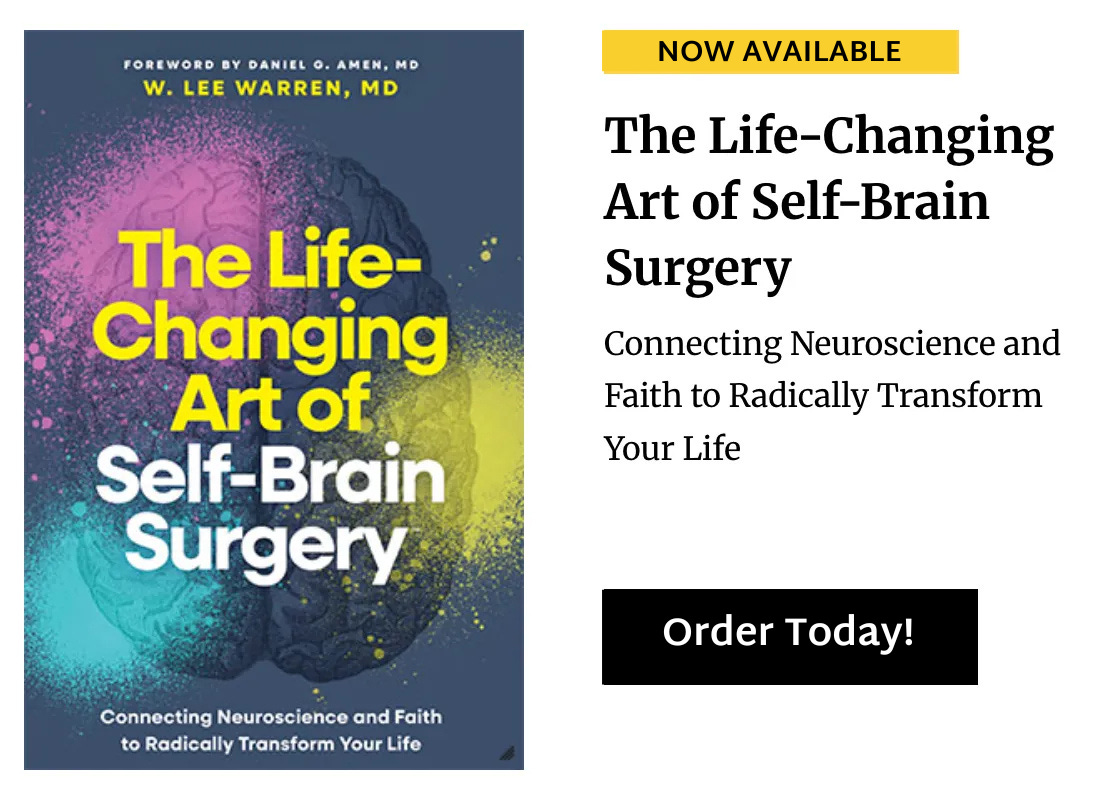
You can get the training you need to master self-brain surgery in my new book. You can go even deeper in The School of Self-Brain Surgery.
The good news is, you can start today.
Be sure to check out the archive of previous posts if you missed last week’s letter.
Dum spiro spero (While I breathe, I hope),
Lee
II Timothy 1:7, “For you were not given a spirit of fear, but of power, of love, and of a sound mind.”
From the banks of the North Platte river on Moon River Ranch in Nebraska, USA
Disclaimer: This letter is for informational purposes only. It contains general information, drawn from my experience, research, and best practices. It is not health care advice, and is not intended to replace the counsel of your health care provider. Consult your provider before starting any new treatments or making changes to your health routine. This message does not constitute a doctor-patient relationship between us.
Comments
Nothing yet. Say the first thing.
Sign in to join the conversation.