
“Self-Brain Surgery® is like ten years of therapy in five minutes.”
🧠 Paid Subscribers: Scroll to the bottom for this week’s video self-brain surgery training. I give you an operation to take this week’s letter into daily practice!
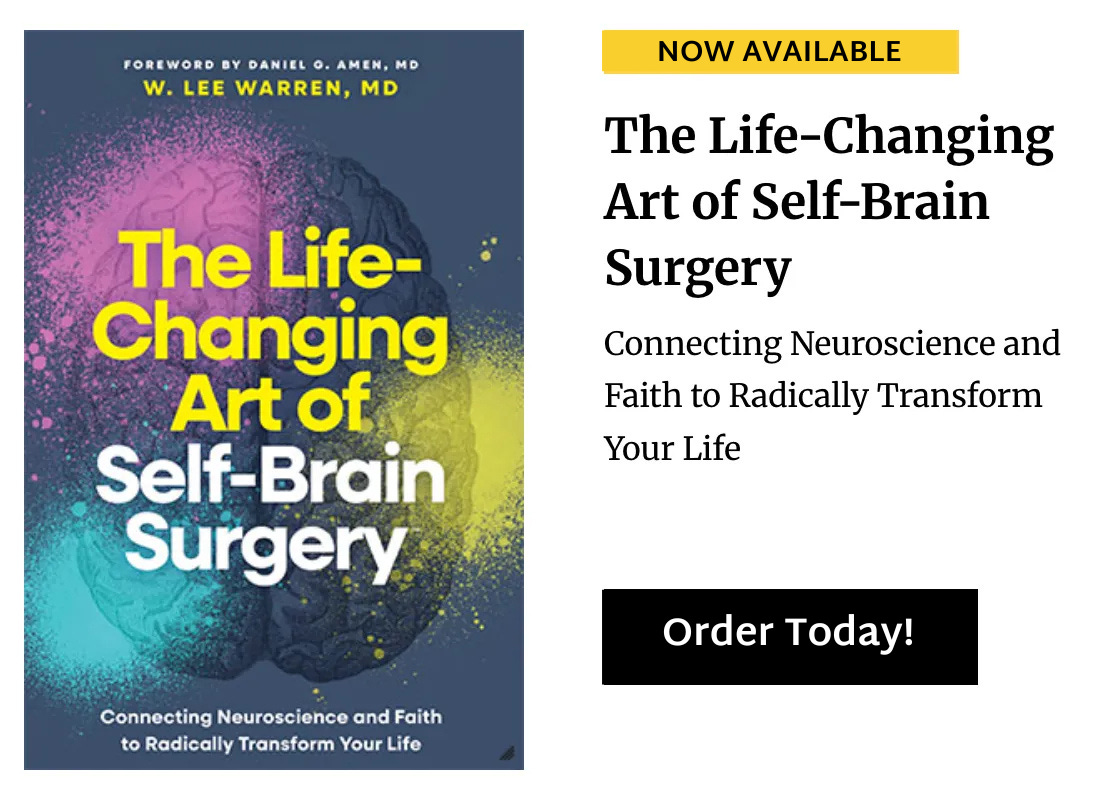
📣 Before we get started today, Lisa and I have an announcement. My book, The Life-Changing Art of Self-Brain Surgery, is on the New York Times bestseller list TODAY for the first time! It’s #8 in the Advice, How-To, and Miscellaneous category, and also is at #10 on the Publisher’s Weekly hardcover nonfiction list. We just want to say thank you for all your prayers, support, and for spreading the message about self-brain surgery.
Now let’s get after this week’s letter!
Hey friend,
Last week we talked about the deep connection between your heart and your mind. This week we’re turning to your muscles and bones, and the surprising ways building physical strength supports the health of your brain and the freedom of your mind.
Your body was made to move and bear load. When you regularly challenge your muscles through resistance training, you trigger powerful changes in your brain. Strength training increases BDNF (brain-derived neurotrophic factor), which acts like fertilizer for brain cells, supporting memory, learning, and the brain’s ability to rewire itself. Research shows that people, especially women, who maintain muscle strength through resistance training have significantly lower rates of cognitive decline and dementia, and tend to live longer, healthier lives overall.
But the benefits go beyond the physical numbers. Movement researcher Kelly McGonigal has shown that when we move our bodies with intention, we don’t just burn calories, we change our brain chemistry. Strength training and purposeful movement can increase feelings of capability, reduce anxiety, and create a positive feedback loop where the more we move, the more our brains want to move. In other words, strength training doesn’t just make your body stronger, it helps your mind become more willing and able to lead.
This is mind-over-brain in action. When your mind decides to strengthen your body, it creates better physical conditions for itself to think clearly, regulate emotions, and engage with God and the world. Caring for your musculoskeletal system is therefore a very practical way of offering your body as a living sacrifice. It is one way we steward the physical instrument God gave us so our renewed mind can operate more freely.
A strong, capable body sends constant signals of safety and competence to the brain. When your muscles are strong and your posture is stable, your nervous system tends to stay calmer. This makes it easier for your mind to focus on truth, resist old patterns, and choose surrendered action instead of reacting out of fear or fatigue.
On the other hand, when we neglect strength and mobility, we often experience more physical discomfort, poorer posture, and lower energy, all of which make it harder for the mind to do its best work. Building strength is not about vanity or performance. It is about giving your mind a more reliable partner in the body.
You don’t need to become a powerlifter. You just need consistent, intentional resistance.
Resistance training: Add two or three sessions this week focused on major movement patterns (squatting, hinging, pushing, pulling, and carrying). Use bodyweight, bands, dumbbells, or machines. The key is progressive challenge over time.
Daily movement and posture: Avoid long periods of sitting. Take short movement breaks, walk with good posture, and do simple mobility work for your spine and hips.
Fuel for strength: Prioritize adequate protein and overall nutrition that supports muscle repair and recovery.
Recovery: Strength gains happen during rest. Protect your sleep and give your body time to recover between sessions.
What resistance shows up when you consider building more strength in your body?
“I’m too old to start lifting.”
“I don’t want to get bulky.”
“Walking is enough for me.”
“This feels selfish or unspiritual.”
These thoughts are common, but they often come from old stories about what our bodies are for. Strength training is not about ego. It is about offering your body- the physical home of your mind- back to God in a way that helps your mind think more clearly, feel more stable, and live more freely. A stronger body can become a better servant of a renewed mind.
Resistance training: Complete two or three focused sessions this week. Keep them simple and progressively challenging.
Daily posture reset: Several times a day, stand tall, open your chest, and align your head over your shoulders for 30 seconds.
Protein with most meals: Support your muscles with adequate protein throughout the day.
One intentional walk: Walk most days with awareness of upright posture and steady breathing.
Next week we’ll talk about gut health and how the enteric nervous system acts as another major connection between your body and your mind. But this week, focus on building a little more strength and notice how it affects your energy, clarity, and sense of capability.
Even for you. Even now.
If something here resonates or if you want to share how you’re approaching strength and movement, hit reply.
You can get the training you need to master self-brain surgery in my new book. You can go even deeper in The School of Self-Brain Surgery.
The good news is, you can start today.
Be sure to check out the archive of previous posts if you missed last week’s letter.
Dum spiro spero (While I breathe, I hope),
Lee
II Timothy 1:7, “For you were not given a spirit of fear, but of power, of love, and of a sound mind.”
From the banks of the North Platte river on Moon River Ranch in Nebraska, USA
Disclaimer: This letter is for informational purposes only. It contains general information, drawn from my experience, research, and best practices. It is not health care advice, and is not intended to replace the counsel of your health care provider. Consult your provider before starting any new treatments or making changes to your health routine. This message does not constitute a doctor-patient relationship between us.
Comments
Nothing yet. Say the first thing.
Sign in to join the conversation.