
One of the most important lessons grief taught me had nothing to do with loss itself.
It taught me how to receive.
For most of my life, I was the one people came to when they were hurting. I listened. I supported. I held space. I helped carry what felt too heavy for them to carry alone.
What I wasn’t very good at was letting other people do that for me.
It wasn’t because I believed suffering quietly was somehow noble. I simply wasn’t accustomed to being the one who needed help. Like many women, I was raised to believe my role was to take care of other people. I learned early to pay attention to everyone else’s feelings, anticipate everyone else’s needs, and make sure everyone else was okay.
Somewhere along the way, I also learned to be careful about taking up too much space with my own pain. I worried about being a burden. I worried about asking for too much. So when life became difficult, my instinct was to handle it privately and keep moving.
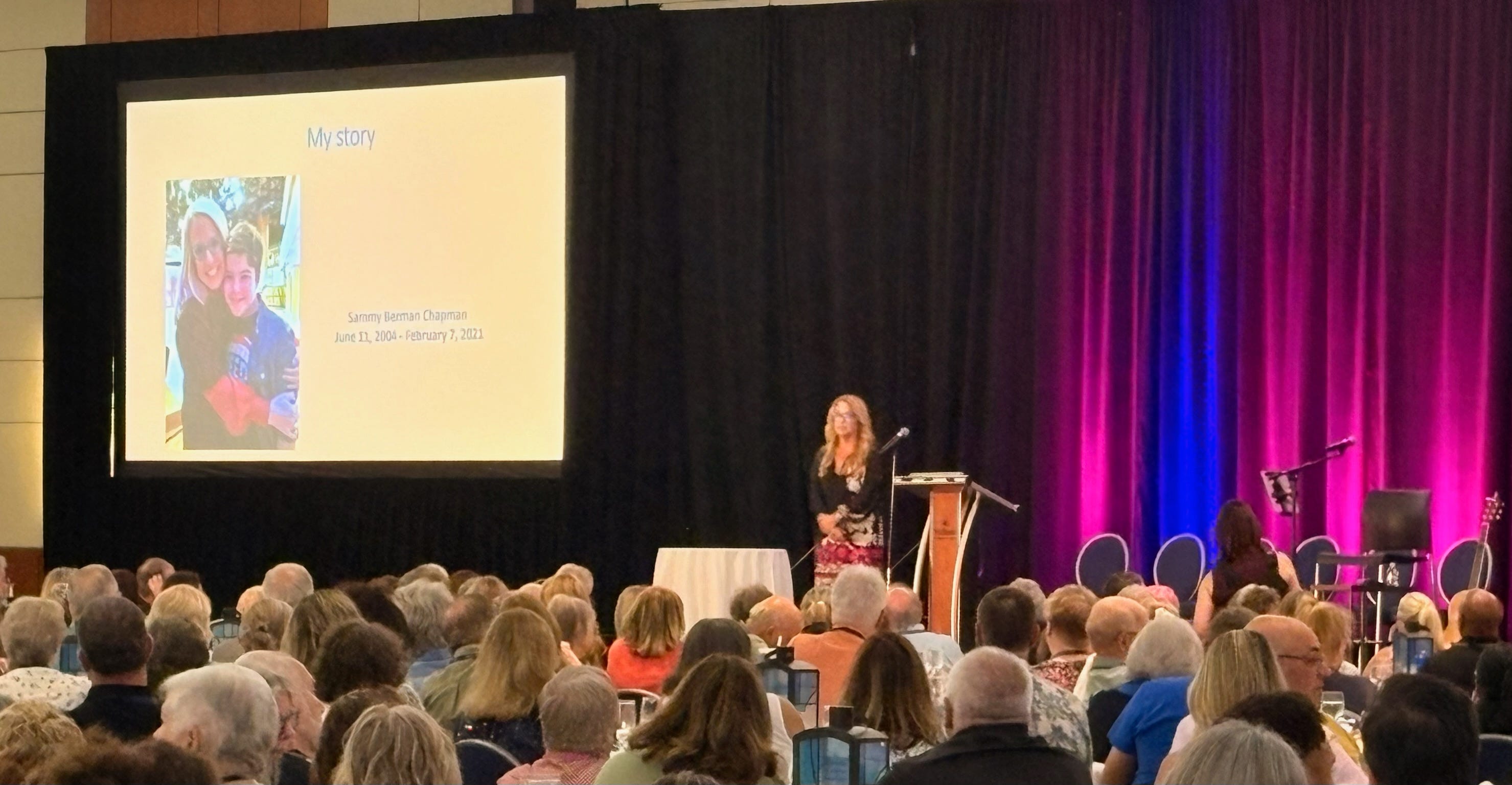
Then my son died.
And suddenly I was carrying something far too heavy to manage on my own.
At first, I tried anyway.
I focused on the people around me. I worried about my family. I tried to make sure everyone else was okay. Even in the midst of unimaginable grief, those old patterns were still there.
But grief has a way of exposing the strategies that no longer serve us.
What I learned in the months and years after Sammy died was that healing requires something many of us have never been taught how to do. We have to let ourselves be supported. We have to allow other people to show up for us. We have to be willing to receive the same care we so freely offer everyone else.
That lesson didn’t come easily.
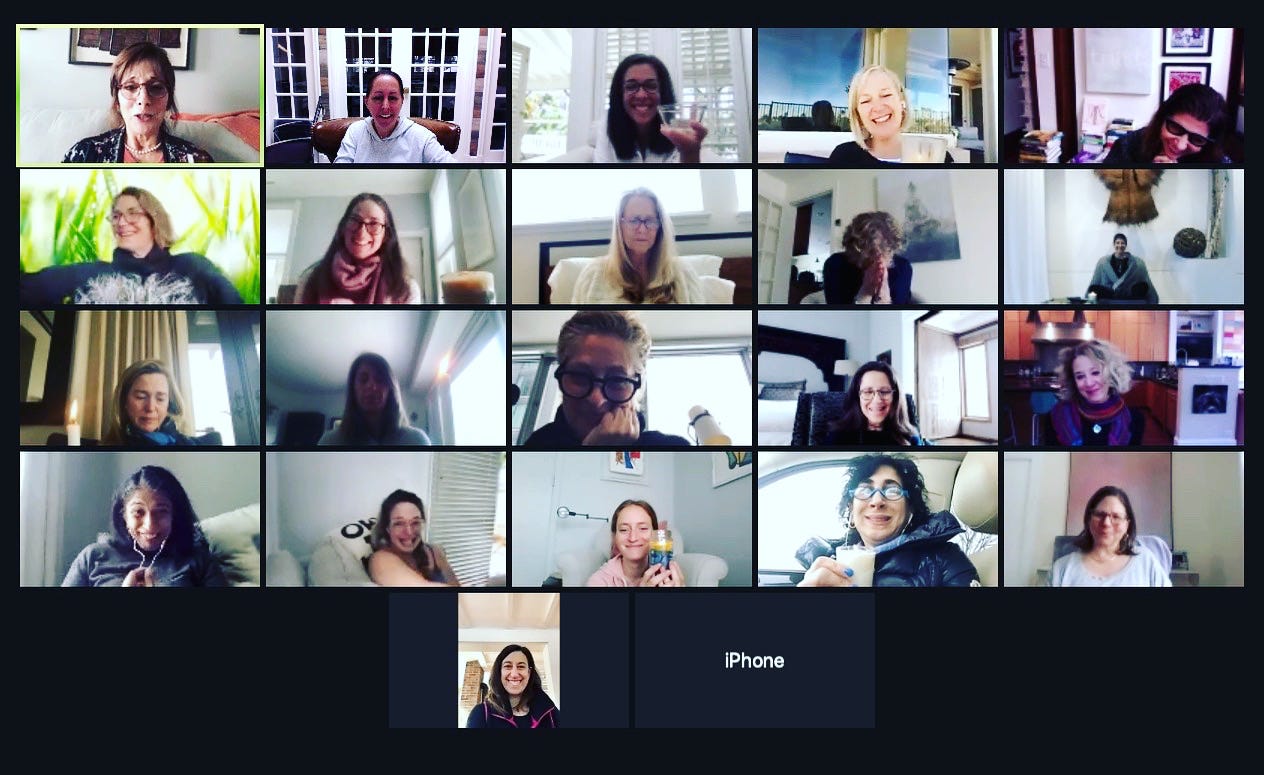
About a week after Sammy died, a handful of my closest friends invited me onto Zoom. When I signed in, about thirty friends were waiting for me. They had gathered from every chapter of my life—graduate school, college, Chicago, New York, California, and even from other parts of the world. Most of them had never met each other. They had somehow come together because they loved me and wanted to honor Sammy.
At the end of the call, they surprised me again. They told me they were going to meet every Friday at one o’clock for the next year so I would never have to carry this alone.
My immediate reaction was to push back. Hard. Every part of me cringed. The last thing I wanted was to become a burden. Like so many women, I’d spent my life taking care of other people, not asking them to take care of me. I couldn’t imagine accepting that kind of support.
Then my friend Karen gently stopped me.
“Laura,” she said, “you need to understand that we’re hurting too. We feel completely helpless, and it helps us to help you. Please let us.”
I have never forgotten those words. That group helped save my life and eventually became what we called the “Love Bubble,” because that’s what it felt like to all of us. I realized that accepting love wasn’t something I was doing only for myself. By letting people show up for me, I was also giving them somewhere to put their own love, their own helplessness, and their own grief. That conversation changed the way I think about receiving forever.
Why We Pull Away When We Need Connection Most
When we are heartbroken, withdrawing often feels safer than reaching out.
Part of that is because grief is exhausting. Part of it is that explaining our pain can feel overwhelming. And sometimes it’s because we have reached out before and felt misunderstood.
Most grieving people know what it feels like to hear well-intentioned advice that misses the mark. They know what it feels like to have someone change the subject, minimize their pain, or become uncomfortable when the conversation gets too real.
Experiences like that teach us to be careful. We begin to tell ourselves that it is easier to keep our feelings to ourselves. We convince ourselves that we should be able to handle it. We decide that asking for help takes more energy than simply carrying the weight alone.
The problem is that the walls we build to protect ourselves can also keep out the very things that help us heal.
The Power of Being Understood
Over the years, I have watched hundreds of grieving people walk into support groups, retreats, and healing circles carrying a profound sense of isolation.
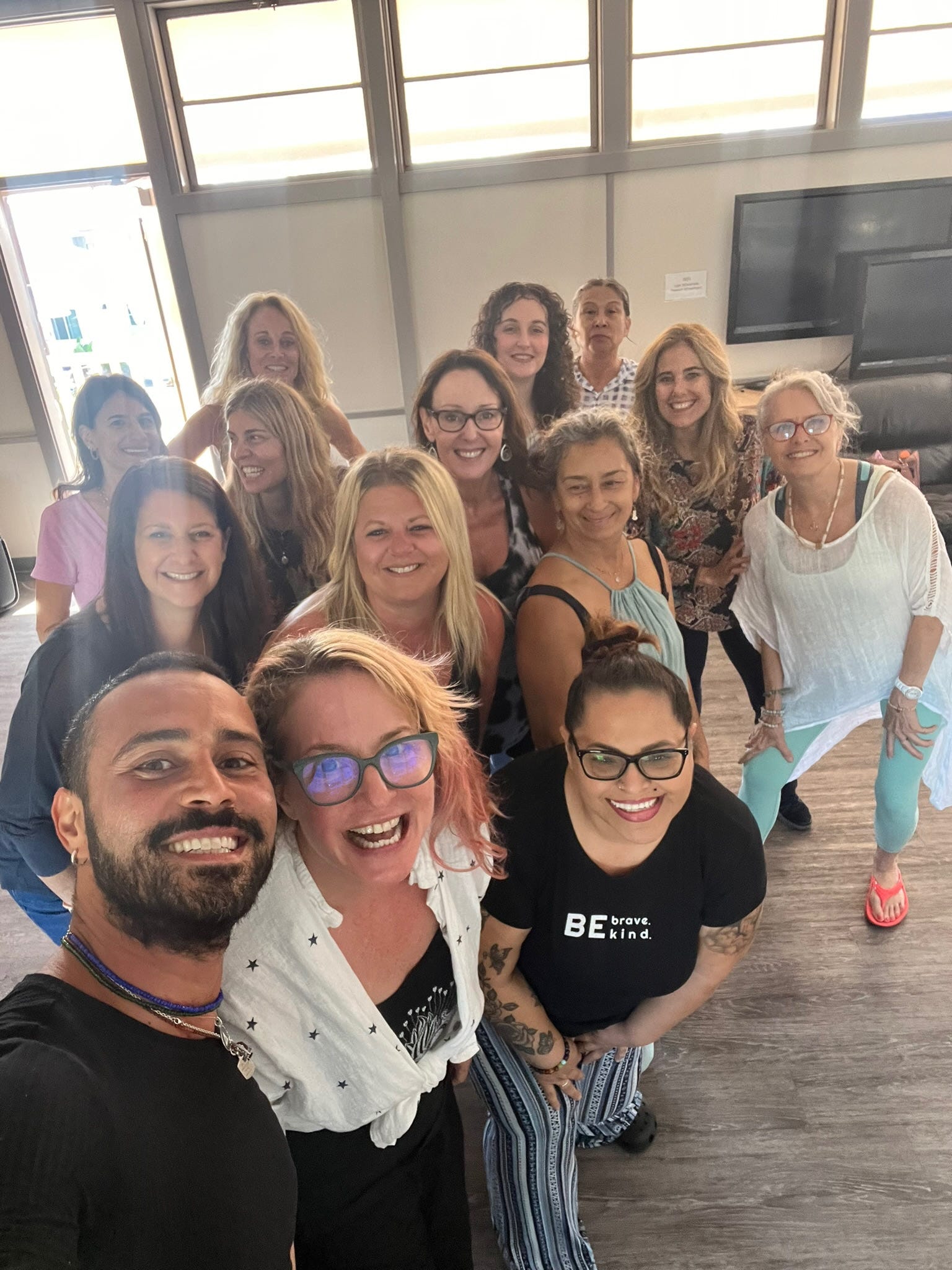
Many arrive feeling as though no one could understand what they have been through.
Then they hear someone tell a story that sounds remarkably familiar.
They see their own fears reflected in them. They hear thoughts they have never said out loud, spoken by someone else. They realize they are not the only person struggling with what they are feeling.
You can almost see the shift happen. Their shoulders relax. Their breathing deepens. Some begin to cry. Others begin to talk. The loneliness that has wrapped itself around their grief starts to loosen.
Nothing about their loss has changed. What changes is that they no longer feel alone inside it.
Being truly understood is one of the most powerful forms of healing I know.
Not because it takes the pain away, but because it reminds us that we do not have to carry the pain by ourselves.
Learning How to Receive
One of the things that surprised me most after Sammy died was realizing that allowing people to help me was not only good for me.
It was good for them, too. When someone loves us and sees us suffering, they naturally want to help. They want to bring dinner. They want to send a text. They want to sit beside us, listen, and remind us that we are not alone.
Most people do not expect us to have everything figured out. They do not need us to be strong all the time. They simply want the opportunity to love us through a difficult season.
When we refuse every offer of help, we may believe we are protecting others from our pain. Sometimes, though, we are also preventing them from expressing their care.
Of course, there is a balance. I’m not talking about expecting other people to carry our healing for us. I’m not talking about becoming so consumed by our own pain that there is no room for anyone else’s experience.
Looking back, I realized I’d spent decades becoming very good at giving. Receiving felt awkward. Vulnerable. Almost irresponsible. Grief forced me to discover that allowing myself to be cared for required just as much courage as caring for everyone else.
What Letting People In Actually Looks Like
Letting people support you does not have to mean sharing everything with everyone. In fact, it is usually much quieter than that.
It might mean telling a trusted friend that today is harder than usual.
It might mean accepting help when it’s offered instead of automatically saying, “I’m fine.”
It might mean joining a support group, attending a retreat, or having a conversation you have been avoiding.
It might mean answering honestly when someone asks how you’re doing.
These moments can seem small, but they matter.
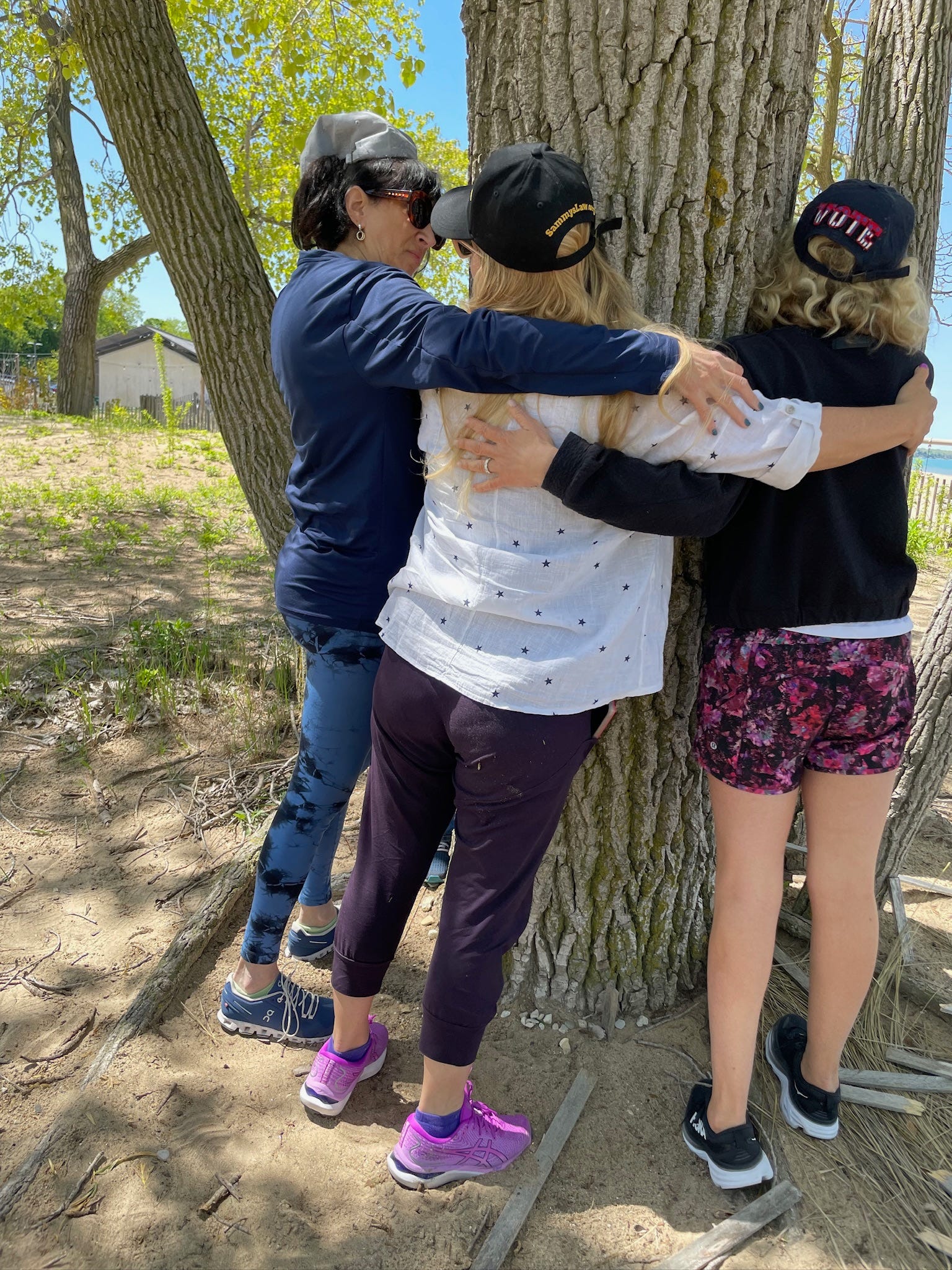
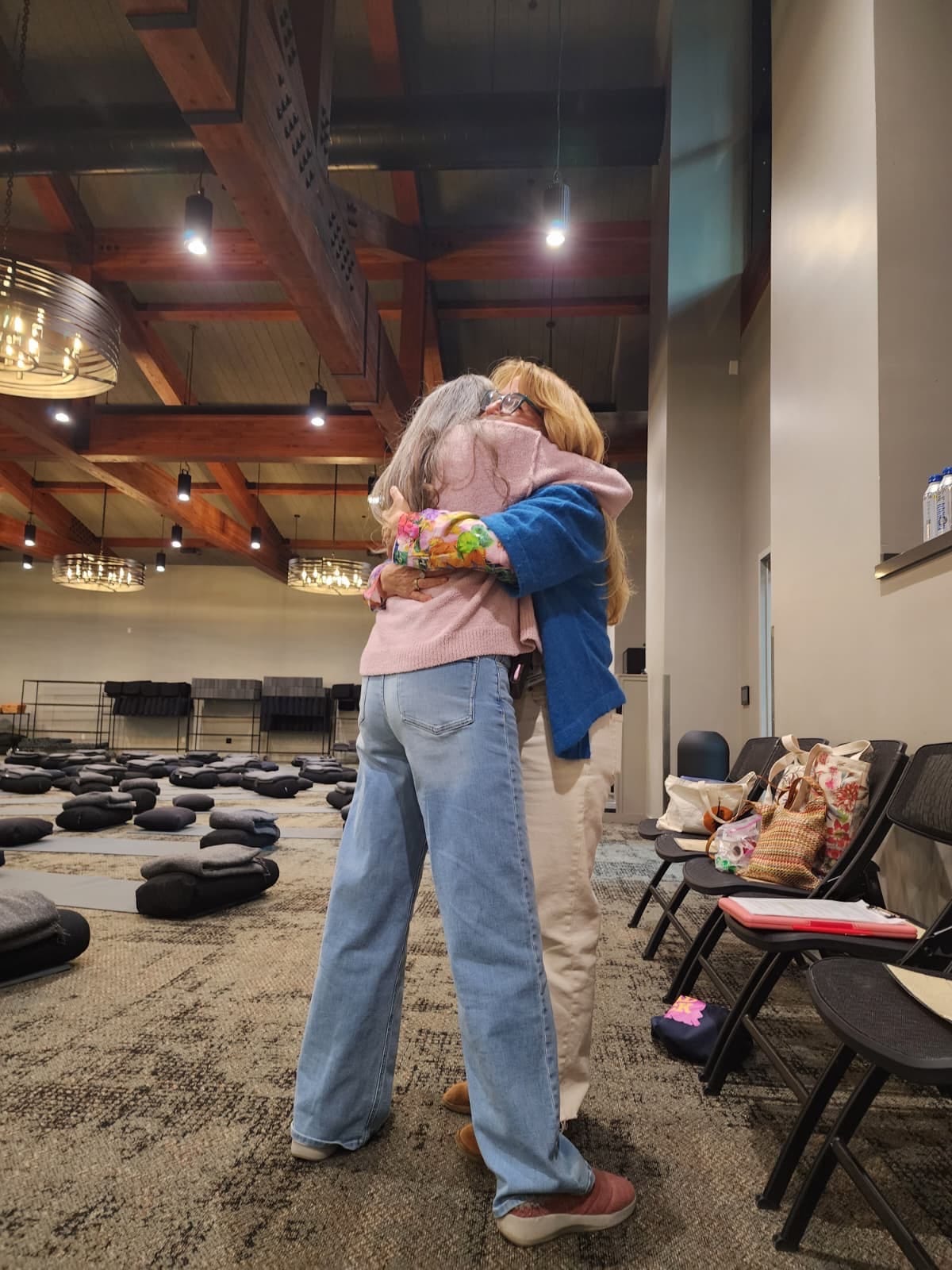
Healing rarely arrives all at once. More often, it grows through hundreds of small moments of connection. A conversation where someone truly listens. A hug that reminds you you’re not alone. A text that arrives at exactly the right moment. Someone willing to sit beside you long enough for you to tell the truth.
Healing Happens in Relationship
There are certainly parts of healing that happen in solitude.
We need time to reflect. We need time to process. We need space to sit with our thoughts and feelings.
But some of the deepest healing happens in connection with other people.
It happens when we feel seen…when we are accepted exactly as we are…when someone sits beside us without trying to fix us…when we discover that we do not have to earn love by pretending we are okay.
For years, I thought my strength came from being the person who carried everyone else. But what grief taught me is that there is also strength in allowing yourself to be carried.
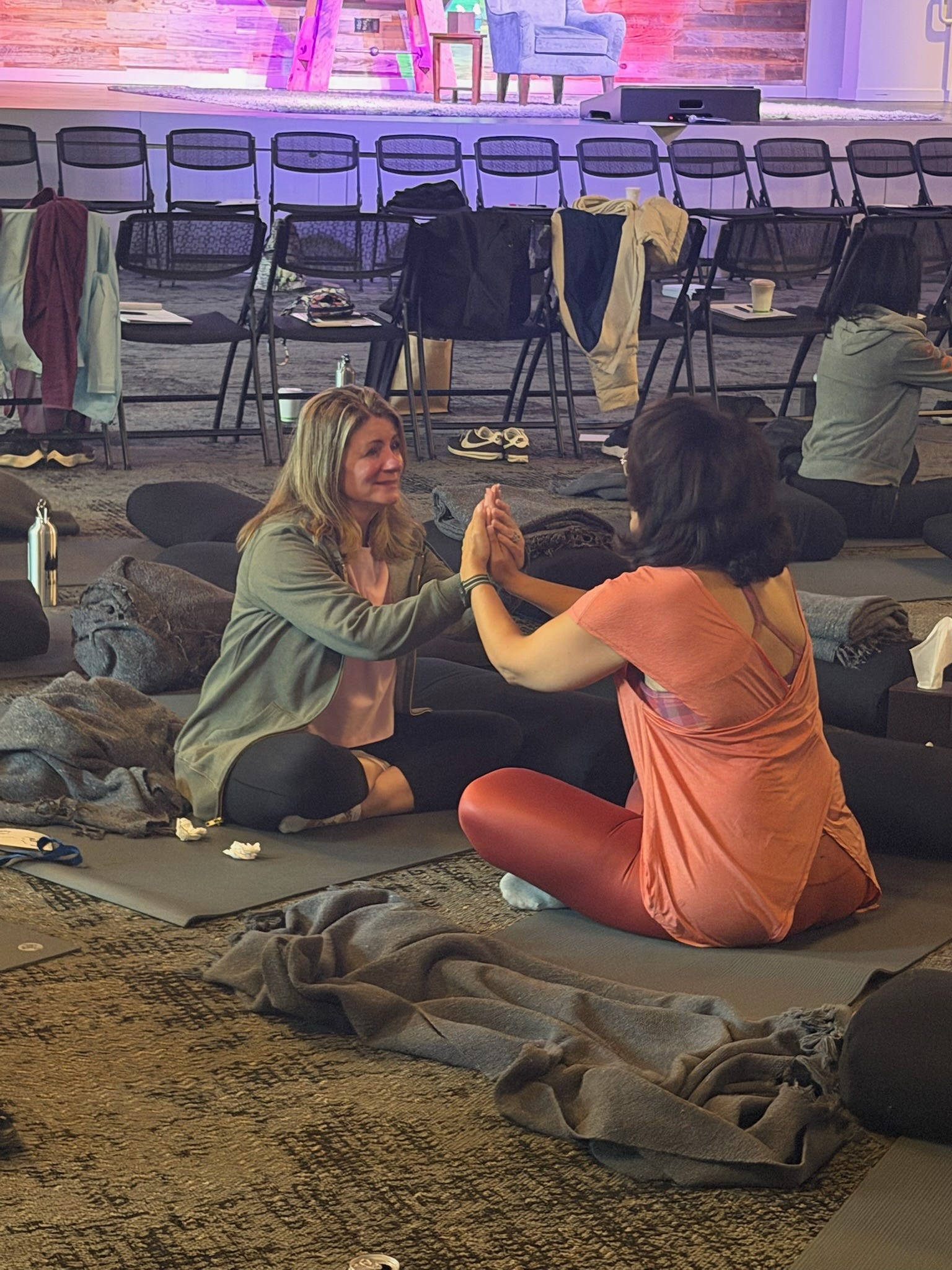
There is strength in saying, “I can’t do this by myself,” and letting someone bring the meal, make the call, sit beside you, or hold your hand while you cry. Even now, my first instinct is sometimes to tell people I’m fine. The difference is that today I recognize accepting love is part of healing too.
The people who navigate life’s hardest seasons are not necessarily the people who need the least from others. More often, they are the people who learn how to lean into support when support is available.
Grief asks a tremendous amount of us. It asks us to face what feels impossible and somehow keep moving forward.
What it does not ask is that we do it alone.
In fact, one of the most important lessons grief has taught me is that healing happens in connection. We need people. We need support. We need places where we can tell the truth about what we’re carrying.
That isn’t weakness. It’s part of being human.
If someone has been reaching toward you, consider opening the door just a little. You don’t have to tell them everything. You don’t have to have the perfect words.
Sometimes healing begins the moment we let another person sit beside us and remind us that we don’t have to carry what’s impossible to carry alone. If you’re seeking a companion on this journey, please feel free to check out my book Crying Out Loud.
No posts
Comments
Nothing yet. Say the first thing.
Sign in to join the conversation.