

I’ve been thinking about how differently we talk about relationships compared to how we actually live them.
Online, the conversation is full of grand gestures, turning points, and people who seem to have figured it all out. The real version is quieter than that. It’s a Tuesday evening where you’re both tired, and one of you still chooses to ask how the other is doing and actually wait for the answer.
That’s the version I’m more interested in. Not because the big moments don’t matter, but because it’s the ordinary ones that actually build something.
A lot of couples communicate constantly and still feel like strangers to each other. They cover the schedule, logistics, and who’s handling what. What they skip is how they’re actually doing.
I asked a couple once when they’d last had a real conversation, not about the household, not about the kids. They both went quiet. One of them said, probably six months ago. They weren’t in crisis. They weren’t unhappy exactly. They’d just slowly stopped being curious about each other, and neither of them had noticed until I asked.
Honest communication doesn’t need a special setting or a formal check-in. It just needs both of you to occasionally stop managing the shared life you’ve built and turn toward the person you built it with.
Most of us spend hours every day in the same room as our partners and are genuinely absent for most of it. Phones, something on in the background, the pull of whatever needs doing next. It adds up to a kind of company that doesn’t really feel like company.
I don’t think the answer is dramatic. Even twenty minutes of real, undivided attention changes the texture of a relationship more than people expect. Not staring at your phone while they talk. Not half-listening while you mentally run through tomorrow. Actually being there, in the room, with the person.
You don’t have to go anywhere. You just have to show up to where you already are.
Physical intimacy is usually the first thing couples let go of and the last thing they want to talk about. It doesn’t usually happen through any decision. Life gets full, the right conditions never quite align, and over time, it just quietly stops being a part of things.

What I’ve noticed is that the couples who maintain a strong physical connection aren’t always the ones with the most obvious chemistry. They’re often just the ones who made a quiet, ongoing decision not to let that part of the relationship disappear into the background. They kept reaching for each other even when it wasn’t convenient.
Small things count here, too. A real greeting when you come home. Touching when you walk past someone. These aren’t substitutes for genuine closeness, but they keep the door open.
One of the most underrated things in a long-term relationship is genuine enthusiasm for your partner’s life. Not the version where you say the right supportive things while half-listening. The real version, where you’re still curious about what they’re trying to do, and you feel something when they succeed.
Familiarity can quietly become indifference if you’re not paying attention. You already know the person, you’ve heard the stories, you’re used to them. And that settling can slowly replace real interest if neither of you keeps pushing against it.
The couples I find most compelling to be around are the ones where you can tell, even in passing, that they’re still genuinely curious about each other. There’s an aliveness in it. It doesn’t take much to maintain. It just takes choosing to keep asking.
Gratitude sounds like soft advice. I used to think so too. But the more I’ve sat with it, the more I think that genuinely acknowledging your partner, in specific terms, regularly, is one of the highest-leverage things available to a couple.
Most of us go long stretches where what our partners do simply becomes invisible. They handle something, they listen, they show up in small ways, and we absorb it without comment because it’s normal and we’d do the same. But there’s a slow cost to that. People stop feeling connected to someone who doesn’t notice them. Not dramatically. Just gradually.
It doesn’t take much to reverse it. Specific, genuine acknowledgement is usually enough. Not a grand speech. Just: I noticed that, and it meant something to me.
Every couple argues. I’m always a little sceptical of the ones who say they don’t. What actually separates healthy relationships from struggling ones isn’t whether conflict happens. It’s what happens inside it.
Whether both people feel like they’re working on the same problem or competing against each other. Whether the argument ends with something resolved or just trails off into a silence that sits there for days. Whether both people come out of it feeling heard or just feeling worn down.
Staying curious instead of defensive when you’re upset is one of the hardest things to do in a relationship. But it’s also the thing that moves conflicts forward rather than just ending them temporarily, which is the difference between actually repairing something and just waiting for it to come up again.
Most of the damage in long-term relationships isn’t done by big betrayals. It’s done by small grievances that never got aired. Small disappointments that accumulated quietly. Small moments where someone felt unseen, and neither person knew how to name it, so it just sat there and hardened.
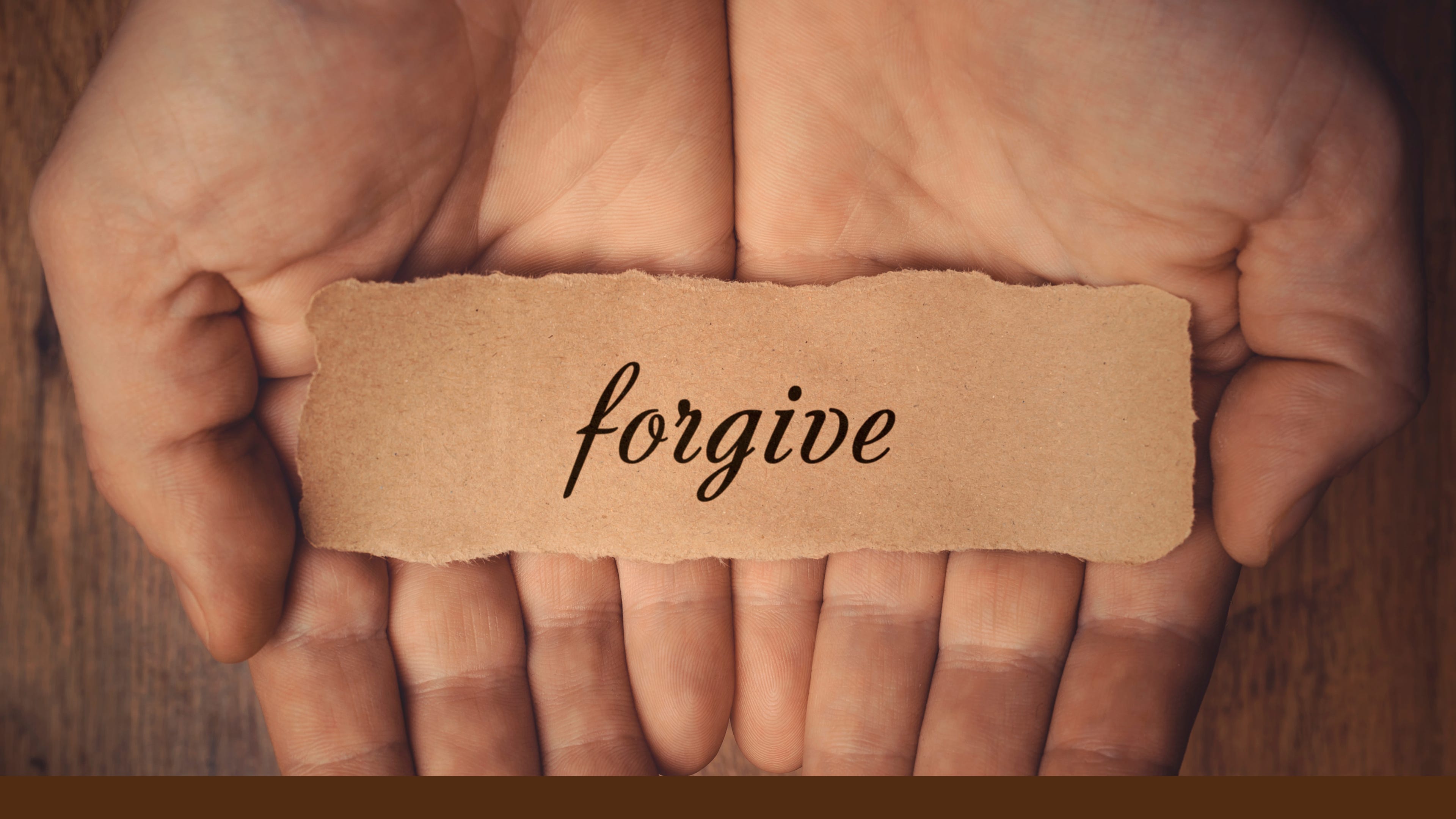
Forgiveness in those situations isn’t about being a saint or pretending something didn’t matter. It’s about deciding that your relationship is more important than being right, and making that decision consistently, over the years, rather than waiting for some dramatic moment to bring it all out.
The couples who stay genuinely close over a long time aren’t the ones who never hurt each other. They’re the ones who learned to move through it without letting things calcify.
None of this is complicated in theory. Most people reading it will recognise everything here.
What’s hard is the doing. The choosing to show up when you’re tired, to be honest, when it would be easier not to, to keep being curious about someone after years of knowing them.
Good relationships aren’t built in the grand moments. They’re built into the ordinary ones, every time you choose the person in front of you.
What’s one thing on this list that you know matters but has been quietly slipping? Sometimes just naming it is the beginning of something.
No posts
Comments
Nothing yet. Say the first thing.
Sign in to join the conversation.