
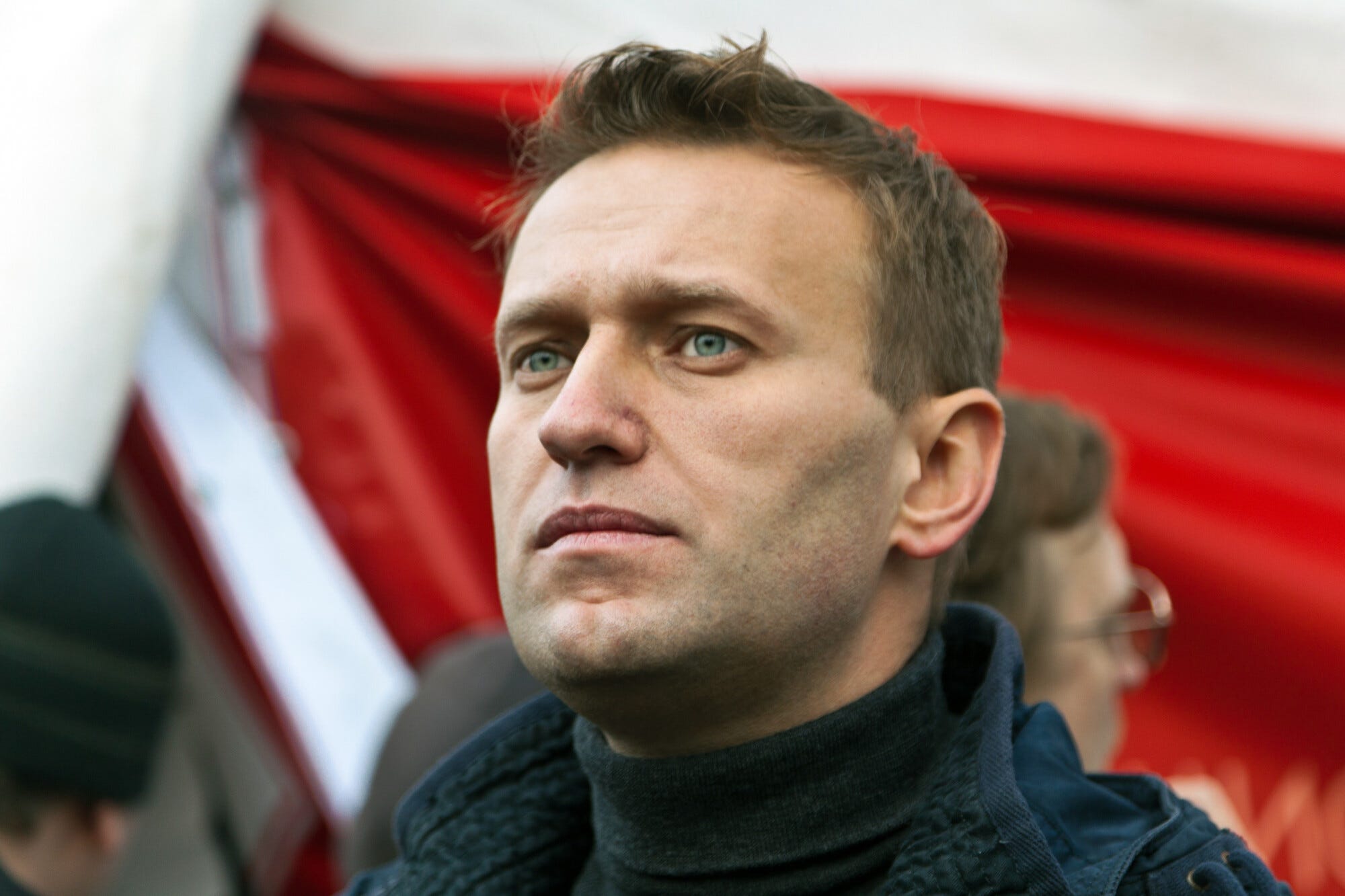
One of the most significant threats to Vladimir Putin’s increasingly autocratic government was a young, vibrant Russian named Alexei Navalny. Navalny spent his youth living in both Russia and Ukraine and deeply loved his country, even after he came to understand that “Russia was built on corruption.”
Rather than reconstructing Navalny’s life story for this essay, I have decided to use the words of his newly published memoir. A fascinating 479-page journal, Patriot: A Memoir was partially written by Navalny while he was in the hospital, where he spent four months recovering from a drug administered to him by Russian security services; the remainder of the memoir was written during the three years he spent in brutal Russian prisons (2021-2024). The book is painful to read because of the abuse he suffered at the hands of the prison guards and his primitive jail conditions, yet I was amazed by Navalny’s unwillingness to give in to his persecutors, or to submit to despair. It is best to hear Navalny’s story in his own words, the words of a remarkable Russian hero who was willing to give his life to the cause of building a future democratic Russia.
Navalny’s Youth:
When he was young, Navalny spent his summers in Ukraine with relatives, where his grandmother had him baptized. He was nine years old when the Chernobyl nuclear disaster occurred, and he later realized that this crisis was one of the reasons for the collapse of the Soviet Union. This was “the first lesson in my life – hypocrisy and lies inundated the whole country . . . The health of tens of thousands of people was sacrificed in the cause of a grand cover-up that was ridiculous.”
“The crucial source of ideological sabotage that subverted me and turned me into a little dissident was music” – especially the KISS concerts he attended. Gorbachev’s reforms, especially his glasnost (openness), opened up a new world to many Russian young people.
“The war in Afghanistan looms large in my childhood memories, but larger still is the destiny of the nation. Together with Chernobyl and the economic crisis, sending Soviet troops into Afghanistan in 1979 and the ensuing pointless ten-year war dug the grave of the U.S.S.R.” The Afghan war “was the folly of the crowd of senile old men who were in charge in the late U.S.S.R ... By 1979 the Politburo of the CPSU Central Committee resembled our very own Geriatric Park.”
On the August 1991 coup attempt: “A national state of emergency was declared ... As it turned out, no one was scared in Moscow ... It was not a putsch, it was a farce.”
“The Soviet Union was destroyed by the Communist Party and the KGB ... Putin was unquestionably one of those with a direct interest in the collapse of the U.S.S.R., helping it along and extracting maximum benefit from it.”
Navalny’s Higher Education and Early Professional Career:
Navalny enrolled at the Russian Peoples’ Friendship University in 1993. (A personal note: This was the same time the Russian-American Christian University was started, and we rented classroom space on this campus and held several graduations there as well. We personally experienced the difficult dynamics of campus life that he described.)
“I found university life disappointing in literally every respect,” which included drug addiction, corruption and open bribery. “The general acceptance of corruption will continue to shape morality and ways of the elite for a long time to come.”
“We should admit that there never were any democrats in power in Russia, in the sense of people with a genuine liberal democratic outlook” – no Lech Walesa or Vaclav Havel. Boris Yeltsin was described by some as a “radical democrat” – especially by Westerners, but “he belonged body and soul to the Soviet party system” and was “driven only by a lust for power.”
Navalny Joins the Opposition:
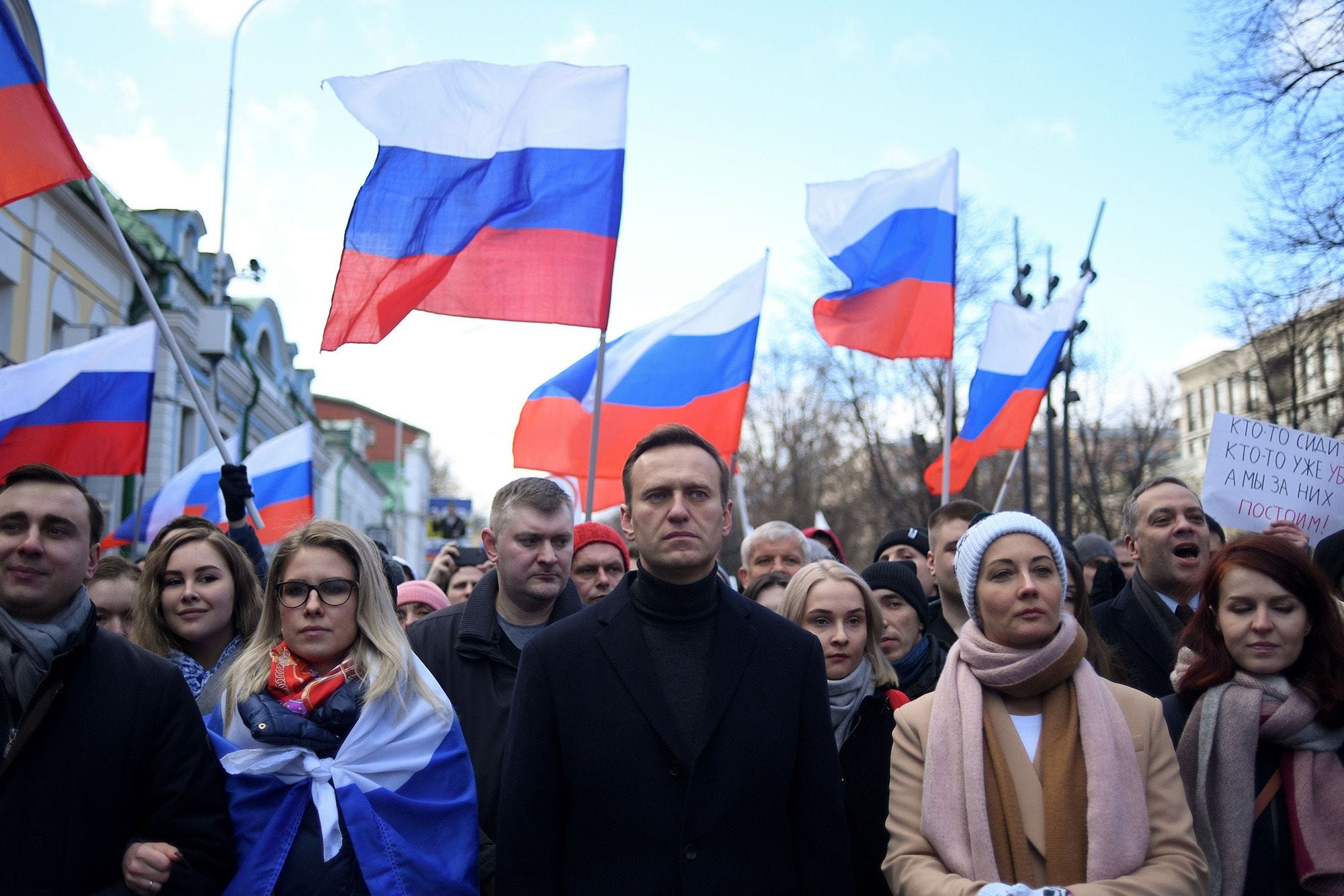
Navalny and his colleagues decided that Putin’s accession to the presidency by Yeltsin needed to be resisted. “I didn’t like the idea of Putin as ‘successor’; I wanted a genuine presidential election with competing candidates . . . Putin was being foisted on Russia as payment for his loyalty and willingness to provide legal immunity to the former president and his family . . . I knew I couldn’t believe a word Putin said. His appointment made me determined to resist. I didn’t want someone of that kind to be the leader of my country . . . I would join the opposition.”
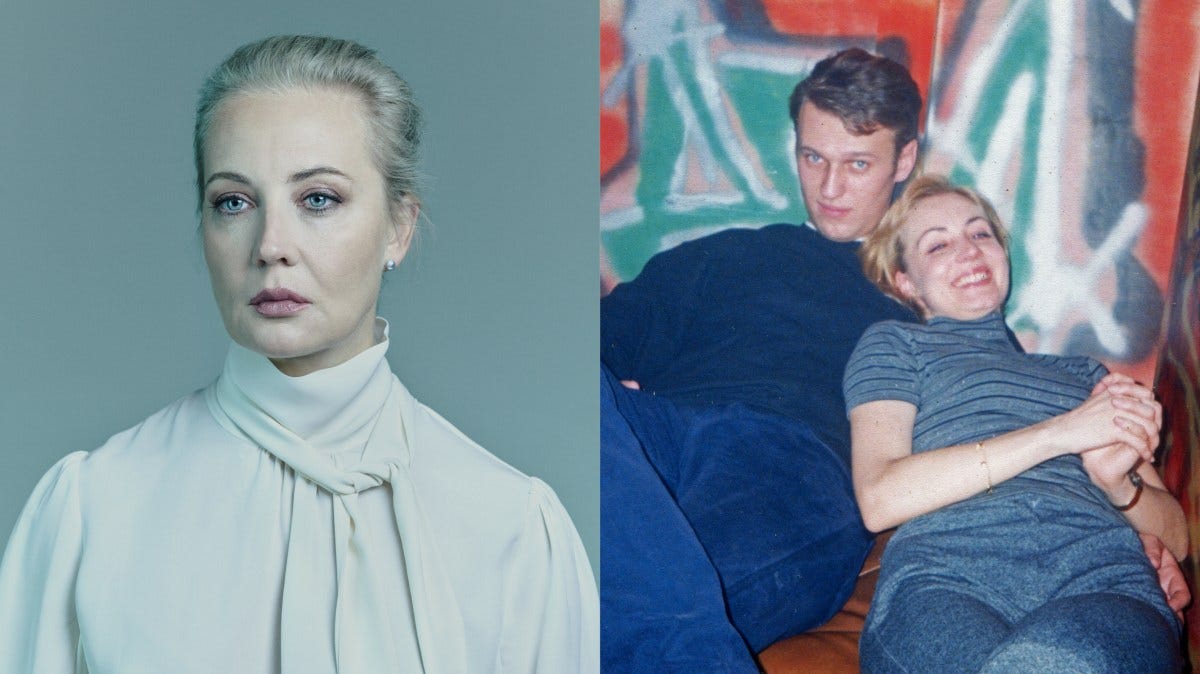
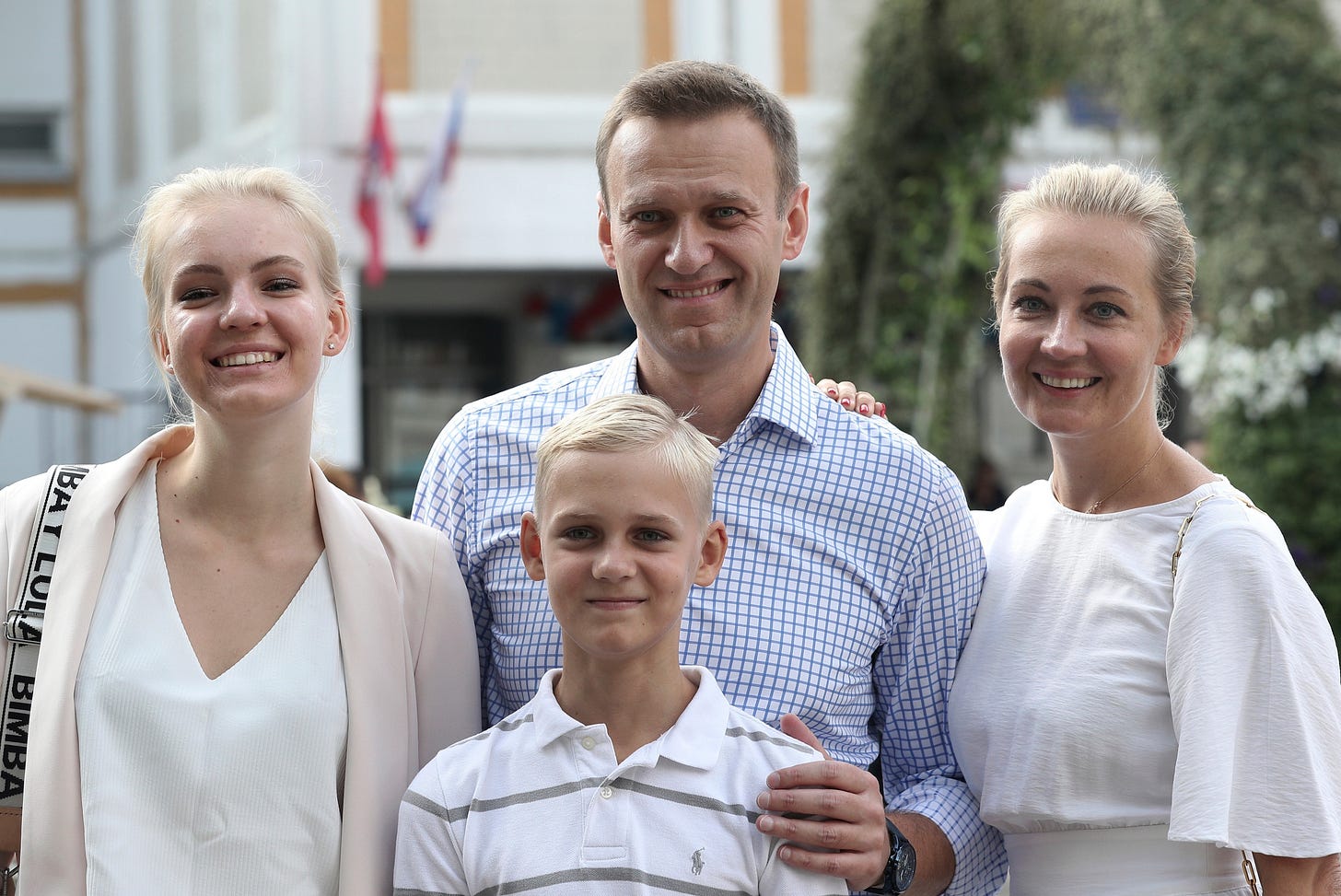
Alexei became engaged to Yulia on New Year’s Eve 1999, and they decided to get married in August. Their first child, Dasha, was born in 2001 and her birth changed Alexei. “Like anyone who grew up in the Soviet Union, I had never believed in God, but looking now at Dasha and how she was developing, I could not reconcile myself to the thought that this was only a matter of biology ... From a dyed-in-the-wool atheist, I gradually became a religious person.”
In 2011, Navalny and his colleagues secured registration for the Anti-Corruption Foundation, which pledged transparency and normality in seeking out corruption in Russia’s political system. He began to encourage his followers to use the words a “Party of Crooks and Thieves” when referring to Putin’s political organization.
Navalny and his Foundation staff investigated cases of corruption, examined relevant documents, collected evidence, and published their findings. In the first years, they wrote posts on Navalny’s blog and then later added videos on You Tube — their goal was to get millions to read about the corruption. When independent media were shut down, here was Navalny’s advice to his readers: “You tell our story yourself and ask others to help. Post a link on your blog, write something on social media, send the video to your friends and put it up in elevators. This is our mayor. His official salary is around $2,000 a month, and here is his apartment in Miami, which is worth $5 million ... Send it to your grandmother and your parents.”
“The year 2012 set a pattern for my life, an endless vicious circle for many years to come: protest rally, arrest, protest rally, arrest.”
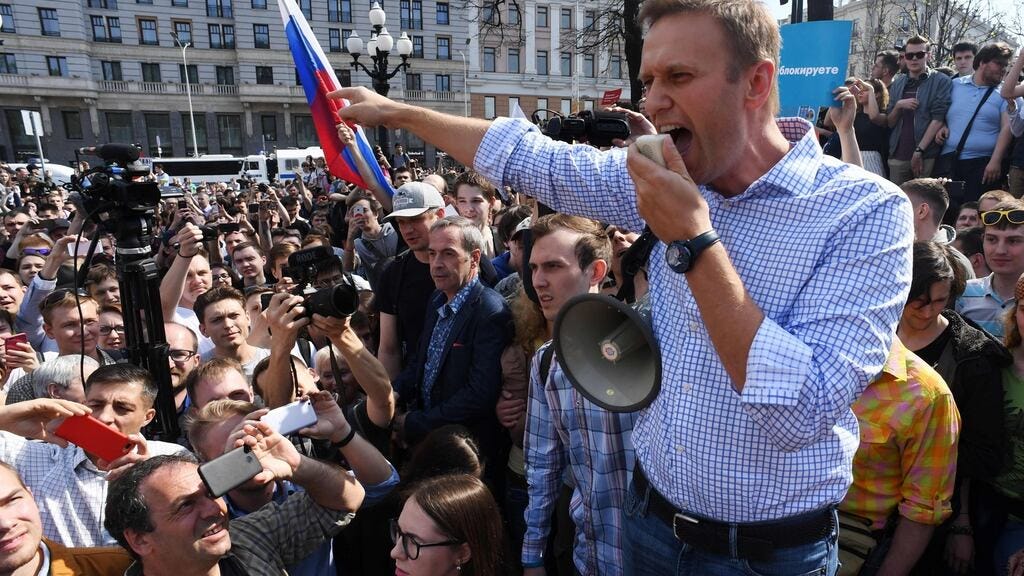
“Russia has every possibility of becoming a prosperous, democratic country. This sinister regime, based on lies and corruption, is doomed. Dreams can become reality. The future is ours.”
“I will always remember a conversation I had with Boris Nemtsov ten days before he was murdered. There were three of us there, Nemtsov, his colleague, and me, and Nemtsov explained that I was in danger. The Kremlin could easily kill me because I was an outsider. But he, Nemtsov, was invulnerable, because he was an insider; he was a former deputy prime minister and, what’s more, knew Putin personally and had worked with him for many years. Three days later I was arrested. And just a week after that, Nemtsov was shot dead two hundred meters from the Kremlin ... Nemtsov’s murder was a massive blow for everyone, and a lot of people were frightened.”
“I have always tried to ignore the idea that I could be attacked, arrested, or even killed ... But one day I simply made the decision not to be afraid ... if I were to worry constantly about them killing me, then it’s not worth my while living in Russia. I should either emigrate or change what I do. But I love what I do and think that I should keep doing it. I’m not crazy, nor am I irresponsible or fearless. It’s simply that deep down I know I have to do this, that this is my life’s work ... there’s my country, and I desperately want it to be free.”
“I don’t like sitting in jail. It gives me no pleasure at all. It’s horrible, a useless waste of time. But if that’s how it is, so be it ... I don’t know how my life is going to pan out, and trying to make sense of that is pure speculation ... I know one thing for sure: that I’m among the happiest 1 percent of the people on the planet – those who absolutely adore their work. I enjoy every single second of it ... And I met a woman with whom I share not only love but the same values. She is just as opposed as I am to what is going on. Our country deserves better.”
After he returned to Russia, following his four-month recovery in Germany from the Novichok nerve drug, Navalny spent the next three years in prisons, with several moves to more brutal facilities in increasingly distant places, ending up north of the Artic Circle. His prison sentences kept getting extended to 2051, but he told his supporters, “By coming back to Russia, I fulfilled my promise [to return] to the voters. There need to be some people in Russia who don’t lie to them.”
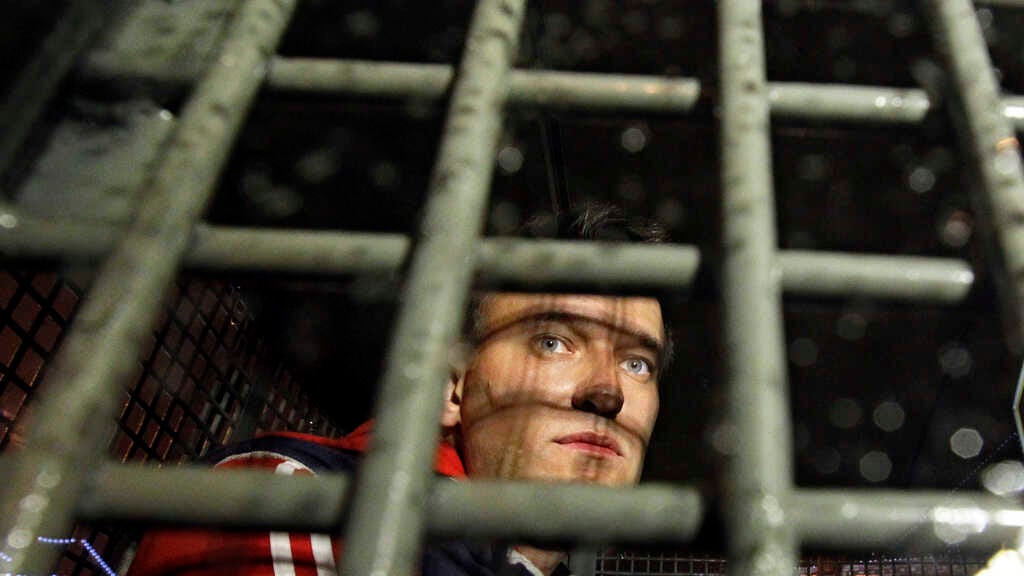
Even in jails and prisons, Navalny and his lawyers were able to get messages from him to distribute to their network of supporters. Sometimes these were short: “Don’t be afraid of anything. This is our country and it’s the only one we have.” Other statements were longer: “I wish officially and for the record to declare that I am against this war [in Ukraine]. I consider it immoral, fratricidal, and criminal. It has been started by the Kremlin gang to make it easier for them to steal.”
Navalny’s memoirs concludes with these thoughts: “I have always thought, and said openly, that being a believer makes it easier to live your life and, to an even greater extent, engage in opposition politics. Faith makes life simpler ... My job is to seek the Kingdom of God and his righteousness, and leave it to good old Jesus and the rest of his family to deal with everything else. They won’t let me down and will sort out all my headaches. As they say in prison here: they will take my punches for me.”
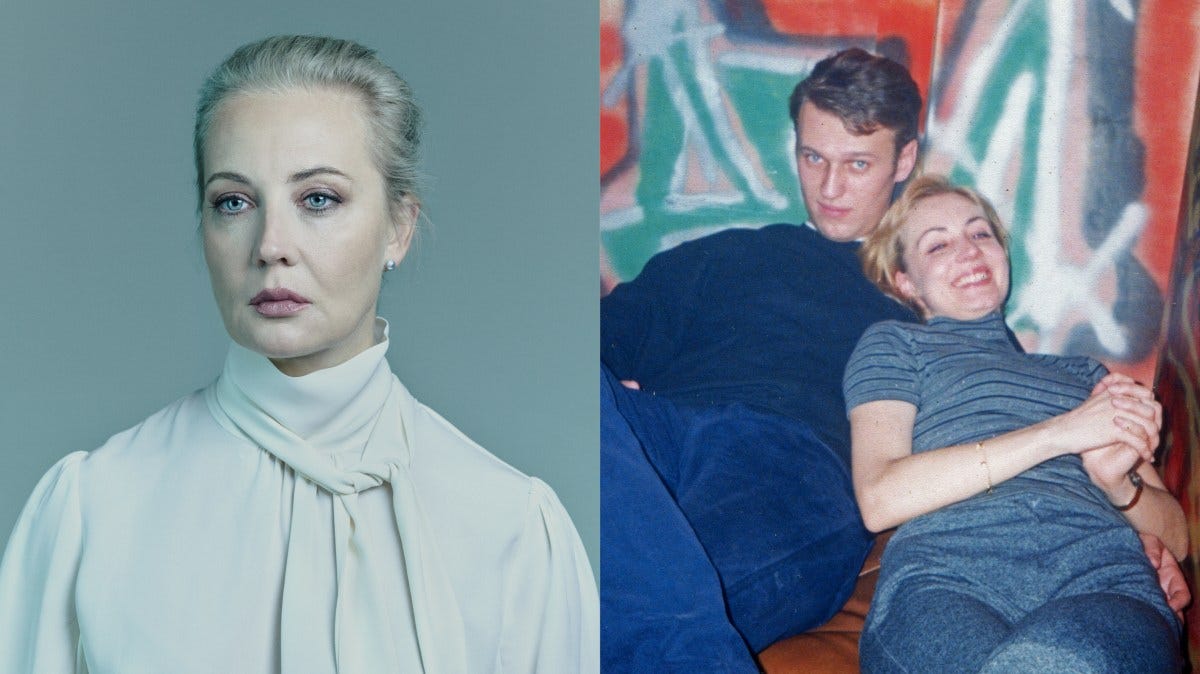
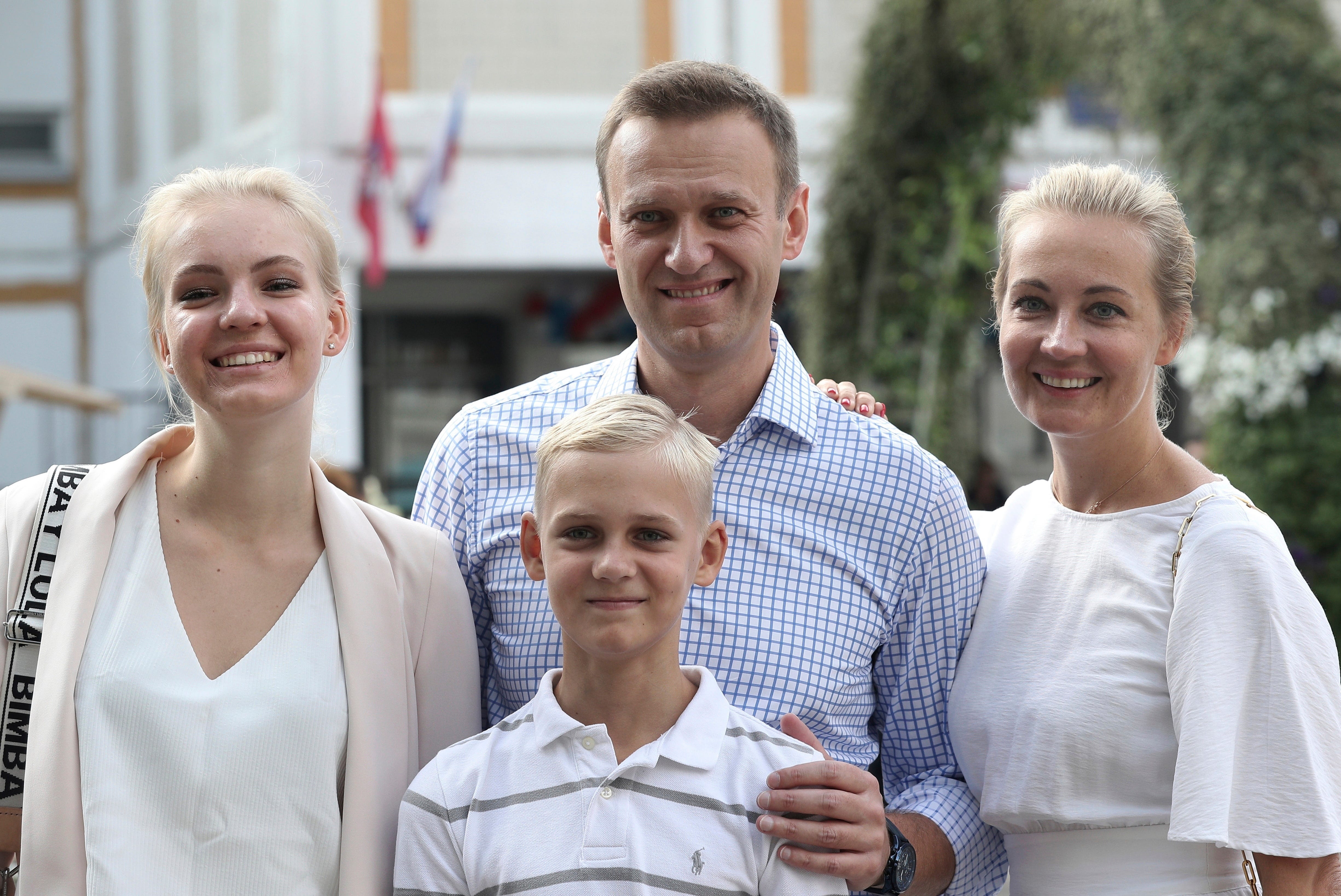
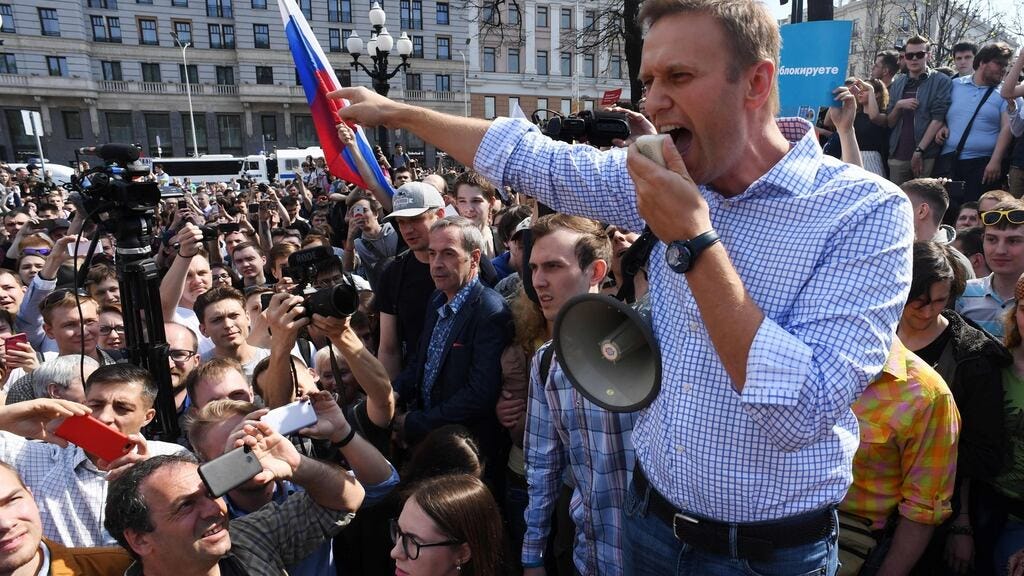
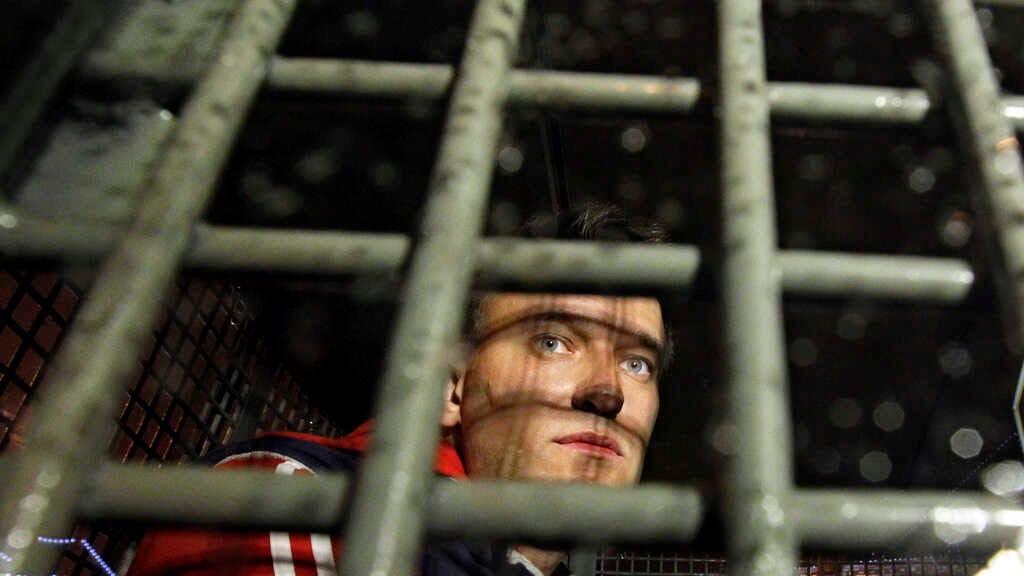
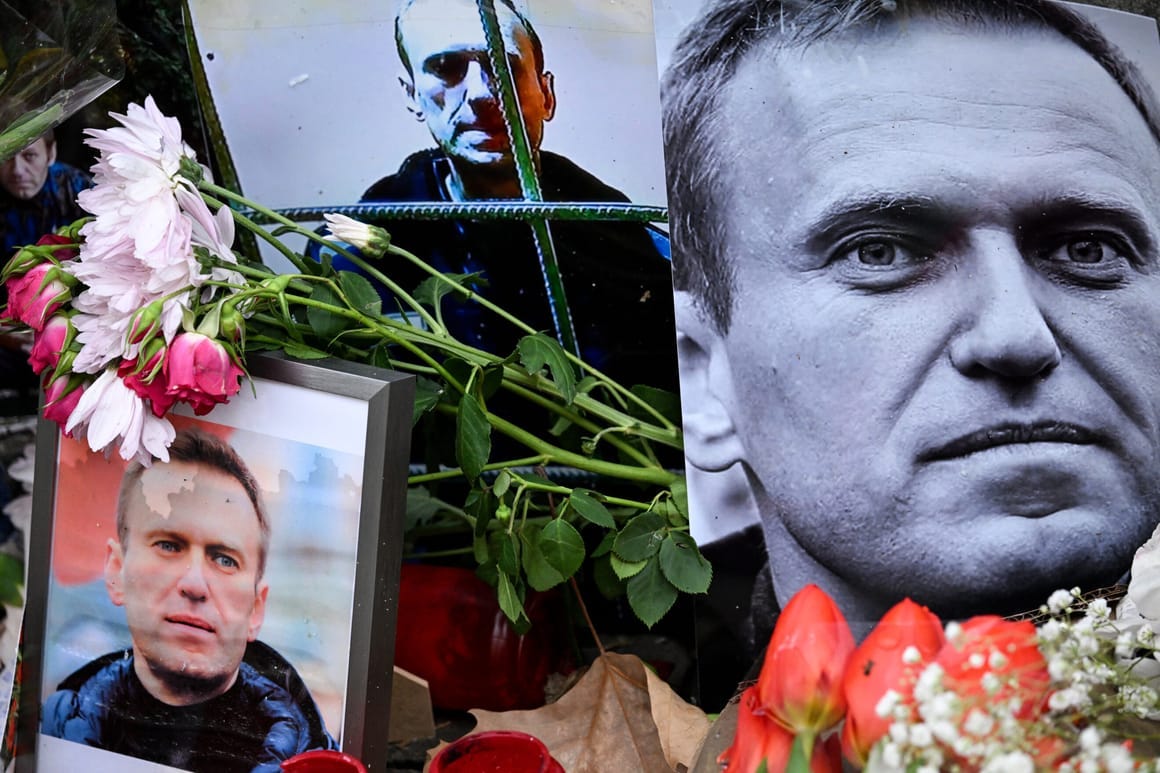
Alexei Navalny was murdered by Russian forces on February 16, 2024, after appearing in good health and humor on a video the day before. How he was killed is unknown. His wife and partner, Yulia, shared this reaction to his death on Putin’s orders: “The world must finally realize that Putin is not who he wants to appear to be. He is a usurper, a tyrant, a war criminal – and a murderer.”
President Trump and his leadership team need to treat Putin accordingly, and all Americans need to pay attention to these events in Russia to truly understand the brutal Putin regime and the dangers of autocratic rule in our own country.
Dr. John A. Bernbaum
Writer and Educator
Co-Author with Philip Yancey:
What Went Wrong?: Russia's Lost Opportunity and the Path to Ukraine
You’re currently a free subscriber. Please help us grow our readership by sharing this newsletter with two or three friends or family members. Upgrading your subscription will also help us expand our work.
Comments
Nothing yet. Say the first thing.
Sign in to join the conversation.