
I like food. Can’t you tell???
Years spent looking inside people’s digestive systems have taught me to see certain foods as medicine.
My job here is simple. Help you pick the right ones.
These five slip under the radar.
None will surprise you on a shelf, yet each does more than its reputation suggests.
Here is why I wish they turned up in your basket more often.
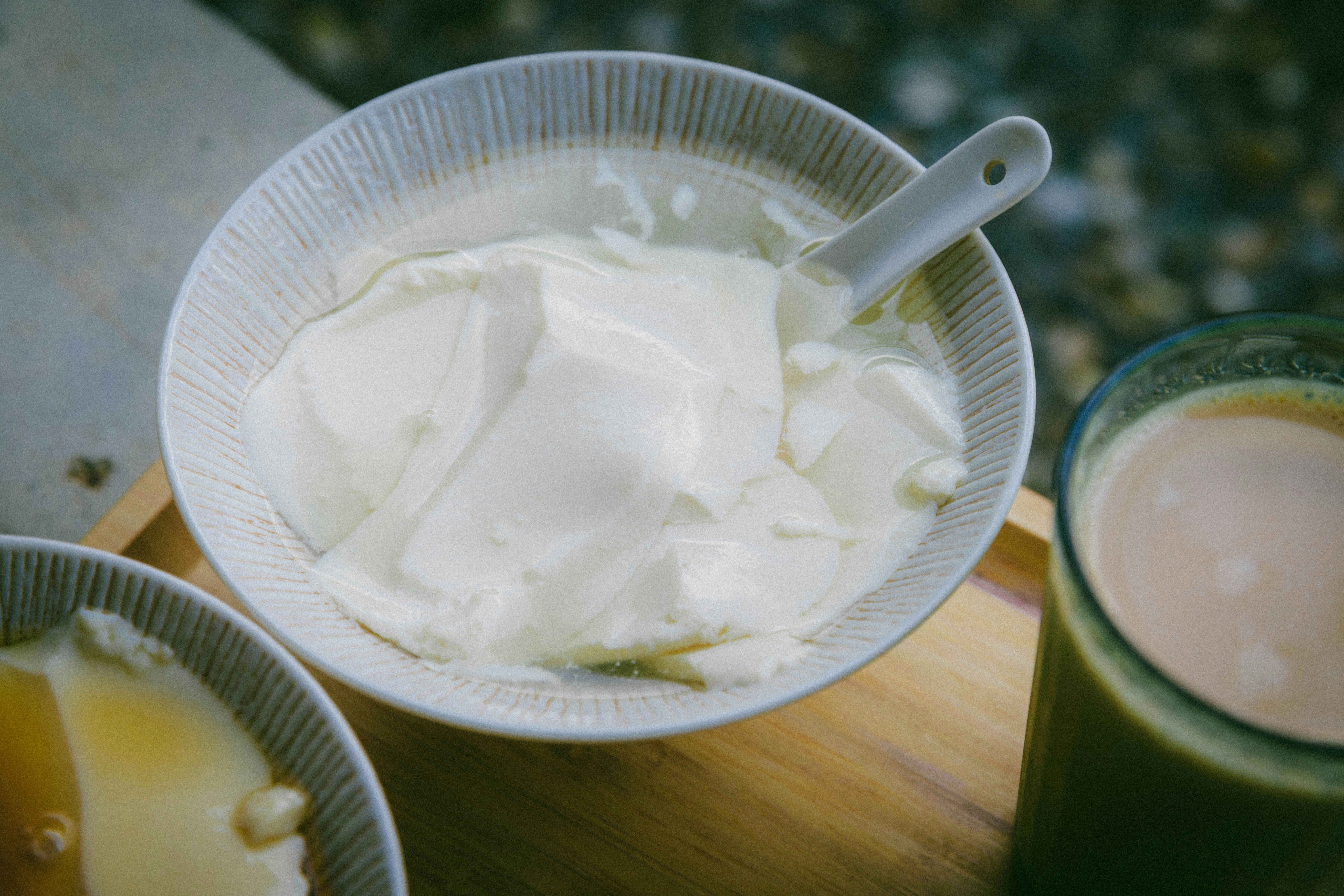
Full-fat. Unsweetened. That’s the one.
A single serving gives you around 15 to 20g of protein, and protein is the most satiating macronutrient we have.
In a randomised trial comparing snacks in women with overweight and obesity, Greek yoghurt raised fullness significantly within 30 minutes.
Vitamins A, D, E and K are fat-soluble, meaning they need dietary fat to be absorbed.
Strip the fat out and you blunt the absorbing.
Lactobacillus bulgaricus and Streptococcus thermophilus, the bacteria that turn milk into yoghurt, reach the gut alive and lend a hand to the microbes already there.
Skip the fruit-on-the-bottom versions. The added sugar undoes much of the good.
A tin costs very little in the UK (and probably worldwide!)
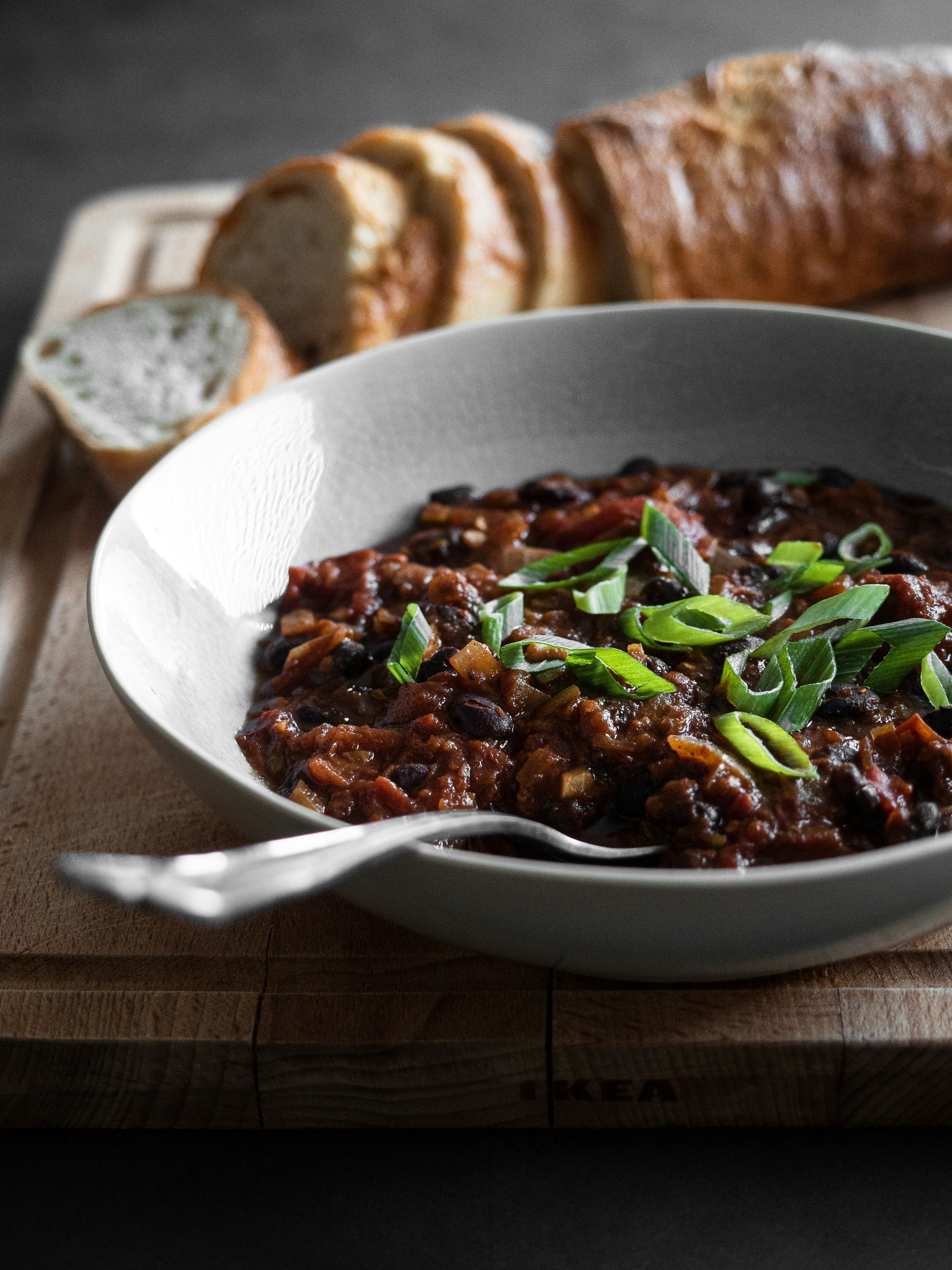
Around 8g of protein and 8g of fibre per half tin, plus a decent hit of resistant starch, the kind that does not digest and travels to the colon, where your bacteria ferment it into short-chain fatty acids. That fermentation feeds the gut lining.
Beans are also one of the few plant foods rich in lysine, an essential amino acid we cannot make ourselves.
Lysine is a building block for collagen, the scaffolding of skin, tendon and gut wall.
During collagen formation, lysine residues are hydroxylated and then cross-linked, and those cross-links give the fibres their strength.
Black beans are LOADED with polyphenols, the pigments behind their dark coat.
I wrote about this family of compounds in my flavonoids piece, but the short version is this: polyphenols are poorly absorbed, so most travel down to the colon where our bacteria feast on them. They act as antioxidants, they calm inflammation, and they behave like a prebiotic.
The human evidence for beans and the gut is good. In the BE GONE trial, patients who added a daily cup of navy beans saw a measurable rise in microbiome diversity, with more Faecalibacterium, Eubacterium and Bifidobacterium.
Share to others! It helps the newsletter grow!
Comments
Nothing yet. Say the first thing.
Sign in to join the conversation.