
For generations, we have been taught to fear microbes. Advertisements, medical warnings, and popular culture have painted them as dangerous enemies—tiny villains responsible for disease, infection, and decay that must be eradicated with antibiotics, sanitizers, and sterile environments. We’ve demonized them as threats to be destroyed rather than partners to be understood. Yet this one-sided view has blinded us to a far more profound reality: trillions of microorganisms are not our adversaries but essential, life-sustaining allies. They are the hidden architects of ecosystems, the recyclers of nutrients, the guardians of our immune systems, and the quiet facilitators of healing and regeneration.
What if everything we thought we knew about “germs” was incomplete? What if the very organisms we’ve been conditioned to fear are actually the key to true health? This article explores that paradigm-shifting truth—from the forests and oceans to the intricate ecosystem inside your own body—and reveals how reconnecting with these invisible partners could transform the way we understand wellness.
We live in constant partnership with trillions of microscopic beings. From the soil beneath our feet to the air we breathe, and especially within our own bodies, microorganisms—bacteria, fungi, yeasts, parasites, and more—form an essential foundation for life on Earth. Far from mere passengers or enemies, these tiny organisms act as nature’s recyclers, protectors, nutrient factories, and repair crews. They break down waste, return macromolecules to their elemental building blocks, prevent overgrowth of harmful species, and enable adaptation through sophisticated mechanisms like horizontal gene transfer.
By Design, there is a profound symbiotic relationship between the micro world and the macro world—the visible plants, animals, and humans. The evidence from ecology, microbiology, and clinical practice reveals a beautifully coordinated system. The micro world was literally designed to help the macro world stay alive and thrive. We will examine their vital roles in natural ecosystems, their intricate work inside the human body, and how disruptions to this balance—from spinal misalignments to modern interventions like antibiotics and pasteurization—contribute to disease. Most importantly, we will see how restoring these relationships through targeted, root-cause approaches can support true healing and resilience. Understanding this empowers us to make better choices for our health, our families, and our communities.
In every natural ecosystem—from the densest rainforests to the harshest deserts and the deepest ocean trenches—microorganisms serve as the ultimate decomposers and recyclers. They are the invisible workforce that prevents the planet from becoming entombed under accumulating layers of dead organic matter. When plants shed leaves, animals die, or waste is produced, bacteria, fungi, yeasts, specialized parasites, and other microbes immediately begin the essential task of breaking down complex macromolecules into simpler micromolecules and, ultimately, their individual elemental building blocks: carbon, nitrogen, phosphorus, sulfur, and trace minerals.
This decomposition process is not mere decay—it is a sophisticated, orchestrated renewal system that keeps life cycling continuously. Without it, nutrients would remain locked away in corpses and debris, plants could not grow, herbivores would starve, and the entire food web would collapse. Microbial communities drive the planet’s major biogeochemical cycles, making life as we know it possible.
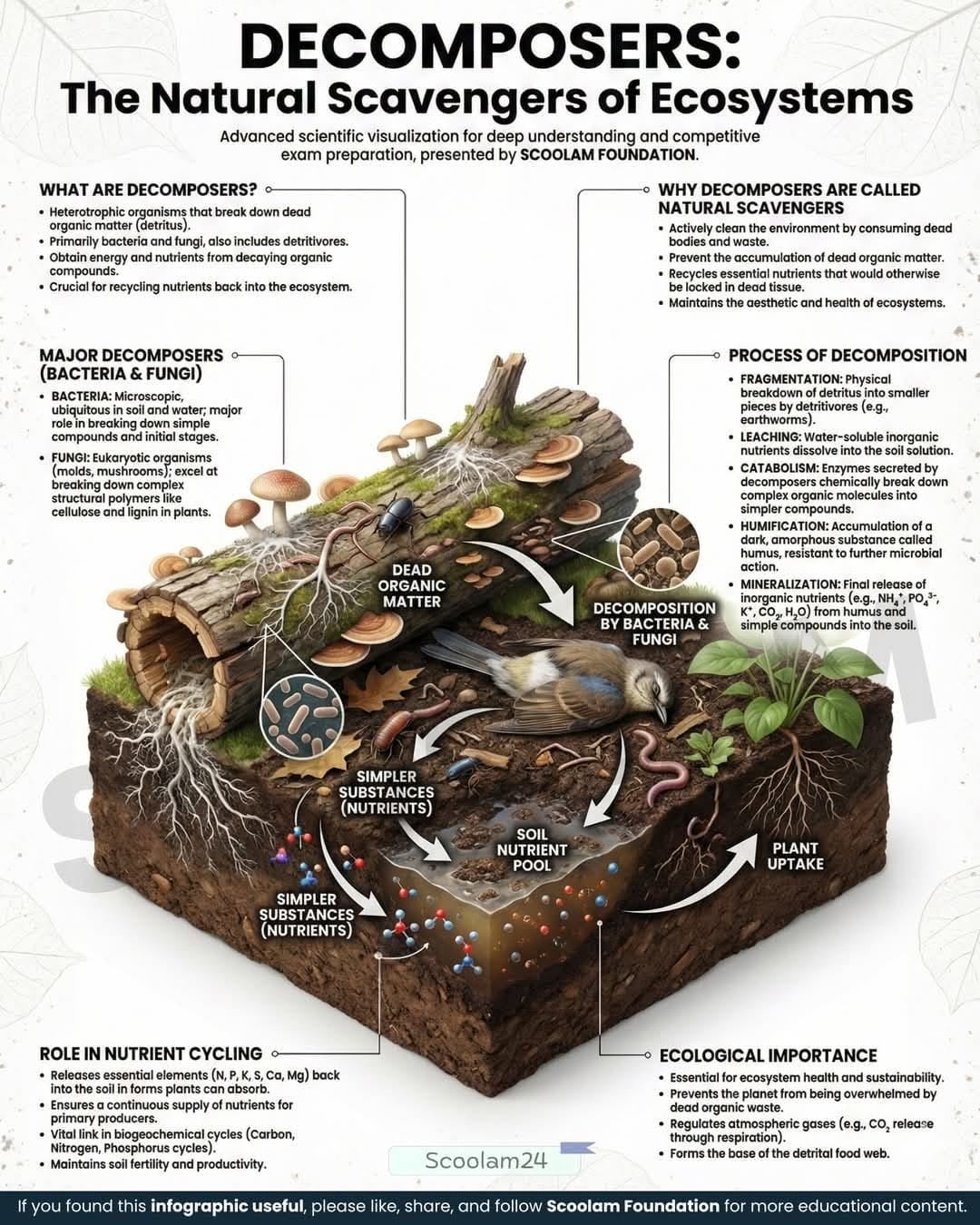
Different microbial groups excel at different stages and types of breakdown, creating a highly efficient division of labor:
Bacteria as First Responders: Bacteria are often the initial colonizers of dead matter. They produce a wide array of enzymes (proteases, lipases, cellulases, etc.) that dismantle proteins, fats, sugars, and simpler carbohydrates. Species like Bacillus, Pseudomonas, and various actinomycetes thrive in diverse conditions—some in oxygen-rich environments, others in anaerobic settings such as waterlogged soils or animal guts. Their rapid reproduction allows them to quickly exploit new resources, releasing soluble nutrients that other organisms can use. In soil, bacteria are responsible for much of the initial nitrogen mineralization, converting organic nitrogen into forms plants can absorb.
Fungi as Master Degraders of Tough Materials: Fungi, particularly saprotrophic species, take over where bacteria leave off, especially with recalcitrant (hard-to-break) compounds. Their mycelial networks—vast, thread-like structures—physically penetrate substrates while secreting powerful enzymes such as lignin peroxidases, cellulases, and chitinases. This allows them to decompose wood (lignin and cellulose), insect exoskeletons (chitin), and other complex plant polymers that few other organisms can tackle. In forests, white-rot and brown-rot fungi are legendary for their ability to recycle massive amounts of woody biomass. Mycorrhizal fungi also form symbiotic relationships with living plants, trading nutrients for sugars while extending the root system’s reach.
Yeasts and Fermentative Microbes: Yeasts (single-celled fungi) specialize in fermenting sugars and other simple carbohydrates, often in oxygen-limited environments. Species like Saccharomyces and various wild yeasts contribute to nutrient cycling in fruits, soils, and animal digestive tracts. They produce alcohol, carbon dioxide, and organic acids that further break down materials and create micro-environments favoring other beneficial microbes.
Parasites and Specialized Microbes: While parasites are often viewed negatively, many play ecological roles in population regulation. Certain parasitic microbes help control host numbers, preventing overpopulation that could crash ecosystems. In death, they contribute to tissue breakdown. Other specialized groups, such as methanogenic archaea, process the byproducts of bacterial and fungal activity in anaerobic conditions, releasing methane that other microbes can further metabolize.
These groups rarely work in isolation. Decomposition occurs in successional waves: bacteria initiate, fungi tackle complex fractions, yeasts and others handle intermediates, and the combined activity releases inorganic nutrients back into the environment. This synergy is highly efficient and resilient.
The breakdown process directly powers the planet’s nutrient cycles:
Carbon Cycle: Microbes release carbon dioxide through respiration while also contributing to stable soil carbon storage (humus formation).
Nitrogen Cycle: Bacteria and archaea fix atmospheric nitrogen, mineralize organic nitrogen, and perform denitrification—keeping this critical element flowing.
Phosphorus and Sulfur Cycles: Microbial enzymes solubilize these often-limited nutrients from organic matter and rocks.
Local and seasonal variations add another layer of sophistication. Microbial communities shift with temperature, moisture, and available substrates. In spring, fast-growing bacteria and fungi capitalize on fresh plant litter. In winter or dry seasons, stress-tolerant species dominate, preserving nutrients until conditions improve. Regionally adapted strains (“local microbiomes”) are finely tuned to specific soils, climates, pollutants, or plant communities—providing tailored support that helps the macro ecosystem adapt to drought, pests, pollution, or climate fluctuations.
This diversity creates robustness. If one group is stressed, others compensate. High microbial biodiversity correlates with healthier, more productive ecosystems that better withstand disturbances.
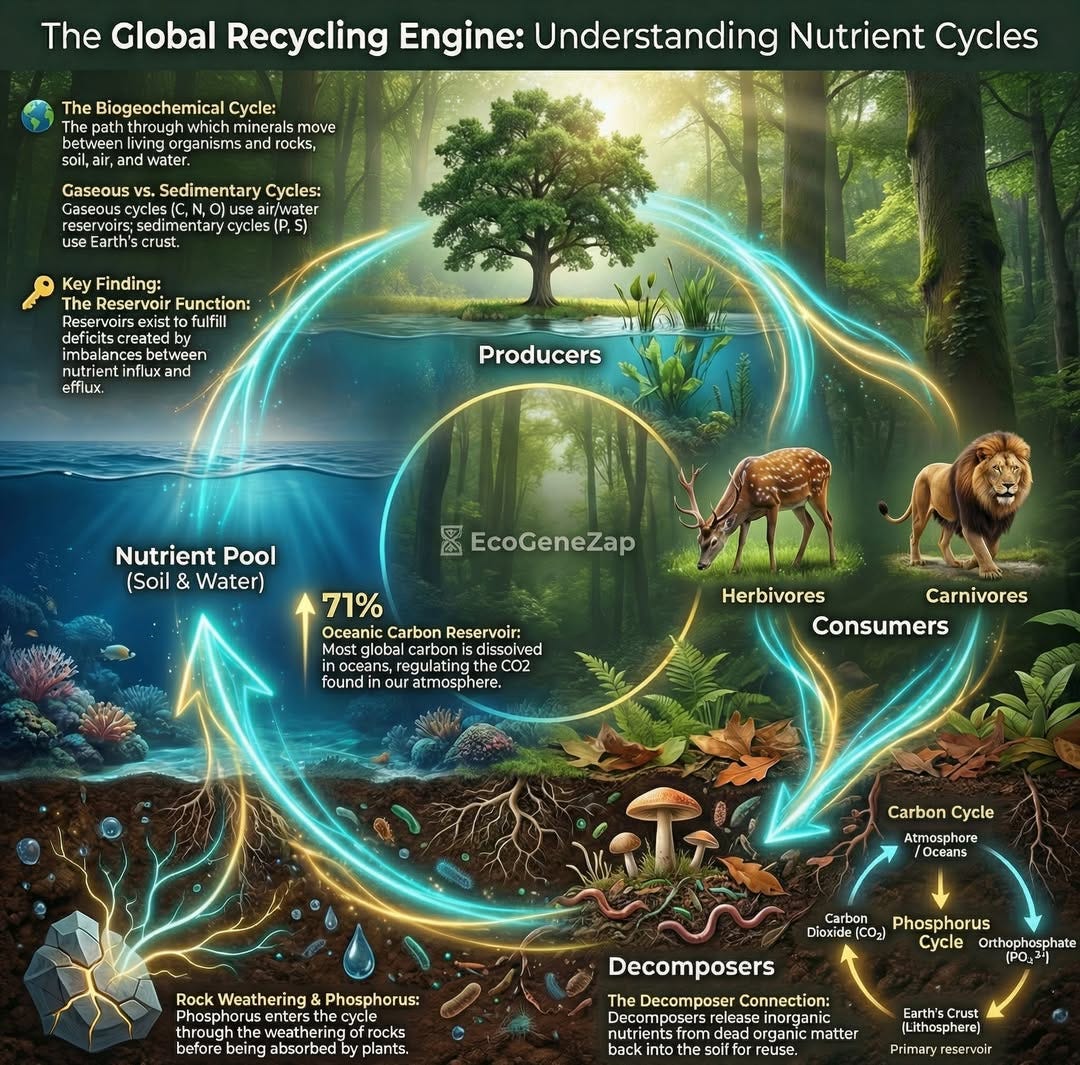
The implications are profound: Death and waste are not endpoints but raw materials for new life. Microorganisms turn what appears as loss into renewal. Fallen trees become fertile soil; animal remains fuel the next generation of plants; seasonal leaf drop feeds the forest floor. This endless cycle of death, decomposition, and rebirth is one of nature’s most elegant Designs.
In a very real sense, the micro world was made to sustain the macro world. Without these invisible recyclers, the visible world of towering trees, grazing herds, and human civilizations could not exist. This partnership reveals deep interdependence: every breath we take, every bite of food, and every step on solid ground depends on the tireless work of trillions of microorganisms quietly recycling, renewing, and balancing the planet.
Understanding this foundational role helps us appreciate why protecting microbial diversity—in soil, water, and our own bodies—is essential for long-term health and environmental stability. The same principles that govern forests and oceans also apply inside us.
Just as forests and oceans depend on vast communities of microorganisms to recycle nutrients and maintain balance, the human body functions as a complex, thriving ecosystem. From birth onward, trillions of microbes colonize virtually every surface and internal niche—from the skin and oral cavity to the sinuses, lungs, urogenital tract, and especially the gastrointestinal tract. In a healthy adult, these microorganisms often outnumber our own human cells 10-20 to 1 and contain far more genetic material than our own genome. Collectively known as the microbiome or microbiota, they are not mere hitchhikers but essential partners that perform countless functions we cannot accomplish on our own.
This internal ecosystem is dynamic, diverse, and highly individualized. No two people have identical microbiomes, much like fingerprints or local forest compositions. The composition varies by body site, age, diet, lifestyle, geography, and season—reflecting constant adaptation to our internal and external environments. When this ecosystem is in balance (eubiosis), it supports digestion, detoxification, immunity, mood, and regeneration. When disrupted (dysbiosis), it can contribute to chronic inflammation, stagnation, and disease.
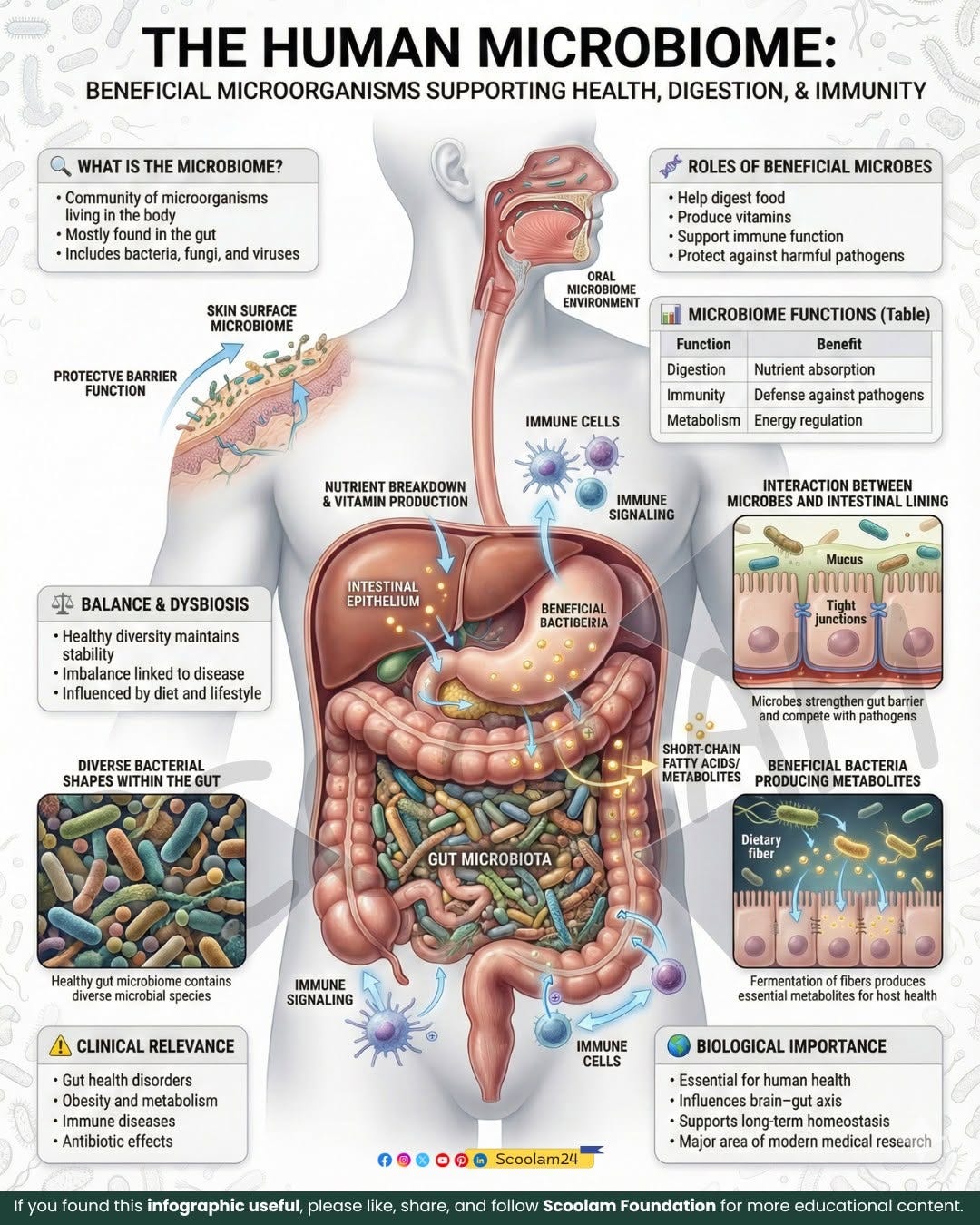
Every time we eat, our gut microbes go to work on substances our own digestive enzymes cannot fully process. Human enzymes are highly efficient at breaking down simple sugars, proteins, and most fats in the small intestine, but a significant portion of our diet—complex plant fibers, resistant starches, polyphenols, and other phytochemicals—passes through largely intact into the colon. There, specialized microbial communities take over, transforming these otherwise indigestible materials into a wide range of beneficial compounds through fermentation and other metabolic processes.
A prime example is the production of short-chain fatty acids (SCFAs) such as butyrate, acetate, and propionate. These small molecules are powerhouse metabolites with far-reaching effects. Butyrate, in particular, serves as the preferred energy source for colon lining cells (colonocytes), helping to maintain a strong, intact gut barrier. It also reduces inflammation both locally and systemically by inhibiting certain pro-inflammatory pathways (such as NF-κB) and promoting the development and function of regulatory immune cells. Key producers include Faecalibacterium prausnitzii (often considered a biomarker of gut health) and species from the Roseburia genus. Significant loss or reduction of these organisms is frequently observed in inflammatory bowel conditions, metabolic disorders, and other chronic diseases.
Beyond providing energy and anti-inflammatory support, gut microbes synthesize or enhance a variety of essential nutrients that our bodies either cannot produce at all or cannot make in sufficient quantities:
Vitamin K2 (menaquinones) — Produced by certain bacteria, this form of vitamin K plays a critical role in directing calcium to bones and teeth while helping prevent its deposition in soft tissues and arteries.
B vitamins (including B1/thiamin, B2/riboflavin, B6, B9/folate, and B12) — Essential for energy metabolism, red blood cell formation, nerve function, and DNA synthesis. Microbial production of these vitamins can be especially important during periods of dietary limitation or increased demand.
Amino acids, enzymes, and bioactive metabolites — Microbes help break down proteins into absorbable forms and produce enzymes that enhance overall nutrient bioavailability. They also generate compounds that support hormone balance, neurotransmitter production, and cellular signaling.
This microbial contribution functions like an internal “second stomach” or auxiliary digestive organ. It dramatically extends our digestive capacity, allowing us to extract far more nutritional value from complex, fiber-rich diets than our human enzymes alone could achieve. This adaptability is one reason humans have thrived on such varied diets across different cultures and environments. The microbes essentially pre-digest and upgrade our food, turning potential waste into usable energy, vitamins, and signaling molecules that benefit the entire body.
When this symbiotic digestive partnership is healthy, we experience better nutrient absorption, stable energy levels, reduced digestive discomfort, and downstream benefits for metabolism, immunity, and even brain function. Disruptions—whether from poor diet, medications, stress, or impaired autonomic signaling—reduce these valuable contributions, leading to less efficient digestion, nutrient shortfalls, and a cascade of downstream effects on the rest of the microbiome and the host.
To illustrate the incredible specialization and healing power of the microbiome, here are ten standout examples of beneficial microbes and their symbiotic contributions:
Lactobacillus rhamnosus GG (LGG) — Produces antimicrobial compounds and supports intestinal barrier integrity. It helps protect against radiation/chemotherapy damage, reduces inflammation, and aids recovery of gut lining after disruption—promoting vagus-mediated healing.
Bifidobacterium longum — Ferments fibers into short-chain fatty acids (SCFAs) like acetate. These fuel colon cells, lower pH to inhibit pathogens, reduce systemic inflammation, and support blood-brain barrier integrity via vagus signaling.
Faecalibacterium prausnitzii — Major butyrate producer. Butyrate is a powerhouse for colonocyte energy, anti-inflammatory effects (HDAC inhibition), gut barrier repair, and Treg cell induction—crucial for resolving chronic degeneration and supporting immune tolerance.
Akkermansia muciniphila — Degrades mucin to strengthen the gut mucus layer. It improves metabolic health, reduces leaky gut, enhances insulin sensitivity, and promotes vagal tone-linked anti-inflammatory pathways.
Lactobacillus reuteri — Produces reuterin (antimicrobial) and oxytocin-stimulating compounds. It aids wound healing, modulates immune responses, supports bone density, and helps regulate stress/anxiety via the gut-brain axis.
Bacteroides thetaiotaomicron — Breaks down complex plant polysaccharides that humans can’t digest. This releases nutrients, supports SCFA production, and trains the immune system for better pathogen recognition and tissue repair.
Roseburia spp. — Butyrate producers that also metabolize toxins. They contribute to colon health, reduce oxidative stress, and help maintain the anaerobic environment needed for beneficial anaerobes to thrive and clear waste.
Saccharomyces boulardii (yeast) — Competes with pathogens like C. difficile, produces enzymes that neutralize toxins, and supports secretory IgA. It stabilizes the microbiome during antibiotic recovery and aids GI healing.
Staphylococcus epidermidis (skin commensal) — Produces antimicrobial peptides that inhibit S. aureus and other pathogens. It helps maintain skin barrier function, modulates local immunity, and prevents infections while supporting wound healing.
Prevotella copri (in balanced contexts) — Assists in breaking down dietary fibers and supports glucose metabolism. In harmony with other species, it contributes to anti-inflammatory metabolite production and overall metabolic resilience.
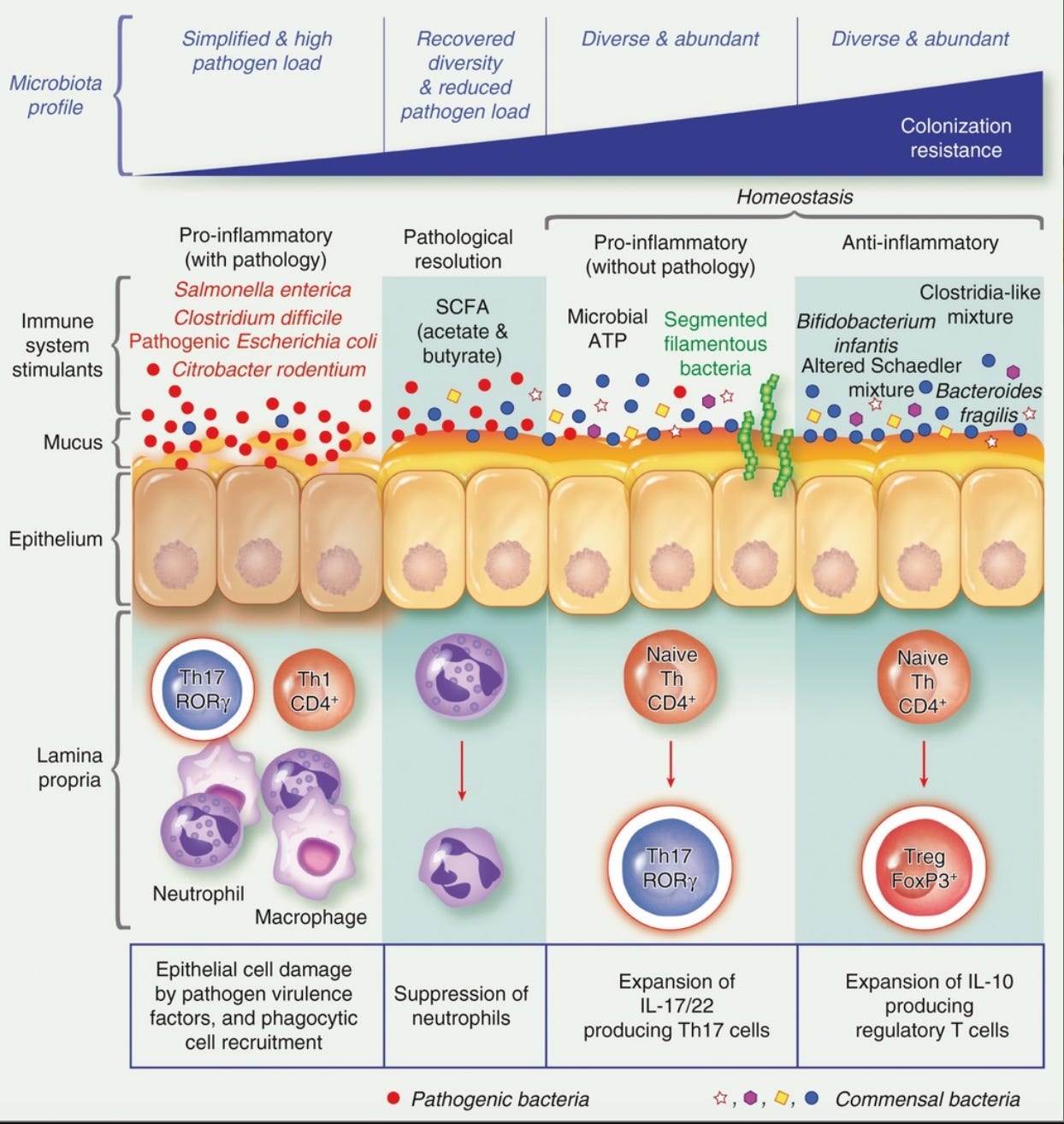
One of the microbiome’s most critical protective roles is colonization resistance—the remarkable ability of resident beneficial microbes to prevent invaders or opportunists from establishing themselves in the body. This is not a passive process but an active, multi-layered defense system that operates across different body sites and relies heavily on microbial diversity and cooperation.
Beneficial species achieve colonization resistance through several complementary mechanisms. They physically occupy attachment sites on mucosal surfaces and skin, making it harder for pathogens to bind. They compete aggressively for limited nutrients and space, effectively starving out potential threats. Many also actively modify their local environment by producing substances that create unfavorable conditions for unwanted microbes—lowering pH through acid production, altering oxygen levels, or secreting antimicrobial compounds known as bacteriocins (natural antibiotics produced by bacteria themselves). Some even form protective biofilms that shield the host while excluding harmful organisms.
Real-world examples illustrate how effective this system can be. On the skin, the common commensal Staphylococcus epidermidis produces specialized molecules that directly inhibit the more dangerous Staphylococcus aureus (a frequent cause of skin infections and more serious conditions like MRSA). At the same time, it helps maintain the skin’s barrier integrity and modulates local immune responses to keep inflammation in check. In the gut, diverse communities of Bifidobacterium, Lactobacillus, and strict anaerobic specialists work together to crowd out potential troublemakers such as Clostridioides difficile or certain strains of Escherichia coli. These beneficial organisms consume key resources, produce inhibitory metabolites, and maintain an environment (low oxygen, acidic pH) that many pathogens find hostile.
This protective variability is one of the microbiome’s greatest strengths. Different species excel at defending against different threats and thrive in different micro-environments (aerobic skin surfaces versus anaerobic regions of the colon, for example). A highly diverse microbiome functions like a well-stocked defense team: if one member is temporarily weakened by diet, stress, or medication, other species can often compensate and maintain overall protection. This redundancy and specialization make the system remarkably robust.
The principle mirrors what we observe in natural ecosystems. Diverse forests with many tree species, understory plants, and soil microbes are far more resistant to invasive species, pests, and diseases than monoculture plantations. Similarly, a rich and varied microbiome provides layered protection that is difficult for any single pathogen to overcome. When diversity drops—due to antibiotics, poor diet, stress, or autonomic disruption from subluxations—this protective capacity weakens. The “defense team” becomes understaffed and less versatile, leaving openings for opportunistic organisms to proliferate and potentially shift from harmless residents to contributors to disease.
Colonization resistance is therefore a dynamic, living shield that depends on the health of the entire ecosystem—including proper neural signaling, nutrient availability, and flow dynamics. When it functions well, it allows us to live in constant contact with microbes while maintaining balance and health. When compromised, it helps explain why some individuals become more susceptible to infections, overgrowth, or chronic inflammatory conditions.
Inside the body, microbes perform a sophisticated form of internal “decomposition” that directly parallels their essential recycling work in external ecosystems. They serve as a distributed cleanup crew, assisting the liver, kidneys, and immune system in breaking down and eliminating a wide range of unwanted substances while preventing the buildup of metabolic debris that could otherwise lead to chronic problems.
Microbes help metabolize and excrete toxins from multiple sources: xenobiotics (foreign compounds from processed foods, medications, environmental pollutants, and personal care products), metabolic waste products generated by our own cells, and cellular debris from normal tissue turnover or injury. Certain bacterial species produce enzymes or metabolites that transform harmful compounds into less toxic or more water-soluble forms that the body can more easily eliminate through urine, bile, or feces. For example, some gut bacteria modify bile acids, which not only aids fat digestion but also plays a key role in binding and excreting fat-soluble toxins. Other microbes help conjugate or break down heavy metals, pesticide residues, and plastic-derived chemicals, reducing their absorption or re-circulation.
This internal decomposition is especially important in tissues. Controlled microbial activity supports the clearance of degenerative material—oxidized proteins, damaged cell components, and inflammatory byproducts—preventing chronic buildup that can lead to fibrosis (scar tissue formation), persistent pain, or impaired organ function. By breaking down these materials, microbes help recycle components back into usable forms or prepare them for safe removal, much like how forest floor microbes turn fallen leaves and dead wood into nutrient-rich humus that supports new plant growth.
The efficiency of this microbial cleanup depends heavily on the body’s broader transport and clearance systems. When lymphatic drainage and blood flow are optimal, waste products are efficiently transported to the liver and kidneys for processing, and microbial metabolites can circulate to exert beneficial effects throughout the body. However, when these systems are compromised—often due to autonomic imbalance from layered subluxations—waste begins to accumulate. Stagnant areas with poor oxygenation, altered pH, and reduced nutrient delivery create environments where beneficial detoxifying microbes struggle, while opportunistic species that tolerate or even thrive in toxic, low-oxygen conditions gain a foothold. This shift can turn helpful decomposition into excessive inflammation or chronic low-grade infection.
In healthy conditions, the microbiome’s role in detoxification and waste removal is a quiet but powerful contributor to regeneration and resilience. It reduces the overall toxic load, supports tissue repair, and maintains the clean internal terrain necessary for optimal cellular function. Disruptions to this process, however, allow waste and toxicity to build, further driving stagnation, degeneration, and vulnerability to microbial imbalance.
From infancy, commensal microbes play a foundational role in “training” the developing immune system. This education begins early—during birth (especially vaginal delivery), skin-to-skin contact, and breastfeeding—and continues throughout life. Microbes interact extensively with the gut-associated lymphoid tissue (GALT), which represents the largest immune organ in the body and serves as a major training ground for immune cells.
The training process is remarkably sophisticated. Beneficial microbes help the immune system learn to tolerate harmless substances (food components, commensal organisms, and environmental antigens) while mounting strong, targeted responses against true threats such as pathogenic bacteria, viruses, or fungi. This education shapes the balance between pro-inflammatory pathways (needed for defense) and regulatory pathways that prevent over-reaction. A key outcome is the development and maintenance of T-regulatory (Treg) cells, which act as the immune system’s peacekeepers. Treg cells help suppress excessive inflammation, promote tolerance, and prevent autoimmune attacks on the body’s own tissues.
Microbial metabolites are central to this ongoing modulation. Short-chain fatty acids (SCFAs) such as butyrate and propionate, produced during fiber fermentation, signal directly to immune cells and promote Treg differentiation. Polysaccharides and other microbial products also interact with pattern recognition receptors on immune cells, fine-tuning responses. These signals help calibrate how aggressively or gently the immune system reacts to different stimuli.
A balanced, diverse microbiome therefore promotes appropriate, measured immune responses rather than chronic low-grade inflammation. This training is not limited to the gut. Immune cells educated in the GALT circulate throughout the body, carrying their learned tolerance and responsiveness to distant sites. Microbial signals also influence systemic immunity through circulating metabolites, cytokines, and even direct neural pathways (including via the vagus nerve). The result is better overall immune coordination that affects everything from allergy risk and autoimmune tendencies to the body’s ability to handle infections and resolve inflammation efficiently.
When this training is disrupted—through reduced microbial diversity, early-life antibiotic exposure, poor diet, or impaired vagal signaling from subluxations—the immune system can become miscalibrated. It may over-react to benign substances (allergies, food sensitivities) or fail to regulate itself properly (autoimmunity, chronic inflammation). Conversely, a well-supported microbiome helps maintain immune resilience and balance across the lifespan, demonstrating once again how deeply interconnected the micro and macro worlds truly are.
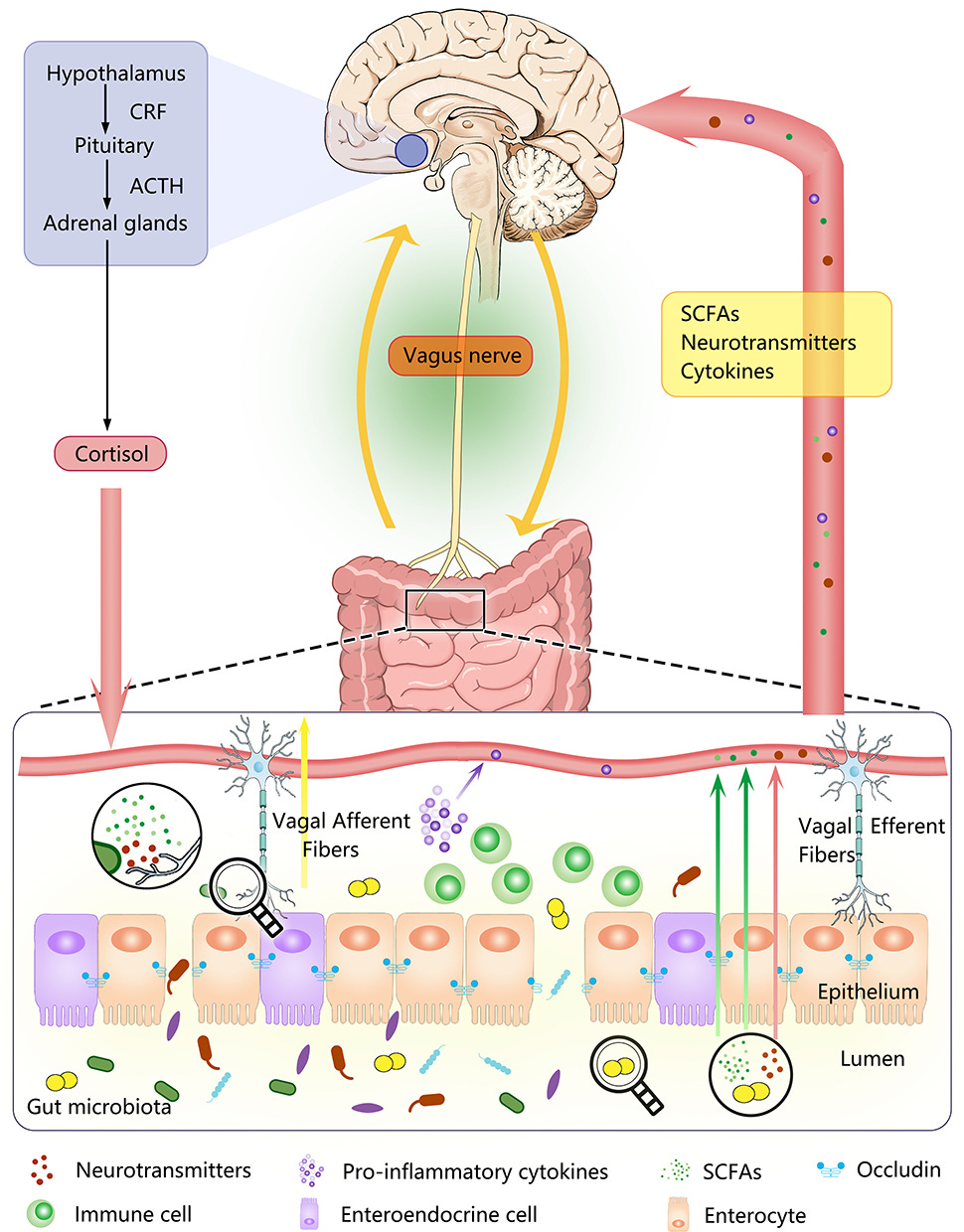
The microbiome does not operate in isolation. It maintains a constant, sophisticated dialogue with the nervous system, particularly through the vagus nerve, the primary highway of the gut-brain axis. This bidirectional communication pathway is one of the most important interfaces between our microbial partners and the rest of the body.
Microbial metabolites serve as key signaling molecules in this conversation. Short-chain fatty acids (SCFAs) such as butyrate, acetate, and propionate—produced during fiber fermentation—directly stimulate vagal afferent nerves. Other compounds, including lactate, bile acid derivatives, and even neurotransmitters or their precursors (such as GABA, serotonin, and dopamine-like molecules), also influence vagal signaling.
These signals travel upward to affect brain regions involved in emotion, stress response, appetite regulation, and autonomic control. The result is measurable influence on mood, anxiety levels, stress resilience, heart rate variability (a key marker of autonomic balance), sleep quality, and systemic inflammation.
This relationship is powerfully bidirectional. On one side, a healthy and diverse microbiome supports parasympathetic (“rest-and-digest”) dominance. Beneficial microbes produce metabolites that enhance vagal tone, promoting relaxation, efficient digestion, better nutrient absorption, reduced inflammation, and tissue repair. This creates optimal conditions for regeneration and long-term health.
Conversely, strong vagal tone helps maintain a favorable internal environment for beneficial microbes by supporting proper gut motility, adequate mucus production, healthy blood flow, and balanced immune surveillance. The two systems reinforce each other in a positive feedback loop when functioning well.
However, when this communication is impaired, the consequences can be far-reaching. Mechanical disruptions—such as layered subluxations affecting the brainstem or cervical spine—can compress or irritate vagal pathways, reducing tone and shifting the body toward chronic sympathetic dominance. Stress (physical, emotional, or chemical) compounds this effect.
The resulting poor vagal signaling leads to slower gut motility, reduced mucus and enzyme secretion, altered blood flow, and a less hospitable environment for beneficial species. Beneficial microbes decline, opportunistic organisms gain ground, and dysbiosis develops. This microbial imbalance then produces metabolites and inflammatory signals that further suppress vagal function and heighten sympathetic activity—creating a vicious cycle.
This gut-brain-vagus-microbiome loop helps explain many chronic conditions. Impaired communication can contribute to digestive disorders, mood imbalances, fatigue, brain fog, heightened pain sensitivity, poor stress recovery, and weakened immune regulation. Because the vagus nerve influences so many organs (heart, lungs, liver, spleen, and gut), the effects are rarely confined to one system.
Over time, the cycle of reduced vagal tone, dysbiosis, inflammation, and stagnation becomes self-perpetuating, making recovery more difficult without addressing the underlying neural and mechanical factors.
In essence, the vagus nerve serves as a critical bridge that allows the micro world and the macro body to stay in harmony. When that bridge functions well, the entire ecosystem flourishes. When it is compromised, the consequences ripple outward, affecting nearly every aspect of health and resilience.
Layered subluxations—accumulated misalignments and compensatory patterns, particularly in the upper cervical region (C1-C2) and throughout the spine—act as significant and often hidden disruptors. These are not single isolated events but stacked layers of trauma and compensation built over years or decades from injuries, repetitive stress, poor posture, birth trauma, sports impacts, emotional/physical overload, or even early-life experiences. Each new layer compounds the previous ones, creating complex geometric patterns of tension and distortion.
Upper cervical subluxations are especially consequential because this area houses critical brainstem structures and the origins of the vagus nerve, the primary pathway of the parasympathetic nervous system. Misalignments here can compress, irritate, or distort neural signaling, leading to:
Dysregulated vagal tone — Reduced parasympathetic activity shifts the body toward chronic sympathetic (“fight-or-flight”) dominance. Digestion slows, inflammation rises, and restorative processes are suppressed.
Imbalanced sympathetic outflow — Over- or under-activation of the sympathetic chain disrupts blood vessel tone, heart rate variability, and organ function throughout the body.
This autonomic imbalance does not remain localized. It creates widespread downstream effects that compound over time.
Vagus nerve inhibition is one of the most far-reaching consequences of layered subluxations. The vagus nerve provides the primary parasympathetic innervation to the gut, heart, lungs, and many immune organs. When its tone is reduced, the body remains biased toward sympathetic dominance. This directly weakens immune function in several ways:
Reduced Cholinergic Anti-Inflammatory Pathway: The vagus normally activates the “inflammatory reflex,” releasing acetylcholine that dampens excessive cytokine release. Inhibition leads to unchecked inflammation and a pro-inflammatory state.
Impaired Gut-Associated Lymphoid Tissue (GALT) Regulation: Vagal signaling helps coordinate immune surveillance in the gut lining. When weakened, the GALT becomes less effective at distinguishing beneficial microbes from threats.
Decreased Secretory IgA and Barrier Support: Vagal tone supports mucus production and secretory IgA. Reduced tone thins this protective layer, increasing permeability.
These immune weaknesses cascade directly into microbiome problems. A chronically inflamed or leaky gut environment favors opportunistic microbes over beneficial ones. Beneficial species decline while more aggressive or resistant organisms proliferate. This dysbiosis further stimulates inflammation, creating a vicious feedback loop: poor vagal tone weakens immunity → dysbiosis worsens → more inflammation → further vagal suppression.
The vagus nerve also provides crucial parasympathetic innervation to the liver. Inhibition here impairs the liver’s ability to perform its detoxification and filtration roles effectively:
Reduced Bile Flow and Phase II Detoxification: Vagal signaling stimulates bile production and release. Poor tone slows bile flow, impairing fat digestion and the excretion of fat-soluble toxins. Phase II conjugation pathways become less efficient under sympathetic dominance.
Impaired Blood Filtration and Metabolic Processing: The liver receives a large portion of its blood supply via the portal vein. Autonomic imbalance reduces optimal perfusion and rhythmic function, slowing the processing of metabolic waste, hormones, and environmental toxins.
When the liver cannot adequately filter and remove waste, toxicity begins to back up in the system. This backup is particularly problematic in flow-dead-zones created by layered subluxations—areas of impaired blood flow, lymphatic drainage, and CSF dynamics. Stagnant tissues in the neck, spine, organs, or extremities become repositories for circulating toxins. These zones experience prolonged exposure to waste products, oxidative stress, and inflammatory mediators that would normally be cleared.
When autonomic control falters, several key physiological processes suffer in interconnected ways:
Impaired Blood Flow and Lymphatic Drainage: Sympathetic overdrive causes vasoconstriction, reducing nutrient and oxygen delivery to tissues (hypoxia). Lymphatic flow slows dramatically. Waste products, inflammatory mediators, and cellular debris are not cleared efficiently.
Reduced Cerebrospinal Fluid (CSF) Dynamics: Restrictions in the upper cervical area impair CSF circulation. This compromises the glymphatic system’s nightly clearance of metabolic waste from the central nervous system.
Disrupted Bioelectric and Regenerative Signals: Subluxations and poor autonomic tone interfere with piezoelectric currents and bioelectric fields, slowing stem cell activity, tissue repair, and cellular communication.
The result is tissue stagnation—regions of low oxygen, acidosis, buildup of waste and toxins, and reduced regenerative capacity. These stagnant zones become ideal breeding grounds for opportunistic microbes. Beneficial symbiotic species decline. More resilient or pathogenic organisms gain the upper hand, often acquiring advantageous traits through horizontal gene transfer. The resulting dysbiosis produces additional inflammatory compounds and toxins, which further impair immune function and autonomic regulation.
The combined effects of vagus inhibition, immune weakening, liver dysfunction, and flow impairment powerfully amplify tissue stagnation. In these compromised zones, microorganisms shift roles from symbiotic partners to opportunistic actors. Three overlapping but distinct outcomes commonly emerge:
Accommodation: Some microbes adapt to the stagnant conditions, filling metabolic niches left vacant by declining beneficial species. They may help break down accumulated debris in ways that temporarily prevent even worse buildup.
Dealing with the Load: Other species proliferate in response to the excess waste and toxins, attempting to metabolize or sequester harmful compounds. This can appear as “infection” but often represents an adaptive effort to process what the liver, lymphatics, and immune system can no longer handle efficiently.
Opportunistic Proliferation and Pathogenesis: When conditions remain chronically unfavorable, more aggressive or resistant organisms take advantage of the weakened barriers, suppressed immunity, and nutrient-rich stagnation. This leads to outright infections, chronic low-grade inflammation, and further tissue damage.
In all cases, the proliferation is secondary—a downstream consequence of the primary failures in autonomic regulation, filtration, drainage, and regeneration. The microbes are responding to the altered terrain created by layered subluxations and vagus inhibition. This explains why symptoms can be so varied and persistent: the body is attempting to compensate through microbial means when its built-in systems are compromised.
The longer these layered disruptions persist, the more entrenched the stagnation, immune dysregulation, liver burden, dysbiosis, and degeneration become. What starts as a mechanical issue in the spine evolves into widespread systemic vulnerability.
Bacteria possess an extraordinary ability to share genetic material rapidly through horizontal gene transfer (HGT)—a process that allows them to exchange DNA not only with closely related strains but often across entirely different species, genera, or even broader taxonomic groups. Unlike vertical inheritance (passing genes only to offspring through reproduction), HGT enables “horizontal” sharing via three main mechanisms: conjugation (direct cell-to-cell transfer through a pilus, often involving plasmids), transformation (uptake of free DNA from the environment), and transduction (virus-mediated transfer). In the incredibly dense and diverse “melting pot” of the human gut—where trillions of microbes live in close proximity with high rates of cell contact and free DNA—these processes occur at accelerated rates.
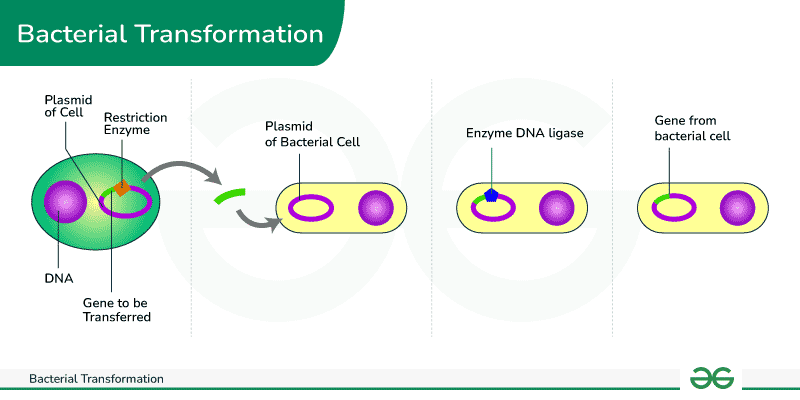
This genetic sharing confers remarkable possibilities for adaptation and survival. Genes encoding entirely new metabolic pathways can spread rapidly, allowing recipient bacteria to break down previously indigestible compounds in the diet (such as novel plant fibers or food additives). Genes for toxin resistance, heavy metal detoxification, acid or bile tolerance, or enhanced biofilm formation can be acquired in a single event, instantly boosting survival in challenging conditions. Stress-tolerance genes (for temperature shifts, oxidative stress, or antibiotic exposure) can likewise be transferred, enabling whole communities to adapt to environmental pressures far faster than would be possible through random mutation alone.
The implications for both microbes and their human host are profound. In a healthy microbiome, HGT predominantly supports resilience and beneficial functions. For example, bacteria that acquire genes for efficient fiber fermentation can produce more short-chain fatty acids, benefiting colon health and systemic anti-inflammatory effects. Detoxification genes can help neutralize dietary toxins or environmental pollutants, reducing the overall burden on the liver and immune system. Local and seasonal microbial communities can quickly share traits that help the host adapt to regional challenges—such as pollen seasons, seasonal dietary shifts, or exposure to local water contaminants. This real-time adaptability turns the gut into a dynamic laboratory of survival, where capabilities are transferred between organisms like tools in a shared workshop, allowing the entire ecosystem to respond to change without waiting for slow evolutionary processes.
Even in more extreme situations, HGT demonstrates the microbiome’s ingenuity. During periods of dietary change, antibiotic exposure, or toxin influx, bacteria that survive can “lend” their genetic solutions to neighboring species, preventing total collapse of the community and maintaining some level of functionality for the host. This sharing can occur across body sites as well—genes acquired in the oral cavity or on the skin sometimes make their way to the gut or vice versa through swallowed microbes or systemic circulation.
While HGT can spread problematic traits (such as antibiotic resistance or enhanced virulence factors) under dysbiotic conditions—especially when diversity is low and selective pressure is high—in a healthy, diverse ecosystem it predominantly supports resilience and beneficial functions. The same mechanism that allows rapid adaptation to new foods or stressors also helps maintain balance and recovery potential. This extraordinary genetic flexibility is one reason why diverse, well-supported microbiomes are so robust: they are not static collections of species but living, communicating networks capable of sharing survival strategies in real time.
By appreciating HGT, we gain a deeper understanding of how the micro world sustains the macro world. Microbes do not merely coexist with us—they actively evolve together, transferring capabilities that enhance collective survival and, by extension, our own health and adaptability.
Some microbes demonstrate remarkable abilities under extreme stress. Strains such as Lactobacillus rhamnosus GG have been shown to protect intestinal tissues from radiation-induced damage by modulating immunity, reducing inflammation, and supporting barrier repair. Historical applications of Lactobacillus preparations following the Chernobyl disaster illustrated how targeted microbial support could aid recovery from radiation exposure by protecting bone marrow, reducing cell damage, and supporting overall resilience.
These examples highlight the microbiome’s capacity to help the body handle modern environmental challenges, from pollutants to medical therapies.
The human microbiome is not static. It responds to our choices, environment, seasons, and health status. Supporting it through proper spinal alignment, vagal tone, diverse whole foods, and minimal unnecessary disruption allows these microbial partners to perform their life-sustaining roles optimally. When the ecosystem thrives, so does the host—demonstrating once again how the micro world is designed to sustain and heal the macro world.
Yet in our modern world, this delicate balance faces constant pressure. While the human microbiome is remarkably resilient, several hallmarks of contemporary life unintentionally undermine this vital partnership.
These disruptors—many introduced with good intentions—reduce microbial diversity, impair symbiotic functions, and create conditions for stagnation, dysbiosis, and chronic disease. Understanding them helps us make more informed choices and appreciate why a root-cause approach (addressing autonomic and spinal health alongside supportive nutrition) is so powerful.
Antibiotics represent one of medicine’s greatest achievements. In cases of acute overwhelming infection—such as sepsis when microbes breach into the bloodstream amid suppressed immunity from layered subluxations, poor vagal tone, or lymphatic stagnation—they can be truly lifesaving. By rapidly reducing the pathogen load, they buy critical time for the body to recover and for medical support to take effect.
However, their broad-spectrum action is a blunt instrument. Most antibiotics do not target only the “bad” bacteria; they kill large swaths of beneficial species across the body, especially in the gut. This leads to several downstream problems:
Loss of Diversity: Beneficial keystone species decline sharply. The rich variability that provides colonization resistance, nutrient production, and detoxification capacity is diminished.
Rise of Resistant Organisms: Surviving bacteria, or newly introduced ones, face reduced competition. Horizontal gene transfer (HGT) accelerates the spread of resistance genes.
Impaired Core Functions: Digestion, detoxification, immune training, and vagus signaling suffer.
Long-Term Effects: Dysbiosis can persist for months or years.
Antibiotics treat the symptom but do not heal the root—impaired flow, drainage, and neural control.
A massive, often overlooked contributor to microbial disruption occurs upstream in our food system. Approximately 70-80% of antibiotics used in the United States (and similarly high percentages globally) are administered not to treat sick people, but to livestock and poultry raised for meat, dairy, and eggs.
Routine Use in Animal Agriculture:
Growth Promotion and Disease Prevention: Low doses of antibiotics are frequently added to feed or water to accelerate weight gain and prevent outbreaks in crowded, often stressful confinement conditions (concentrated animal feeding operations or CAFOs). This practice selects for resistant bacteria in the animals’ guts.
Environmental Spread: Resistant bacteria and antibiotic residues are excreted in manure, which is then applied to croplands. Runoff contaminates water sources. Soil and water microbiomes are altered, and resistance genes spread through HGT across environmental bacteria.
Direct Impact on Consumers: Residues remain in meat, milk, and eggs (even if below regulatory limits). More importantly, people consuming these products ingest resistant strains or genes that can transfer to their own gut microbiome. Studies show correlations between agricultural antibiotic use and increased resistance in human pathogens.
This creates a feedback loop: agricultural antibiotics drive widespread resistance, which makes human infections harder to treat, leading to more aggressive antibiotic prescriptions—further damaging individual microbiomes. The result is a population-level reduction in microbial diversity and resilience, compounded by the stagnation from subluxations and poor autonomic control.
Heat treatment of raw milk and chemical sanitization of produce kill many beneficial strains that would naturally reseed our microbiomes. We lose variable, locally adapted microbes that support seasonal and environmental needs. Combined with residues from agricultural antibiotics, our food supply delivers fewer supportive microbes and more selective pressure favoring resistance.
For most of human history, the foods we consumed came with their own living microbial communities. Raw milk naturally contains a diverse array of lactic acid bacteria (including various Lactobacillus and Bifidobacterium species), yeasts, and other organisms that help initiate digestion, support gut barrier function, and contribute to immune training. Traditional fermentation processes further amplified these benefits, creating foods rich in live cultures and bioactive metabolites. These microbes acted as daily inoculants, helping to replenish and diversify the intestinal and skin microbiomes while delivering strains finely tuned to local environments and seasonal changes.
Pasteurization, developed to reduce harmful pathogens, fundamentally alters this natural delivery system. The heating process destroys most heat-sensitive beneficial bacteria, yeasts, and enzymes. While it improves safety and shelf life, it leaves milk largely sterile from a microbial standpoint. Similarly, modern produce is often subjected to vigorous washing with sanitizing agents, irradiation, or protective coatings designed to extend shelf life and reduce spoilage. These practices strip away the diverse surface microbiome that plants naturally harbor from healthy soil and air.
The loss is more significant than it first appears. Locally adapted microbial strains—those shaped by regional soils, climates, water sources, and native plants—provide tailored support. They help the body adjust to local pollens, seasonal allergens, or environmental toxins. Without regular exposure to these variable strains, the microbiome loses resilience and adaptability. When combined with residues from agricultural antibiotics (which exert selective pressure favoring resistant organisms), the modern food supply creates a double negative: fewer beneficial inoculants arriving daily and an increased presence of resistance genes that can transfer into our own gut bacteria via horizontal gene transfer. The result is a gradual erosion of microbial diversity that makes repopulation after illness or antibiotic use much more difficult.
Ultra-processed foods, chronic stress (amplified by poor vagal tone), and chemical exposures (including pesticides that further disrupt soil and gut microbes) reduce diversity. The result is increased susceptibility to infections, and chronic conditions.
The average modern diet compounds these issues dramatically. Ultra-processed foods are typically high in refined sugars, industrial seed oils, emulsifiers, artificial additives, and low in diverse fiber. These formulations preferentially feed opportunistic bacteria while starving the fiber-fermenting species that produce beneficial short-chain fatty acids. Emulsifiers, in particular, have been shown to thin the protective mucus layer in the gut, increasing permeability and allowing bacterial products to trigger systemic inflammation. The lack of phytochemical diversity from varied whole plants further limits the substrates available for beneficial microbes.
Chronic stress, often intensified by already compromised vagal tone from spinal issues, adds another layer of disruption. Elevated cortisol and sympathetic dominance alter gut motility, reduce blood flow to digestive organs, change mucus composition, and directly inhibit the growth of many beneficial species. Over time, this shifts the microbial community toward more inflammation-promoting organisms.
Chemical exposures complete the assault. Pesticides and herbicides used in conventional agriculture (such as glyphosate) can inhibit key enzymes in both plants and microbes, reducing the diversity of soil organisms that ultimately influence our food and our gut. Plastic-derived compounds, heavy metals, air pollutants, and household chemicals exert selective pressure—many beneficial microbes are sensitive, while certain resistant or pathogenic strains tolerate them better. The cumulative effect is a steady decline in microbial diversity across populations, which correlates strongly with rising rates of autoimmune conditions, metabolic disorders, digestive diseases, and impaired resilience to infections.
The intricate dance between the micro world and the macro world reveals a profound truth: we are not solitary beings but participants in a beautifully designed, interdependent system. Microorganisms are not optional extras or constant threats—they are essential partners that recycle nutrients in ecosystems, power digestion and detoxification in our bodies, train our immune systems, adapt rapidly through horizontal gene transfer, and support regeneration when conditions allow. When this partnership thrives, so do we. When it is disrupted by layered subluxations, autonomic imbalance, antibiotics, processed foods, or environmental pressures, stagnation, dysbiosis, and degeneration follow.
A key pathway to breaking these cycles lies in restoring proper vagus nerve tone and overall autonomic balance. The Master Reset approach—precise, gentle, order- and vector-specific adjustments guided by reflexive testing such as the YES Test—systematically unwinds layered subluxations. By addressing the oldest compensatory patterns first and following the natural geometric and chronological sequence of the body’s adaptations, this method helps release restrictions in the upper cervical region and throughout the spine.
As alignment is restored, neural compression and irritation decrease. This unlocks improved electrical communication along the brainstem and vagus nerve pathways, re-establishing parasympathetic dominance. Vagal tone strengthens, shifting the body away from chronic sympathetic overdrive and back toward “rest-and-digest” physiology. The results are far-reaching: better blood flow and lymphatic drainage, enhanced CSF dynamics, normalized bioelectric signaling, and reactivation of the body’s innate regenerative capacity.
With restored autonomic regulation, tissues receive consistent oxygen and nutrients while waste is more efficiently cleared. The liver, gut, and immune system regain better coordinated support. Flow-dead-zones dissolve, reducing the stagnant environments that favor opportunistic microbes. Beneficial species can once again thrive, performing their symbiotic roles in digestion, detoxification, immune modulation, and tissue repair. The vicious cycles of inflammation, dysbiosis, and degeneration lose their fuel as the CNS regains regulatory control over the body’s internal ecosystem.
This restoration of neural communication and regulatory control does not merely alleviate symptoms—it reactivates the body’s built-in capacity for self-healing. The micro world and macro body can return to harmonious partnership, where microorganisms support regeneration rather than merely managing degeneration.
The good news is that we can actively support this relationship through everyday choices. One of the most direct and powerful ways is by reintroducing living, unrefined foods that naturally carry diverse microbial communities. Raw milk (when safely sourced from healthy, pasture-raised animals), traditionally fermented foods (sauerkraut, kefir, kimchi, yogurt, miso, and others), fresh, minimally washed produce, and other whole foods deliver variable strains of beneficial bacteria, yeasts, and their metabolites directly to our systems. These living foods act as daily inoculants, helping repopulate the gut, skin, and other sites with locally and seasonally adapted microbes that our modern, sterilized food supply often lacks.
The benefits of this approach are multifaceted and compounding:
Enhanced Microbial Diversity and Resilience: Regular intake of unrefined and fermented foods restores variability, strengthening colonization resistance and making the microbiome more adaptable to stress, dietary changes, or environmental challenges.
Improved Digestion and Nutrient Absorption: Live microbes and their enzymes help break down complex foods, produce SCFAs, synthesize vitamins (including K2 and B vitamins), and increase overall bioavailability of nutrients.
Better Detoxification and Waste Clearance: Diverse microbes assist in transforming and eliminating toxins, reducing the burden on the liver and kidneys while supporting clearance in tissues.
Stronger Immune Function and Balance: Repopulated beneficial species improve immune training, increase regulatory cells, and help prevent both over-reaction (allergies, autoimmunity) and under-reaction to real threats.
Support for Vagus Nerve and Systemic Health: Microbial metabolites enhance vagal signaling, promoting parasympathetic dominance, better stress resilience, and reduced inflammation.
Accelerated Regeneration and Reduced Stagnation: A restored microbiome works synergistically with improved autonomic flow to clear degenerative material and support tissue repair.
By choosing foods that still carry the living microbial legacy of healthy soil, traditional preparation, and minimal processing, we honor the natural design that has sustained humanity for generations. These simple, ancestral practices—combined with attention to spinal health and reduced unnecessary disruptors—help rebuild the internal ecosystem so that beneficial microorganisms can once again perform their life-sustaining roles: decomposing what no longer serves, recycling nutrients, defending against opportunists, and partnering in healing and vitality.
We began this journey by confronting how microbes have been demonized for generations—as dangerous enemies to be feared and destroyed. Yet as we have seen, the truth is far more hopeful and empowering. These same organisms we were taught to view as villains are in reality essential, life-sustaining partners. By shifting our perspective and actively supporting them, we move from a fear-based approach to one of partnership and stewardship.
In the end, the micro world was made to help the macro world thrive. By consciously supporting this ancient partnership through unrefined foods, raw milk, fermented traditions, and microbial diversity, we move toward greater resilience, fewer chronic issues, and a deeper appreciation of the elegant, interconnected design of life. The invisible partners are ready to help—if we create the conditions for them to flourish.
McGuire KL, Treseder KK. Microbial communities and their relevance for ecosystem processes. Soil Biol Biochem. 2010. https://www.sciencedirect.com/science/article/abs/pii/S0038071709004313
Wu H, et al. Unveiling the crucial role of soil microorganisms in carbon cycling. Sci Total Environ. 2024. https://www.sciencedirect.com/science/article/abs/pii/S0048969723072558
Schoolam Foundation. (2026, June). What if your body is not just human but a whole ecosystem of microbes?... Facebook. https://www.facebook.com/scoolam24/posts/what-if-your-body-is-not-just-human-but-a-whole-ecosystem-of-microbesthe-human-m/122215199330332298/
Fusco W, et al. Short-Chain Fatty-Acid-Producing Bacteria. Nutrients. 2023. https://www.mdpi.com/2072-6643/15/9/2211
Blaak EE, et al. Short chain fatty acids in human gut and metabolic health. Benef Microbes. 2020. https://pubmed.ncbi.nlm.nih.gov/32865024/
Caballero-Flores G, Pickard JM, Núñez G. Microbiota-mediated colonization resistance. Nat Rev Microbiol. 2023. https://www.nature.com/articles/s41579-022-00833-7
Deng L, et al. Colonization resistance: the role of gut microbiota in preventing Salmonella invasion. Gut Microbes. 2024. https://www.tandfonline.com/doi/full/10.1080/19490976.2024.2424914
General support: Cryan JF, et al. The Microbiota-Gut-Brain Axis. Physiol Rev. 2019. https://journals.physiology.org/doi/full/10.1152/physrev.00018.2018 (covers microbial metabolism)
Belkaid Y, Hand TW. Role of the microbiota in immunity and inflammation. Cell. 2014. https://pmc.ncbi.nlm.nih.gov/articles/PMC4056765/
Round JL, Mazmanian SK. The gut microbiota shapes intestinal immune responses during health and disease. Nat Rev Immunol. 2009. https://www.nature.com/articles/nri2515
Han Y, et al. Vagus Nerve and Underlying Impact on the Gut Microbiota-Brain Axis. J Inflamm Res. 2022. https://www.dovepress.com/vagus-nerve-and-underlying-impact-on-the-gut-microbiota-brain-axis-in--peer-reviewed-fulltext-article-JIR
Bonaz B, et al. The Vagus Nerve at the Interface of the Microbiota-Gut-Brain Axis. Front Neurosci. 2018. https://www.frontiersin.org/articles/10.3389/fnins.2018.00049/full
Cryan JF, et al. The Microbiota-Gut-Brain Axis. Physiol Rev. 2019. https://journals.physiology.org/doi/full/10.1152/physrev.00018.2018
Pavlov VA, Tracey KJ. The vagus nerve and the inflammatory reflex—linking immunity and metabolism. Nat Rev Endocrinol. 2012;8(12):743-754. https://doi.org/10.1038/nrendo.2012.189
Direct link: https://onlinelibrary.wiley.com/doi/10.1111/j.1365-2567.2012.03616.xHan Y, Wang B, Wang L, et al. Vagus nerve and underlying impact on the gut microbiota-brain axis in health and disease. J Inflamm Res. 2022;15:5987-6006. https://doi.org/10.2147/JIR.S384949
Full text: https://www.dovepress.com/vagus-nerve-and-underlying-impact-on-the-gut-microbiota-brain-axis-in--peer-reviewed-fulltext-article-JIR
de Sousa JM, et al. Horizontal gene transfer among host-associated microbes. Cell Host Microbe. 2023. https://www.cell.com/cell-host-microbe/fulltext/S1931-3128(23)00122-1
Lerner A, et al. Potential Effects of Horizontal Gene Exchange in the Human Gut. Front Immunol. 2017. https://www.frontiersin.org/articles/10.3389/fimmu.2017.01630/full
Ciorba MA, et al. Lactobacillus probiotic protects intestinal epithelium from radiation injury. Gut. 2012. https://gut.bmj.com/content/61/6/829
Zhang LL, et al. Lactobacillus rhamnosus GG alleviates radiation-induced intestinal injury. Microbiol Res. 2024. https://pubmed.ncbi.nlm.nih.gov/38941923/
__________________________________________________________________________ VERY HELPFUL
To make an appointment with me, or a Master Reset / Y.E.S. Test Certified doc:
With Dr C in the DFW / Texas: Click this link to SCHEDULE
Offices in Southlake, Texas (DFW Metro) and Stephenville, Texas
Other docs located in Kansas, Florida, North Carolina, Arizona, California, Wisconsin, Washington, Ontario Canada, and Australia: Click this
Help us share this knowledge to the world!!
Tell a friend!
Thanks for reading Dr. C's Health and Wellness! This post is public so feel free to share it.
Comments
Nothing yet. Say the first thing.
Sign in to join the conversation.