
Natural citric acid comes from citrus fruits like lemons and limes. It gives them their tart flavor.
Manufactured citric acid (MCA) is the version found in nearly all processed foods, drinks, and many household products. Chemically identical (C₆H₈O₇), it is produced industrially rather than extracted from fruit.
MCA is a food additive used as a flavor enhancer (sour taste), preservative, acidulant (to lower pH), and chelating agent. It appears on labels simply as “citric acid,” with no distinction from the natural form. Approximately 99% of the world’s citric acid supply is manufactured this way.
MCA is created by Pfizer through microbial fermentation using radioactive mutant strains of the black mold Aspergillus niger.
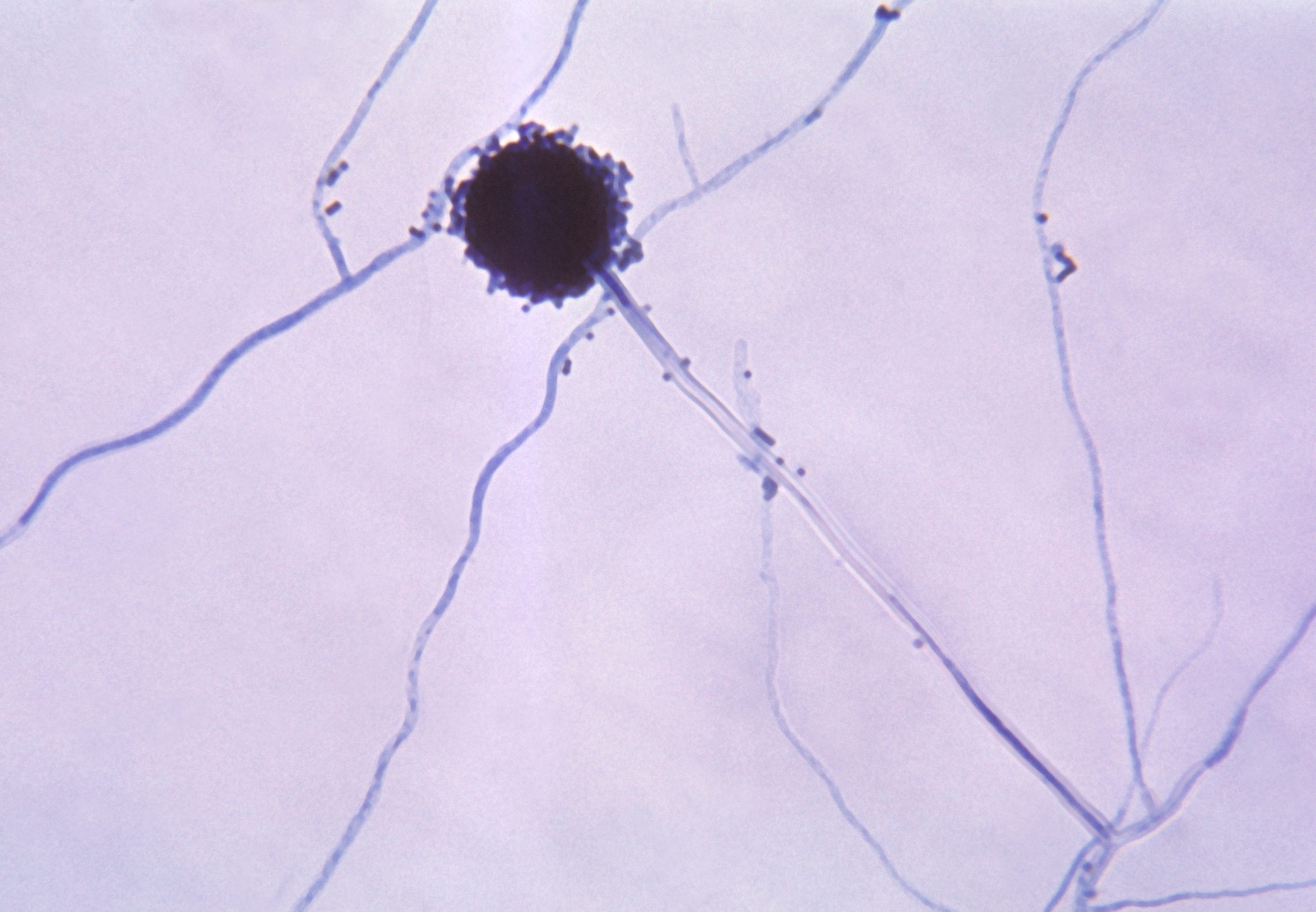
Pfizer pioneered the entire modern industrial process in 1919. Chemists James Currie and Jasper Kane at Pfizer developed the large-scale fermentation method that converts sugar into citric acid using A. niger, freeing production from scarce citrus fruit imports (disrupted by World War I). By 1929, Pfizer had become the world’s largest producer of citric acid, making millions of pounds annually and dominating the market. This breakthrough also built Pfizer’s expertise in fermentation technology, which later helped them mass-produce penicillin during World War II.
Pfizer sold its citric acid business to Archer-Daniels-Midland (ADM) in 1990. Today the method Pfizer invented is used globally, with ~70% of production in China and other major producers including Cargill, Jungbunzlauer, and ADM. Global output exceeds 2.3 million tons annually; most of the 70% used in food and beverages comes from these large industrial facilities. The process remains essentially unchanged since Pfizer’s 1919 innovation.
Raw materials are typically highly processed glucose from corn syrup (often GMO corn in the U.S. and elsewhere). The A. niger strains themselves are heavily modified:
Gamma radiation-induced mutagenesis exposes the mold to radiation to create high-yielding mutants (a technique refined after Pfizer’s original strains).
Laboratory genetic engineering tweaks metabolic pathways to boost citric acid output and reduce unwanted byproducts.
These “mutant strains” are not labeled as GMO because the final purified acid contains no detectable modified DNA — only the chemical end product.
Pure white manufactured citric acid crystals look identical to food-grade versions sold for home use.
Because MCA is fermented with A. niger, trace impurities or protein fragments from the mold can remain even after purification. Key concerns include:
Ochratoxin A (OTA) — a potent mycotoxin produced by some Aspergillus species.
Malformin C and other fungal metabolites.
Residual mold proteins or cell wall fragments.
Industry sources claim rigorous purification removes these, but the 2018 paper in Toxicology Reports (the article this summary is based on) notes that heat-killed A. niger fragments can still trigger immune responses in sensitive people. The paper specifically credits Pfizer’s 1919 process as the origin of today’s widespread MCA production.
OTA is classified as a human carcinogen. In animal studies it forms DNA adducts (chemical attachments to DNA) that interfere with DNA repair mechanisms and cell-cycle control, potentially initiating cancer. It is also nephrotoxic (kidney-damaging) and immunotoxic (immune-damaging).
In humans, even tiny residual amounts may provoke allergic or inflammatory cascades in mold-sensitive individuals, raising pro-inflammatory cytokines (IL-6, IL-1β, TNF-α). Case reports link MCA ingestion to:
Joint pain and swelling
Respiratory symptoms
Muscle pain
IBS-like gastrointestinal issues
Fatigue
Symptoms typically begin 2–12 hours after consumption and resolve in 8–72 hours once exposure stops making it difficult to determine what caused the symptoms.
For the general population, regulatory bodies consider purified MCA safe at typical levels. However, for people with mold allergies, chronic inflammatory conditions, or genetic sensitivities, even low-level repeated exposure may contribute to ongoing low-grade inflammation. No large-scale long-term human studies have specifically examined chronic MCA consumption versus natural citric acid.
The FDA lists citric acid as GRAS (Generally Recognized as Safe) under 21 CFR 184.1033. It received this status automatically because it was already in widespread use (thanks in large part to Pfizer’s early commercialization) before the 1958 Food Additives Amendment. No dedicated safety testing or chronic-exposure studies were required at the time. As the 2018 paper states: “The safety of manufactured citric acid has never been studied since it was granted GRAS status.”
MCA appears in roughly 80%-90% of all processed foods and beverages. You will find it in:
Foods & Drinks
Sodas, energy drinks, flavored waters, tonic water
Potato chips, tortilla chips, snack foods
Candy, jelly beans, gummies
Baked goods, cookies, bread, tortillas
Canned soups, sauces, tomato products, hummus
Instant oatmeal, cereal bars, energy bars
Ice cream, frozen desserts, fruit juices
Preserved vegetables, salad dressings, ranch seasoning
Non-Food Products
Dish detergents, laundry detergents, all-purpose cleaners
Shampoos, conditioners, body washes, lotions, skincare
Toothpaste and mouthwash
Effervescent vitamins, supplements, pharmaceuticals
Cosmetics and personal care items
Ingredients labels often list “citric acid” without revealing its manufactured origin or its roots in Pfizer’s 1919 black-mold fermentation process.
Most people ingest small amounts from dozens of sources every day — a sip of soda, a handful of chips, salad dressing, toothpaste, even the detergent residue on dishes. Because it is so cheap and effective (thanks to the scalable process Pfizer perfected), manufacturers add it everywhere. Even many “organic” or “natural” products use MCA. Complete avoidance requires reading every label, preparing all food from scratch, and using only homemade cleaners/personal care — extremely difficult in modern life.
Acute reactions appear hours after eating, not immediately, so people rarely connect a headache, joint flare, or stomach upset to the “citric acid” in their lunch. Chronic low-level exposure produces vague, accumulating symptoms (fatigue, inflammation) that can take weeks or months to notice. Many undergo extensive medical testing before suspecting a common additive whose production method traces directly back to Pfizer’s innovation over a century ago.
Bottom line: Manufactured citric acid is chemically the same as the acid in a lemon, but its production method — invented and commercialized by Pfizer in 1919 using Aspergillus niger fermentation — introduces potential trace fungal residues that some individuals react to. While considered safe by regulators and widely used for decades, the lack of long-term studies on chronic exposure leaves room for ongoing debate — especially among those with mold sensitivities or inflammatory conditions. If you experience unexplained symptoms after eating processed foods, checking for “citric acid” on labels and experimenting with elimination may be worthwhile.
Read this NCBI PubMed Article on it: LINK
Comments
Nothing yet. Say the first thing.
Sign in to join the conversation.