
My husband and I celebrated our 10th anniversary this week. In 2016, we got married at age 30, so yep, we’re both 40 now (I will be in August). And while most of our peers have been married much longer than we have, we’ve learned a lot in this past decade together.
I don’t talk a lot about my marriage in my work, unless it’s to provide examples of how we live out egalitarianism in our relationship. Unlike some of the couples I know who are therapists and run practices together or co-write books together, my husband is not my partner in my work. He is accountant by day and a devoted father and husband.
He is, however, my partner in life. I said in the acknowledgements section of my book that my work is possible because of his partnership. We’ve always had a non-traditional arrangement with work and household and childcare responsibilities. By “stepping into his full power in the home”, he has enabled me to “step into my full power in the world” so I can run a practice, write books, and travel to speak. We occupy different worlds in our jobs, but his partnership in our home and family enable me to have the career I have. As someone who was told in various ways that the man’s career is most important, it is refreshing to have a partner who truly prioritizes our family and my career.
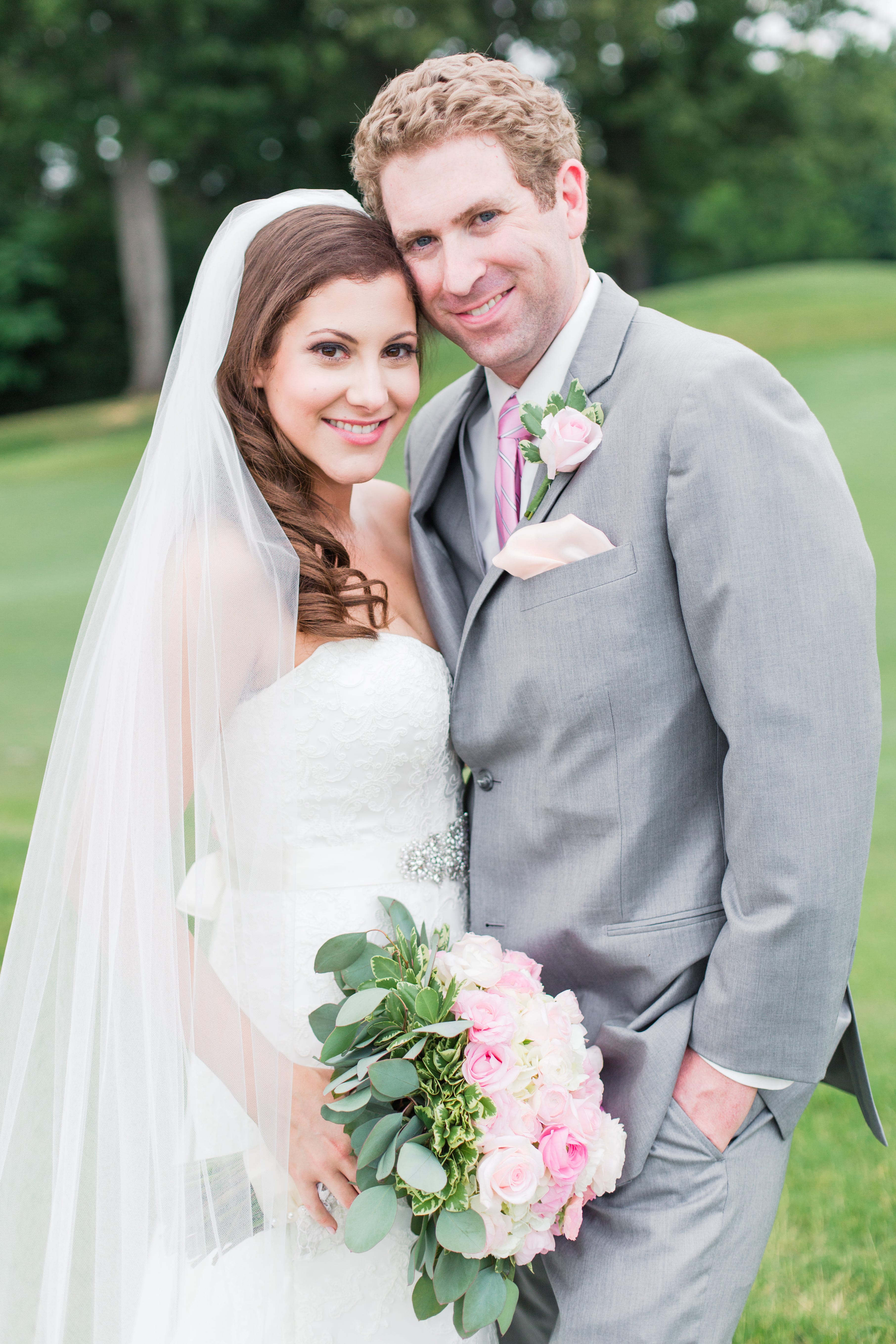
I’ve been a couples therapist longer than a wife, having specialized in couples therapy in my doctoral program and writing my dissertation on relational grace in marriage. In honor of my 10th anniversary, I wanted to share the ten best pieces of marriage advice I’ve learned in this decade as a wife and the 15+ years as a couples therapist.
I would love to hear your best marriage advice, too! Please leave a comment and share how long you’ve been married and the best advice you have. Bonus points for sharing the worst advice you ever heard!
I learned in my training in Gottman marriage therapy that 69% of problems in a relationship are unsolvable, perpetual problems. That means less than 1/3 are solvable. This encourages us to lean into giving grace and practicing acceptance. For example, there are many things about our extended family members that I wish were different. Or ways my husband’s family communicates that I don’t prefer. Often—especially in our early years of marriage—I tried to change this or I got my feelings hurt about it. Now, I try to practice acceptance.
When I was in grad school, they showed us a chart of marital satisfaction and how people’s ratings nose dive when they have their first kid—and never recover to the level it was before kids. Although, thankfully, satisfaction can go up in the empty nest years when there is more time and energy to focus on the marriage. We didn’t wait long to have kids due to our age, so we only had two years before we became parents. It is incredibly stressful and challenging on a marriage. Most of my clients are in a similar life stage as I am and I can empathize with their challenges!
Everything I’ve learned, researched, studied, and practiced as a sex therapist and purity culture expert has led me to believe that frequency is not the best predictor of sexual fulfillment in a marriage—overall satisfaction is. It’s quality over quantity. Mutuality, intimacy, pleasure, fruitfulness, and being shame-free (the five qualities of faithful sexuality I identified in my book, Recovering from Purity Culture) are what we should focus on, not an arbitrary number of times. Frequency varies based on age, health, stage of life, stress, fatigue, and many number of factors. But regular times of connection (which doesn’t even have to be sexual) keep the intimacy alive.
As I said, I wrote my dissertation on grace in marriage, so I thought I had a good grasp on the importance of giving grace (an unearned gift) and forgiveness. But it was only a few months into marriage that the daily necessity of forgiveness hit me. Repair wasn’t modeled well in my family of origin, and even in friendships, I have struggled to forgive and repair after being hurt. But in marriage, it’s a requirement—or intimacy suffers. There are nuances to this, of course; not all forgiveness requires reconciliation or continued relationship. But in my marriage, we hurt each other in small ways and must repair if we want our connection to grow.
You’re not done dating when you get married. It’s been said that you will be married to many people over the course of your life because of how you both change. As I look back on who I was in 2016, I know my life and my identity have undergone radical transformations as I’ve become a mother, changed careers a couple times, and my faith has continued to shift. In a long-term partnership, we have to commit to growing together, not just separately, and to keep learning each other.

I say this to every couple I work with: you have to be willing to admit what you’re contributing to the marriage and what you need to work on or change. I struggle with this myself, of course. Especially as a marriage therapist, it’s tempting for me to assume that I am absolved of responsibility in my own marital conflicts. After all, I used “I statements” and avoided the 4 horsemen! But marriage has allowed me to see how my attachment style, in particular, contributes to the cycles we get into. I’m the only one I can control (believe me, I’ve tried to force my husband to change), so my energy is best spent on working on myself.
If you asked me what’s the one quality I need to look for in a partner, I would say shared values and goals. That is what a life is built on. The contestants on The Bachelor may be able to build their six-week fling on a shared interest in hiking, a love for travel, and hot tubs and helicopters, but the common goals in life and the foundational, core values are what will sustain them for life. This doesn’t mean you have to agree on everything. My husband and I don’t align 100% politically. We’ve had very different faith experiences. We have different personalities and hobbies. But we have the same goals for our life and enough aligned values to make our life together work.
Churches, pastors, and marriage influencers love to recommend a weekly date night as a cure-all to marital ailments. But if all you do on that date night is fight, or worse, stonewall, then you’re harming, not helping the marriage. Instead, I recommend a weekly couch time to the couples I work with: a 30- to 60-minute weekly meeting about the state of your marriage. How have I loved you well this week? How can I love you well next week? What do you need from me? How is your heart? All of these are questions for your weekly team meeting.
My friend, Christa Hardin | E + M, has an excellent book, The Enneagram in Marriage, and podcast, Enneagram + Marriage, that are so helpful for understanding your personality types and what you bring to the relationship. (Fun fact: I’ve been on Christa’s podcast four times, and the third time my husband came, too!) I’m an enneagram 6 and my husband is a 9 and what we’ve learned from Christa and other experts has given us language to understand each other and why, for example, he reacts in anger when one of our kids has to go to urgent care whereas I’m a ball of nerves (not that that has ever happened, though…). The enneagram works for us, so find whatever personality system helps you and learn your and your partner’s type.
The bulk of my marriage therapy training in grad school was based on communication skills. But using “I statements” and reflecting back what you heard do not matter when you’re stuck in dysfunctional cycles. Attachment-informed approaches like emotion-focused therapy (EFT) trump behavioral couples therapy because it gets to the deeper root of the dysfunction and not the surface patterns. I’m still learning about EFT but I loved Secure Love by Julie Menanno and recommend that for couples who want to go further than what Gottman has offered them.
You may also like:
Comments
Nothing yet. Say the first thing.
Sign in to join the conversation.