
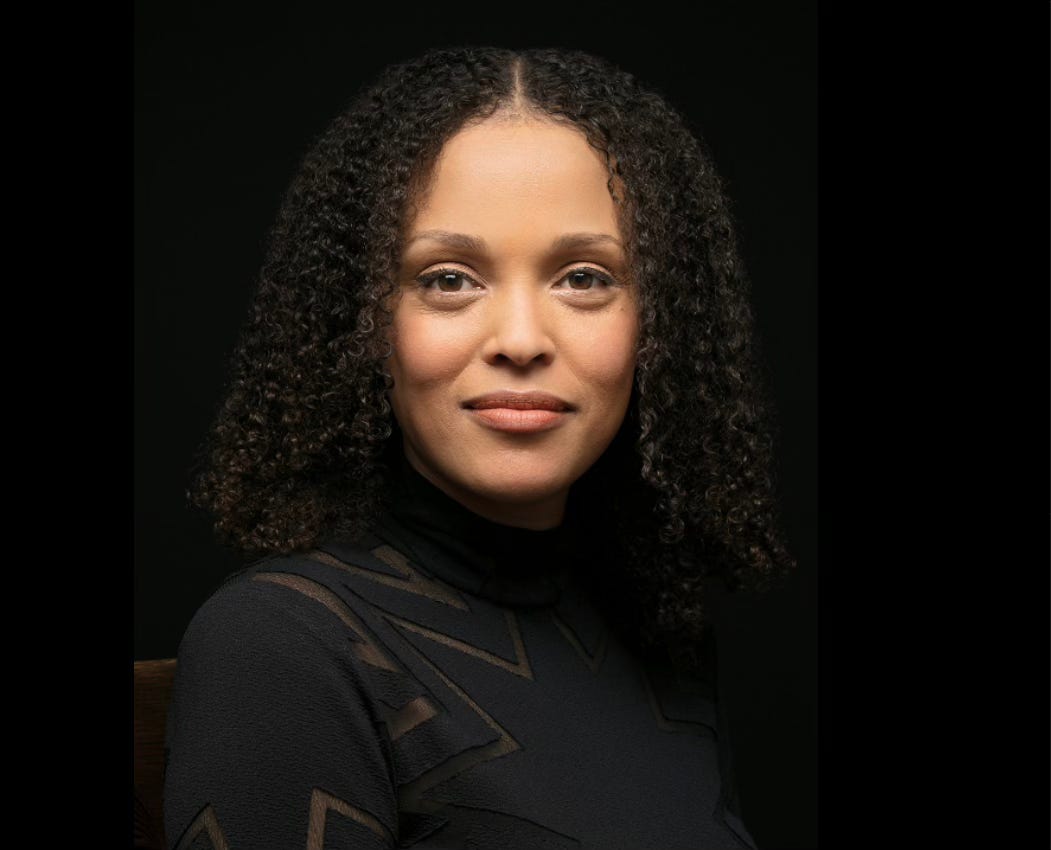
The structural question that Jesmyn Ward’s fiction obsessively returns to is this: when the state offers no protection, who assumes the actual burden of keeping people alive and at what cost? This course reads five of her major works. Where the Line Bleeds (2008), Salvage the Bones (2011), Men We Reaped (2013), Sing, Unburied Sing (2017), and Let Us Descend (2023) as a sustained inquiry into kinship as infrastructure. More specifically, kinship as the load-bearing structure that functions as a stand-in for institutions that have already failed, such as policing that criminalizes, healthcare that arrives too late (or maybe not at all), schools that surveil, an economy that offers incarceration and the military as the only exit route from Bois Savage.
Men We Reaped, which is the third text we will tackle, functions as the course’s theoretical spine. For instance, Ward’s own account of losing five young men in her life within four years establishes the interpretive terms the fiction has already been circling. Positioned third, after Where the Line Bleeds and Salvage the Bones have shown the fiction’s fathers, brothers, and sons operating under pressure without naming the mechanisms, the memoir arrives to unpack the ways in which Black Southern communities absorb loss, the gendered division of who is expected to grieve and keep functioning, and how care work falls disproportionately on women and girls who are themselves unprotected.
We will then carry that theorization forward into Sing, Unburied Sin and Let Us Descend by reading the dead who continue to parent from beyond death against Ward’s own account of what the living owe them.
By the end of this course, students will be able to:
Explore + Analyze: Engage with Jesmyn Ward’s fiction and nonfiction by examining the social, economic, and familial forces of the rural Mississippi Gulf Coast that shape her characters.
Identify Key Themes: Identify and discuss recurring themes across the texts, which include kinship, care, protection (or its absence), poverty, grief, and the gendered distribution of weight.
Connect the Southern Gothic + Ecological Tradition: Draw clear connections between Ward’s work + the Southern Gothic’s use of haunting and landscape as active forces, understanding how she extends that tradition into an ecology shaped by racial precocity and environmental disaster.
Contextualize + Reflect: Situate Ward’s work within the broader African American literary tradition by reflecting on how her work reframes kinship as structural necessity, and how Men We Reaped recasts the novels’ fathers, brothers, and sons.
Engage Creatively: Use the course materials as a basis for discussions that center the interior lives of Black Southern families.
This course will primarily run through discussion. We will host the live discussions on Wednesdays from 6 p.m. CST to 7:30 p.m. CST on TikTok Live. During the discussion, we will delve into key themes, ideas, posts, and questions from the course materials.
If you cannot attend a live discussion, you can catch the replay later in the week here on Substack. I’ll be sure to upload the replay by the end of the week.
Where the Line Bleeds (2008)
Salvage the Bones (2011)
Men We Reaped (2013)
Sing, Unburied Sing (2017)
Let Us Descend (2023)
September 9th—Where the Line Bleeds (pages 1-121 or Prologue-Chapter 7)
September 16th— Where the Line Bleeds (pages 123-239 or Chapter 8-Chapter 14)
September 23rd—Salvage the Bones (pages 1-130 or Chapter “The First Day”-Chapter “The Sixth Day”)
September 30th—No class
October 7th—Salvage the Bones (pages 131-258 or Chapter “The Seventh Day”-Chapter “The Twelfth Day”)
October 14th—Men We Reaped (pages 1-128 or Prologue-Charles Joseph Martin)
October 21st—Men We Reaped (pages 129-251 or We Are Watching-We Are Here)
October 28th—Sing, Unburied, Sing (pages 1-142 or Chapter 1-Chapter 6)
November 4th—Sing, Unburied, Sing (pages 143-285 or Chapter 7-Chapter 15)
November 11th—Let Us Descend (pages 1-134 or Chapter 1-Chapter 6)
November 18th—Let Us Descend (pages 135-299 or Chapter 7-Chapter 13)
No posts
Comments
Nothing yet. Say the first thing.
Sign in to join the conversation.