
WARNING: The steps I’m about to share with you will lower your blood pressure extremely fast. If you are currently taking blood pressure medications, you cannot just try this without talking to your doctor.
Why? Because this works so quickly that if you don’t titrate your prescription, your blood pressure could actually drop too low. Talk to your doctor.
High blood pressure is called the silent killer — but what if I told you most people have it for a completely fixable reason that has nothing to do with salt or genetics?
And while the blood pressure medications your doctor prescribes are perfectly good drugs… they have a problem: those pills will never treat the root cause of your high blood pressure.
I don’t want to subject my patients to a lifetime of medication if we could just treat their problem in the first place, so let’s break this down once and for all… starting with the #1 culprit of high blood pressure.
For decades, we’ve been told that salt is the ultimate enemy of blood pressure. But the truth is, salt was just the scapegoat. The real driver, the root cause for the vast majority of people, is insulin resistance.
Most people think of insulin as just a diabetes thing. It’s not. It’s a blood pressure thing too.
Insulin tells your kidneys to hold onto sodium. Water then follows that sodium and the total volume of blood in the system expands… therefore the pressure goes up. That’s pathway one.
Insulin also activates your sympathetic nervous system, your fight-or-flight system. Your vessels constrict. Pressure goes up again. That’s pathway two.
And over time, chronically elevated insulin causes your arterial walls to thicken and stiffen. Your vessels can’t expand the way they should. Pressure goes up a third time.
Three separate pathways driven by one hormone. And it’s all reversible.
You do not need any fancy labs. In my clinic, spotting insulin resistance is simple: If you carry weight around your midsection, crash after meals, crave carbs, or you’ve been told your fasting glucose is “borderline”… your insulin is almost certainly elevated.
To fix this, the ketogenic approach wins… every time. Cut the grains, the sugars, and the carbohydrates entirely. The goal is to stop spiking insulin repeatedly throughout the day.
Every spike tells your kidneys to hold fluid, tells your nervous system to squeeze your vessels, tells your arteries to stiffen up. Stop the spikes, and all three of those pathways start unwinding.
I know what you’re thinking. “But I already eat healthy.” Define healthy. Whole wheat bread still spikes insulin. Low-fat yogurt with fruit is loaded with sugar. The cereals that say “heart healthy” on the box are some of the worst offenders.
Track what you eat for three days and tally up the total carbohydrates. Most people are surprised by what they find.
If that number is over 20 grams per day… insulin will keep your blood pressure high.
On top of what you eat, I also want you thinking about when you eat. Compress your eating into a defined window of 8 to 10 hours and you’ll lower your insulin exposure without changing a single food choice.
And here’s the part that shocks most patients when they fix their insulin…
Some people lose 5 to 10 pounds in the first week. But it’s not fat.
Within days of lowering insulin, your kidneys start releasing the sodium and water they’ve been holding onto. It’s the fluid that’s been piling up because insulin told the kidneys to hold it there.
That excess fluid drains and your blood pressure rapidly drops.
Exercise works on blood pressure through mechanisms most people don’t appreciate.
It increases nitric oxide production, which tells your vessels to dilate.
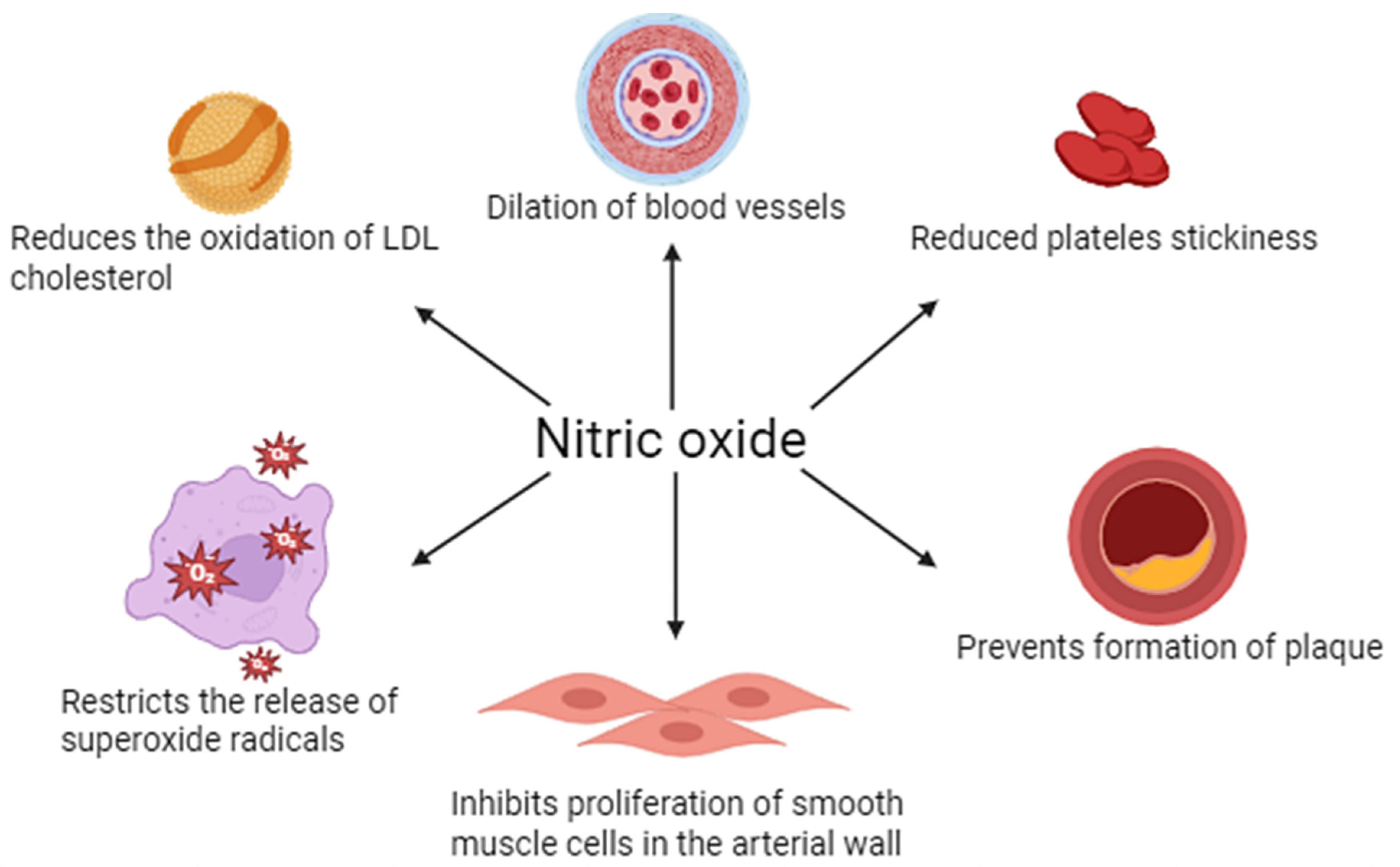
It improves vascular compliance; your arteries literally become better at expanding and contracting. It lowers your resting sympathetic tone, so your nervous system isn’t running at a low hum of tension all day.
Specifically, Zone 2 cardio that’s the kind of activity where you can still hold a conversation, but you’re working. Think brisk walking, cycling, swimming.
I’m a big believer in saunas as well, and the evidence supporting them keeps growing. The most important part: work to increase your endurance and make sure it’s hard enough to make you sweat.
Visceral fat is the deep abdominal fat wrapped around your organs, and it’s metabolically active. It pumps out inflammatory compounds and worsens insulin resistance. It physically compresses the blood supply to your kidneys and produces its own hormones that affect vascular tone.
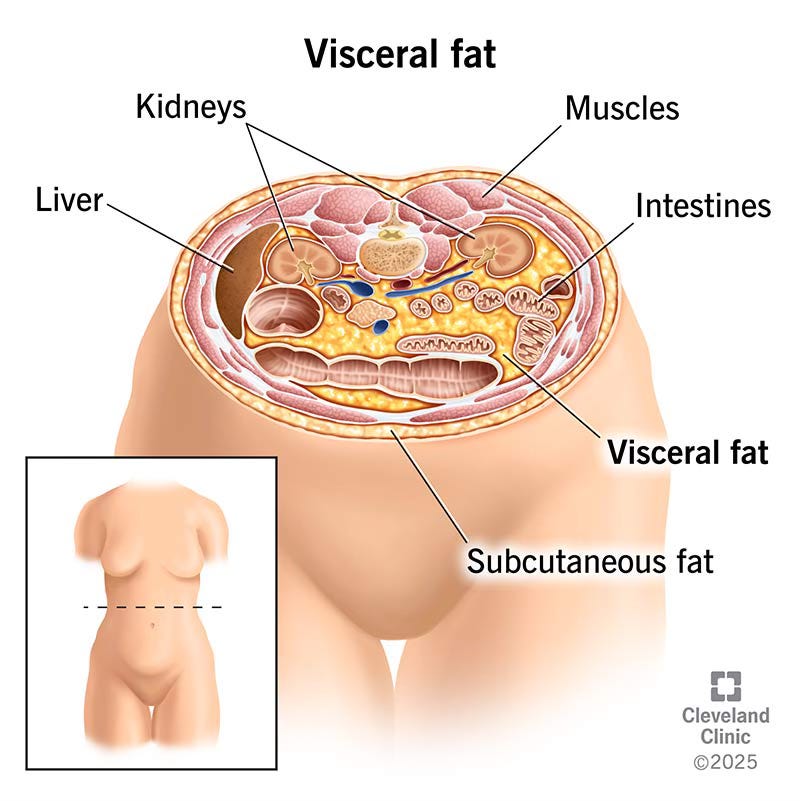
The subcutaneous fat you can pinch? Far less dangerous. The fat you can’t see is the one doing damage.
Here’s why: visceral fat accumulates because of chronic insulin elevation. Lower insulin, and visceral fat is preferentially released first.
And sleep matters here too. Inadequate sleep specifically increases visceral fat accumulation through cortisol and hunger hormone dysregulation.
Cortisol activates your sympathetic nervous system, causing vasoconstriction, increased heart rate, and blood pressure spikes. That acute response is normal and healthy. Chronic stress is the problem.
Chronically elevated cortisol is like having your foot slightly on the gas pedal all day, every day. Your vessels never fully relax.
And on top of that, chronic cortisol promotes visceral fat accumulation, impairs sleep, and worsens insulin resistance.
What actually helps? The goal is to deliberately activate your parasympathetic nervous system. For that, exercise is one of the most powerful interventions that exists.
Then there’s sleep.
During normal deep sleep, your blood pressure naturally drops 10 to 20%. We call this nocturnal dipping; your cardiovascular system gets a recovery window every single night.
But poor sleep eliminates that window. Your blood pressure never gets its nightly break. Over time, baseline pressure rises.
For sleep hygiene that actually makes a difference: lock in a consistent wake time first. That is your anchor.
Get morning light within 30 to 60 minutes of waking. Avoid bright light and screens one to two hours before bed.
Keep the room cool. And stop eating two to three hours before bed.
Doesn’t everyone know salt causes high blood pressure? It’s not true.
The reason you have high blood pressure isn’t because you’re eating too much salt. It’s because your body has been overproducing aldosterone—the hormone that tells your kidneys to hang on to extra salt and fluid.
Stopping salt intake is a fool’s game. It makes a tiny change that lasts short term. Lowering salt just makes your kidneys hold onto salt even more aggressively. You have to lower your insulin, since insulin is the driving hormone behind aldosterone.
Once you fix the insulin resistance, your kidneys regain the ability to excrete sodium properly. This is why people who fix their metabolism can enjoy salt without their blood pressure skyrocketing.
Salt was never the villain. The root cause of high blood pressure for most people is insulin resistance, not the shaker on your table.
One hormone, three pathways. Insulin raises your pressure by telling your kidneys to hold sodium, firing up your fight-or-flight system, and stiffening your arterial walls over time. All three are reversible.
You don’t need fancy labs to spot the problem. Weight around your midsection, crashing after meals, carb cravings, or “borderline” fasting glucose all point to elevated insulin.
Get under 20 grams of carbs a day. Track what you eat for three days and tally the total. “Healthy” whole wheat, low-fat yogurt, and heart-healthy cereal all spike insulin.
Exercise does more than burn calories. Zone 2 cardio boosts nitric oxide, improves how your arteries expand, and dials down the constant low hum of nervous system tension. Work hard enough to sweat.
Visceral fat is the dangerous fat. The deep fat around your organs worsens insulin resistance and compresses your kidneys. Lower insulin and it’s the first fat to go.
Sleep is blood pressure medicine. Deep sleep drops your pressure 10 to 20% every night. Poor sleep steals that recovery window and raises your baseline over time.
Chronic stress keeps your foot on the gas. Elevated cortisol constricts your vessels, drives visceral fat, and worsens insulin resistance. Deliberately activate your parasympathetic system.
Fix the insulin, and you can enjoy salt again. Once your metabolism heals, your kidneys excrete sodium properly and salt stops being a threat.
No posts
Comments
Nothing yet. Say the first thing.
Sign in to join the conversation.