
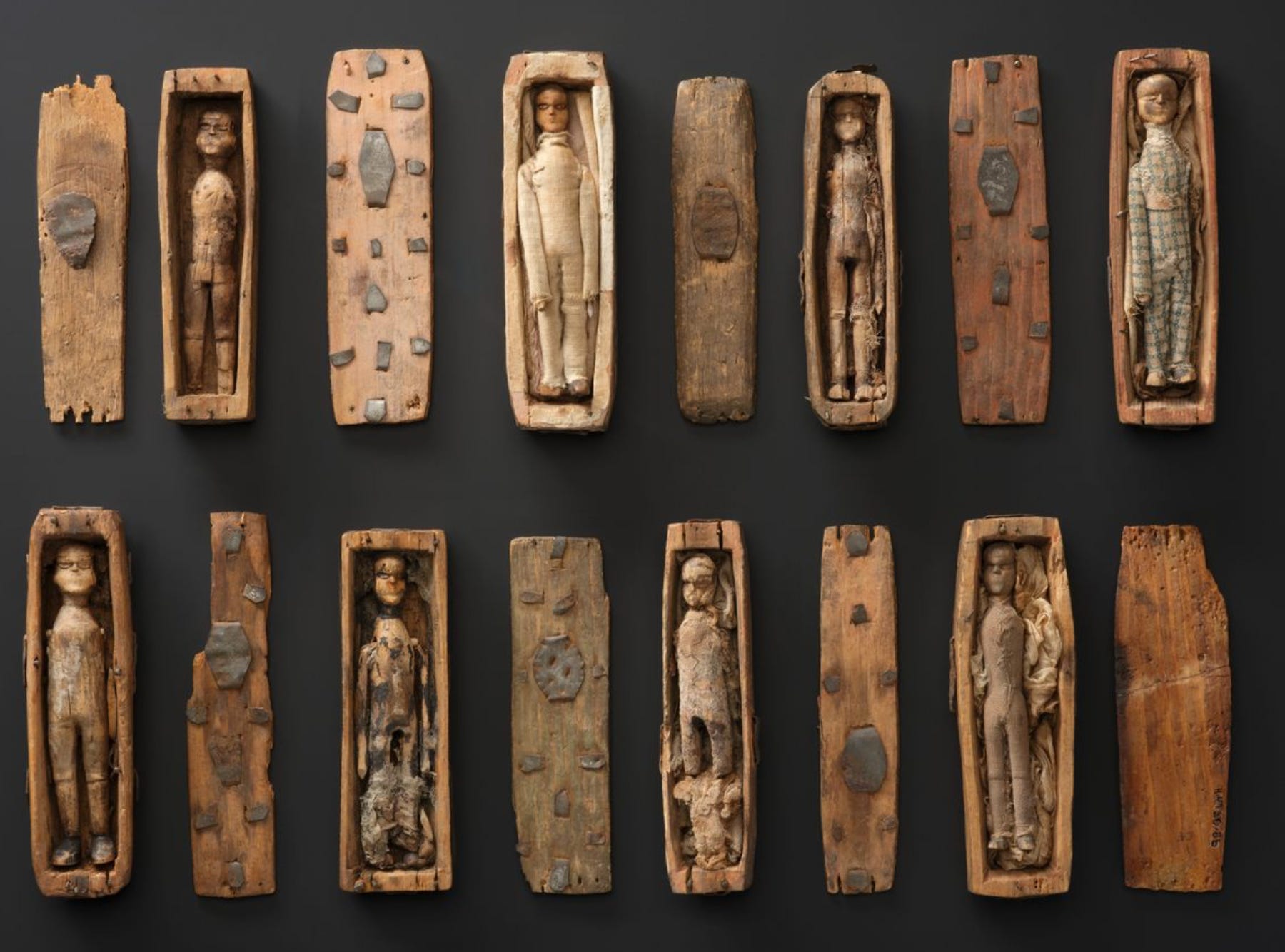
In 1836, two boys discovered these tiny coffins containing dolls, hidden in a rocky niche on the north-eastern slopes of Arthur’s Seat, in Edinburgh. There were seventeen in total and, in 1901, eight of them were given to the National Museum of Scotland, where they can be seen today.
It is not known what the purpose was in making these rather macabre dolls. At the time, some suggested that they were linked to witchcraft, or they could even have been children’s toys. Now, it is also believed that they were connected to the heinous crimes of the serial killers, Burke and Hare, which took place in the Scottish capital just a few years before the dolls were found.
I’ve just completed my fourth journey onboard Seabourn, for whom I am a guest lecturer. This time I sailed from Dover to Greencastle in Ireland, stopping at Greenock on the west coast of Scotland, and I gave a talk on Scottish crime history in my series of talks, which included my investigations into the heinous crimes of William Burke and William Hare, who committed sixteen murders in Edinburgh in 1828 and sold the bodies for dissection.
On 31 October 1828, William Burke invited a middle-aged Irish woman named Margaret Docherty into his lodging house by telling her that his mother was also named Docherty and she was from the same part of Ireland. Once she was in the parlour, he told her that he was going out to get some whisky and he left her in the company of his common-law wife, Helen McDougal. In reality, he went to fetch his accomplice, William Hare.
When he returned, the group began drinking and soon they were singing and dancing together. At around 9 pm, two other lodgers, Ann and James Gray, whom Burke had paid to stay at Hare’s lodgings for the night to get them out of the way, returned to collect some clothes for their children. They left again, but when they came back the following day, they discovered Margaret’s body hidden in some straw. They went straight to the police station to report it.
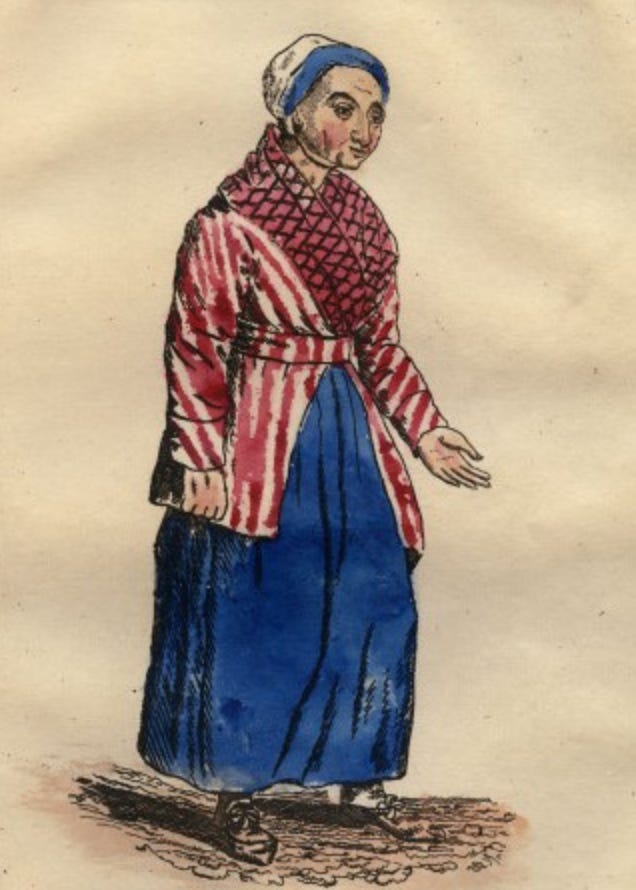
While they were out, Burke and Hare removed the body and took it to the surgery of anatomist Robert Knox. They later told the police that Margaret had left the house, and they hadn’t seen her since. But when the officers went to Knox’s dissecting rooms, they found her corpse there, and James Gray identified her as the woman he had seen the previous evening in the company of Burke and Hare. The pair were arrested but they denied all knowledge of how Margaret Docherty met her death.
William Burke was born into a middle-class family in County Tyrone, Ireland, in 1792. Together with his brother Constantine, he had a comfortable childhood, and they both joined the British Army as teenagers. William served in the Donegal militia until he married a woman from County Mayo, where the couple settled. In 1818, following an argument with his father-in-law over land ownership, Burke deserted his wife and family. He moved to Scotland, where he became a labourer, working on the Union Canal. Living in the village of Maddiston near Falkirk, he moved in with Helen McDougal. In November 1827, after the works on the canal had finished, the couple moved to Tanners Close in Edinburgh, where they worked as hawkers, selling second-hand clothes. William then became a cobbler. He was known as industrious, good-humoured and sober.
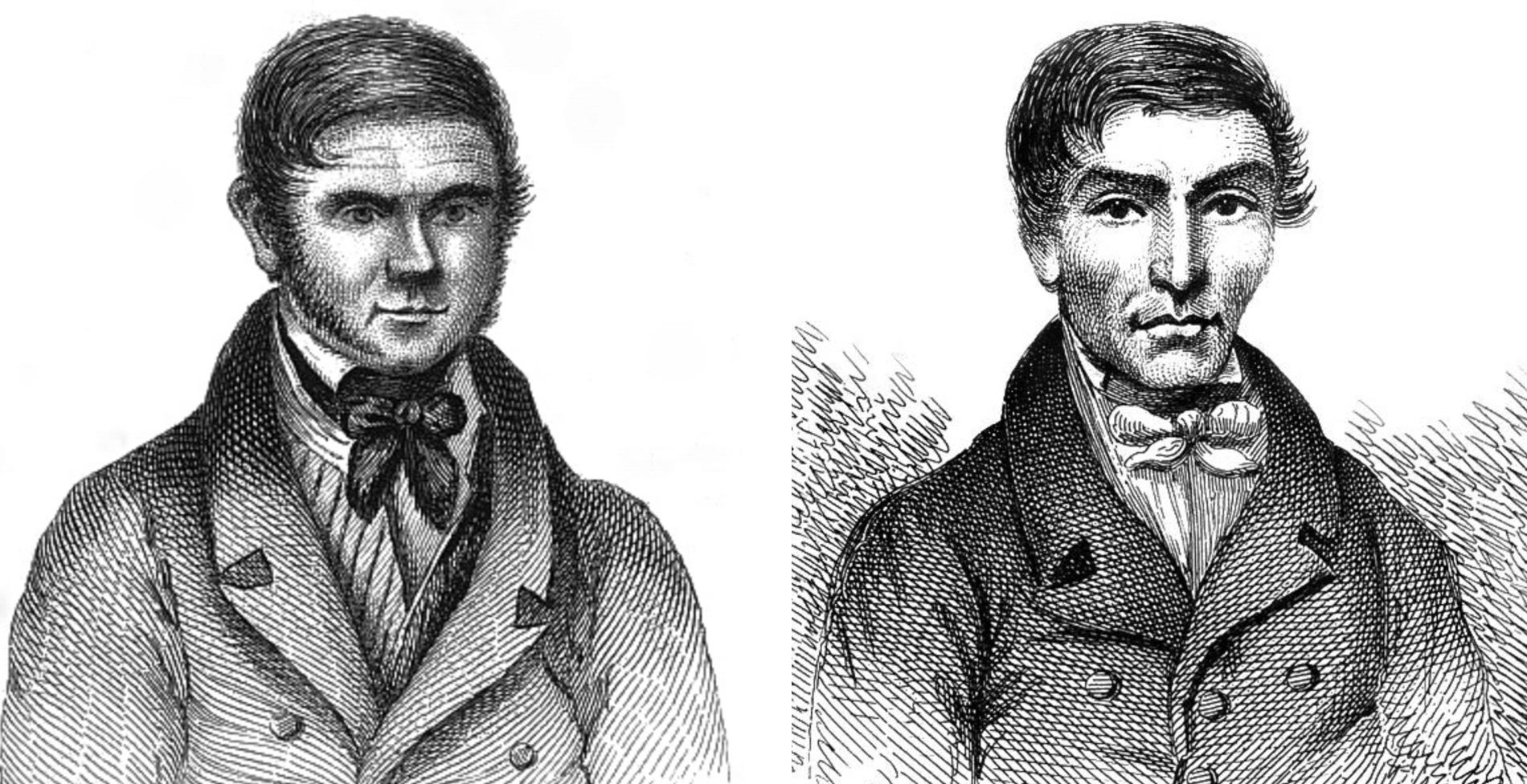
Little is known about the early history of William Hare, other than he too was Irish. Like William Burke, he worked on the Union Canal before moving to Edinburgh in the mid-1820s, where he found employment as an assistant to a coal dealer. Later, he also lodged at Tanners Close.
In 1827, William Burke and Helen McDougal went to Midlothian to work on the harvest, where they met William Hare. The men soon became friends and, when Burke and McDougal returned to Edinburgh, they moved into Hare’s lodging house, where they all developed a reputation for hard drinking and boisterous behaviour. By the early months of the following year, the men had killed their first victim. Although Burke and Hare were not technically bodysnatchers, their activities were closely linked to those of the ‘resurrectionists’.
In the early nineteenth century, Edinburgh was a leading centre for anatomical study. As the demand for cadavers for dissection rose, it outstripped supply. Scottish law stipulated that corpses used for medical research could only come from individuals who had died in prison, suicide victims, or orphans. The shortage in bodies therefore led to an increase in body snatching by what were known as the ‘resurrection men’. They stole recently-interred bodies from graveyards, digging them up during the night to sell them to the medical centres.
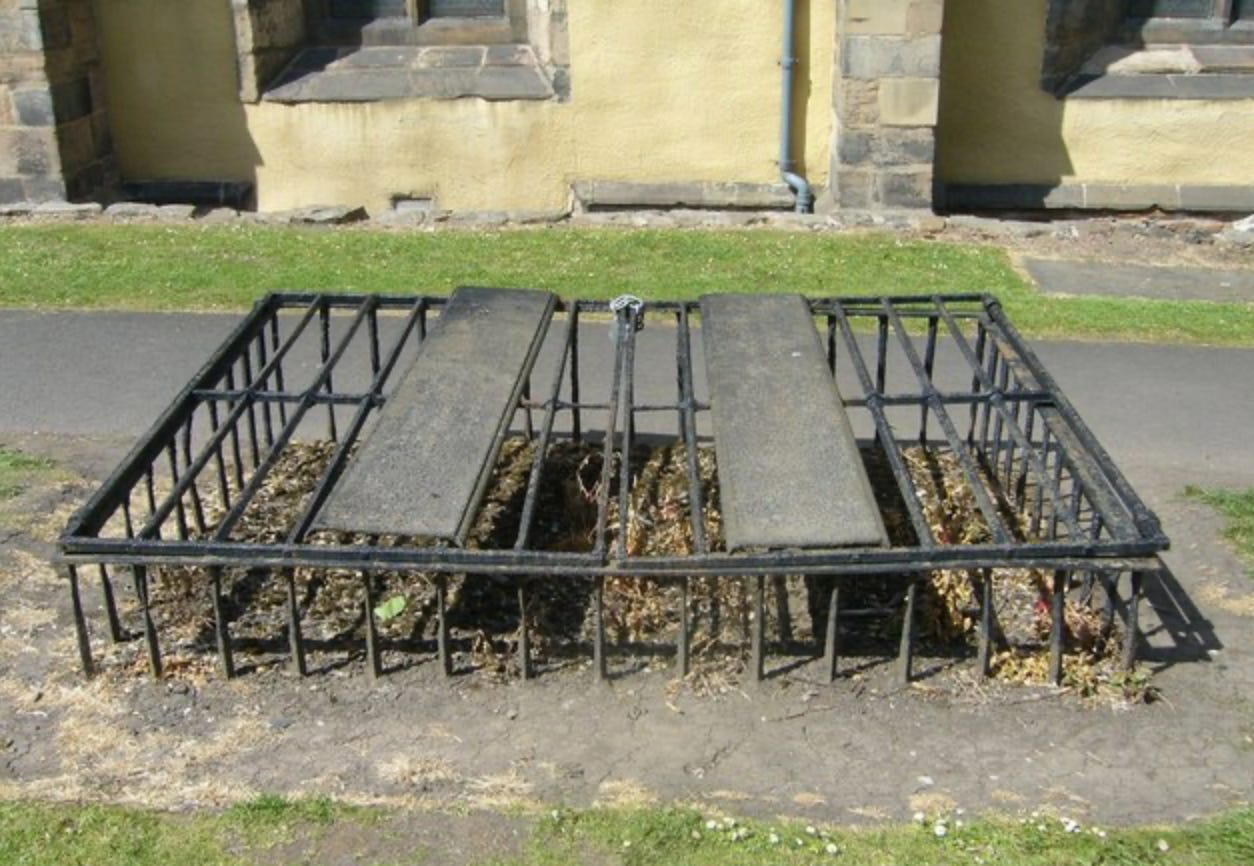
When people began to take measures to prevent the theft of bodies, such as building watch towers in graveyards and using mortsafes, which were designed to protect graves from disturbance, the demand increased further.
In 1828, after the police had located Margaret Docherty’s body in Knox’s surgery, a post-mortem examination revealed that she had likely been suffocated. Not only were the resurrection men digging up cadavers but there was now evidence that some might have actually been murdering individuals to sell their bodies for dissection, which was exactly what happened in the case of Burke and Hare.
Their trade in bodies began on 29 November 1827. When a lodger in Hare’s house died of dropsy, he and Burke had decided to sell the body to Robert Knox, the prominent Edinburgh anatomist, for which they received the large sum of £7 10s, which is worth about £500 in today’s value. Apparently, as they left the university, one of Knox’s assistants said that they ‘would be glad to see them again when they had another to dispose of’. This initiated a murderous spree.
Although William Burke later confessed to the murders, little is known about the victims, including the order in which they were killed, as his various accounts differed. It is generally agreed that the first murder, in early 1828, was of a miller, who had been lodging in Hare’s house and had developed a fever. He was smothered with a pillow.
One of the victims was Mary Paterson. Burke bought her and another woman some alcohol and invited them back to his brother’s house, where she was killed after she fell asleep at the table. The two men then took her body to Knox’s surgery in a tea chest, and received £8 for her corpse, which was still warm when they arrived. The anatomist was apparently delighted with it, and poor Mary’s body was preserved in whisky for three months until she was dissected.
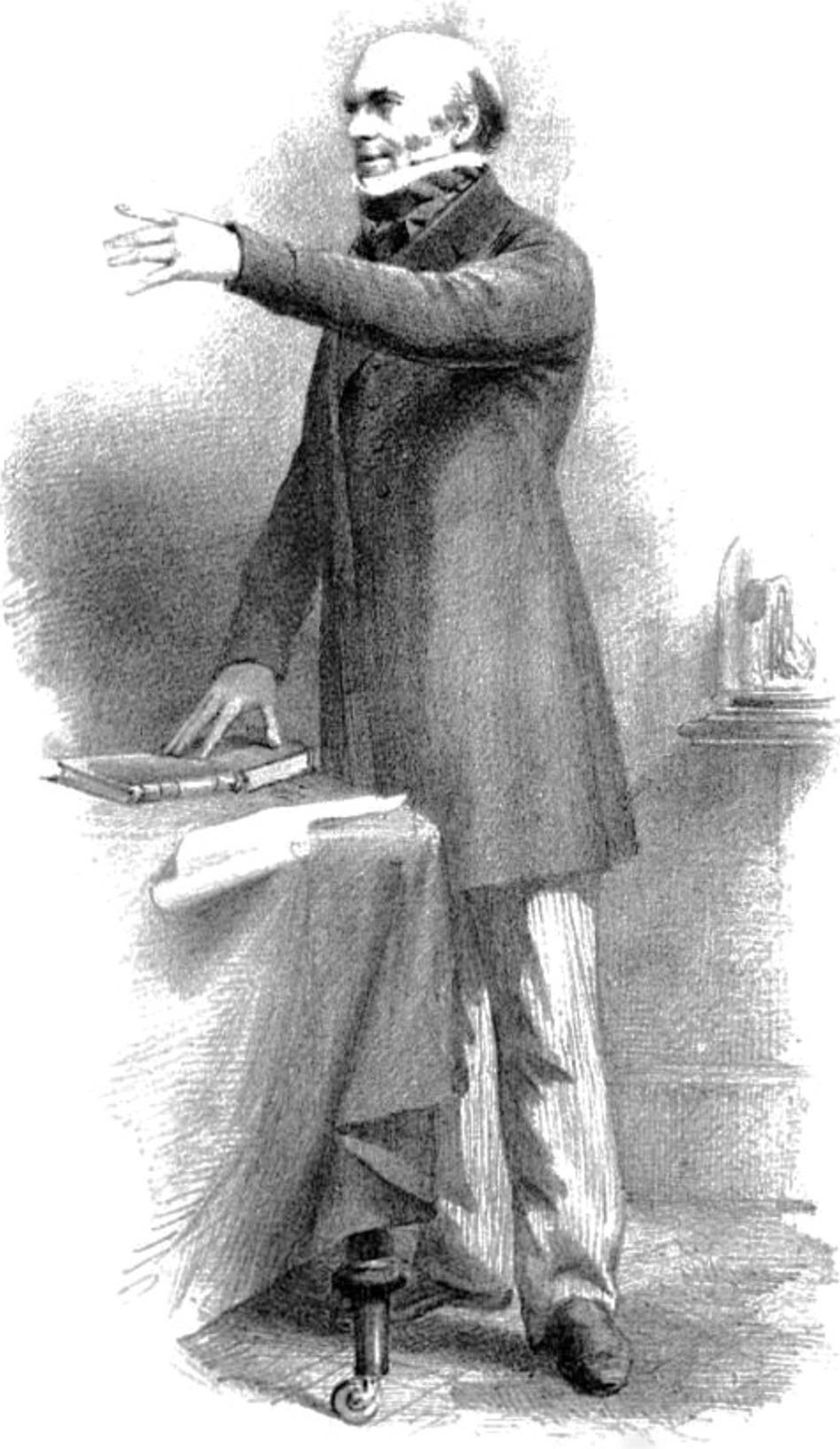
Another of Burke and Hare’s victims was a well-known figure in Edinburgh. He was eighteen-year-old James Wilson, who was disabled and lived on the streets where he supported himself by begging. Hare lured Wilson to his lodgings with the promise of whisky, where they killed him. When they took his body to Knox, several of his assistants recognised James so he removed his head and feet before the public dissection.
As the police did not know exactly who was responsible for the murders, due to the lack of evidence, both Burke and Hare and their wives were all arrested. William Hare was offered immunity from prosecution if he turned king’s evidence and confessed, which he did. This led to William Burke and Helen McDougal being charged for the murders of Mary Paterson, James Wilson and Margaret Docherty.
The trial opened on Christmas Eve 1828 before the High Court of Justiciary in Edinburgh. There was such a large crowd outside the court that 300 constables were placed on duty to prevent disturbances. Both defendants pleaded not guilty. However, the fifty-five witnesses for the prosecution included William Hare who claimed that Burke had been solely responsible for Docherty’s death.
At 8.30 am on Christmas Day, the jury retired to consider their verdict. Fifty minutes later, they returned a guilty verdict for Burke and not proven for McDougal. William Burke was sentenced to death. The Lord Justice Clerk said:
Your body should be publicly dissected and anatomized. And I trust, that if it is ever customary to preserve skeletons, yours will be preserved, in order that posterity may keep in remembrance your atrocious crimes.
William Burke was hanged on 28 January 1829, before a crowd of some 20,000 people.
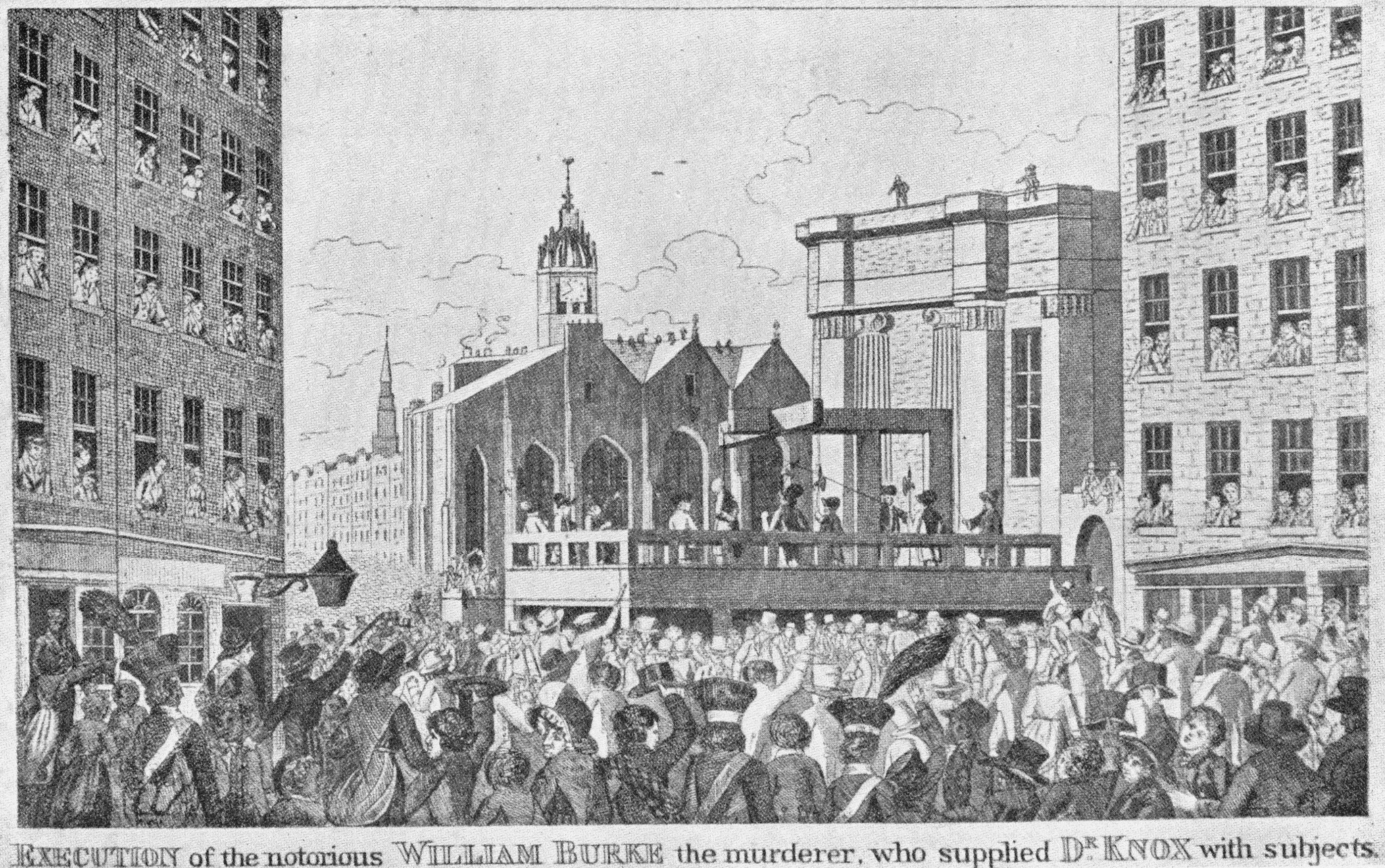
As ordered by the judge, on 1 February, Burke’s corpse was publicly dissected by Professor Monro in the university anatomy theatre. The procedure lasted for two hours. Famously, Dr Monro dipped his quill pen into Burke’s blood and wrote in a letter, ‘This is written with the blood of William Burke, who was hanged at Edinburgh. This blood was taken from his head.’
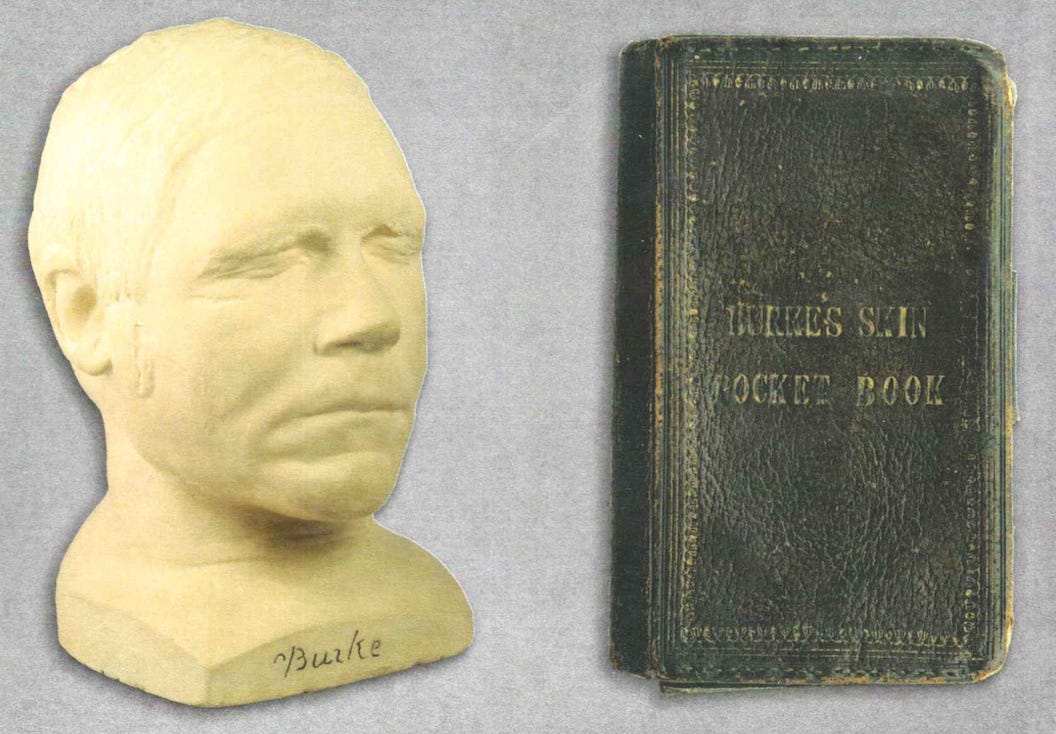
Burke’s skeleton was given to the Anatomical Museum of the Edinburgh Medical School where it remains to this day. His death mask and a book said to be bound with his tanned skin is on display at Surgeons’ Hall Museums. I have seen both these artefacts, and the book is quite gruesome. Understandably, it was forbidden to take photos, but I did buy a postcard, which is a rather macabre souvenir.
Following these murders, and other similar ones, the Anatomy Act was passed in 1832, which authorised dissection on bodies from workhouses which were unclaimed after forty-eight hours. This ended the practice of bodysnatching.
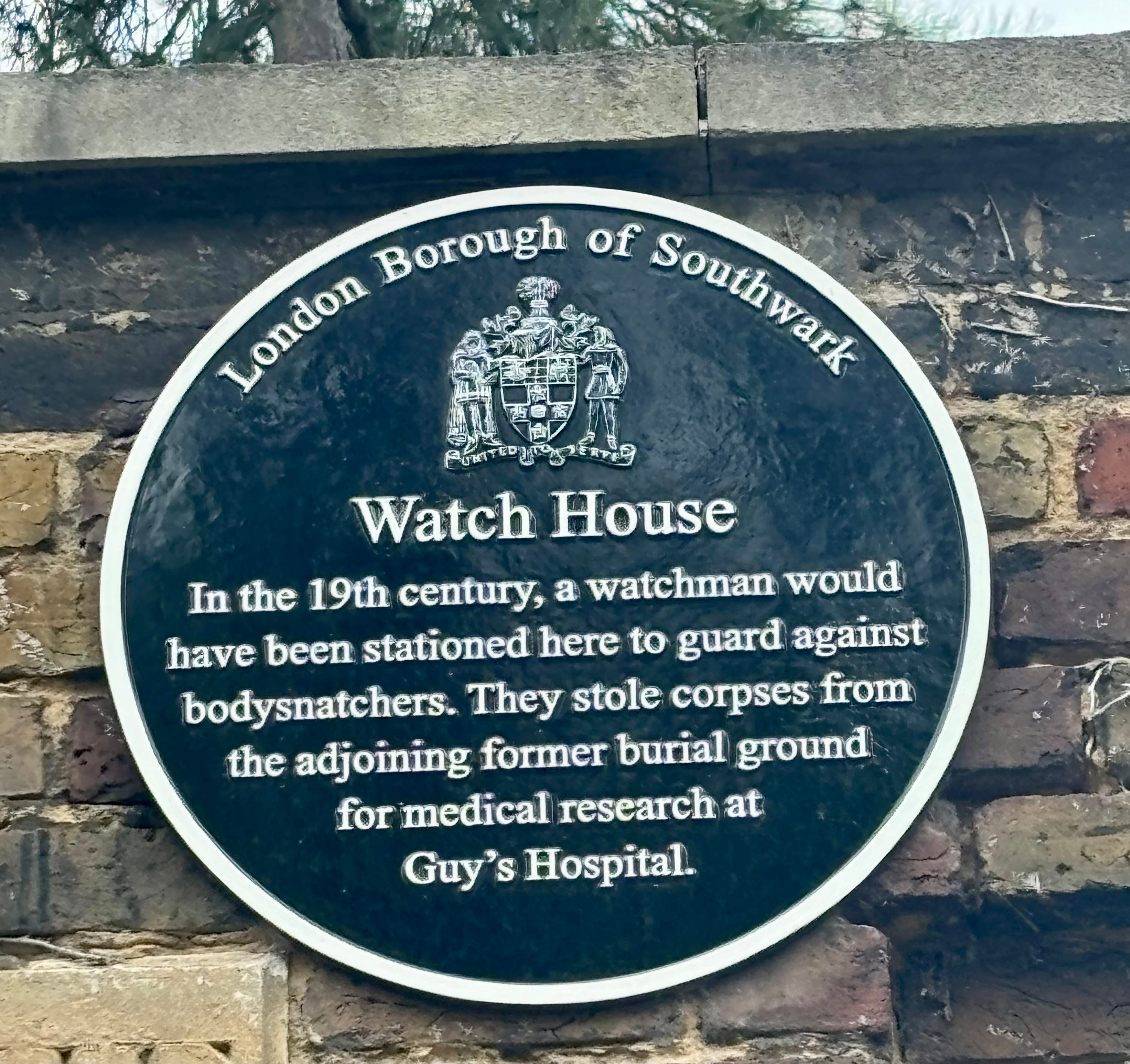
Almost 200 years later, traces of the resurrectionists can still be found throughout Britain, such as this plaque on a cemetery watch house (it’s now a rather quirky coffee shop!) near to where I live in south-east London.
Comments
Nothing yet. Say the first thing.
Sign in to join the conversation.