
You know that feeling when you get to the last rounds of a game of Monopoly and it stops being family fun and turns into a nightmare? (Because, of course, Monopoly was never meant to be a fun board game, but a demonstration of a dysfunctional economic system.) Does anyone else feel like that’s the vibe these days, the state of play we've reached mid-2026?
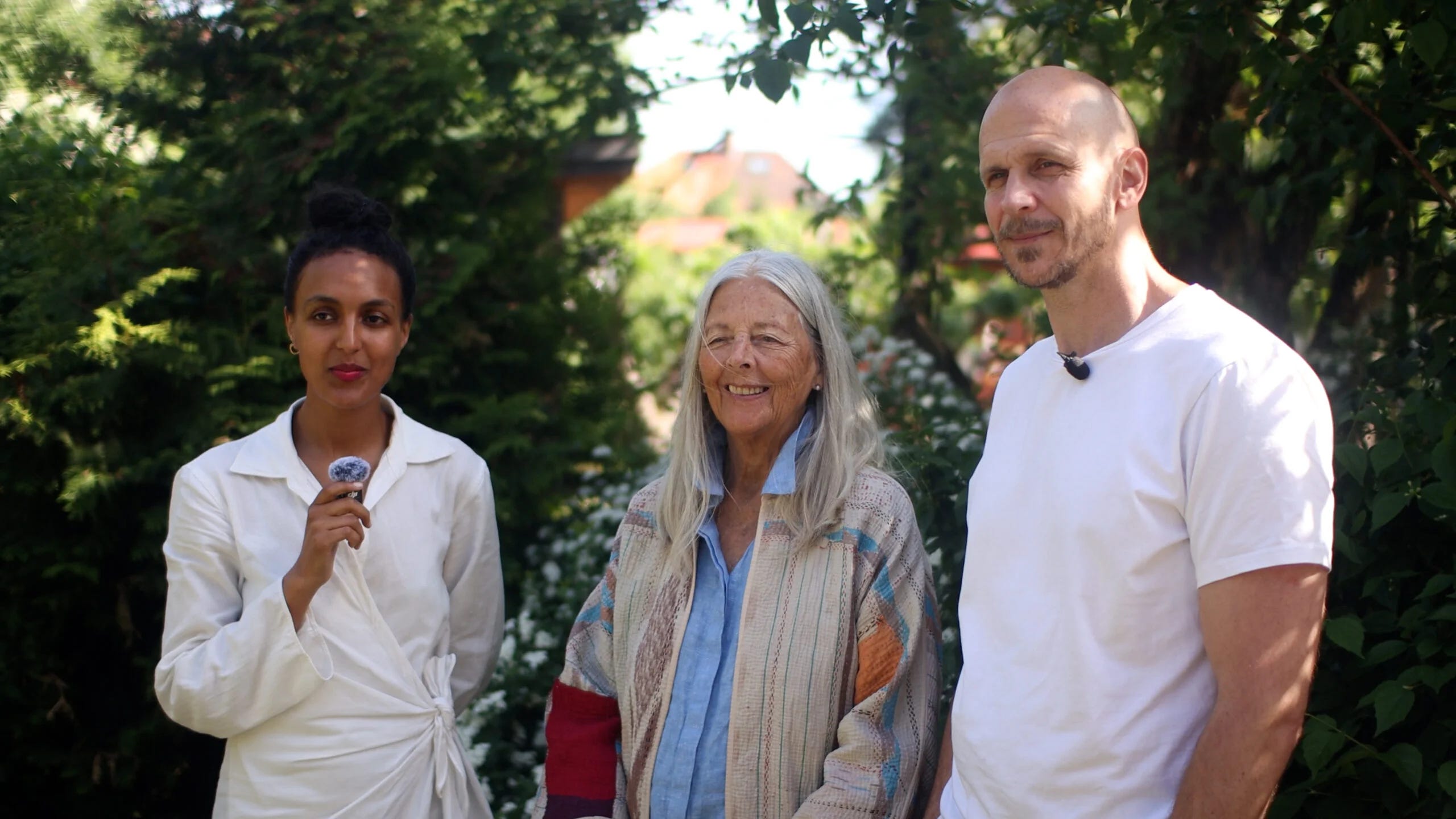
That thought came to me after listening to people in a dozen different countries speak in answer to the question, “What's on your heart?”, in recent weeks. And I found myself voicing it on stage at the Bio Grand in Stockholm, the cinema Olof Palme went to on the night of his assassination, where I was in conversation with Helena Norberg-Hodge of Local Futures.
What struck me about that event and the network who organised it is how deep into the Swedish mainstream their message seems to be landing. I was interviewed for a feature on them in Dagens Nyheter, one of Sweden’s two national broadsheets. The headline read “They think today's economy is headed for collapse”. Turns out that was the most read article on their site last month. At the end of the month, it was republished in Dagens Industri, the Swedish equivalent of the FT.
On a call the day before the Stockholm event, I found myself remembering a trip to Ireland in the depth of the multi-year crisis that resulted from the pre-2008 housing boom. Two conversations I had on that trip came back to me.
The first was with someone who asked if I knew how the last stage of the bubble had been. “It was when all the lawyers and doctors and university professors piled in,” he said. “The people who had been at their Dublin dinner parties, talking about how this was obviously a bubble. But then they had to grind their teeth as their country cousins became millionaires, and finally it was too much, and they thought, we want a bit of this. So they were the last ones in, the ones who pushed the boom as far as it could go and lost the most when it burst.”
The second conversation was with a young man who drove me around for a few days, took me to visit the ghost estates and to meet his friends and family. He was an architecture student, but he’d worked on building sites during the boom. He told me he knew the game was up when they got to the end of a job and the boss told them not to bother taking down the scaffolding, but to pull the whole thing over and bulldoze it over with dirt so they could get on to the next job. He wanted to get one more project in before the music stopped.
Those are some scenes from the last round of a game. I don’t have any special intelligence as to when the music stops, or where we land when the science fiction bubble bursts.
I do follow the rumours of resistance to AI and data centres, the people telling the stories and gathering the numbers. It’s one of those faultlines where the culture war divides stop making sense, and there’s a chance for people who have been told they are enemies to find themselves alongside each other.
Now and then, I see clever comments along the lines of “Well, you’re all making a fetish of resistance to these AI data centres, yet you’ve been using social media and the rest of it for years…” And this seems to me exactly the wrong way round. The potential of this resistance is precisely that you pull on this thread and so much more unravels. On all kinds of levels – from grassroots politics to intellectual critique – people start out questioning AI and find themselves reopening questions that go back generations or centuries. As someone who has been writing about and publishing other people’s critiques of technological progress for a long time, I’ve never seen the kind of mainstream and grassroots conversations around this that have been bubbling up over the past year or so.
In one of my conversations with Helena this week, she described her disorientation at a point in the 1990s when she was spending half the year in Ladakh and half of it in the West, campaigning and building awareness around the defence of local cultures and resistance to colonial globalisation. At a certain point, she came back from Ladakh and found that many of her friends and colleagues had fallen under the spell of this thing called the Internet. Suddenly their stories of resistance and change were bound up with a utopian faith in this technology and the need to entangle everyone with it.
I’ve sometimes talked about using technology as scaffolding. Instead of assuming these tools will be around forever, it’s possible to use them to find each other, to remember, to rebuild. When the house is built, the scaffolding is taken down.
It matters who owns the ground on which we build, how the rules of the game are structured, and that we remember there are other games we can play together, less destructive and all-consuming than the winner-takes-all nightmare that has been presented as reality itself around here lately.
Thanks for reading. This was one of those times when a post just flowed out of my fingers when I sat down for coffee, during a break from gardening duties. All the work I do here is made possible by the support of those of you who take out paid subscriptions to Writing Home and support my work in a host of other ways. Deep thanks for that, as always! And stand by for more news in the days ahead on organising local gatherings around the world in celebration of Ivan Illich’s centenary, the first weekend in September.
DH
Comments
Nothing yet. Say the first thing.
Sign in to join the conversation.