
Next Sunday, riders will leave Waterton Canyon in darkness and begin the long journey south-west towards Durango.
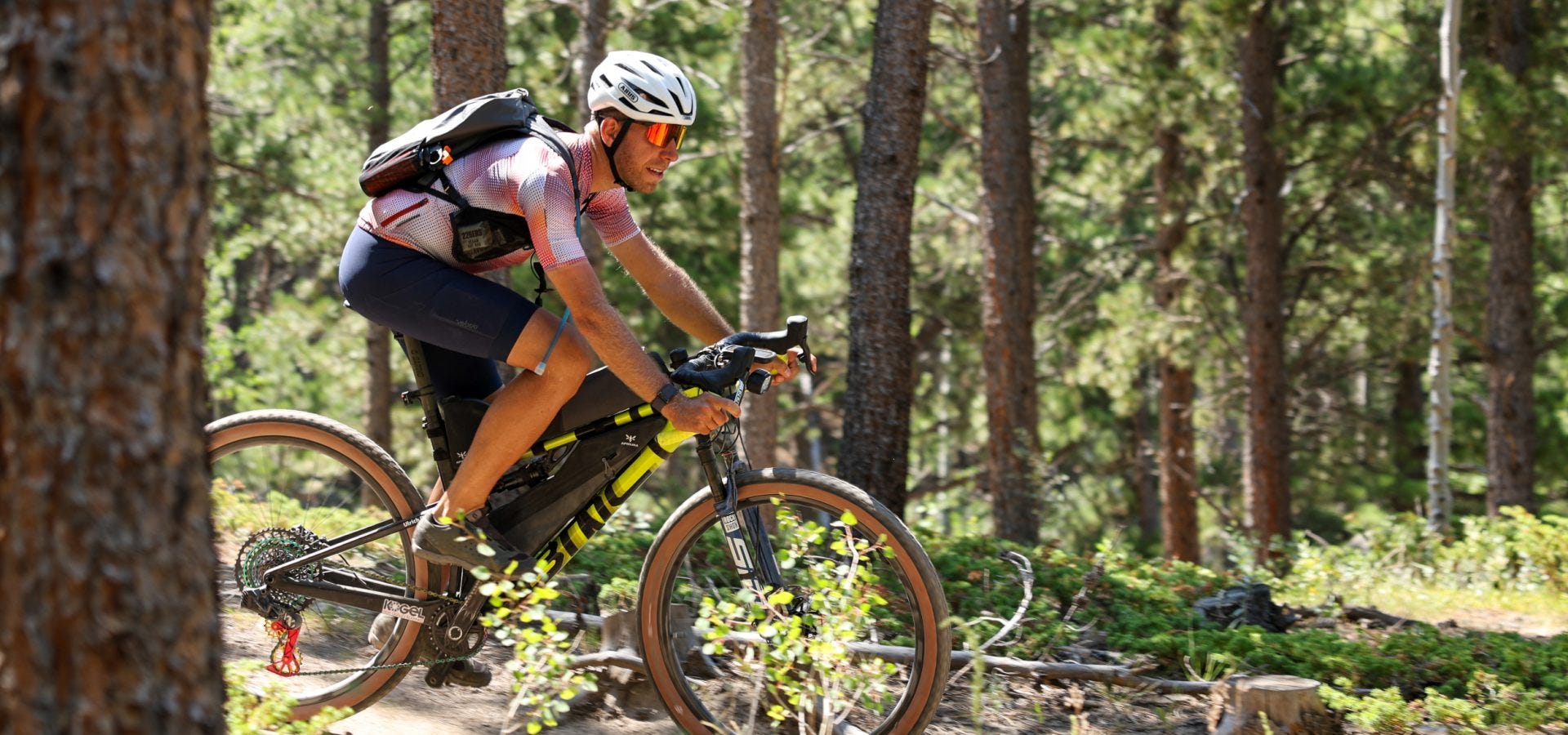
For the opening miles, the trail follows the water beneath the trees. Then the ground begins to rise. Pine forest gives way to open ridgelines, broad alpine valleys, and high passes where the air thins, the weather turns quickly, and the horizon stretches across Colorado.
Ahead lie roughly 528 miles (850 kilometres) of technical singletrack, exposed mountain terrain, and long stretches where riding eventually gives way to pushing and carrying.
Colorado Trail Race (CTR) isn’t especially long compared with some, but what it lacks in distance, it makes up for in concentration. With more than 300 miles (483 kilometres) of singletrack, the route repeatedly climbs beyond 10,000 feet (3,000 metres), and its highest passages rise above 13,000 feet (4,000 metres), where summer can feel like several seasons compressed into an afternoon.
The climbing is only part of the difficulty. Technical riding is repeatedly interrupted by pushing, carrying, remounting, and picking a careful line through rock, making it almost impossible to settle into the steady rhythm that carries riders through many longer races. Progress is constantly broken into short, costly efforts.
There are smooth ribbons of trail through aspen groves, rocky traverses cut into mountainsides, and descents that fall away beneath seemingly endless canopies of spruce and fir. Between them come loose climbs, flooded meadows, sudden storms, and prolonged sections on foot.
This year, even by the standards of Colorado Trail, the landscape is likely to feel more unpredictable than usual.
For the first time in more than a decade, the race’s route has been substantially revised.
Comments
Nothing yet. Say the first thing.
Sign in to join the conversation.