
Older single conservative Anabaptist women often live in poverty.
Married women and their husbands usually own their own homes, drive nice cars, and easily afford dental work and trips to visit relatives.
Single men generally work in the trades in well-paying fields.
Single women, who don’t have a husband to support them and are discouraged both from “men’s work,” like construction or excavating, and getting an education, often teach at church schools, clean houses, or work as nurse aides or caregivers, all low-wage jobs.
From many conversations with single women, I’ve learned that this is a far deeper issue than going to a Tupperware party and not being able to afford the Fix-n-Mix bowl they really want. Housing, medical and dental care, and a reliable vehicle are difficult to afford, especially as they near retirement age.
Not only are these women un-chosen or divorced in a culture that values marriage and families, they also carry the shame of poverty in a group that sees financial success as a measure of character and God’s blessing. Asking for financial help from the church is considered in poor taste as well.
So women suffer in shame and silence, limping along in old cars whose air conditioners don’t work, enduring toothaches, and shaving the lint off their sweaters to make them last another winter.
I feel the Mennonite church is alarmingly comfortable with this sort of poverty sitting across the aisle from men who invest in multiple properties or spend thousands on their hobbies.
I think the solution to this is four-fold:
1. The church should ensure that single women are supported in the same way Scripture requires that widows are cared for.
2. If the church can’t relax its stance on higher education in general, an exception should at least be made allowing single women to pursue an education leading to a job with a living wage.
3. Teachers in church schools should be paid a living wage whether male or female, married or single.
4. The church should be creative in finding work that fits a woman’s talents and situation, even if it isn’t traditional women’s work like teaching school.
I am always intrigued with Mennonite and Anabaptist-adjacent women who find creative ways to support themselves adequately.
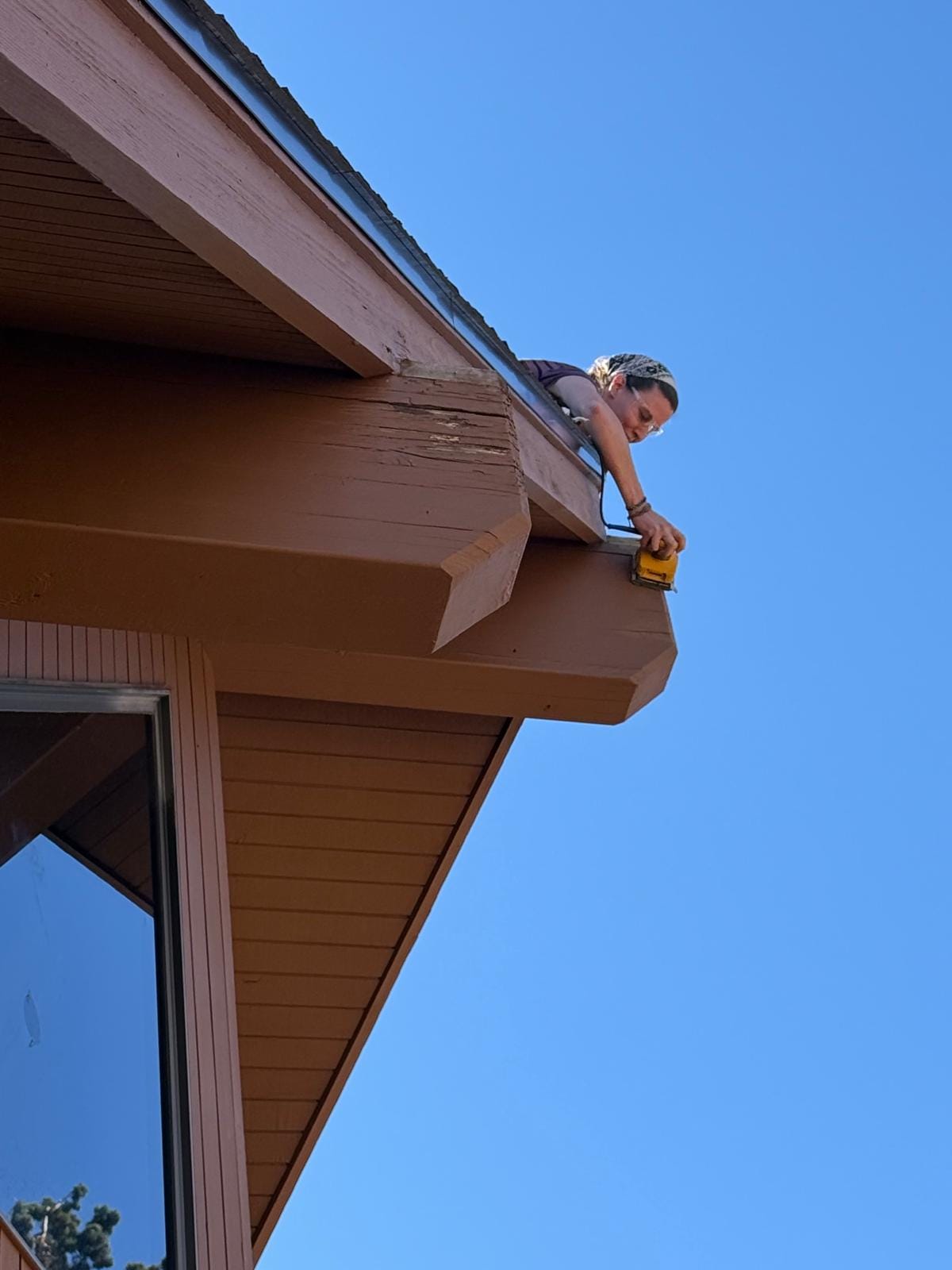
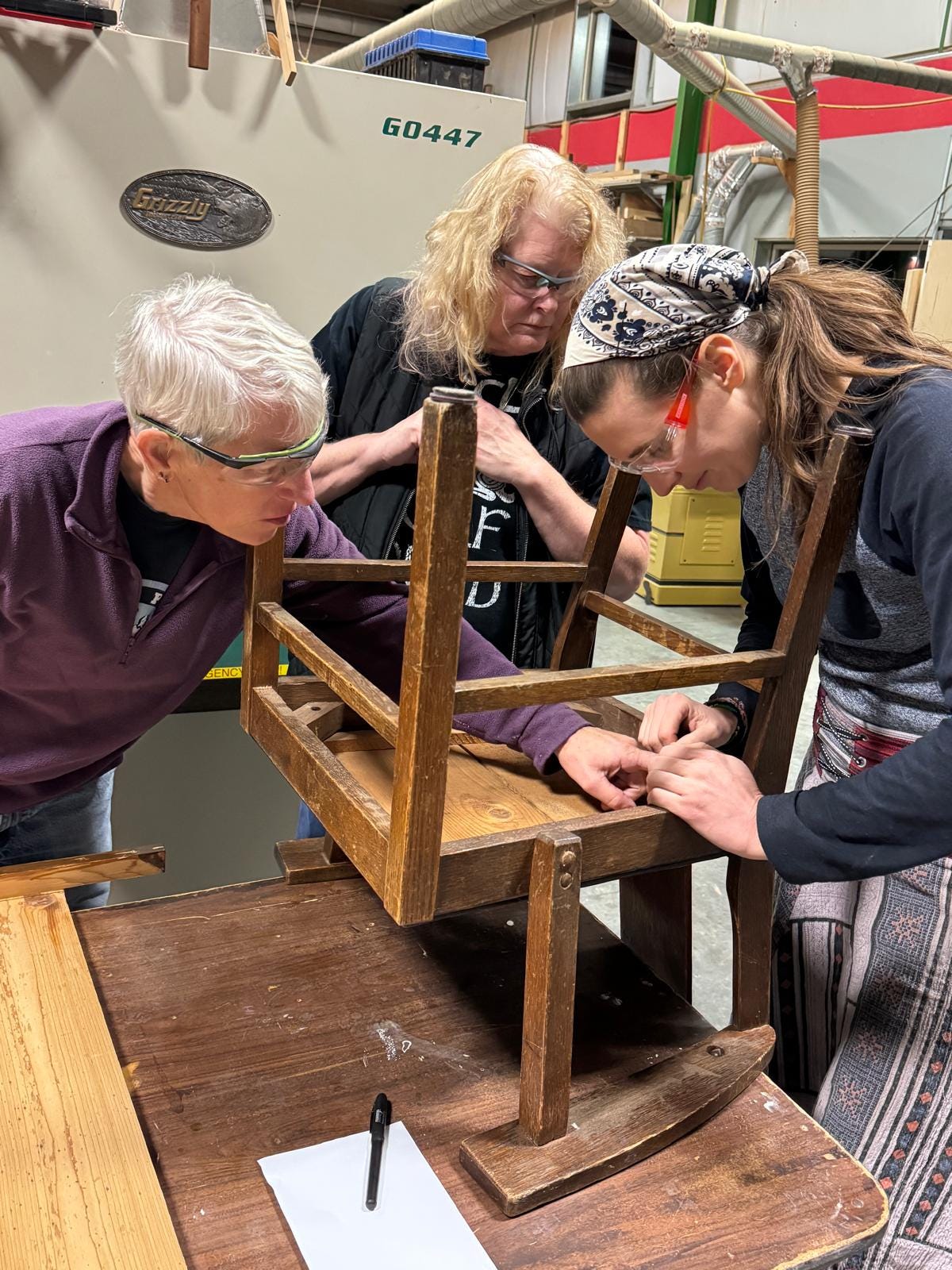
Last year I met Christy Tice, a bubbly young woman from Bend, Oregon, who earns a living as a handywoman.
She consented to an interview. Here is our conversation, edited for length and clarity. It’s a bit long, but I was so intrigued with her perspective that I didn’t want to delete any of it.
Dorcas:
I really have a heart for Anabaptist women who find themselves single, even though that was maybe not what they intended and/or hoped for. And then they have a hard time supporting themselves. I was so intrigued with your handywoman business. So I want to know about that, and can you give me some background for both the name and the business? Christy:
I call it Handy Mandy. I was considering the name, and one day my housemate said, “Oh, too bad your name isn’t Sandy! You could call it Handy Sandy. You should change your name!”
I said, “Well, if I were to change my name to rhyme with handy, I’d probably pick Mandy because I played a Mandy in college, and I just like the sound of it better.”
And she said, “Handyman…dee??”
I was like, OH.
I knew I’d get called Mandy all the time and I do. But it was worth it.
I think that was January of 2022.
Dorcas:
Can I ask how old you are now? , Christy:
I’m 32. Dorcas:
So when you started, you would have been, 28? Christy:
Yes--27 turning 28.
Dorcas:
How did the idea for the business come about? Christy:
I grew up working for my dad. He has a stringed instrument business, and that gave me an intro to woodworking and tools and repair in general. I had a good foundation there, and I’ve always loved learning new skills. Since moving out on my own, if something breaks, I’ll say, let me look into that and see if it’s something I can do.
Also I’m very frugal, and that’s another added reason to try to do everything myself. Five years ago, I spent a year working for a family, doing odd jobs, anything from meal prep to cleaning to laundry to yard work. Every now and then, they would have something for me to fix. “Oh, this little toy broke. Can you glue it?” Or “This cabinet hinge isn’t working quite right, do you know how to fix that?” I found myself enjoying that so much. I told them, hey, if you have any more things to fix, keep those coming. After I said that a couple of times, the mom of the family said, you should start a handy business. I totally laughed it off at first, but one day while I was working on some job, I started thinking about what it could look like. I had some ideas come to mind that I got really excited about, like the fact that I could be there for single women, moms, the elderly--which it turns out is 90% of my clientele now.
I wanted to do a sliding scale so I could make sure people can afford the help they need. Now I tell them my sliding scale, from $25 to $50 an hour, and say, you pay whatever on that you can afford. That was something that had a lot of responses. “Really?! That’s not gonna work. That’s gonna be weird.” But I really felt that strongly and it’s actually worked well for me.
Once I’d deposited that little vision on my heart, I started praying and seeking God’s will on it. I definitely didn’t want to just rush into it, so I kept praying through every element of it. I had a good peace about it and things started falling into place. It took me several months to get it off the ground. I was working part time for a local company here as well as doing all my usual odd jobs.
To start, I put up one little post on NextDoor. It’s an app with the local social news, a community bulletin, that sort of thing. My post stayed up for only three days. I didn’t realize you’re not supposed to promote your own business from a personal account. So they took it down, but even in those three days I got so much business it carried me through almost the whole year.
I hit the ground running, God blessed it so much that I instantly gave my two week notice, quit my odd jobs, and started doing that full time.
Business slowed down the next two winters. For the longest time, it was such a walk of faith like, I have work scheduled through this week, but nothing after that. And just when I thought I had exhausted my resources like Next Door, people just kept calling and calling and calling. One winter it got really slow and I sent out a message to my clients, hey, if you’d like do a review or recommendation of me on NextDoor—because that’s allowed—I’ll trade that for an hour of free work. And that slammed me for the rest of the year.
I did that one more time the next winter and I was scheduled four or five months out. This past winter is the first time I haven’t had to do any kind of promo like that, and I’m still booked at least two months out.
Dorcas:
Tell me a bit more about how it became a ministry, or how you integrated work, calling, talents, outreach, all of that.
Christy:
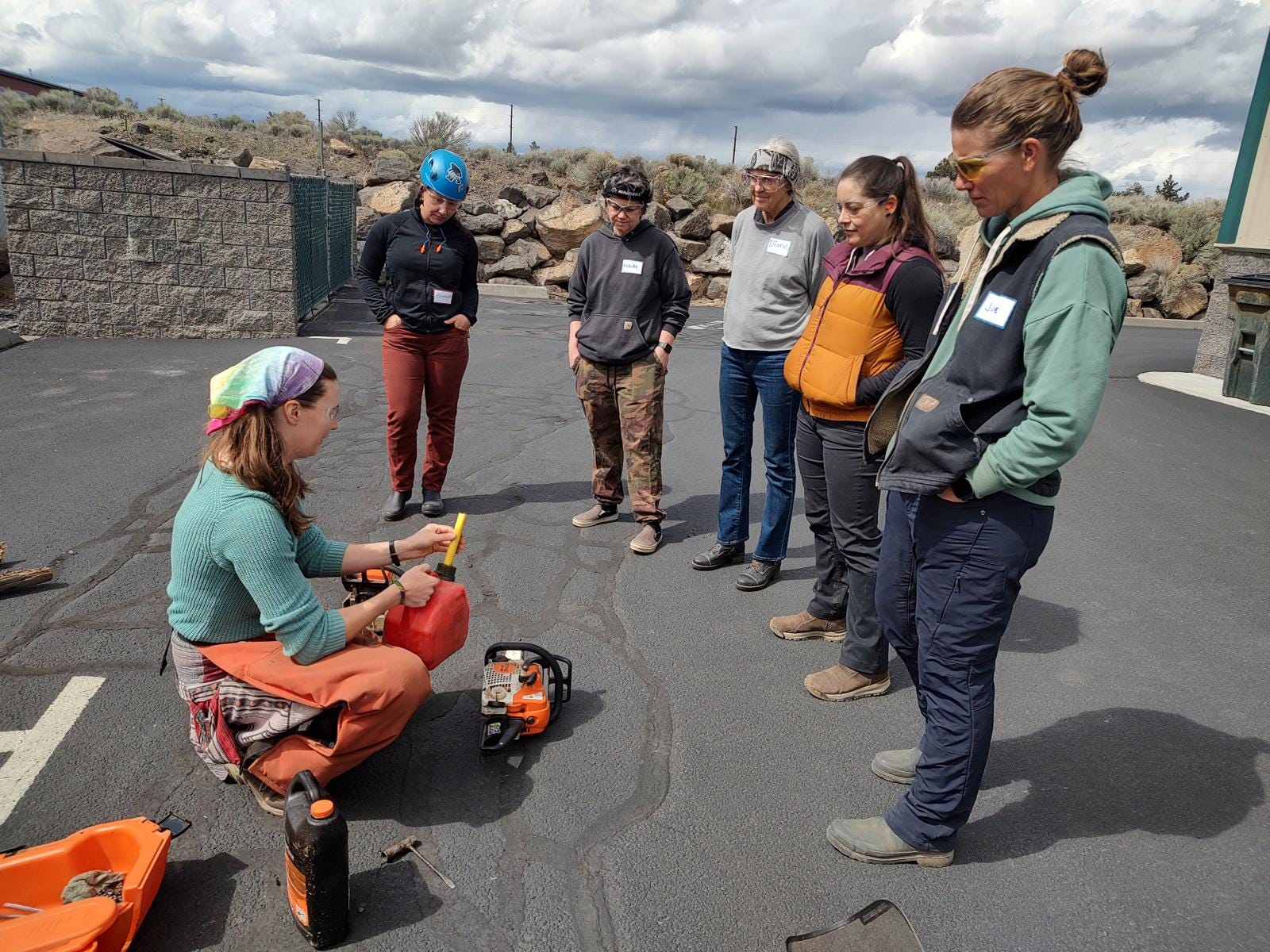
All my life, I wanted to do ministry of some sort, but not necessarily in an official church position. So my first big step of faith was going to a Christian college that does theater down in Florida. Then I came out here [to Oregon] to work at a ranch, Crystal Peaks E ranch, and that was another outlet of ministry. But both of those had their program structures—this is how we do ministry.
When I left the ranch, God started teaching me that ministry ought to be how I live my life, not just whatever program structure I’m part of. God’s continued growing that in me and teaching me. Dorcas:
Did you say the elderly are 90% of your clientele?
Christy:
I haven’t sat down and calculated, but I’d say single moms and the elderly are my best clients. I would say 90 to 95%. I guess I have a few younger couples. I very rarely had any single men reach out, like maybe a handful. I have a policy now that I try not to work indoors alone with just the guy there. If it seems like that might be a possibility, then I try to make that clear and ask for either someone else to be around or to schedule a time when their wife is around. It’s multifaceted—for safety and for living above reproach. In today’s culture, some people are really thrown off by that, but a lot of people understand and respect it, and thank me for it. Dorcas:
I guess that’s a nice thing about doing your own business, you can just decide what you’re comfortable with.
Can you give me a few examples of things you’ve done in the last week and what those tasks looked like?
Christy:
Let’s see. I worked for a lady who’s been a longtime client. I worked on her doorbell and repaired some cabinetry in her little teardrop camping trailer that had gotten somewhat broken and out of place. I reinforced and fixed that.
I’ve been repairing fence for someone. The post rotted and a section of their fence fell over, so I’ve been replacing that.
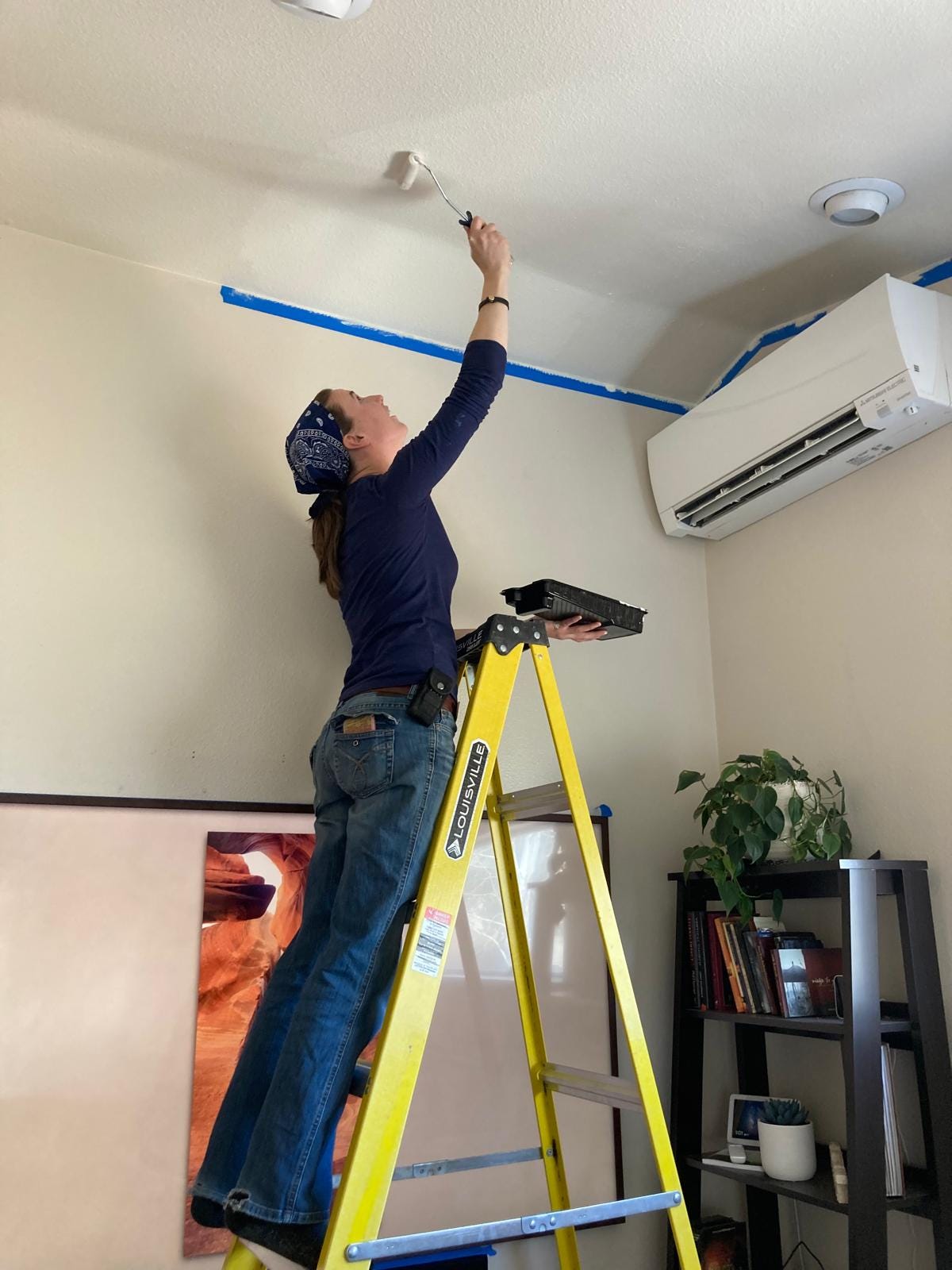
Painting and patching are very common jobs, but generally I wouldn’t do more than a small room at a time. Usually it’s a hole in the wall I need to fix.
Replacing toilet and sink parts is very common.
And putting together furniture for someone, like IKEA furniture. The IKEA person also had me put together some chicken coop structures.
I took some things to a storage unit, and I do dump runs.
Dorcas:
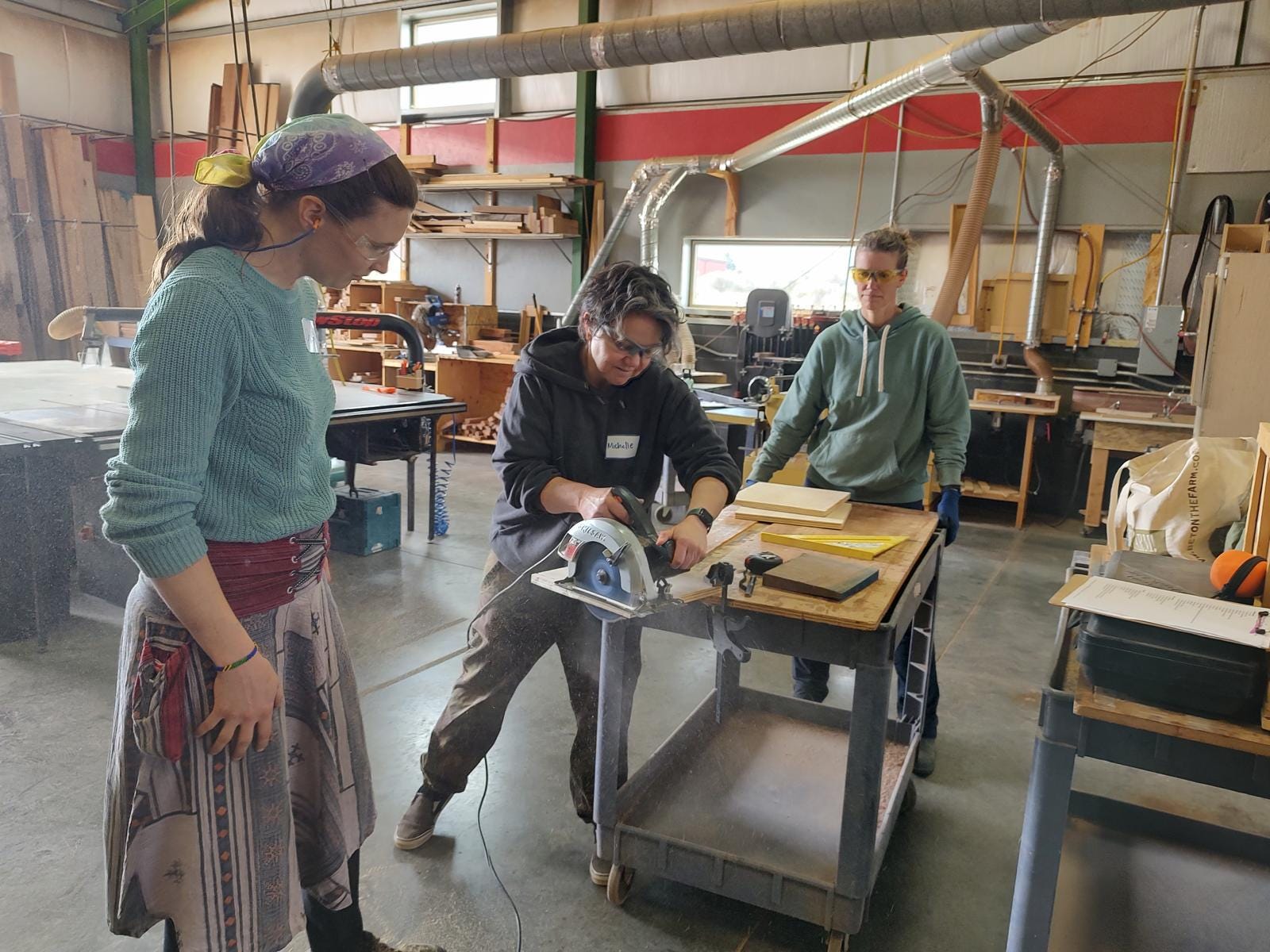
There’s a cultural thing with conservative Mennonites about women doing very specifically women’s work, and I’m wondering what you’d say to that. I find it sad when it puts older single women in a financial bind. I am wondering what you would say to a 30 year old Mennonite woman who maybe has some of your skills, but hasn’t even thought about doing what you’re doing. Christy:
This is a subject that I’ve had to wrestle with. My background is what I would call your basic cultural American. I grew up in a non-denominational church, and I don’t call myself Anabaptist or Mennonite, but I’ve come to appreciate those groups.
I’ve never really agreed with the feminist movement. I’ve seen how it was hugely impactful on my church and community culture and mindset. I didn’t have a healthy view of femininity.
I was very much a tomboy and shied away from anything feminine and girly because of the negative stereotypes that I grew up hearing and believing about what it looked like to be a woman.
God’s brought me on a journey of healing over the last maybe six years, where he’s very gently bringing me around to understanding his ways and his roles for women specifically. It was a tough subject for me because my view of being feminine was like that movie quote, “You play ball like a girl.” It was an insult that boys threw at each other. Or my brothers would make jokes about crazy women drivers. Femininity seemed basically ditzy, airheaded, concerned about nothing but your looks.
Both the feminine and feminist cultural stereotypes put women in a box and devalued them and made them look useless. So that’s why I tended toward being fiercely independent. I didn’t know if I could trust anyone to take care of me. I don’t want to be helpless, so I’m going to learn all I can.
I’m learning that God does have a good design in giving structure and roles, and I’m learning to bring out those feminine things that I had kind of squelched in myself, things God naturally put in me as a woman.
One of my questions was, is it ok for me to continue in this field of work, and I believe it is. One, because I am a resource to women primarily. That is a good niche, and I have a lot of women that thank me. They so appreciate that they can call on a woman, someone they can trust and feel safe with having in their home with just them. Or a single mom having me around her kids. I believe that is a feminine role, in a sense.
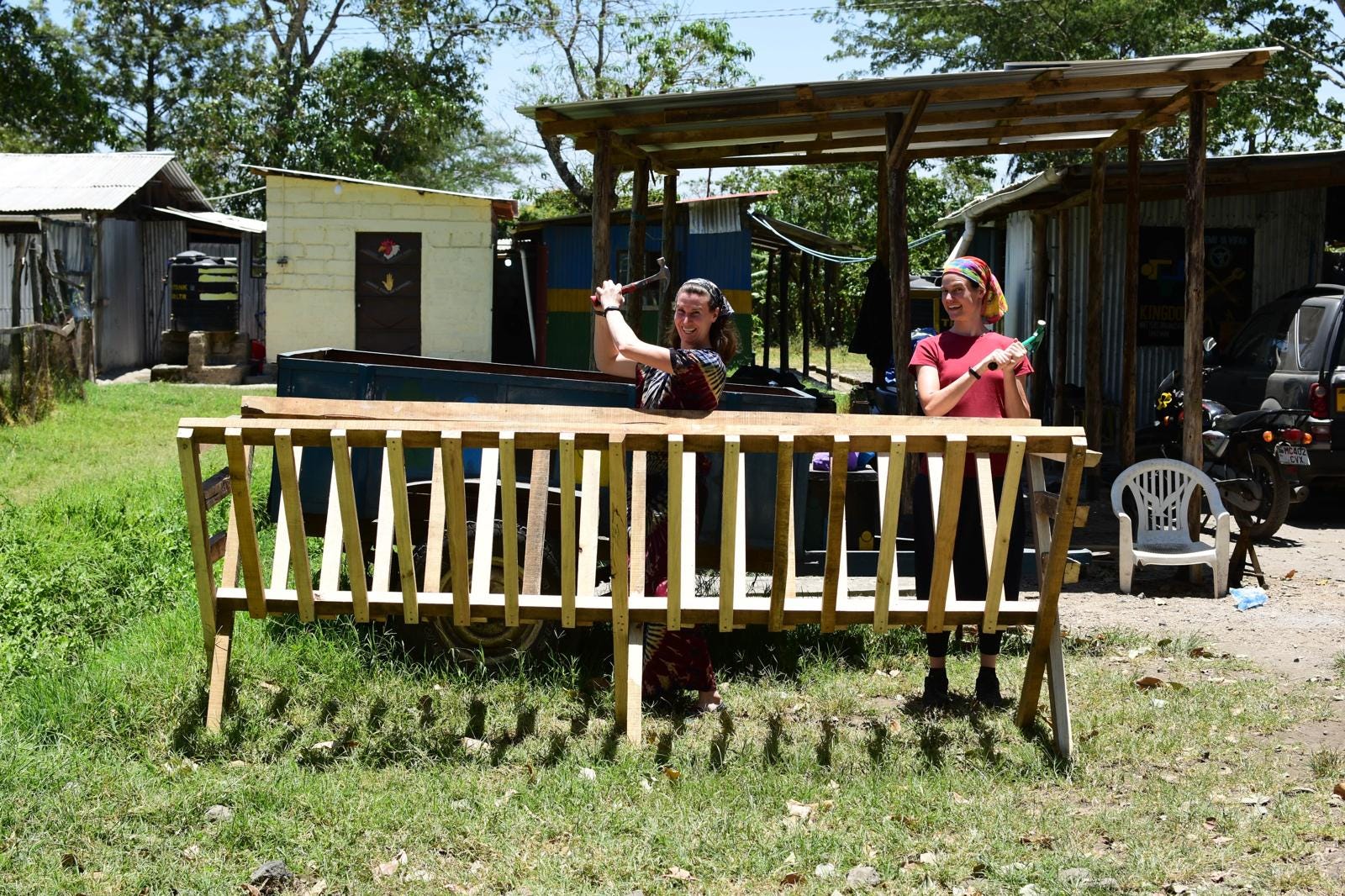
If there are men around that can do the work, I’ll happily step back and let them. I don’t need to charge ahead and take the lead, like Woman Power! I have started dressing more femininely, which was also a trick. How can I do that in the type of work I’m doing? I went to Tanzania for almost a month, and the women there were expected to keep a certain level of modesty and femininity. And they work hard! I learned a lot of different ways to dress femininely, like wearing pants under a skirt.
So when I came back from Tanzania, I was like, all right, I did this for three weeks in way less than ideal conditions, with whatever I had. I’m going to commit to this standard of dress and see how it works. I’ve been building up my resources because I didn’t have that kind of clothing.
I found these loose pants, I call them Aladdin pants, and I turned them into a skirt. It has pockets, and it’s my favorite work skirt. Pockets are critical! I made one for my sister who’s also coming along on the same journey as I am, of dressing more femininely, and she loves it. That was technically the first article of clothing I made from scratch.
Dorcas:
With your evolving attitudes about femininity, do you find yourself exploring things like sewing that are, at least in our culture, traditionally women’s work? Christy:
I have always liked doing a lot of things like cooking, baking, gardening, and sewing. I viewed it as doing the best of both worlds. I’m good at all the man’s work and I’m good at all the women’s work. I’ve always done a lot of those more practical tasks, just shied away from skirts and dresses and makeup. And shopping and getting my nails done. Things that the culture around us puts on us. “This is what women do.” I think the culture is coming around, though. I find fewer and fewer of my friends wear makeup or jewelry, only when it’s time to dress up for something. It doesn’t seem to be nearly as much of a pressure as it seemed to be when I was younger.
I didn’t even know of ways to dress femininely and modestly and practically. In the culture I grew up in, to dress femininely, you had to wear clothes that were more form fitting, because everybody wore jeans and shirts. Loose jeans looked masculine, but those were the only options I knew of that were practical because they had pockets and they didn’t trip me going up ladders.
Also, in the culture I grew up in, most women wear pants and shirts except when they dress up. There’s a very strong perception of, skirts and dresses are for dressing up and you keep them clean.
Going to Tanzania helped me decide, I’m going to have a painting dress. And I’ll have a work skirt that I’m getting totally dirty and maybe ripped. That was a definite perception I had to break. Some people are really surprised when I show up wearing a skirt or dress. They say, “Oh, you don’t look like you’re ready to work.” And I say, “Actually, this is my work skirt. It hides the dirt really well.
Dorcas:
I’m curious about your church situation. Do you have other people around you taking the same journey or are you standing alone there as well? Christy:
Yes and no. My sister is definitely going on a very similar journey, but she lives in Pennsylvania. So we mostly connect over regular phone calls and texts. I do have good community, but it’s kind of spread out.
When I started on my journey of femininity I learned what it meant to count the cost and say, “God, you have all of me. I’m going to obey even if I look silly or if people think I’m weird.” I’m also on a journey with finding a church home but the Lord knows, and I’m looking forward to whatever he does there.
Dorcas:
Back to your business--have you been able to support yourself? I mean, live off your income, plan for the future, get new tires foryour car, that kind of thing?
Christy:
That has been very good, so much so that I’ve actually cut down on my hours. I could work a lot more than I do. But I wanted time at home because I love taking care of my home and cooking and gardening and kind of homesteady type things.
With a married couple, you’d have the man working to support the family and the woman taking care of the home and garden. I kind of do a hybrid, half and half of both.
So I generally schedule work only about 4 days a week. They’re not even always full days. Sometimes I work a little more if I need to get a job done or I need to buckle down and earn some more income. I do all that I can myself around my home. I try to grow things, I fix things, and that allows me to live on a much lower budget than most people. My mom was super thrifty and I learned from her how to shop sales. I don’t buy anything new if I don’t have to. Everything possible I buy from thrift stores or yard sales or Facebook Marketplace. I buy in bulk, and almost never eat out. All those things help. Dorcas: Christy:
Do you own your property? .
No, I rent with a housemate.
Dorcas:
Do you have a website? Christy:
Yes. It’s
My housemate helped me make that. It’s through Weebly and maybe 20 bucks a year for the domain name and 100 bucks a year to register my business through the state. I chose a single member LLC. I also have a business banking account. I want to be above board with taxes and reporting all my income. I also have business insurance.
I found a free tax spreadsheet program as a free download, so you just copy and past your Excel spreadsheet into that. Then you have a little drop down tab of every item to say what it is, like income, expenses, losses, returns, whatever. That makes it a lot easier for tax purposes and insurance.
I suppose you could go without registering your business, but it definitely made sense for me.
Dorcas:
I feel you have a valuable message for women. As a writer and pastor’s wife, I haven’t fit in traditional boxes. I think we need to make sure we don’t create extra-Biblical boxes that men and women are forced into. There’s a bigger picture of what God intended and how he gave us gifts and wants us to use them. So I find this very encouraging.
Christy:
I’m so glad. Thank you for reaching out.
No posts
Comments
Nothing yet. Say the first thing.
Sign in to join the conversation.