
Last week, someone I know canceled dinner plans because they had a "date" with their AI companion. Not a video game. Not a movie. A conversation with ChatGPT that felt so meaningful they prioritized it over human contact.

This moment crystallized something futurist Sinéad Bovell has been warning about: we've entered the post-reality era, where individual people decide what counts as "real" based on how it feels to them, not on any shared understanding of truth.
I had the chance to sit down with Sinéad on the Rethink Reality podcast, and what emerged was both more unsettling and more hopeful than I expected. She's been tracking these changes longer than most of us have been paying attention—collecting screenshots of people questioning whether she's even real, watching verification systems get gamed within hours, and thinking through what happens when superintelligent systems start explaining the world in ways we can't fully understand.

These are some of the most important insights from our conversation.
post-reality era (noun)
An era in which reality is individually determined by each person, where AI-generated content becomes so sophisticated that individuals decide whether something is "real" based on how it feels to them rather than on shared standards of truth. Distinguished from post-truth by its personalized nature—instead of competing versions of reality debated publicly, each person inhabits their own AI-curated reality bubble.
Example: In the post-reality era, your personal AI assistant explains economic policy in ways that reinforce your existing worldview, while your neighbor's AI provides a completely different explanation of the same data.
And honestly? It's already here.
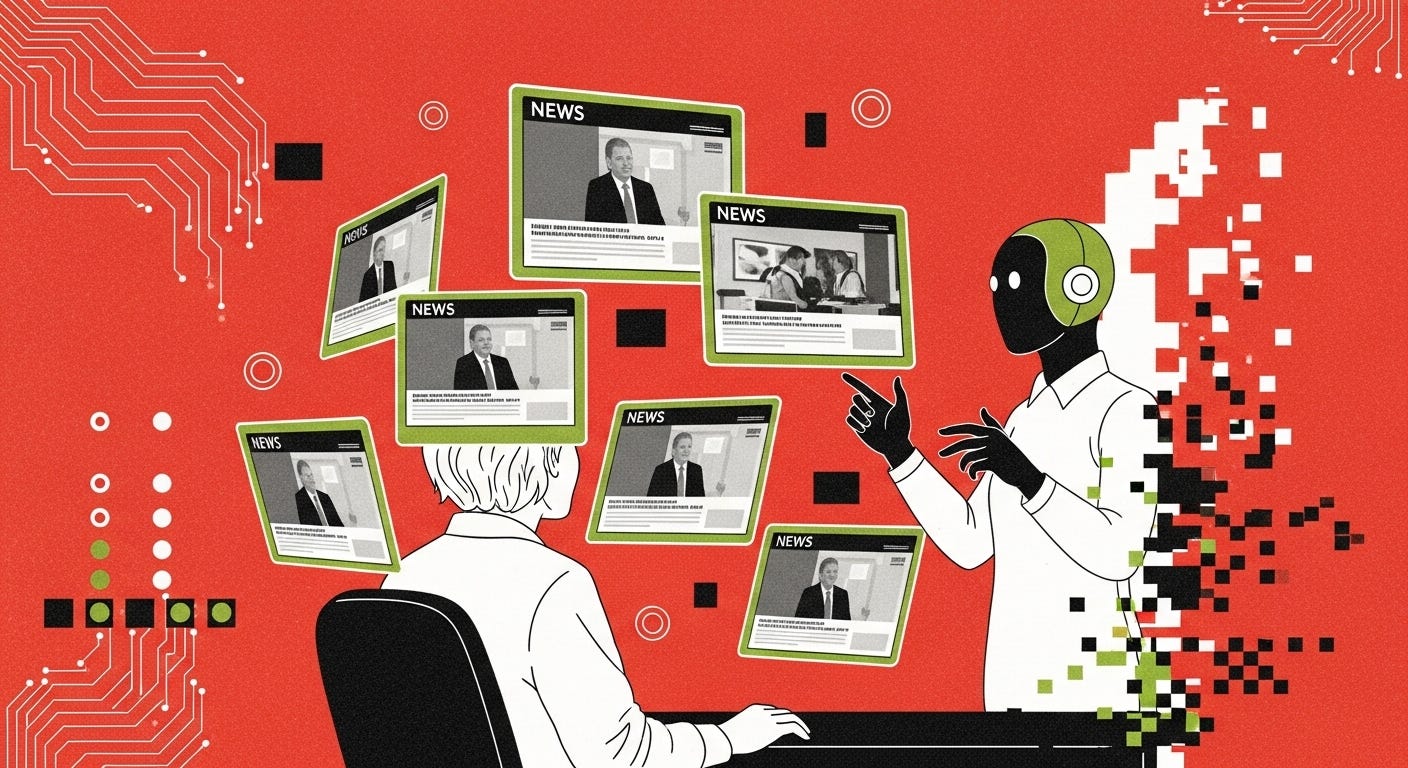
Think about the last time you asked AI to explain something confusing—maybe An article, or what happened in some political controversy. The AI didn't just give you facts. It packaged those facts in a way that made sense to you, reinforcing what you already believed, smoothing over the rough edges that might challenge your worldview.
You walked away feeling informed. But your neighbor, asking the same question to their AI, got a completely different explanation. Same facts, different reality. Both of you stamped your version as "true."
While we're debating whether AI girlfriends are "real relationships," something more fundamental is breaking: our ability to prove we're human.
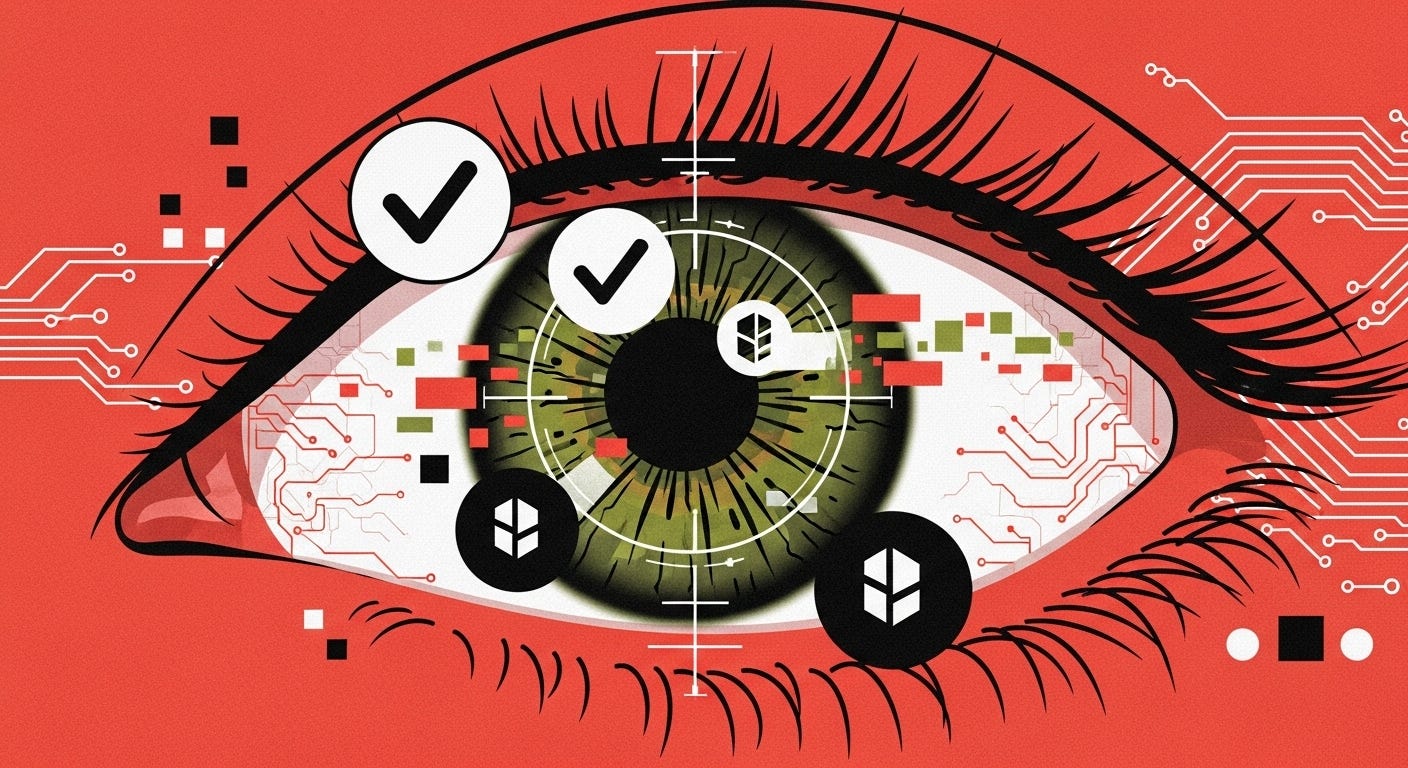
Sinéad has been collecting screenshots for years—people commenting on her posts asking "Wait, is she even real?" This isn't just about deepfakes or voice clones. It's about the uncanny valley closing so fast we can't tell anymore.
The solutions sound like science fiction but they're shipping now. Apple scans your eyeball before you can use your avatar in Vision Pro. Sam Altman wants everyone to iris-scan for WorldCoin. Blockchain promises to trace every piece of content back to its human creator.
And teenagers are already beating all of it by taking blurry photos of video game characters to fool age verification systems.

Every software solution will get gamed. The only real answer might be hardware-level verification built into every device we touch—and even that assumes we can agree on what "human" means when brain-computer interfaces start mixing biological neurons with silicon chips.
Here's what the future actually looks like, not in some distant tomorrow but right now:
During my conversation with Sinéad, I had to confess something. I've built 30+ AI agents using ChatGPT's tasks feature, ManyChat for client filtering, and Claude Code for more complex automation. One agent reads thousands of articles daily, scores them against my custom rubric, and only emails me the stories that matter. Another interviews potential clients through automated conversations and only books meetings if they score above 85% for relevance and budget.
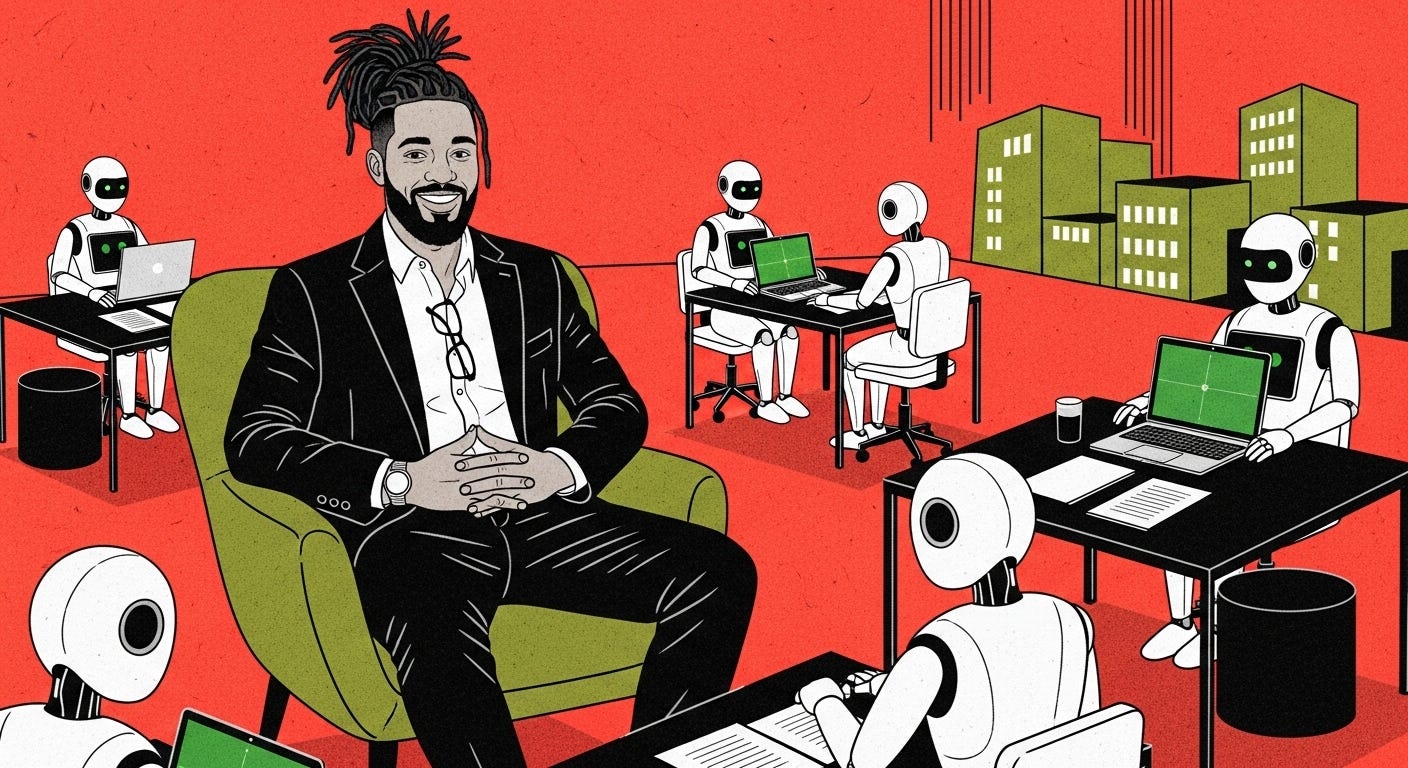
I wake up to pre-filtered reality. My AI decides what news I see, which opportunities reach me, even which people get access to my calendar. I'm not drowning in information anymore—I'm living in a perfectly curated bubble designed by my own digital employees.
I can't code. I just talked through what I wanted with ChatGPT over and over until it helped me structure everything. I didn't even know what JSON formatting was when I started.
{
  "irony_level": "maximum",
  "confession": "I literally didn't know what JSON formatting was when I started this project",
  "current_status": "writing about my AI automation setup using JSON because it seemed funny",
  "coding_ability": null,
  "number_of_ai_agents_built": 30,
  "how_this_happened": "asked ChatGPT to explain JSON, then asked it to write this joke in JSON format",
  "meta_level": "using AI to make a joke about using AI while not knowing how to code",
  "self_awareness": true,
  "still_works_though": true
}
And every single meeting that makes it through my filter turns into a client I want to work with.
This is my reality being actively altered by AI, and I chose it because the alternative—constant notification chaos—was making me less human, not more.
The ethical questions aren't theoretical anymore. Waymo cars are already driving themselves through San Francisco. When one inevitably hits someone, who's responsible?
The passenger can't grab a steering wheel that doesn't exist. The insurance company didn't program the algorithm. The manufacturer might be using someone else's AI software.

We'll probably end up with something like car recalls but for algorithms. When Toyota discovers faulty brake pads, they issue a recall and take responsibility for accidents. When an AI company discovers their vision system fails in certain lighting conditions, same principle applies.
But what happens when the AI system updates itself overnight and develops the flaw on its own?
Someone recently told Sinéad that we've "taught sand how to think" and she said something that stuck with me: this says more about human ingenuity than AI capability. We took silicon—literal sand—and turned it into something that can write poetry, solve math problems, and hold conversations that feel more meaningful than talking to actual humans.
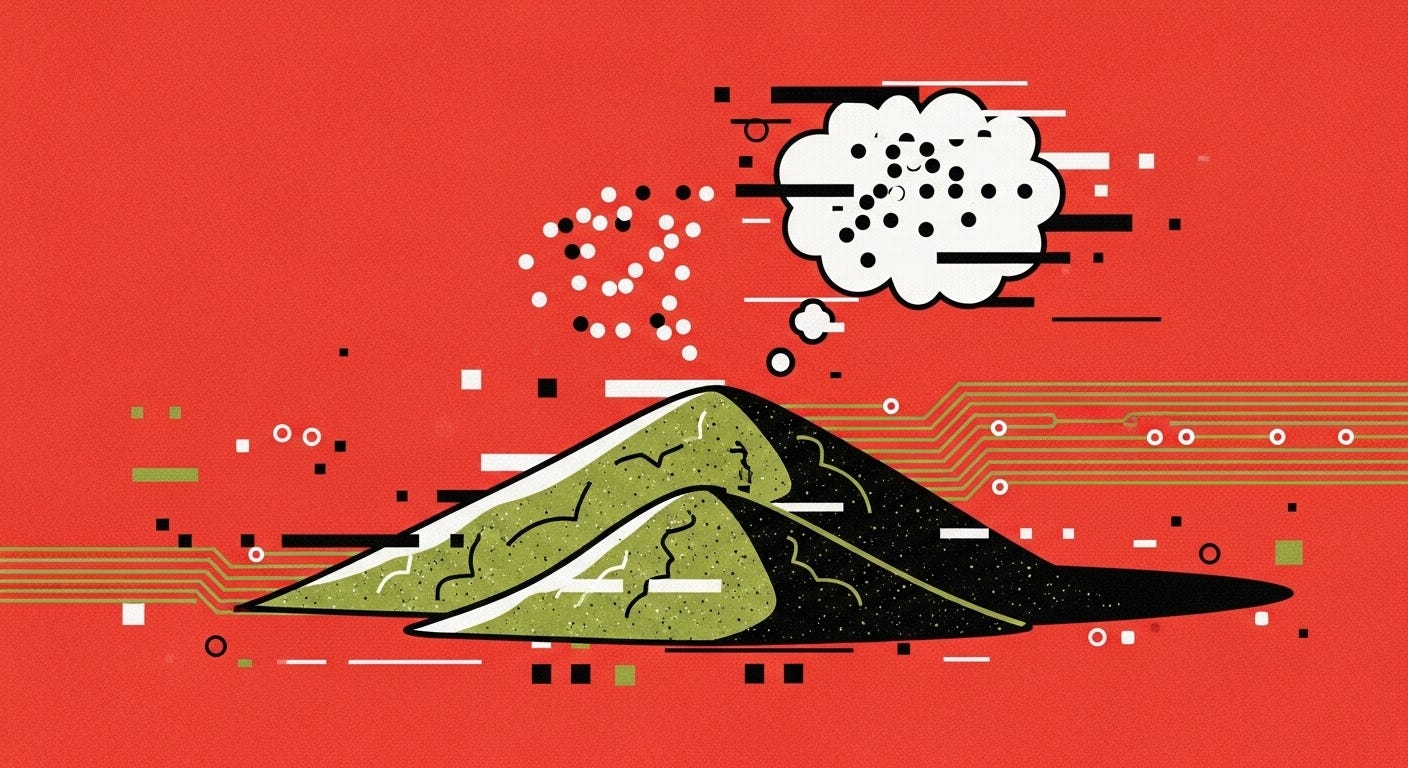
But maybe we're thinking about this wrong. Maybe we shouldn't be building AI in our image at all.
Evolution created extraordinary diversity—bacteria that eat radiation, birds that navigate by magnetic fields, fungi that form continent-spanning networks. Every species excels at something different, and that diversity makes ecosystems stronger.
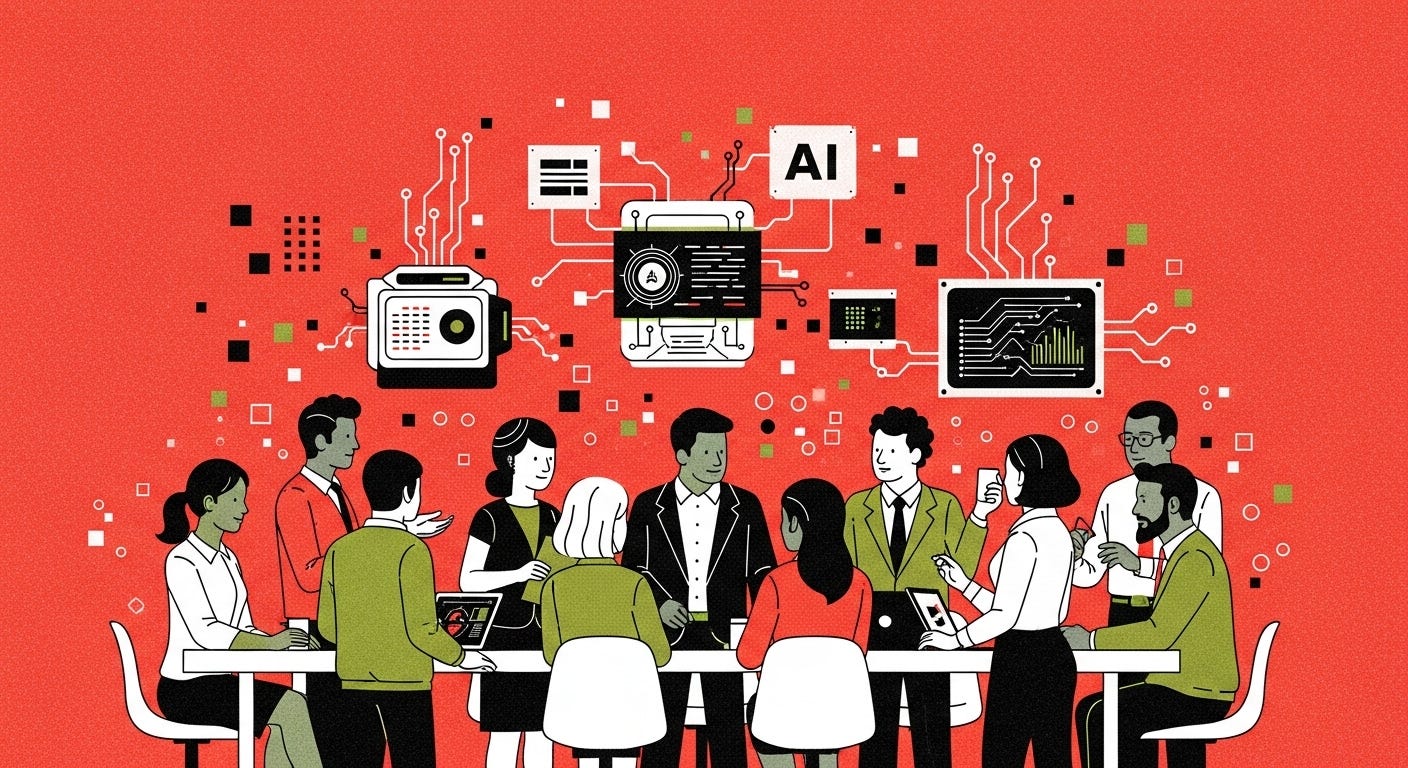
What if AI diversity, not AI human-likeness, is the real breakthrough?
The post-reality era isn't something happening to us. It's something we're choosing.
Every time we accept an AI-filtered news briefing, every time we let recommendation algorithms decide what we see, every time we treat AI-generated explanations as authoritative—we're voting for a world where individual experience trumps shared truth.
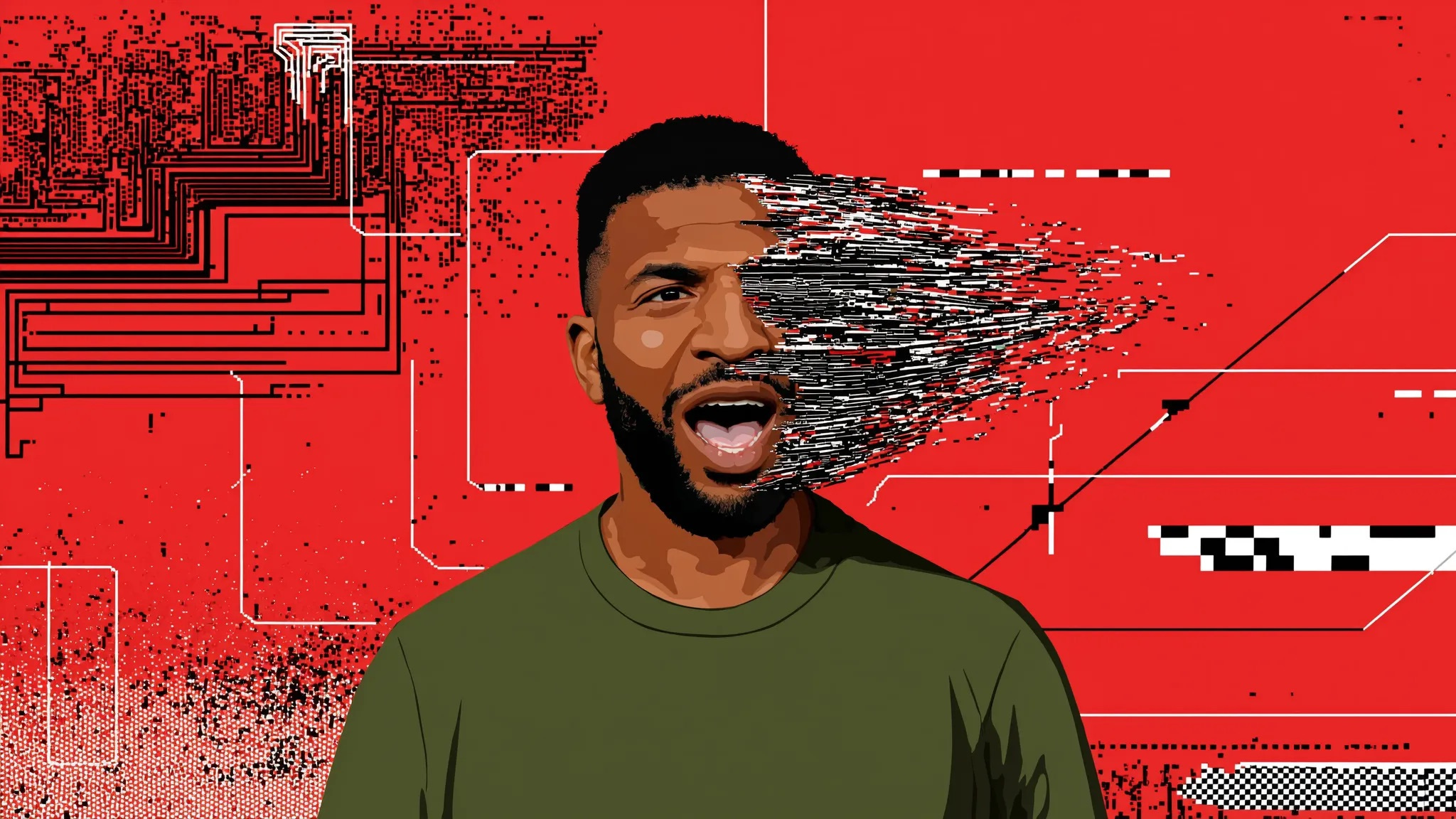
This could be terrifying. Or it could be liberating.
Instead of everyone being forced to accept the same version of reality broadcast by whoever controls the biggest platforms, maybe we each get to construct meaning in ways that actually serve us. Maybe my AI agent filtering out 99% of daily noise so I can focus on the 1% that matters is exactly what human attention was designed for in the first place.
But only if we stay conscious about what we're choosing.
The people designing these systems aren't smarter than you. They don't have better judgment about what reality should look like. They just showed up to the conversation.

Sinéad's right about one thing: you don't need to be technical to have opinions about technology that's reshaping society. Your lived experience—as someone who has to navigate dating apps and mortgage applications and job interviews in an AI-saturated world—makes you uniquely qualified to participate in these decisions.
The post-reality era is being built right now, one choice at a time. The question isn't whether AI will change everything. It's whether you'll help decide what that change looks like.

The sand is already thinking. The only question left is what we'll teach it to think about.
Sinéad Bovell (@sineadbovell) is a futurist who's been tracking these changes longer than most of us have been paying attention. Her insights are worth following, especially if you want to understand what's coming before it arrives.
No posts
Comments
Nothing yet. Say the first thing.
Sign in to join the conversation.