
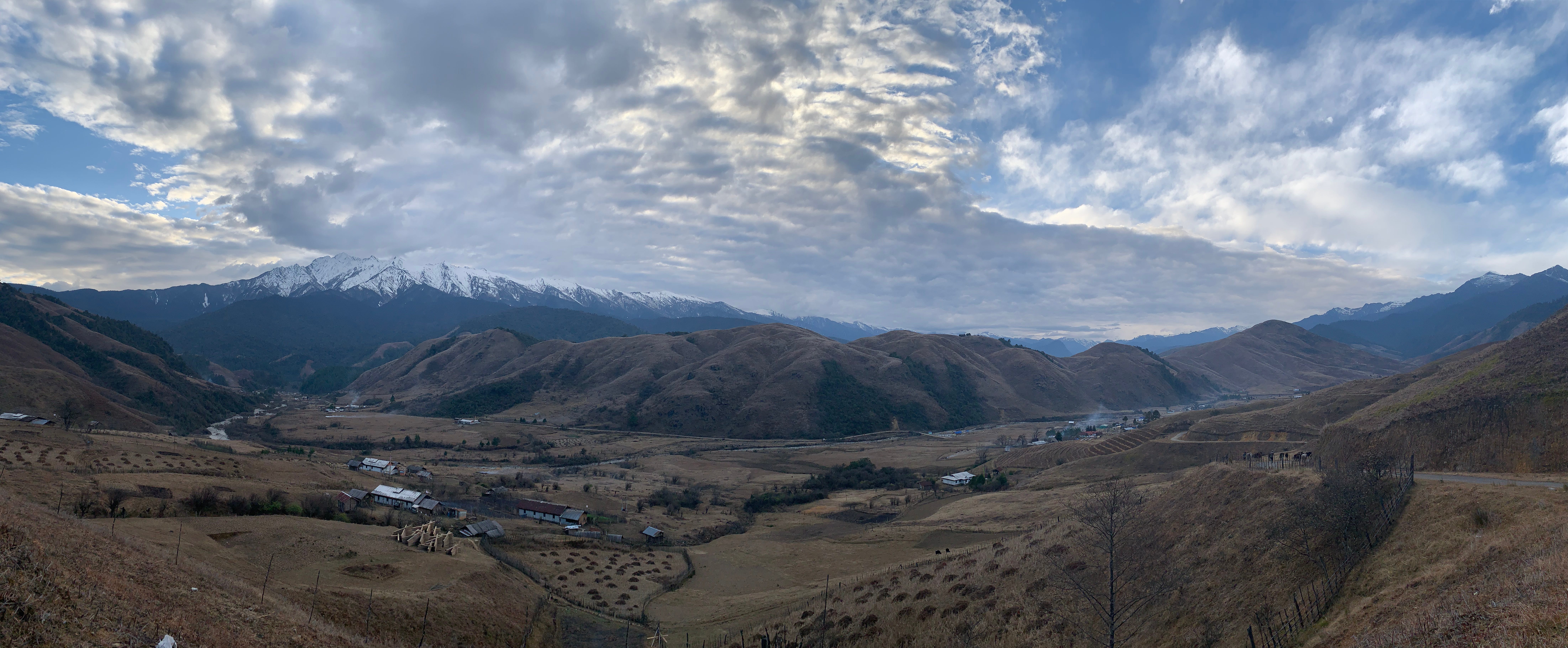
A few years ago, during Christmas, I visited Mechuka, one of the remotest locations of Arunachal Pradesh, India, in the Easternmost part of the Himalayas, with my family. Our homestay host introduced us to two local women who were home from college in Itanagar for winter vacation, freelancing as local guides. They guided us through sightseeing spots, monasteries, valleys, and markets, but I can speak for all of us that it’s not the specific spots that were the highlight of the trip, but just the general landscape of the place. The mountain roads with little colourful houses, and often a river passing through, are etched in my mind. None of our pictures, and none I have later seen on the internet, truly captured the beauty of the place. It was straight out of the early drawings we all must have done as children when asked to draw a scenery with pointed mountains, a tiny little sloped roof house, a tree beside it and a river passing along, originating from the mountains.
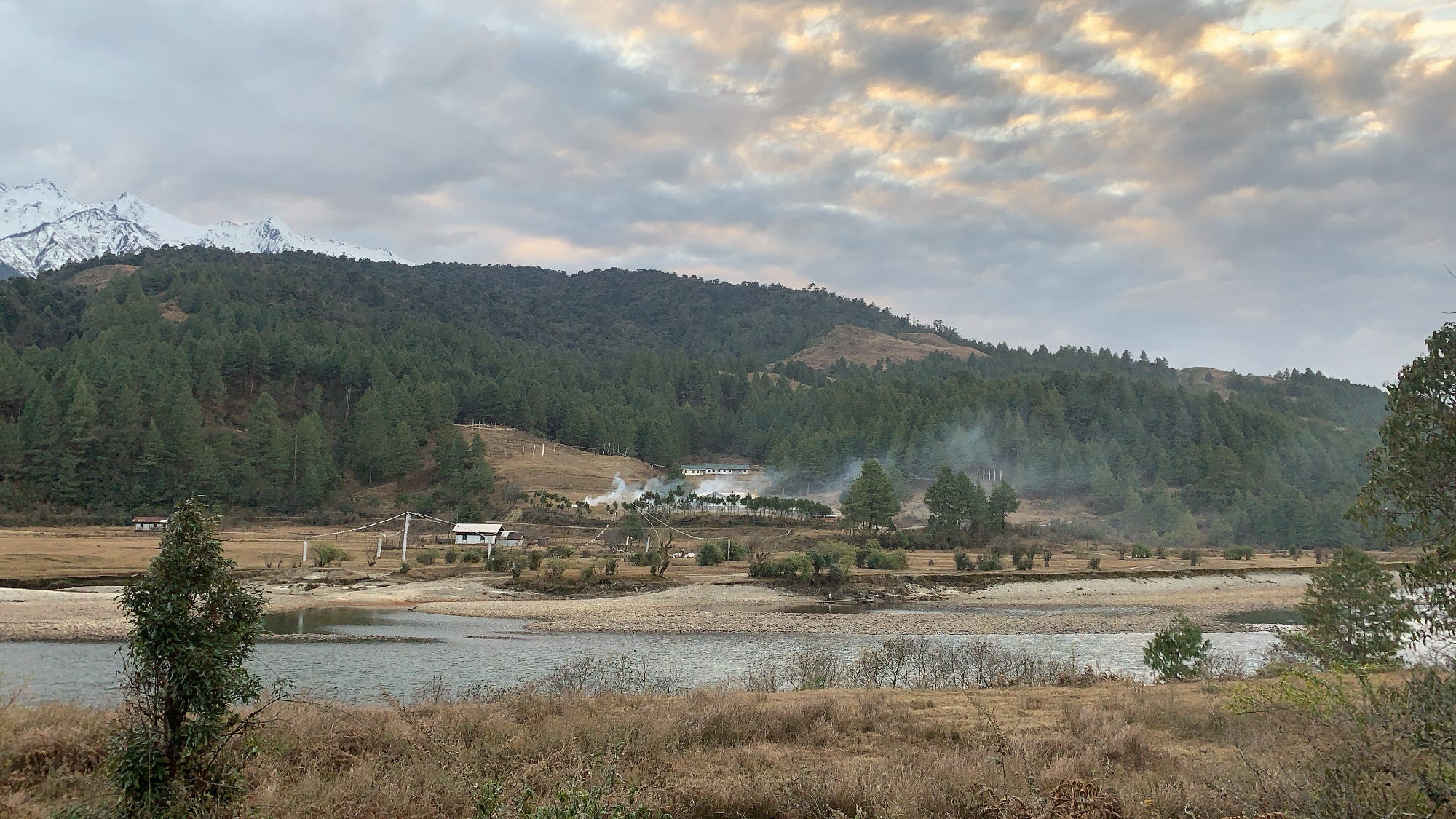
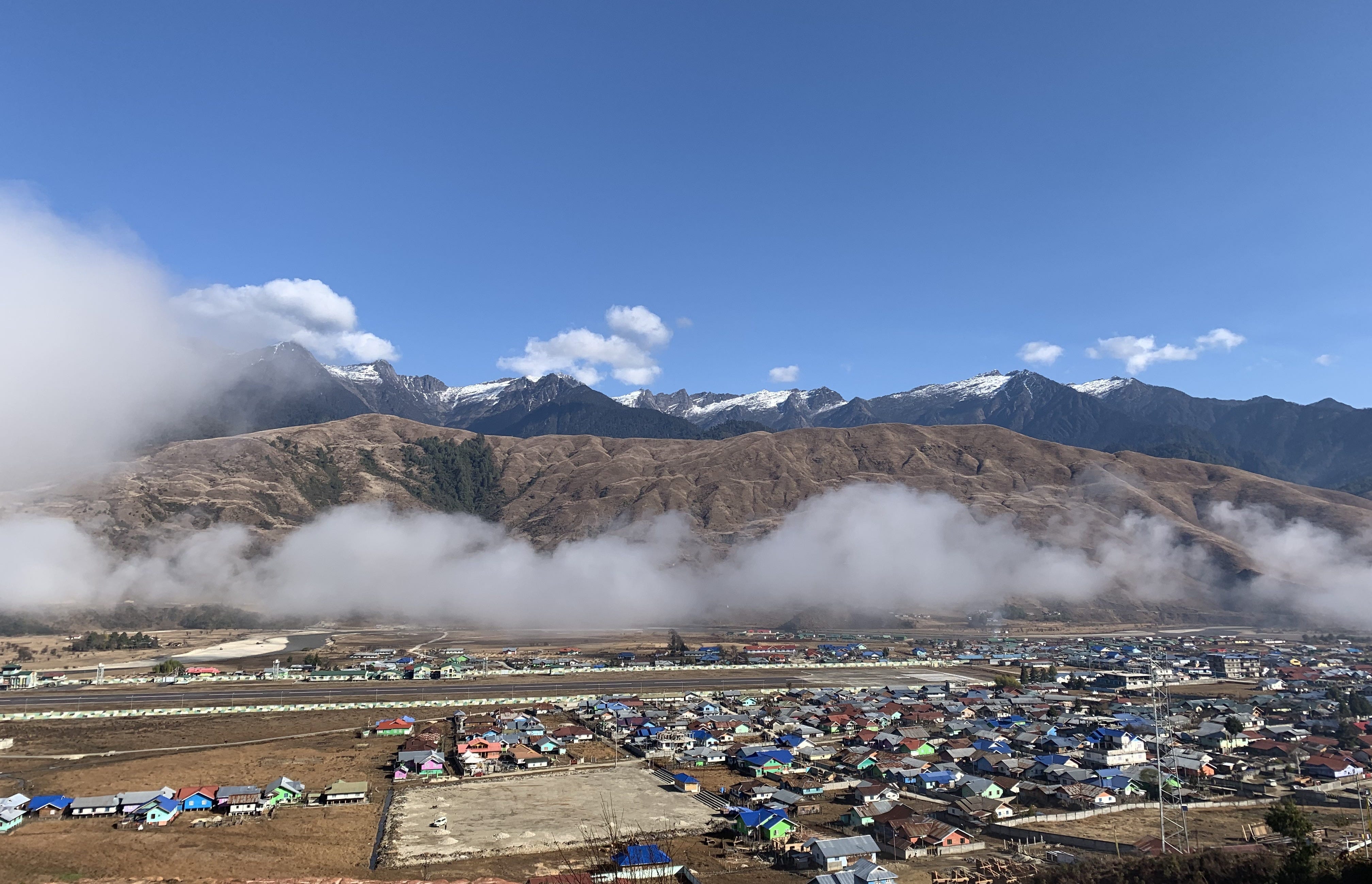
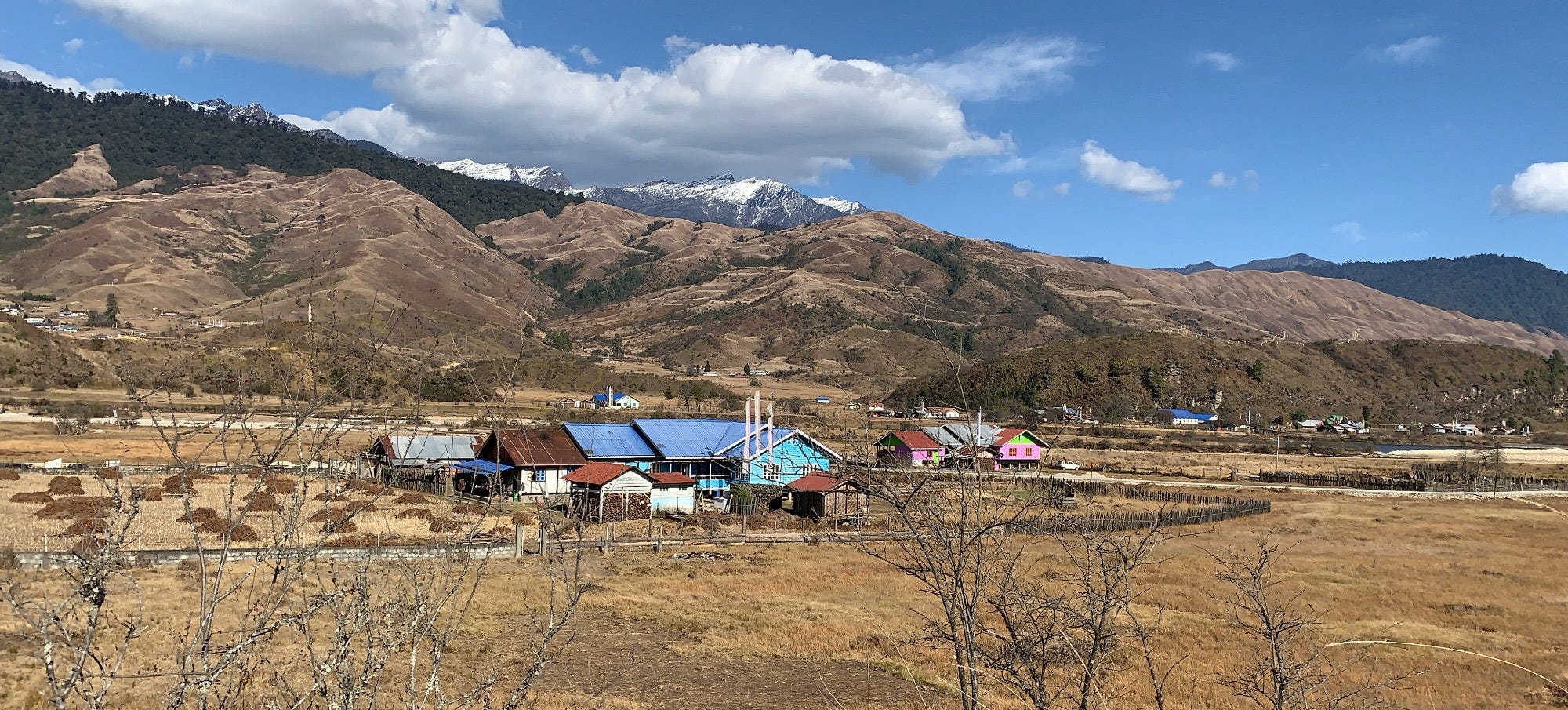
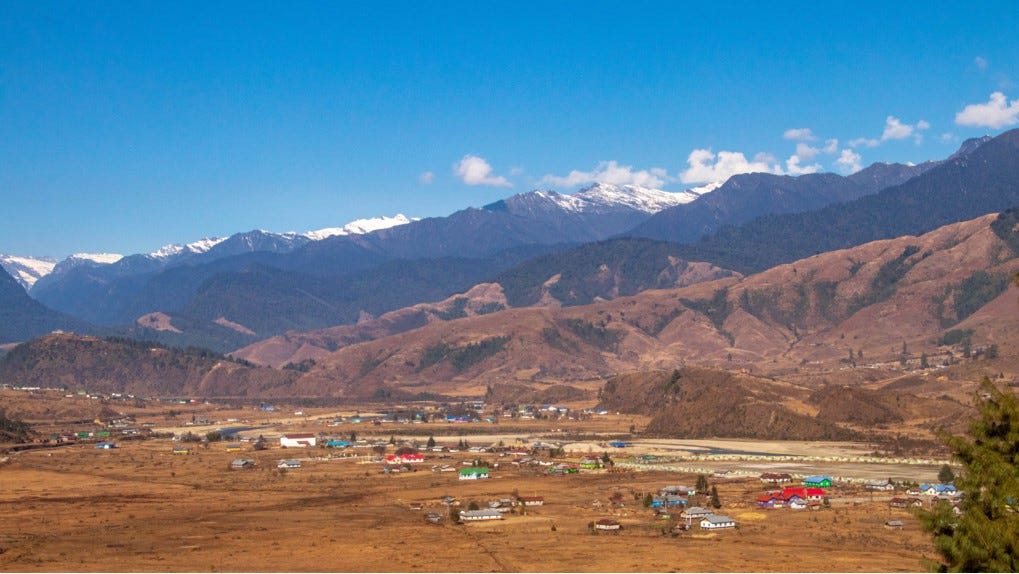
On the last day, as it was getting chilly around dusk, we asked our guide if we could drive around the roads a little bit more, not willing to leave as yet! She said alright but also told us, “But there’s nothing ahead, just a ‘jhopdi’ (meaning slums).” And then we saw the view of a little village settlement from top of the road surrounded by hills and filled with houses with tin and thatched roofs. It was “not just slums” for us but another beautiful sight of a Himalayan village. As we got down from our car to click a couple of pictures before the sun vanished, a herd of horses crossed us led by a villager. It’s one of my favourite moments from Mechuka!
There is a quote in Hindi called “ghar ki murgi dal barabar”, literally meaning “The chicken at home is equivalent to lentils” and actually meaning that we take things that we are close to or own for granted.
While I believe that no one understands a place better than its residents, I’ve also noticed that locals might sometimes overlook small yet meaningful details of everyday life that visitors, especially conscious travellers, truly cherish.
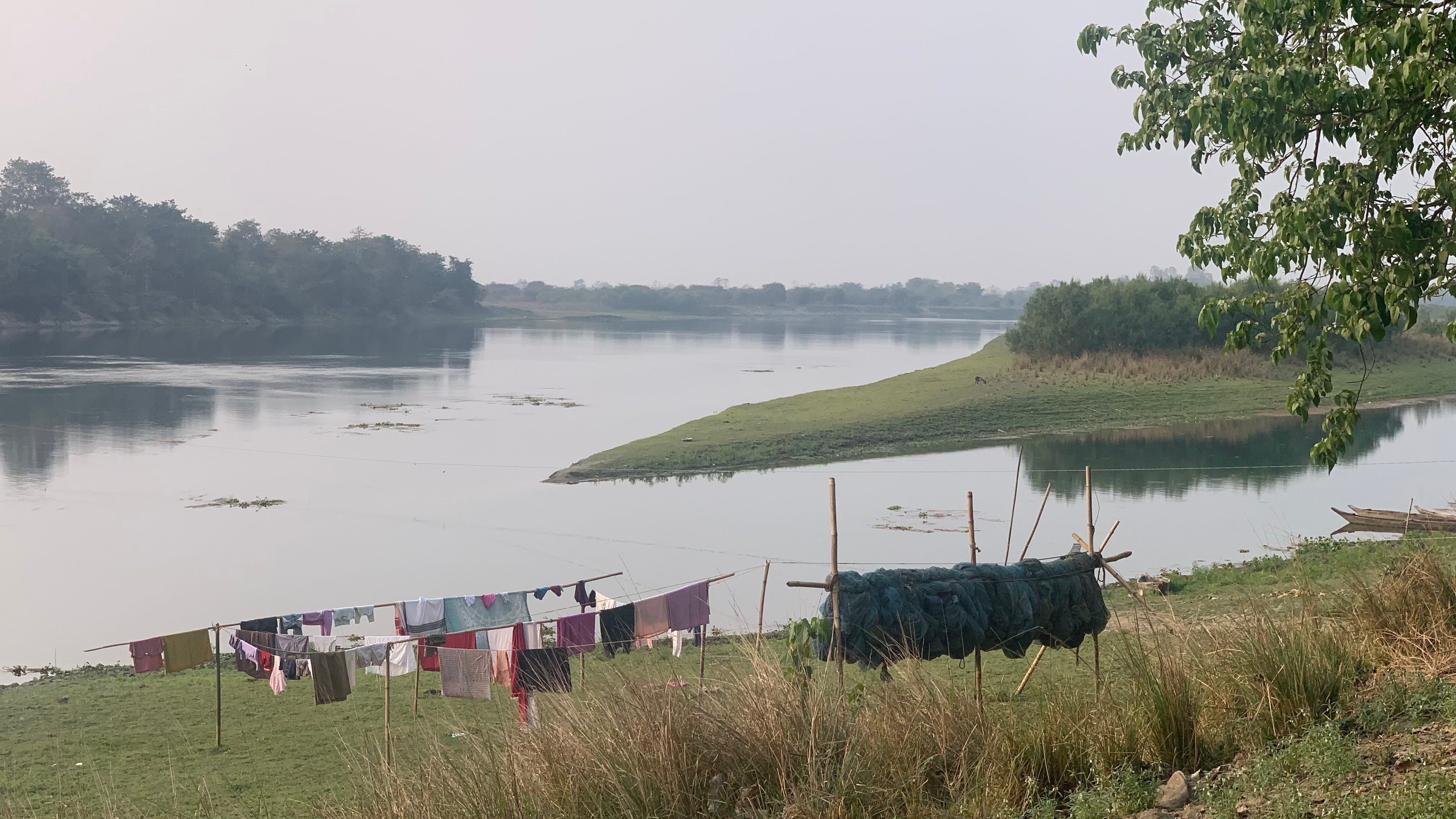
In my home state Assam, I often noticed, especially people from the older generation, being surprised about why someone would come all the way to what is known as a “remote, offbeat” location to just sit around clicking sunrise pictures or birdwatching or walking through village roads! In fact, this February, when I went to a river island here called Majuli, our travel group discussed how so many local people call Majuli “a one-day trip”, while four nights felt less for us.
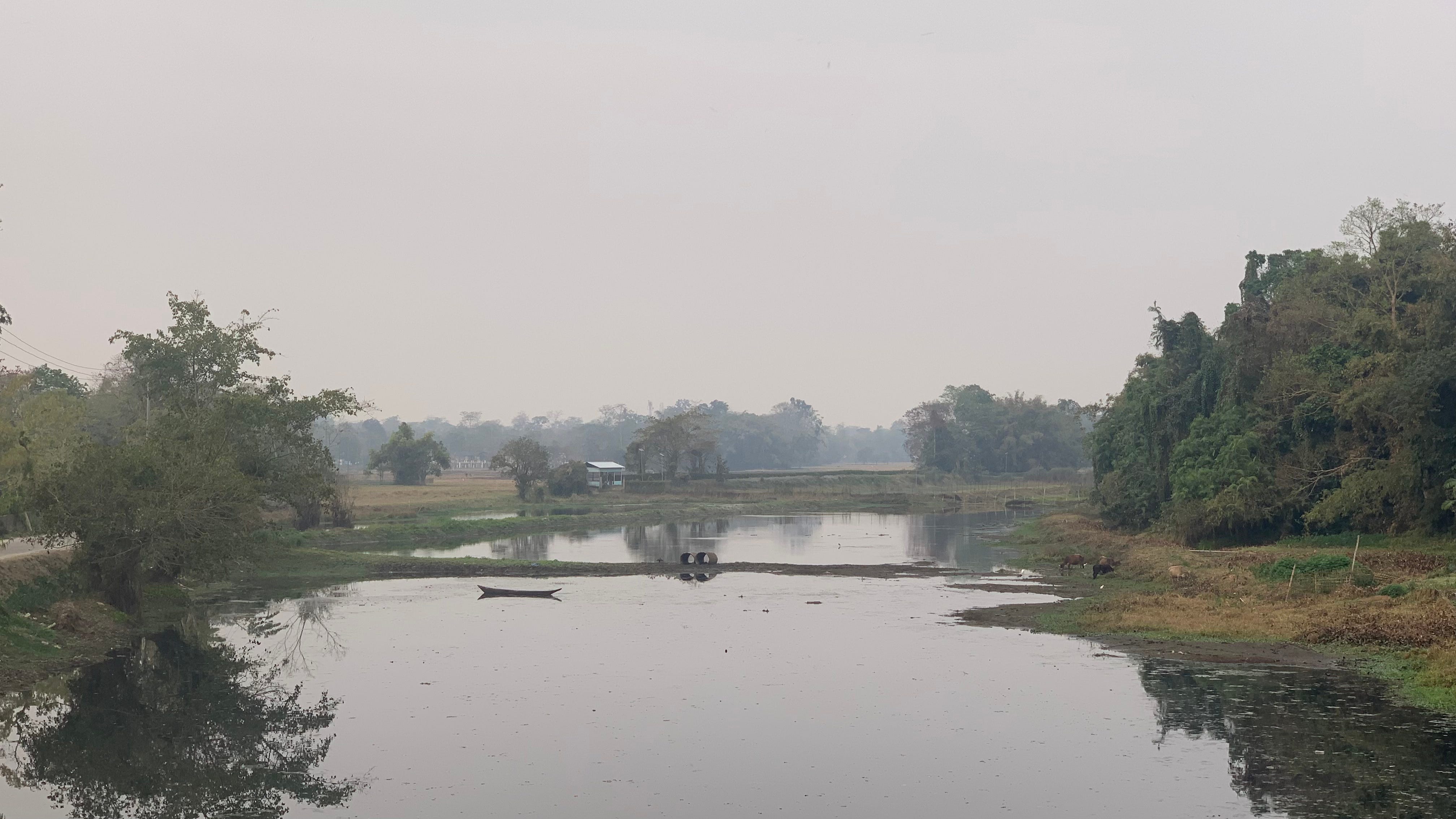
I have an aunt who says, “I don’t want to spend money to go and see valleys and trees.” I can sense most of you reading, gasp! I did this too. But this woman was brought up in Assam in North-east India, a region famous for its greenery and biodiversity and slow, quiet lifestyle. She mentioned she loves visiting places to see things being made - it can be a car, carpet or jam - in a factory or an artisan cluster. The way I see it, she would be someone who would love the concept of experiential tourism involving workshops. In Uttarakhand, instead of enjoying a room with a view, she would love to see how Buransh sherbet is made. In Rajasthan, instead of clicking sunrise pictures in the desert, she would love to visit a workshop making mojari. In Goa, instead of chasing sunsets on the beach, she would love to visit a local distillery making Urrak.
I’m a firm believer that locals know best, as it is their home. But is there a chance of overlooking the potential of our homes from a travel point of view?
Tourism can be beneficial for any local community’s economic growth, but footfall is not the only way to measure success. If conscious, mindful travellers and local communities join hands, the growth can be healthy for the long term.
As locals, recognising the potential of our homes is a good first step.
Is there anything that you feel is overlooked daily in your hometown that has immense potential to play a part in a conscious travel opportunity?
When was the last time you called your home food “basic”, hyperlocal art “boring” or everyday views, “just fields and trees”?
Recommendation: Travel + Learn startup, The Expedition Collective (with whom I went to Majuli) is heading to Ladakh in July 2026. Alongside slow travelling & experiencing local culture, there will also be guided mandala creation practice. A few spots are left and here’s the form to register. Ping them on Instagram for more details.
I am Namrata Gohain, a designer-turned-storyteller, writer, and content producer. I document stories on responsible travel, crafts, cuisine, slow living, and my creative journey. I have worked extensively in the Indian artisanal craft sector as the founder of a sustainable craft label and collaborated with mindful brands and social impact-driven initiatives for over a decade.
Share this publication with someone who prefers thoughtful storytelling.
You may also like:
Comments
Nothing yet. Say the first thing.
Sign in to join the conversation.