
Founders often become stars before they’ve even proven their capabilities.
In a world where entrepreneurship is over-glamorised, they quickly become the poster boys and poster girls of the movement.
Now, before you start thinking this is a founder-bashing piece, let me clarify: I’ve worn the “founder” tag myself, and will do so going forward. I started my business at 25 with nothing but optimism and ₹30,000, setting up shop in my father’s study in a small town in Assam. I come from a well-educated, upper-middle-class family where creativity was abundant but never pursued professionally. Why? Well, because jobs pay from day one, and creative paths often don’t.
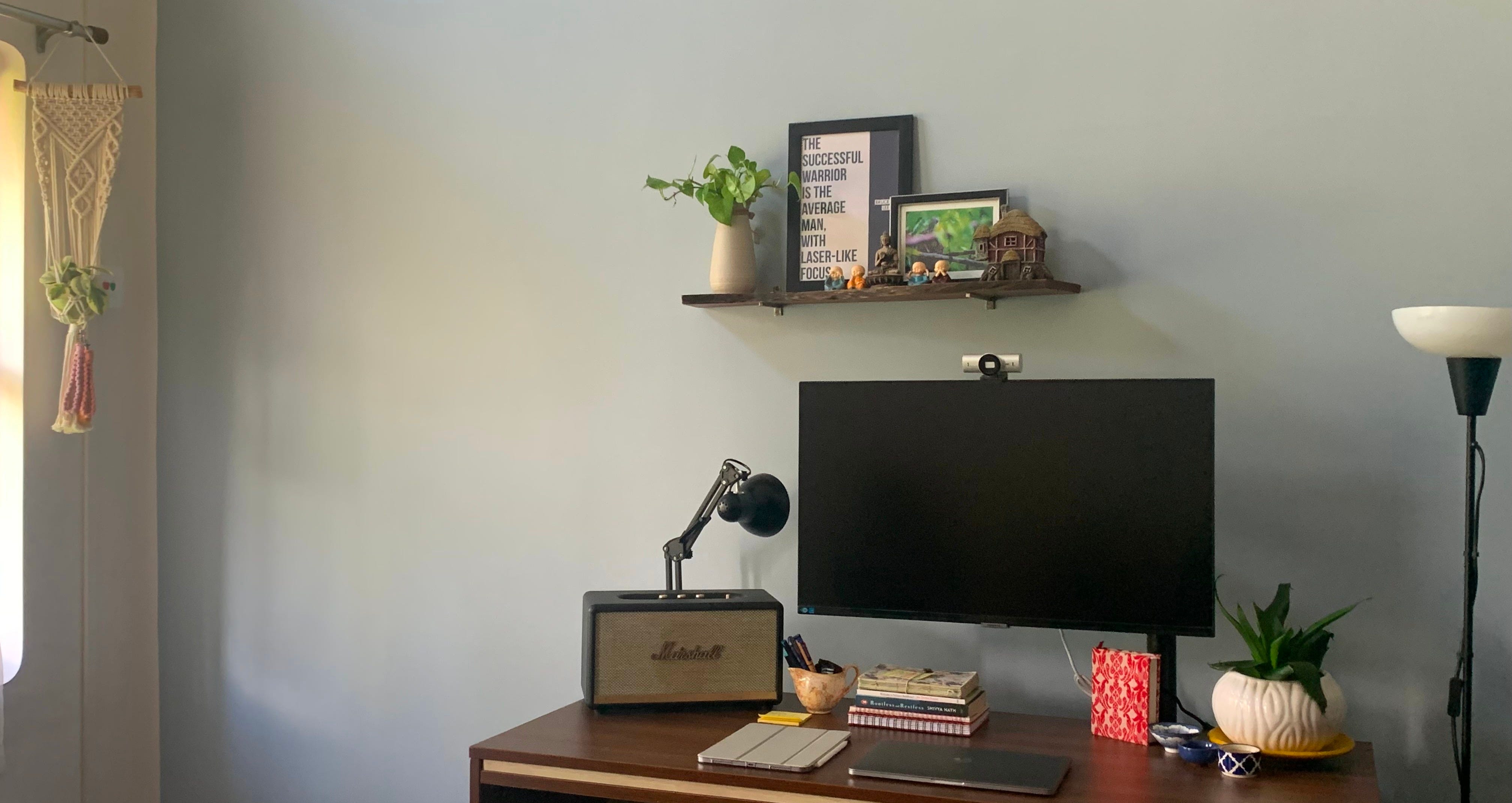
Nevertheless, I think everyone should try running a business. It doesn’t have to be featured on Forbes or Shark Tank. Starting and running a business helps us grow as a human manifold, beyond growing up the corporate ladder. The skills that I have today - writing, storytelling, research, management, communication, troubleshooting, content production and even travel beyond vacation spots - were mostly developed through entrepreneurship.
So no, I’m not here to bash founders. I know what it takes: the sacrifices, the sleepless nights, the tears behind the glossy word “entrepreneur.”
But I’ve also played the role of a chief builder or quiet brand creator. Having run a business myself, I found myself drawn to projects where my most valued skill was knowing how to bring an idea to life. Eventually, I shifted focus from my own brand to building others’, simply because I loved being part of purpose-driven work. I genuinely enjoyed putting someone else’s vision into motion.
Until I noticed a recurring flaw. Even in well-intentioned purpose-led brands and projects, wrongdoing is common, consciously or unconscious. And that proves to me more toxic, or even heartbreaking.
Sometime last year I wrote an essay called “Purpose-led but ethically flawed” and submitted it to an essay competition. I did not win and hence, remains unpublished. It was about how beyond a founder’s personal branding, often merged indistinguishably with the brand’s identity, lie rising questions about how purpose-led spaces treat their teams and core builders.
Ever heard of a small business with charming digital marketing but facing workplace harassment allegations from multiple former employees? Or a promising startup with poor employee retention and zero exit transparency?
Well, we might have read such posts on LinkedIn but even a greater number of these stories are being whispered in safe spaces, and passed quietly through DMs. “Hey, how was your experience with ABC?” is a question I have asked and have been asked multiple times. Professionals look out for each other where HR systems often fail.
A true story: The morale of a team I was working with was terribly down due to unfair but crystal-clear partiality in performance reviews, and yet during a conversation around the brand’s social media presence, the boss said, “We need to make us look like a cool place to work with to get good talent to be interested in us.” I’ve mostly worked around sectors that outwardly advocate equity, inclusion, and wellbeing, but as much as they promote a “cool place to work with”, they often overlook the structures needed to retain contributors over the long term. This includes practices around fair pay, fair credit, mental health, and a culture of acknowledgement, especially for those working at the periphery of core teams.
In the eco-fashion space, founders are quick to spotlight artisans, tailors, or factory workers to sketch out an ethical, purpose-driven brand narrative but why the awkwardness when it comes to featuring your manager, marketer, or designer?
Is it because the latter might have their own self-brand and you’re not ready to share the limelight? Or because capable collaborators make leadership slip-ups more visible, and therefore open to critique?
It’s not all bad, all the time though. It’s more convenient for founder-run spaces to offer creativity, autonomy, and the thrill of co-creating something meaningful. But on the other hand, they often have the tendency to blur boundaries, breed burnout, and perpetuate a culture where passion is taken for granted. Many professionals oscillate between feeling deeply connected to their work and quietly questioning their place within it.
This is a reminder to me and everyone who is or will be a founder tomorrow. We need to redefine work culture beyond purpose-led branding, and posting AI-generated thought leadership posts. More people are actively seeking environments where initiative, mental health, and quality of life are truly valued, and we have an urgent opportunity to redefine workplace culture.
A few pathways could be:
Building systems of shared credit and authorship
Recognising hybrid roles as legitimate career paths
Allowing space for ambiguity without undervaluing impact
Encouraging a culture that respects rest, reflection, and self-expression
The best lesson I’ve learnt from working with multiple founders is the insane importance of honest communication skills from Day 0.
True story, again: A project I worked with at the start of the year asked me, “Are you ok with evening calls around 9 pm, twice a month?” because the team were working on this after their day jobs.
Another founder I worked with during Covid, asked if I can talk work at either 8 AM or 8 PM due to time difference between US and India.
The above two examples might seem basic and obvious, but they are not.
Often we hear vague phrases like, “should be able to work under pressure”. And on a random Sunday afternoon the boss will call to share an idea because, hey, “I’m a passionate founder.”
But being passionate and ambitious doesn’t equal crossing boundaries. As a founder, I want to lay the rules of sincerity, communication, empathy and discipline. What are the rules you want to set?
I am Namrata Gohain, a designer-turned-storyteller, writer, and content producer. I document stories on responsible travel, crafts, cuisine, slow living, and my creative journey. I have worked extensively in the Indian artisanal craft sector as the founder of a sustainable craft label and collaborated with mindful brands and social impact-driven initiatives for over a decade.
You may also like:
Comments
Nothing yet. Say the first thing.
Sign in to join the conversation.