
Hello Everyone,
It’s deep winter now, and I hope everyone is doing well. Are you taking Vitamin D supplements to help you through this long, cold season?
Benefits of Vitamin D: The US National Institutes of Health (NIH) has pointed out that "vitamin D deficiency is a global problem." Since the concentration of vitamin D in Canadians is particularly low, especially during winter, it’s important to follow the recommended intake values. Vitamin D is known as an essential nutrient for calcium and bone metabolism. The lengthy, dark winters in Canada can contribute to low vitamin D levels for about 40% of Canadians.
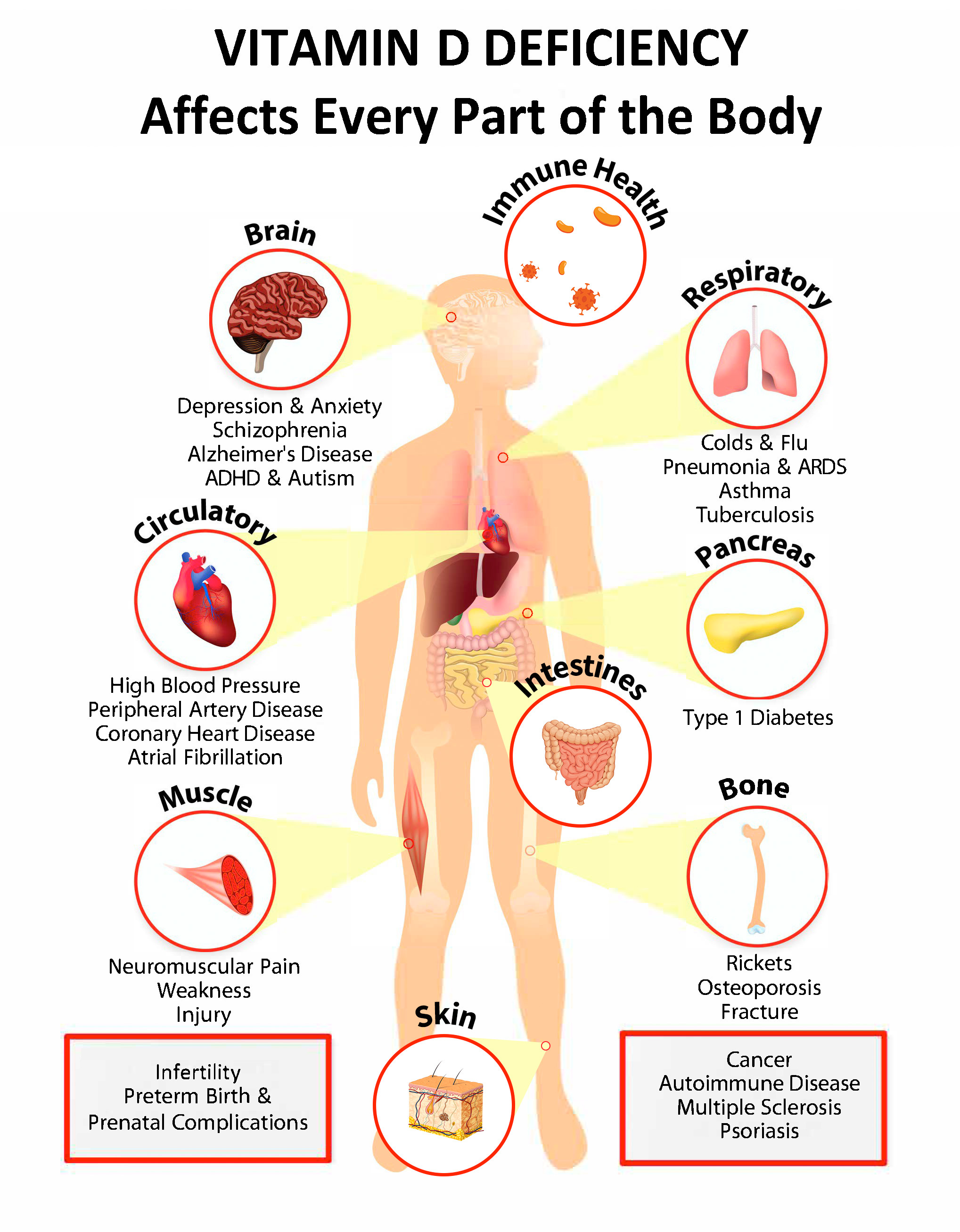
Various health benefits: Research on vitamin D has advanced in recent years, revealing its various health benefits. Firstly, it boosts immunity and alleviates allergy symptoms. Vitamin D helps produce a protein known as an antibacterial peptide called "cathelicidin," which combats bacteria and viruses. It also generates another antibacterial peptide, "β-defensin," on the skin, which enhances barrier function. Alongside dietary intake, vitamin D is synthesized in the body through exposure to ultraviolet rays; therefore, during winter, when ultraviolet rays levels drop, both vitamin D and antibacterial peptides decrease. This decline is also why individuals are more susceptible to colds and influenza, leading to worsened atopic dermatitis.
Another common issue in winter is hay fever. In recent years, researchers have pointed out that the intestines play a role in the development of hay fever. In a condition known as leaky gut syndrome, the bonds between the mucosal cells of the intestine loosen, creating larger gaps. This allows undigested, large-molecule proteins and sugars, along with pollen that enters the mouth, to leak through the intestinal wall and easily enter the body, resulting in an excessive allergic reaction. Vitamin D enhances the binding of this loosened intestinal mucosa and boosts the production of appropriate immune antibodies, fundamentally improving hay fever.
Recently, it has been discovered that vitamin D regulates the brain substance serotonin, which balances the mind and nerves and is effective against mental symptoms such as depression. For instance, the suicide rate in Scandinavian countries is relatively high, and it is believed that one cause is a lack of vitamin D synthesis due to the short hours of daylight. Similarly, in Japan, there is an increase in the number of patients exhibiting depressive symptoms during the winter when the hours of daylight are reduced, commonly referred to as "winter depression. Some people are concerned about whitening their skin and minimizing UV rays exposure; however, getting at least 15 minutes of sunlight each day is recommended.
Foods rich in vitamin D include mushrooms, such as wood ear and dried shiitake mushrooms, as well as fish that can be consumed with their organs, like shishamo, dried whitebait, and salmon. Research on vitamin D and its health benefits is progressing, with findings spanning various fields. These include developmental disorders, schizophrenia, and dementia; uterine fibroids, dysmenorrhea, and infertility; its effects on diabetes and cardiovascular health; prognosis for colon, prostate, and breast cancers; and a 1.26-fold increase in mortality rates among individuals with low blood levels of vitamin D. This growing body of evidence highlights the significance of vitamin D as a nutrient attracting considerable attention.
There is increasing concern regarding global deficiencies in vitamin D intake, making supplementation a practical option. However, because vitamin D is a fat-soluble vitamin, there is a risk of overdose. Therefore, it is advisable to consult with a doctor, pharmacist, or nutritionist with in-depth knowledge before starting any supplements. 💪💪🔅🌄
DK- Holistic Health Clinic
Naila Gaber, Ph.D., R.Ac, R.TCMP
www.doctorkits.ca
647-334-7440
No posts
Comments
Nothing yet. Say the first thing.
Sign in to join the conversation.