
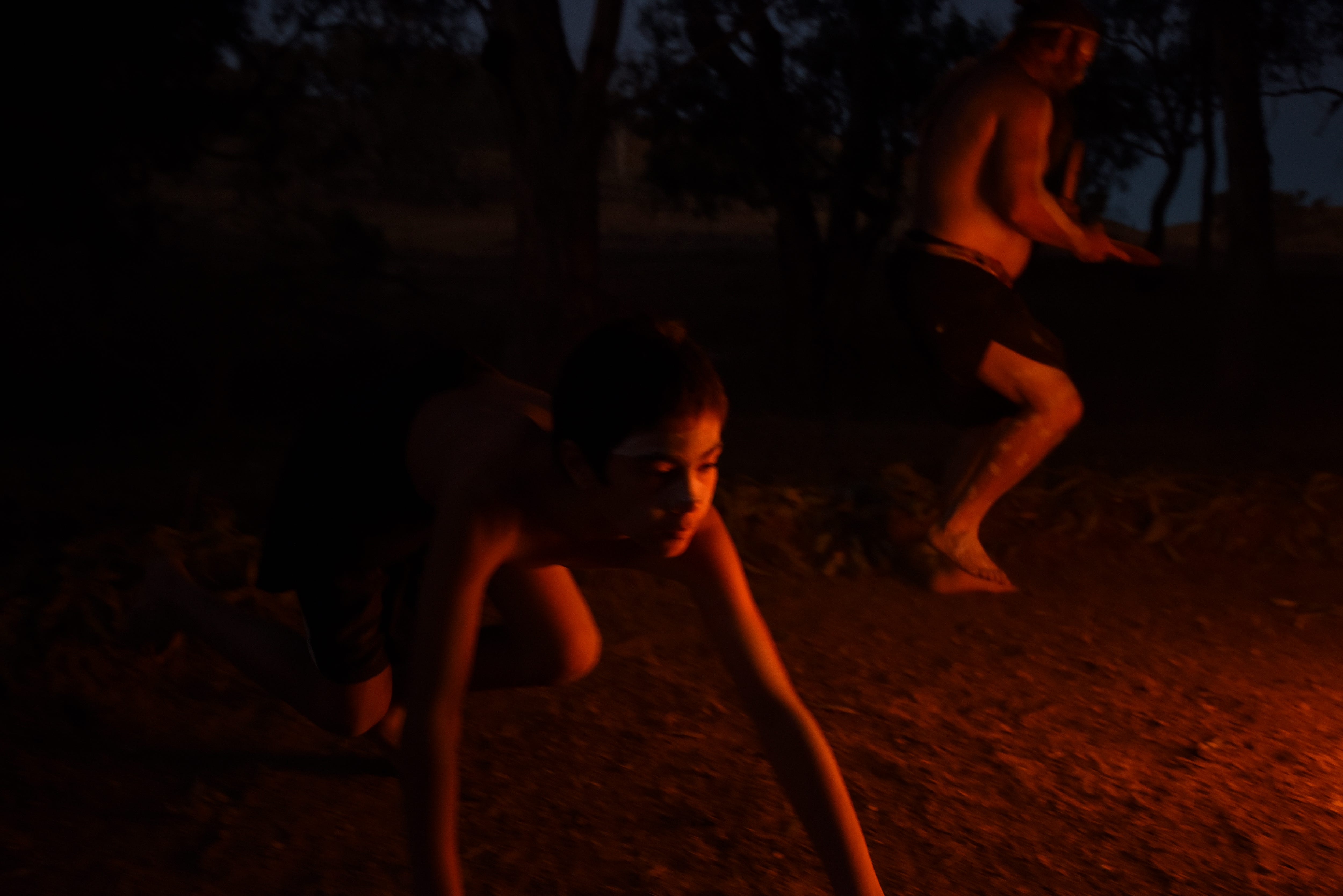
“In settler-colonial contexts, Indigenous dispossession from land in the first instance cannot be separated from continued exclusions related to knowledge production and the circulation of cultural information that is part of colonial collecting legacies” (Anderson & Christen, 2019).
My images and my children’s images have been ‘collected’ and stolen for purposes that served no benefit to us. This is my lived experience of the photography industry, and indeed is also my experience of the layperson’s photography that occurs when people visit our communities.
At significant Aboriginal events where I’ve been participating with my children, my images and my children’s images have been taken without permission and used for purposes unknown – certainly not with any personal benefit to me, my children, or our community. Many of the images stolen from us are taken from cultural contexts that portray us as ‘traditional natives’ and, therefore, as objects worthy of ‘collection’. We become objects of collection without voice, without agency, and without any power over our own images and cultural representations.
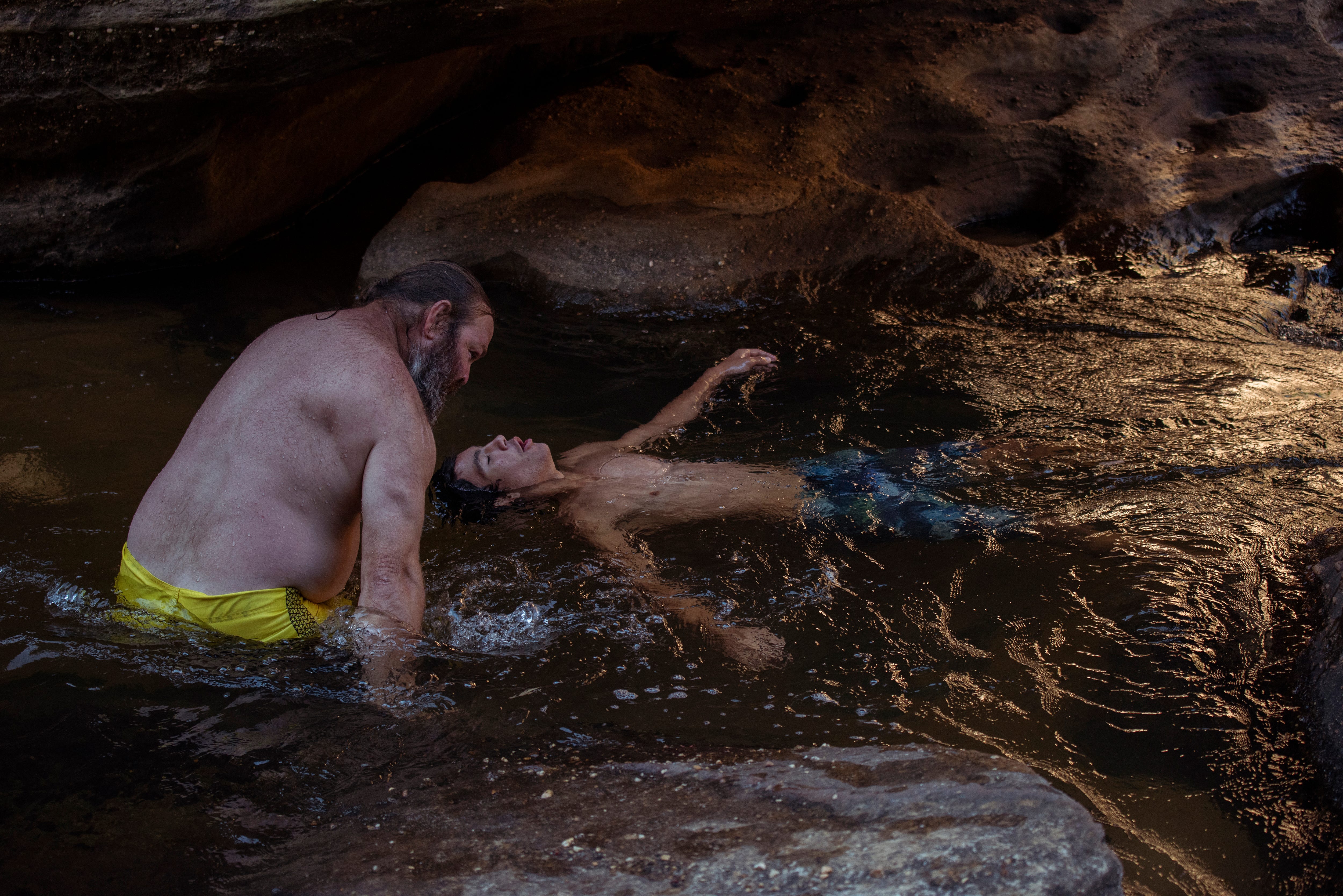
Sometimes a photographer asks permission to take photos of my children at an event. The young mother in me, who could never afford professional photography shoots due to my poverty, would often agree to have photographs taken if the photographer promised to email me the photos for my family and my children to keep. After many such promises, no one ever shared the photos with me again. Maybe they lost my email address at the event, or perhaps their lives got busy? The reality was that we didn’t appear to be a priority in their lives, and they felt entitled to take from us.
This reality became starkly apparent when we opened our home and lives to some non-Aboriginal ‘friends’ who wanted to experience life in an Aboriginal community. We gave our most valuable possession - our time - and gifted these visitors with experiences with our Country; of gathering our traditional foods from the land, of ceremony, of relational connection with us and our kin. Photos were, of course, taken by the visitors. Later, our children and we faced a crisis when child protection authorities attempted to wrongfully remove our children from our care without any justified reason. I reached out to those I believed were our new ‘family,’ and my cries for assistance fell on deaf ears; not even appropriate words of empathy were offered. I checked the Facebook page of these ‘friends’ and saw they had been on a trip around the world visiting ‘traditional natives’ all over the world and posting their pictures with each of these authentic ‘natives’ they had met. In that moment, I realized I wasn’t their family. I realized I’d been ‘collected’ by very privileged people who thought nothing more of my children and me, other than an ‘experience’ to show how worldly they are. I felt heartbroken for all the ‘tribes’ of the world that had been blown in and out of (briefly visited) just to ‘collect’ a photo with us – but never to be part of our emancipation, never to be an ally to our struggle, never to even care.
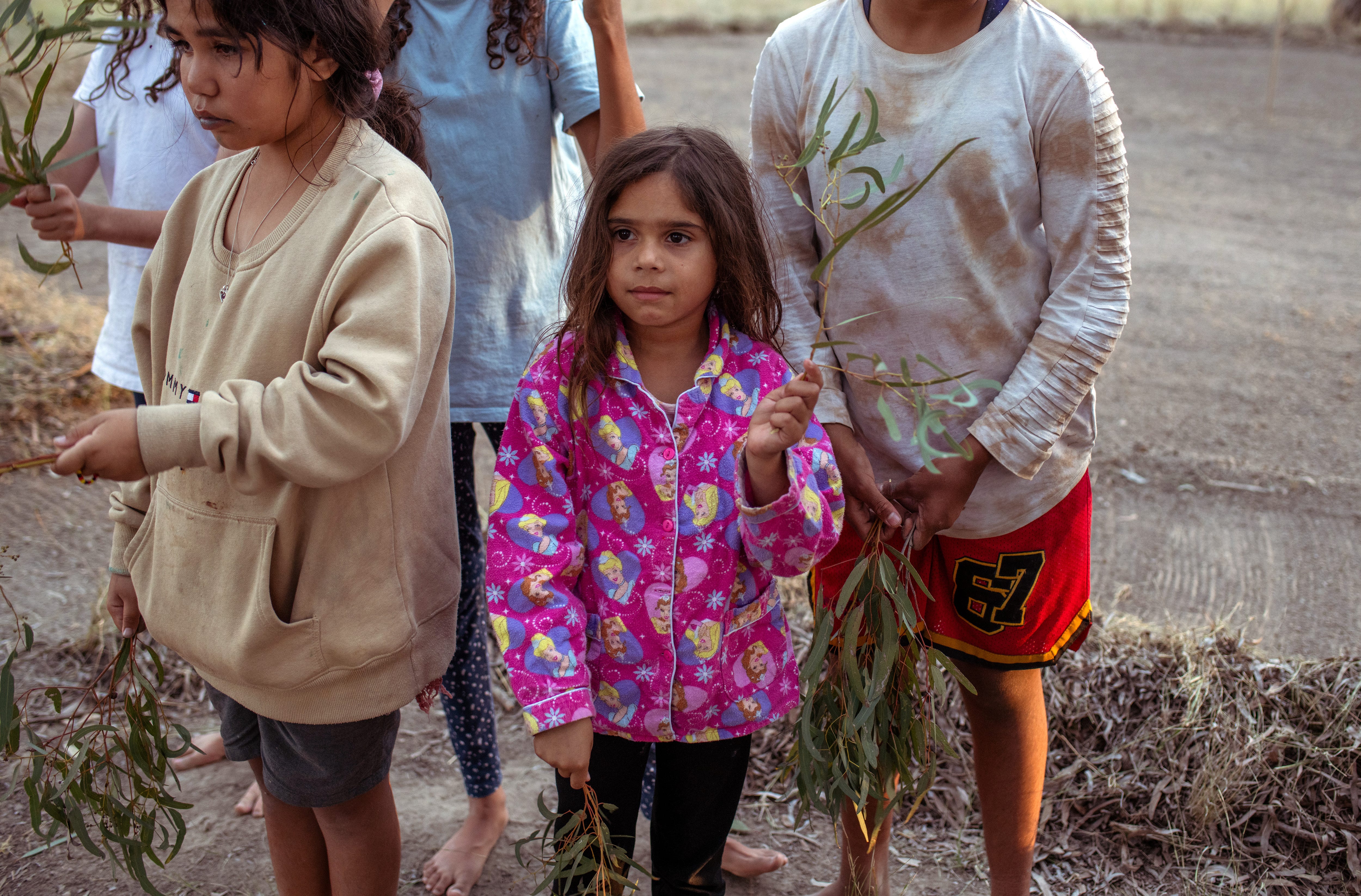
Upon meeting Isabella Moore, a professional photographer, my interactions with her were informed by my lived experience. I was very direct in letting Isabella know that I wouldn’t be interested in allowing my family to be photographed by her, or any other professional photographer, unless we shared 50/50 copyright. Isabella initially struggled with this proposition because her peers in the ‘industry’ advised her against the arrangement and insisted that she ought to retain full copyright.
I shared with Isabella my observations that a photographer’s ‘skill’ is only part of the equation, that the images are also created by the living cultural knowledge they capture, and that these images would not exist without that knowledge.
I spoke with Isabella about how, in the writing ‘industry’, it has been a more commonly accepted standard ethical practice (from the 90s onwards) that, if an author is capturing Aboriginal knowledge in their written works, co-authorship is the bare minimum ethical arrangement for publication and attribution. I shared with Isabella that I felt the photography ‘industry’ was a long way behind and that, eventually, pressure would mount to ensure the photography world leveled up to the ethical standards now operating in other areas of authorship (such as written works).
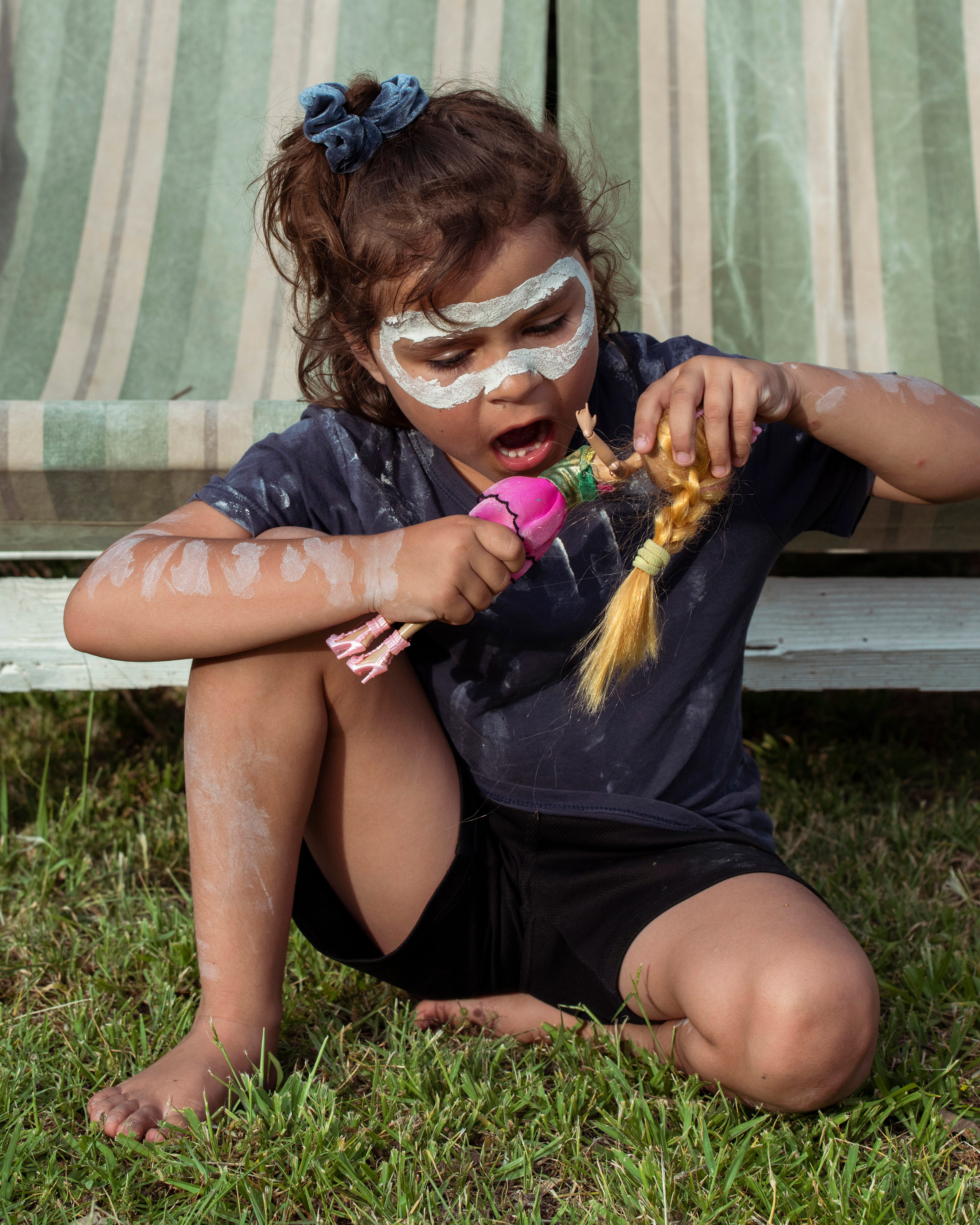
After some time, Isabella signed a 50/50 copyright agreement with our family and me. I’m incredibly proud of this agreement and arrangement. I’m incredibly proud of Isabella for being brave enough to step outside the advice of peers and professionals in her industry and to think beyond the accepted norms of photography attribution. I’m also proud of our collection of co-created photographs, where my family has equal rights to attribution, copyright, to describe our works from our perspective, to co-decide, the right of ‘veto’, and 50% of any economic benefits. This provides opportunities for our family to be empowered to genuinely share our culture in a way that respects us and provides direct benefits back to our community and us.
“Decolonizing attribution necessitates an Indigenous presence, giving meaning and possibility to Indigenous temporal sovereignty in the record, outside the record, across pasts, and into futures and memories” (Rifkin 2017, paraphrased by Anderson & Christen 2019).
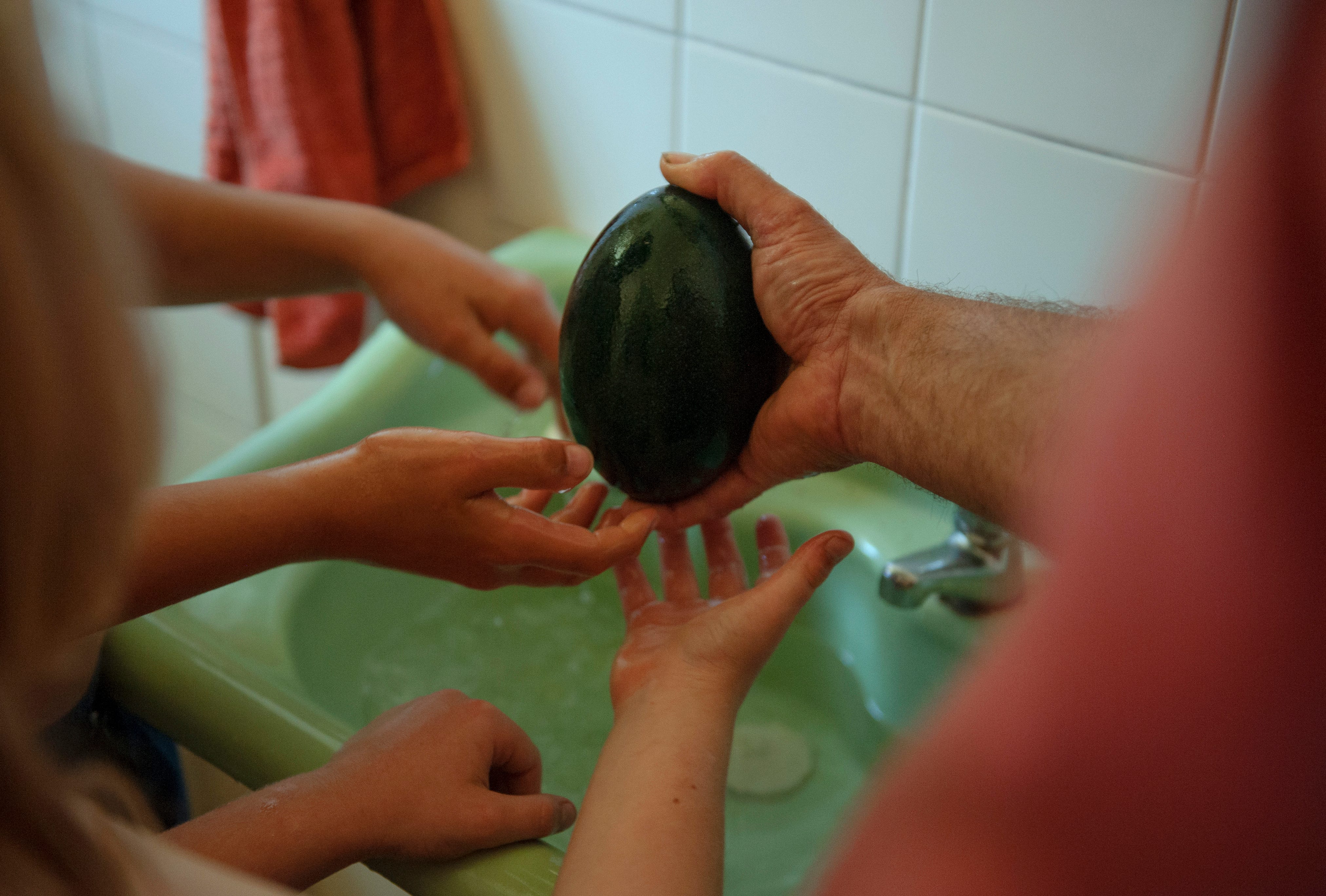
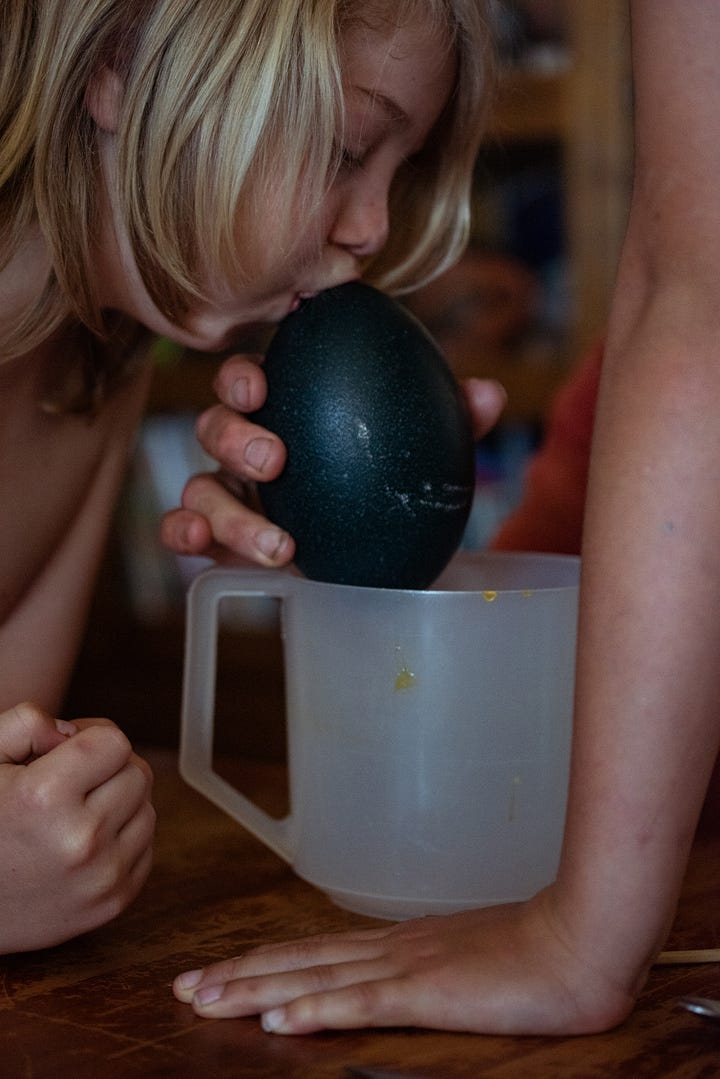
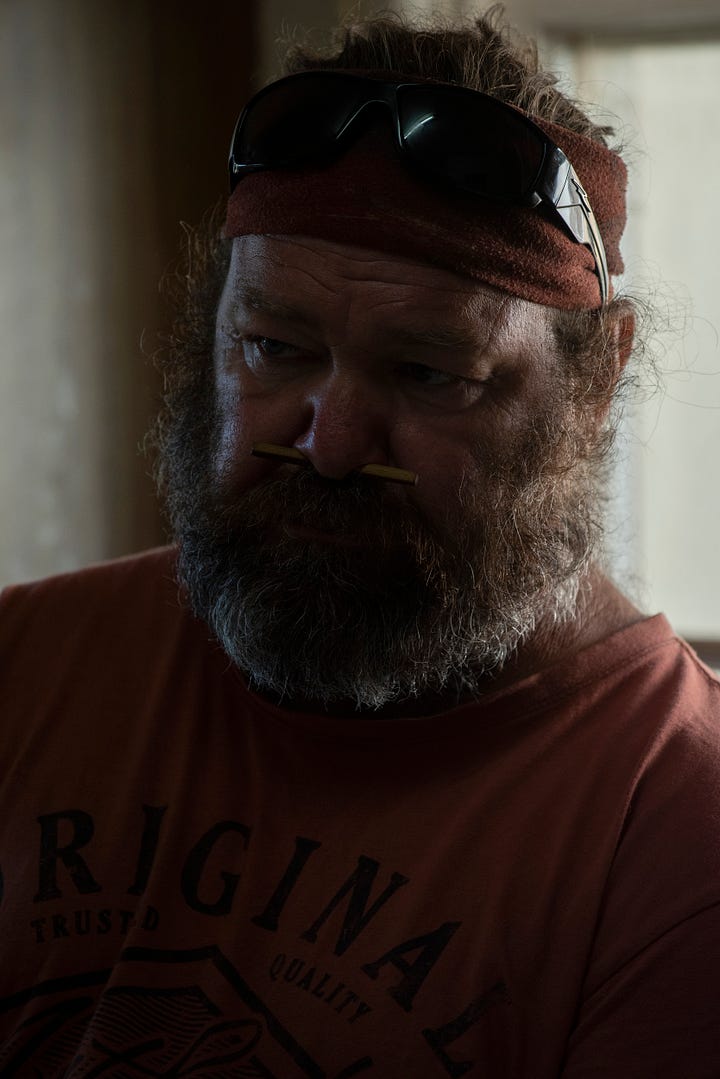
Growing up in Australia with a migrant mother, I saw how our Peruvian identity, including our Indigenous roots, was suppressed. As an Australian-Peruvian photojournalist, my journey into documenting First Nations issues is deeply shaped by my own desire to make sense of who I was and which culture I felt most connected to.
Seven years ago, a serendipitous meeting with Nyimirr, a Wiradjuri Ngemba/Wayilwan song woman and cultural educator, marked the beginning of a long-standing relationship during which I immersed myself in and photographed her family's life.
I had been working as a newspaper photojournalist at the time in the Northern part of Australia, with the intention of more fairly and accurately depicting Indigenous issues within a white-facing newspaper. While researching Birthing On Country, which was Aboriginal women’s way of giving birth on their ancestral lands, I came across Nyimirr’s contribution to a narrative review in a medical journal on improving maternity services for Indigenous women in Australia.
What began as a conversation about Birthing on Country evolved into a long-term documentary project that profoundly shifted my perspective on how to truly collaborate with the communities I am photographing, and how shifting the power balance for the self-determination of Aboriginal communities is worth much more than a single photographer having full ownership and total control over every image.
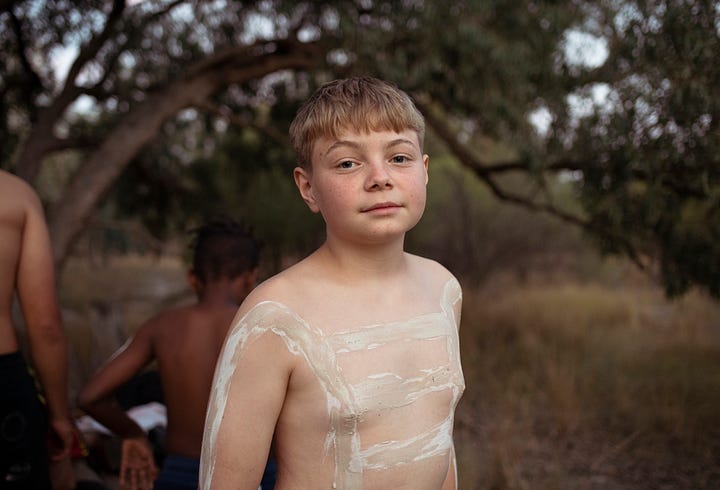
I am deeply grateful for the trust Nyimirr and her family have placed in me, inviting me to capture moments of everyday life and cultural transmission, such as ceremonial gatherings, corroborees, and quiet acts of reclaiming songs and practices.
This work shows how colonial rules like the White Australia Policy (1901-1973) physically altered communities yet failed to erase cultural belonging. Culture endures despite it, and these photographs are a snippet of how culture and life continue amid the tension between 60,000-plus years of living culture and 200-plus years of disruption.
Shared Copyright
From the outset, Nyimirr proposed we share the copyright of the photographs, a suggestion that initially felt meaningful to me. However, when I consulted the photojournalistic community in Australia, I encountered strong resistance. Many peers cautioned against it, arguing that photographers should always retain full copyright (primarily for financial and image control). This opposition potentially culminated in rejection by a prestigious photojournalistic collective I had applied to join at the time. The United Nations Declaration On The Rights of Indigenous Peoples (2007) recognizes “…the right to maintain, protect, and develop the past, present, and future manifestations of their cultures (Article 11),” and this includes visual arts. Therefore, I felt it was vital to recognize co-authorship and decision-making while overcoming photojournalism’s history of harmful power dynamics between photographers and Indigenous Peoples. Therefore, in July 2019, Nyimirr, her partner Milmullian, and I met on Gadigal Land (Sydney) and signed the shared copyright agreement that we drafted ourselves.
Collaborative Captions
Our collaboration extends to the very essence of storytelling. Nyimirr writes captions to our photographs in both Wiradjuri and English, sharing cultural knowledge that enriches each image. This approach centers First Nations ways of being and knowing, fundamentally enhancing the integrity of our work.
Philosophy in Practice: Groundbreaking Community Co-Ownership
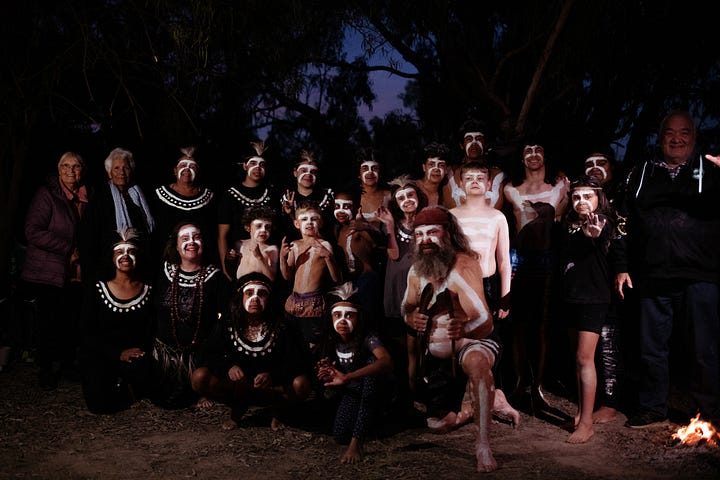
Recently, our partnership led to a significant project with the Powerhouse Museum to revisit Charles Kerry’s 1898 photographs of the Wayilwan people. Nearly 130 years later, I photographed a gathering of Wayilwan Elders and community members, celebrating the resilience and continuity of their cultural practices. This work was exhibited at the Museum of Modern Art in Colombia in October 2024, and stands as a testament to the endurance of Indigenous culture and the power of collaborative storytelling.
Nyimirr on the Powerhouse Museum project:
We proudly presented our 50/50 copyright agreement to the Powerhouse Museum. The museum agreed to an official contract between the Museum and Isabella in March 2024, recognizing co-ownership of the images with the Wayilwan community depicted. This is a landmark agreement as it is the first time the Powerhouse Museum has endorsed a contract with 50/50 copyright between a photographer and a First Nations community.
When Charles Kerry (1857-1928), a commercial non-Aboriginal photographer, took images of Wayilwan people in 1898, he took from our people and culture without any care or concern for our future. He took images of men’s ceremonial attire and the earth decorated for ceremony, as well as images of Wayilwan men dancing and of families in their living conditions at the time.
Charles Kerry sold the images on postcards. Our experience with images over the last few decades is that they are used on tourism signage across Wayilwan Country and are often used to describe a ‘lost culture’ and to imply that contemporary Wayilwan people are no longer authentic.
In responding to the ‘Charles Kerry collection’ owned by the Powerhouse Museum, it was imperative to our community that we work with a photographer who would guarantee us cultural authority and ownership of our images and cultural depictions. We wanted to show Wayilwan people in the same environment and in the same Country as those 1898 photos, still practicing our culture. We want the world to know that our culture is not lost, that it lives on. This living culture is in the heartbeat of every Wayilwan person and in the heartbeat of our Country herself, our Ngurambaa.
Isabella Moore
As we continue this work, Nyimirr and her family’s openness has allowed me to not only capture these moments in time but also to confront and heal my own cultural disconnection. While I may never fully uncover the whole truth of my ancestry, I move forward by unpacking generational shame and living a life that honors all aspects of my heritage.
For me, this work has been a journey of mutual understanding, respect, and shared authorship that I hope will inspire others to contribute to a more balanced, inclusive world of storytelling.
Nyimirr / Fleur Magick Dennis
Aboriginal culture and people are not a ‘special interest’ or curiosity to be collected and commodified. We are still surviving and resisting the ongoing impacts of colonialism and simultaneously healing from these impacts, re-etching our storylines, continuing to ‘sing up’ our kin and Country songlines and all of creation. Our living knowledges don’t become valuable just because someone writes them down or captures them in a photograph. We are at odds with a world that seeks to place a monetary value on everything that is priceless. Our authorship is our daily living co-creation with Ngurambaa, our duty to care for creation is a life purpose that we will pass on to every next generation, our belonging to Country is eternal and cannot be erased.
Isabella Moore
Isabella is an Australian Peruvian documentary photographer based on Gadigal Lands/Sydney. Her practice centres on relational, collaborative and research-driven storytelling with communities historically misrepresented in mainstream media. Her work engages with intergenerational trauma and the ongoing impacts of colonisation in settler colonial societies such as Australia. Her work has been exhibited at the Australian Museum, the Medellín Museum of Modern Art, The State Library of New South Wales, and published in outlets including The New York Times, The Guardian, The Observer, Bloomberg Businessweek and The Financial Times. She has received commissions from the Australian Environmental Grant Network, Judith Neilson Institute, and Wellcome Trust. Isabella has been a finalist in the National Photographic Portrait Prize, the Moran Contemporary Photographic Prize, and the Olive Cotton Award. She holds a Master of Advanced Journalism from the University of Technology Sydney and a Bachelor of Arts in Cultural Studies from Macquarie University.
Nyimirr / Fleur Magick Dennis
Nyimirr / Fleur is a Wiradyuri & Ngemba / Wailwan woman who has been working in the First Nations language and cultural revival space for over twenty years. Fleur is the CEO of Milan Dhiiyaan. Milan Dhiiyaan is a First Nations-owned and run organisation that primarily works with Aboriginal people (mob) to reconnect community members with Country and culture. In her role, Fleur and her family take mob out bush to experience living culture in landscapes that mob have historically been prohibited from. Milan Dhiiyaan improves the community’s wellbeing by facilitating reconnection to cultural ways of life with Country. Fleur is the Ngama (mother) to four First Nations men, including Guurramali.
Fleur has a Bachelor of Adult Education & Community Management and a Master of Indigenous Studies (Wellbeing). Fleur also has a Graduate Certificate in Wiradyuri Language, Culture & Heritage.
Fleur has also exhibited her artistic and cultural works at the Australian Museum, Sydney (Unsettled exhibition), the Migration Museum at the Tarnanthi festival, Adelaide, and as part of the Powerhouse Museum’s collaboration with the Medellín Museum of Modern Art. Fleur has also been a guest speaker at a wide range of conferences & events.
Comments
Nothing yet. Say the first thing.
Sign in to join the conversation.