Full-stack energy geek — a nominative-determinist energy economist (no deed poll required) with a hybrid tech background, an optimisation obsession, an electrification passion, and a net-zero LinkedIn-dad habit.
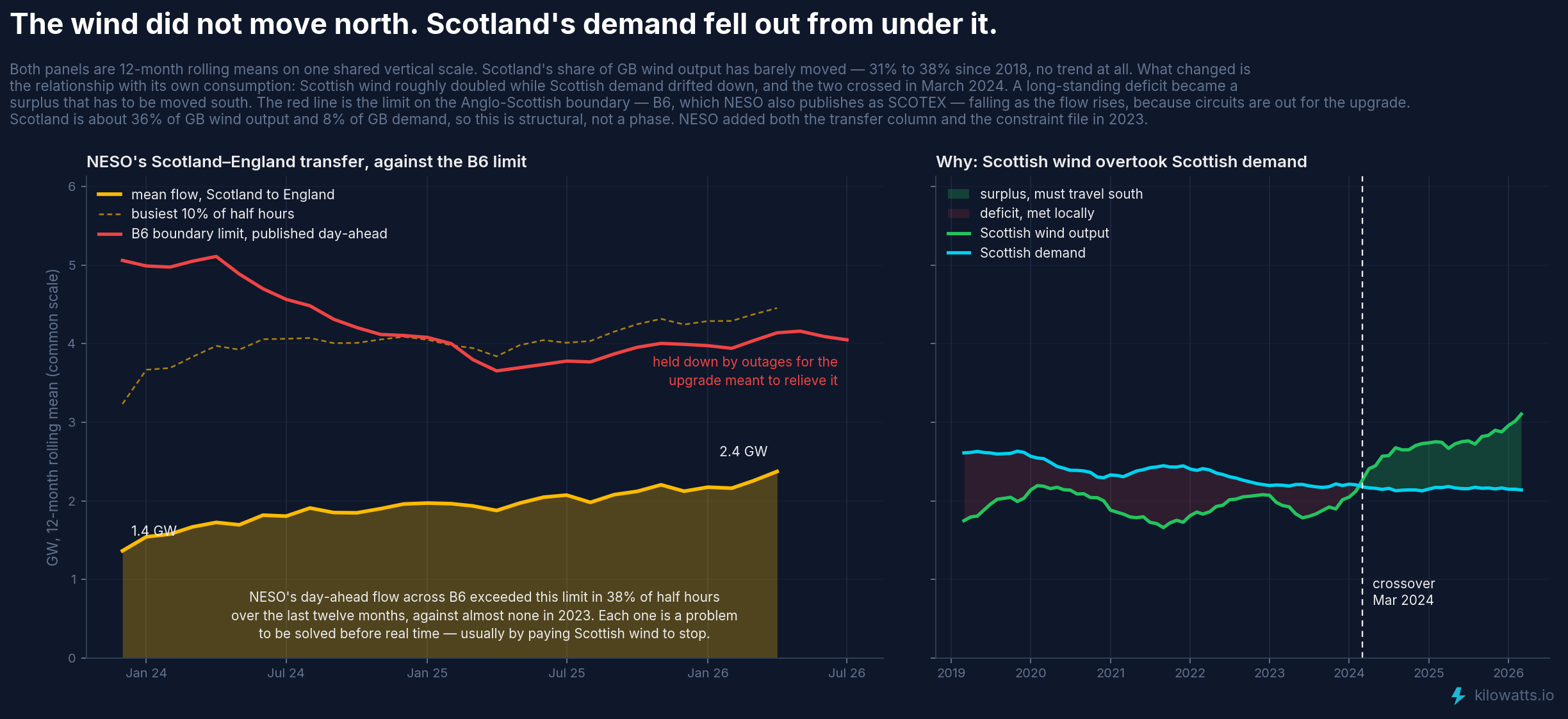
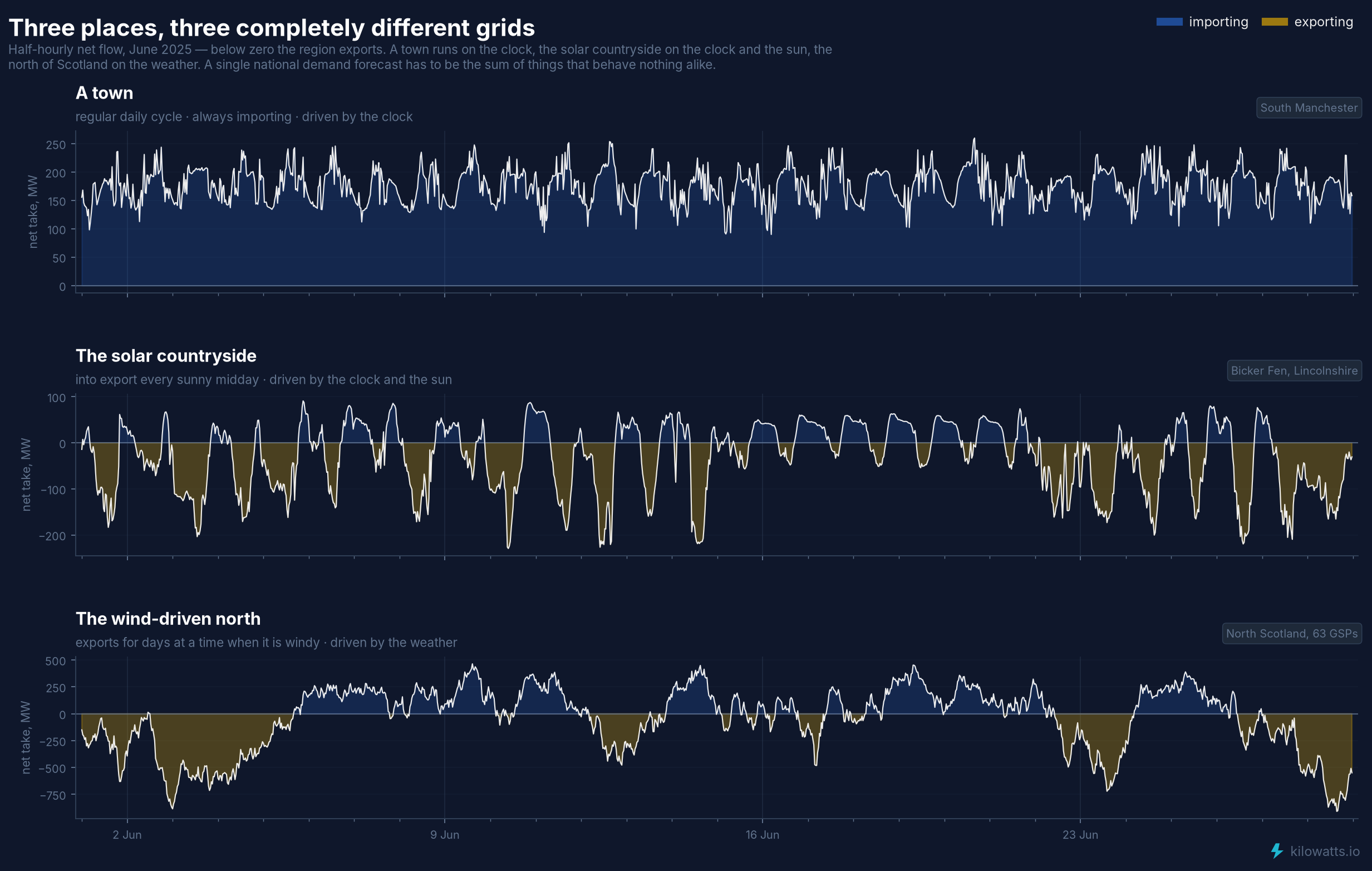
People keep asking me how hard it is to predict what the grid will do. The harder questions are what it did yesterday, and whether a megawatt-hour made in Caithness is the same thing as one made in Kent. Part two of what demand means on the GB grid.
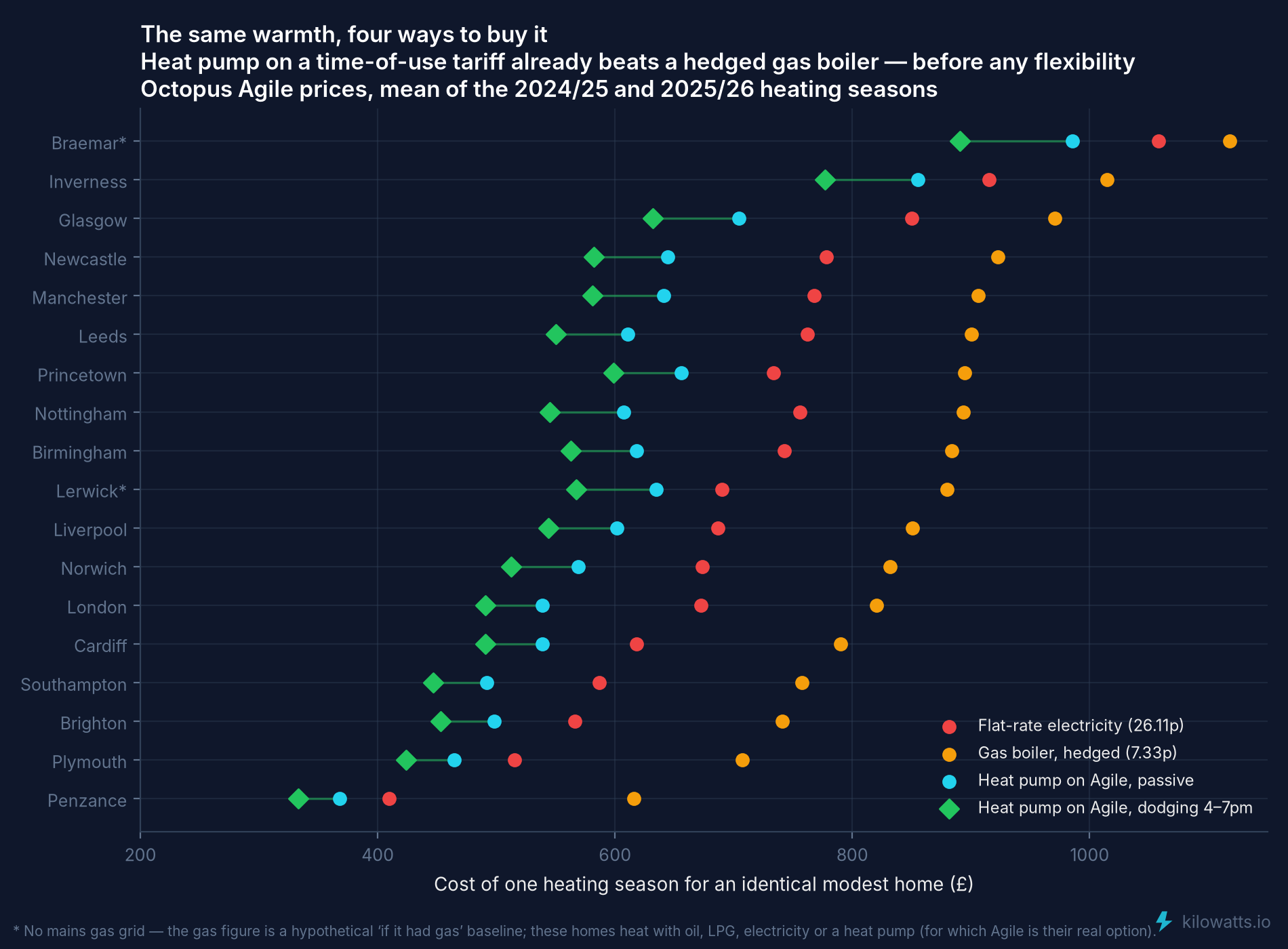
'Heat or eat' is back, and No.10's answer is a block tariff. Something bolder: Great British Energy installs the heat pump against the value of the home — and guarantees warmth for life.
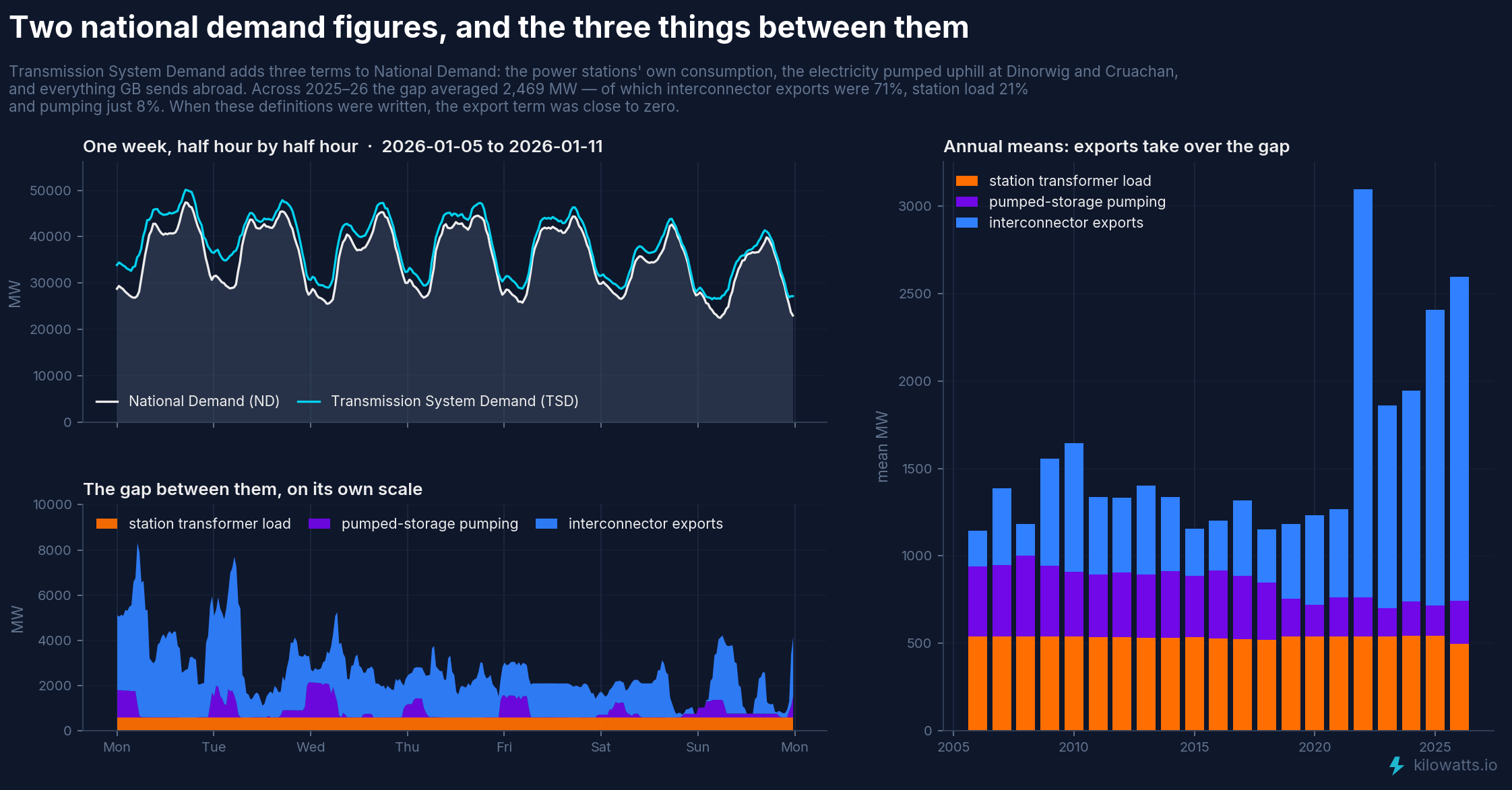
Britain publishes several numbers for how much electricity it is using. None of them measures quite what you would think, and a growing share of what they describe is no longer measured at all.
GB wind and solar both set year-to-date records in 2026. Counting them properly means adding back embedded generation, adding back curtailment, and not trusting the series most people reach for.
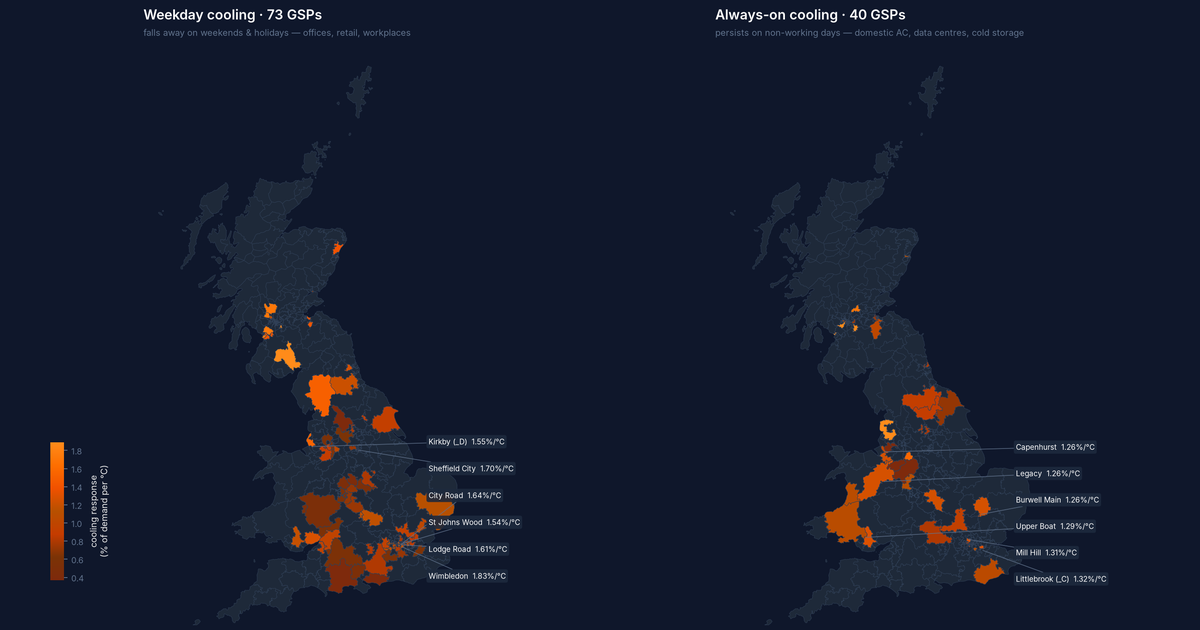
When the frequency broke on 23 June, demand was running above NESO's forecast. Air conditioning and AI cooling were blamed — five summers of settlement data show where/what the cooling load is, and whether climate change is accelerating its impact