Minimum Viable Force: Operational Considerations for Future Force Design
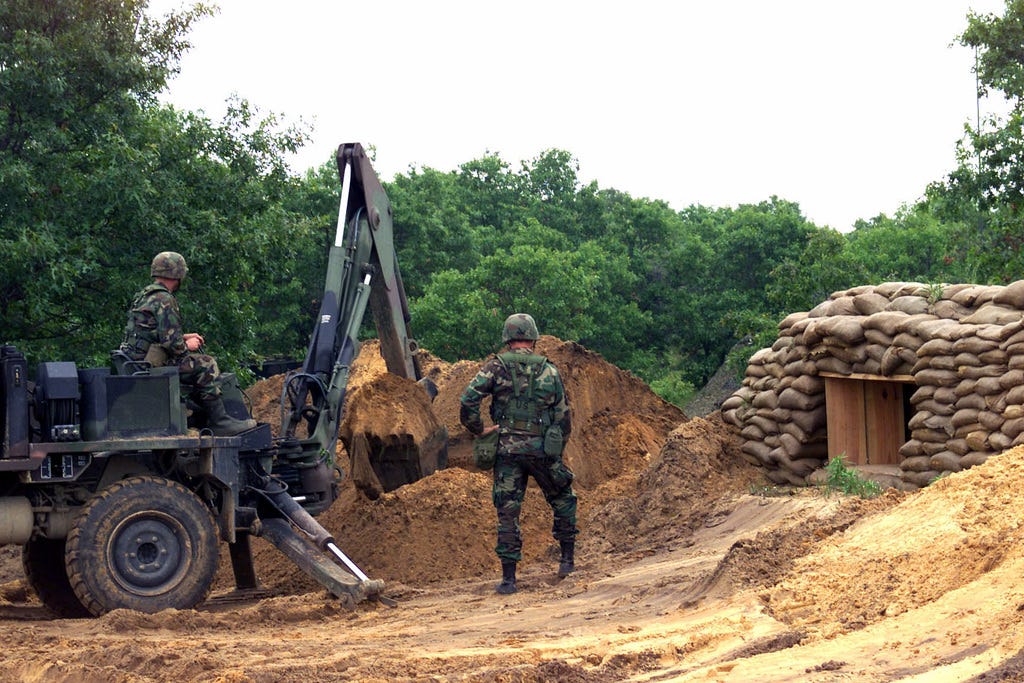
What is the smallest-sized ground force that can operate in a single theater against a first-rate peer competitor?

Warfare, Past and Present
Live Last read · last published · next check
What is the smallest-sized ground force that can operate in a single theater against a first-rate peer competitor?
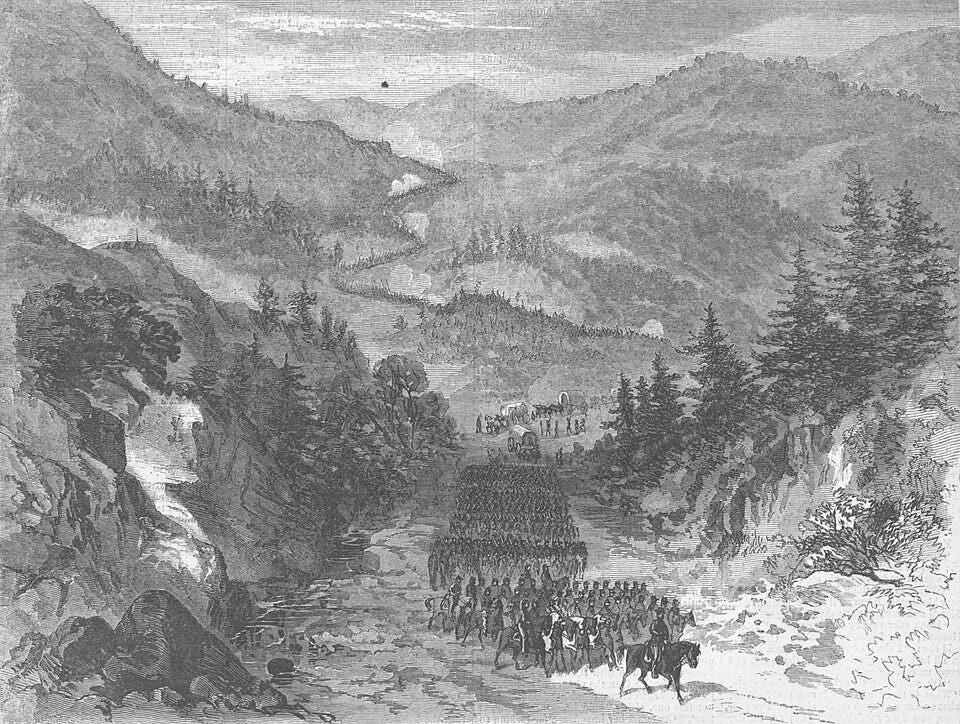
The Campaigns for Chattanooga, Part 2
The modern system of combined arms discussed in last Dispatch shows no sign of going away in the 21st century.
To truly understand any complex topic requires studying it from a variety of angles.
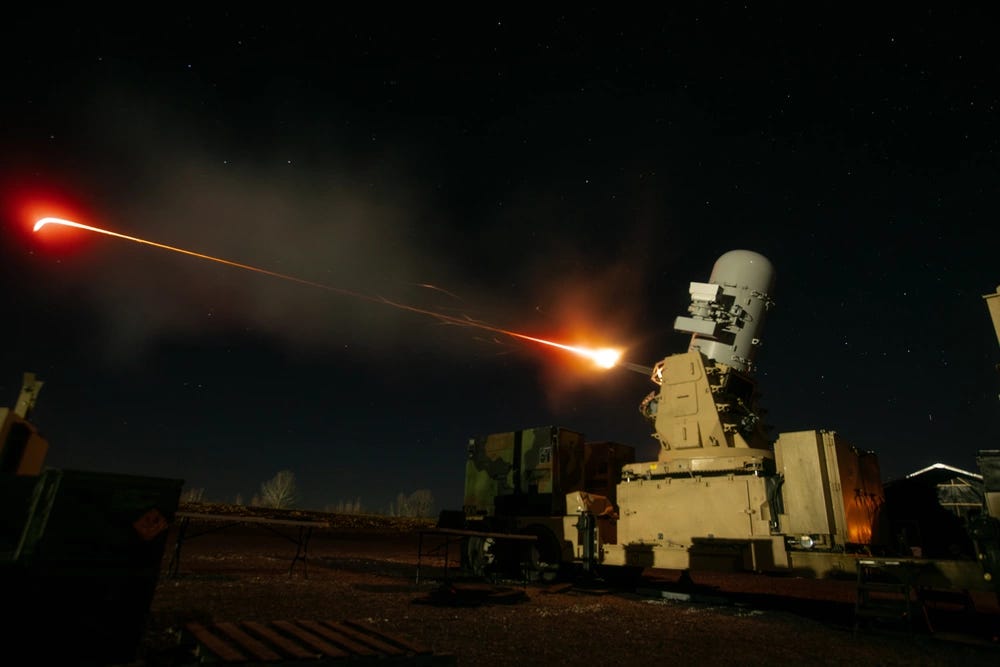
Will counter-drone defense ever become effective enough that it becomes uneconomical to employ FPVs in mass quantities without any complementary effort?
The growth of armies between the 18th and 20th centuries profoundly changed the nature of operational art.
The purely military aspects of strategy often get short shrift. They lack the complexity—or at least dynamism—of tactics and operational art, and are often eclipsed by political factors.
July 4th 1863 was among the most significant dates of the American Civil War: Lee began his retreat from Gettysburg and Vicksburg surrendered. Much less celebrated was a third victory.
A famous, but apocryphal, quote attributed to Moltke dismissed the American Civil War as “two armed mobs chasing each other around the country, from which nothing could be learned.” There were certainly lessons to be learned—it could hardly be otherwise in so long and intense a conflict.
One of the frustrating things about much of the early commentary around the Iran war was how it framed the relationship between military force and political objectives.