
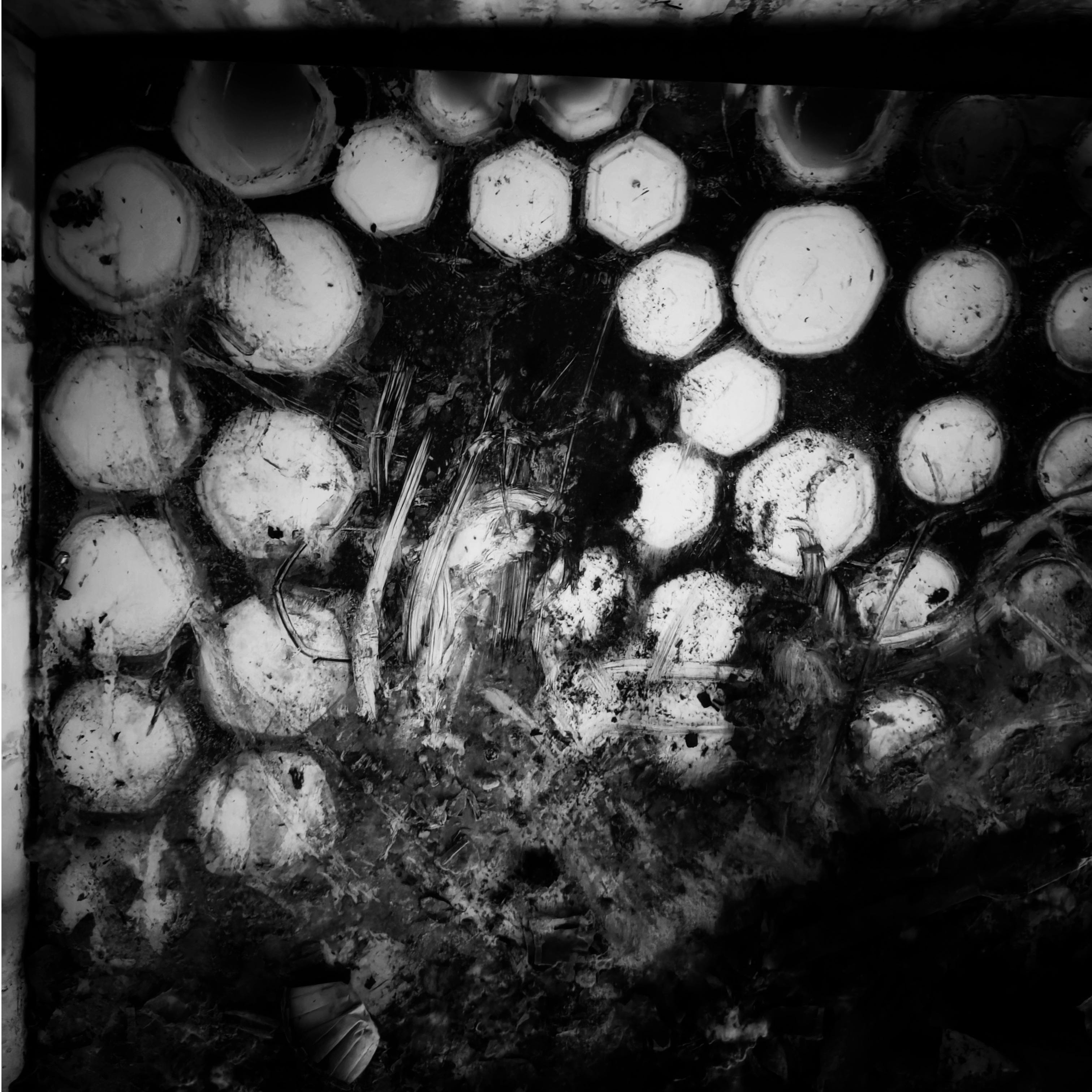
Fire Damage, Porthtowan
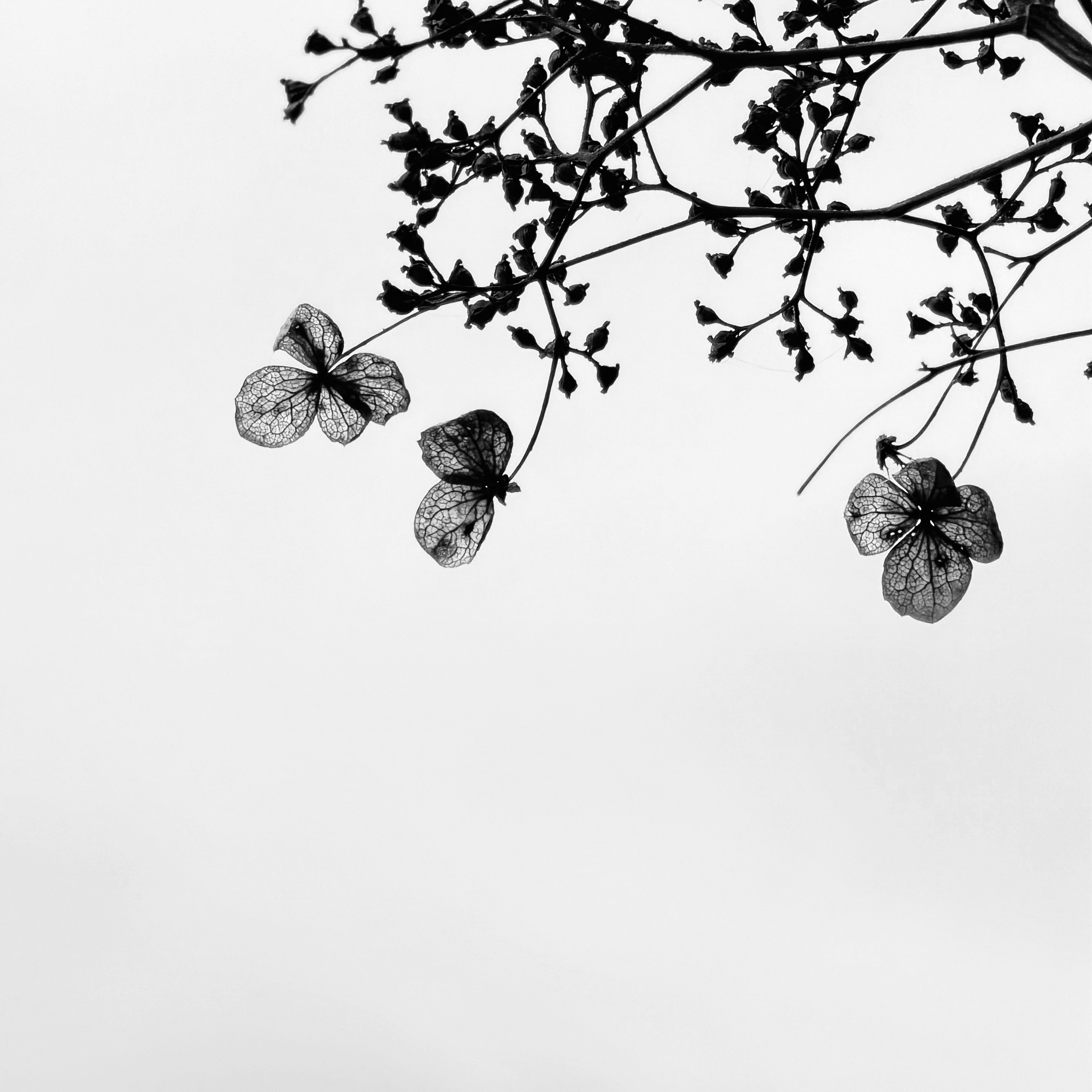
Four weeks ago The Beach Cafe at Porthtowan sadly caught fire, over the last few weeks I have been helping my friends who own the cafe with the clean up. It is really upsetting to see a place I visited everyday, wrote my book in, shared laughter and helped out during the busy summer holidays, be consumed by fire and left a blackened shell. But during the clean up I have noticed beautiful marks and patterns. This image is the smoke damage around what were the bottles of apple juice in a cabinet right next to the seat of the fire. There are more on my instagram feed
Begins 7th September 2026 1830 - 1930 (UK Time)
Only 20 places available
Years ago when I started in photography every camera came with one lens; a humble 50mm standard lens. Nowadays, we are overwhelmed with choice, our bags laden with various lenses and filters, while zoom lenses have taken the place of the prime lens – loved for how easy they are. This has as many advantage as it has disadvantages, but has made us lazy and somewhat complacent.
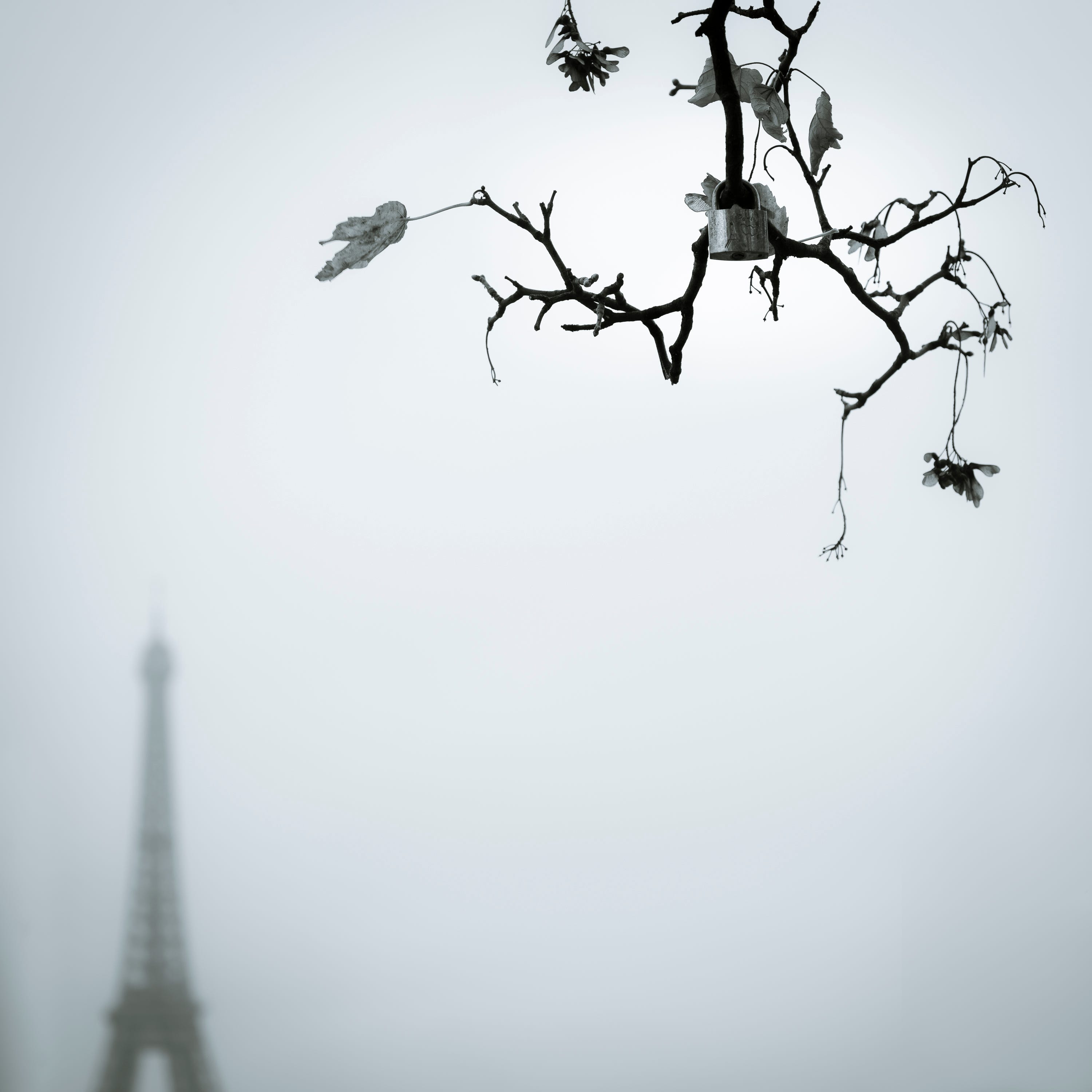
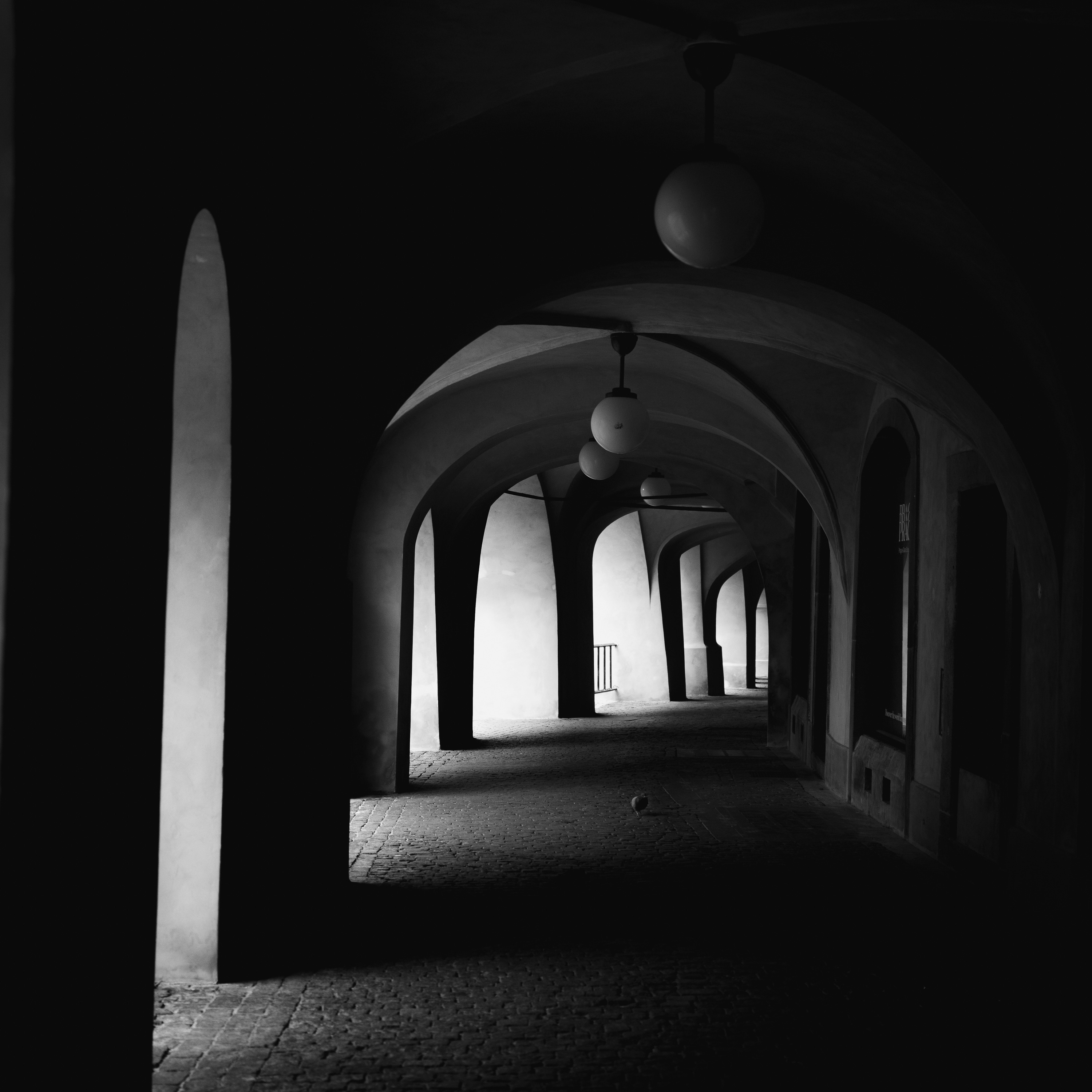
I extend a challenge to you: to spend one year working with one lens, and nothing else to hide behind. Fifty Fifty is an online workshop built around a single question: what happens when the choice held within our camera bag is removed, and all that remains is the practice of seeing?
Hi,
As a news photographer the biggest and best change was the birth of digital photography. In 1996 I first used a digital camera at The Manchester Evening News, let’s just say the quality was dreadful and the exposure latitude was virtually zero. But within two years I was working for Reuters and we were fully digital using technology that wouldn’t be available to the mass market for at least a decade.
Digital revolutionised the industry and as someone who photographed a lot of sports, the joy of being able to photograph a greater proportion of a football match and sending the images pitchside via my laptop during the game (and straight out of the camera at major events) meant that I was usually home about 45 minutes after a match rather than two to three hours later.
The time difference was due to the processing of film and then having to scan and send images via either a Hasselblad or Leafax transmitters, if sending a colour image you had to send three colour separations (yellow, cyan and magenta) plus black on a Leafax each separation took around eight minutes to send - three pictures could take hours!
With the arrival of digital photography, overnight we gained hours more coverage and less time processing meaning photographers could be on top of the action and send more images from any event.
But what did we lose, not the news industry because that needs speed but us, the general photographers for whom speed is not of the essence?
Please don’t get me wrong I am not anti digital, I currently use a number of digital cameras and enjoy the convenience of them all. I also use film and enjoy that.
What I am asking is what have we lost as we rush into the image tsunami of the present day.
Many of us make images with the rapid fire of a machine gun, hosing down locations and subjects as if more is more. We would never have done this in the days of film where 36 frames was the most you had. This limit gave photographers an edge, every frame became intentional because it came with a cost. Now phrases like ‘spray and pray’ spring to mind as many photographers love the sound of the shutter mindlessly whirring - believe me modern shutters still don’t have the goosebump making sound of a Nikon F3 with its MD4 motor drive attached burning through a roll of film, but it was only three or four frames continuously, even during a major sports event.
Why only three or four frames? Because photographers anticipated the moment, they chose the decisive moment they needed and held their breath until the peak of the action, because we knew our stock was finite. But there was a second part of anticipation, there was the waiting until the film was developed. You were never quite sure, this built up excitement and some anxiety. Compared to nowadays where we look, judge and discard our images building disappointment and a lowering of self belief.
There is also the connection with the subject. With digital we are always checking (chimping it is called) looking at the back of the camera to check if you’ve managed to freeze the moment for posterity rather than paying attention to the subject through the lens. When I’m using my film cameras I am so much more engaged, I rarely remove my eye from the viewfinder, watching, waiting, reframing, fine tuning. There’s no screen to refer to so I have to believe in my choices and commit.
Let’s face it film wasn’t perfect but that was what made it more beautiful, it had flaws, grain, scratches, light leaks, processing errors. All of these added a sense of realness to the photograph, a feeling of the person behind the lens directing the choices and being responsible for some of the accidents. Learning to accept these imperfections made us more able to accept our own shortcomings and find joy in the imperfect beauty of the world.
Now we chase the perfection of flawless images, over sharp and hyperreal; add into that the number of AI tools available, photography is becoming quite faceless and less unique.
And finally my favourite, mindfulness, photography is about the photographer and subject becoming something special together for each other in a moment of total awareness, acceptance and free from judgement about whether you are good enough or will the image generate enough likes to make you an overnight sensation.
While photography has gained a lot, photographers have lost some of the magic that made photography special, in wanting everything now we are missing the version of ourselves that had patience, accepted flaws and understood that we only had a finite number of chances before we had to stop.
I am not calling for history or technology to stop, that horse has long since bolted, but what I am saying is that perhaps we can limit ourselves and adopt a more present approach by truly slowing down and not consuming our photography but allowing ourselves to be consumed by it. Being more attentive, slower and more intentional, photographing the same number of subjects with fewer frames and removing the need to show and share perfection when it, thankfully, does not exist.
Thank you for your time today
Paul
ps I had thought about not posting this until Tony Teague sent me this video by Gerald Joehri on the same theme. Here is the youtube video and it is well worth a watch.
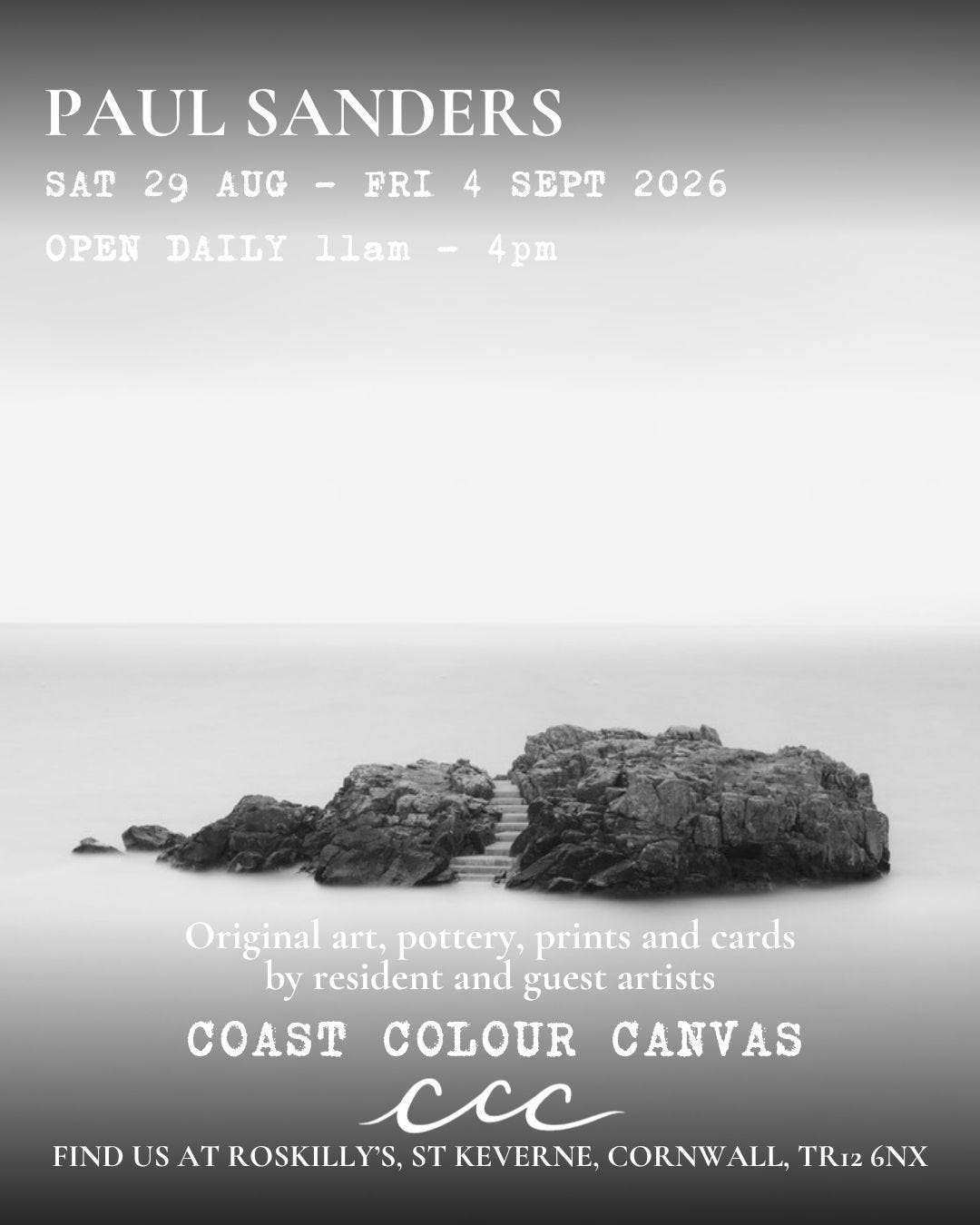
An Invitation to Pause: Autumn, Stillness and the Art of Making.
Be guided through a day of mindful photography & the meditative process of Japanese Stab Binding, taking the handcrafted keepsake away.
September 30th 2026 0930 - 1700
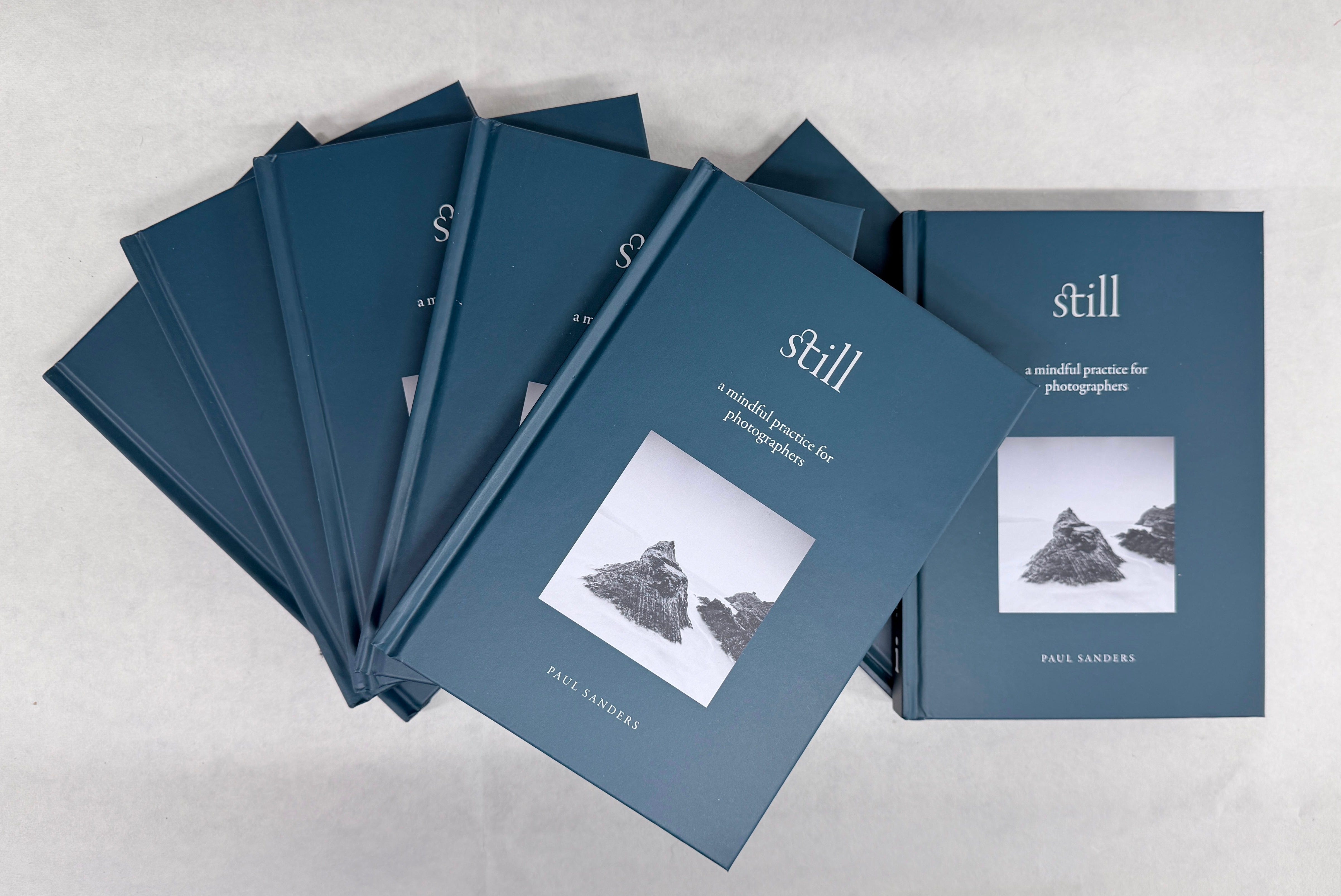
My first book “Still - a mindful practice for photographers” has been on sale for a couple of months now and is listed as a bestseller on Amazon and Waterstones in the UK - which I still can’t believe. The feedback has been incredible, I am so grateful to everyone who has ordered a copy. If you don’t have a copy yet it is on sale in most good bookshops and via numerous online book retailers too.
There is a German version too and in the US it is available from all good bookstores and The Getty Museum
“More than a photography book, Still is a must-have guide for anyone seeking calm and clarity in their creative life.”
Thanks for reading Discover Still! This post is public so feel free to share it.
No posts
Comments
Nothing yet. Say the first thing.
Sign in to join the conversation.