
Greetings from Jerusalem,
The clock is ticking.

Commentary Donald J. Trump Posts From Truth Social@TrumpDailyPosts
Donald J. Trump Truth Social 04:05.26 08:03 AM EST Tuesday will be Power Plant Day, and Bridge Day, all wrapped up in one, in Iran. There will be nothing like it!!! Open the Fuckin’ Strait, you crazy bastards, or you’ll be living in Hell - JUST WATCH! Praise be to Allah.
12:33 PM · Apr 5, 2026 · 695K Views
602 Replies · 417 Reposts · 2.46K Likes
President Donald Trump’s ultimatum now demands Iran reopen the Strait of Hormuz by April 7 at 8:00 PM ET or face strikes on its infrastructure. This could trigger a full-scale regional war with active combat involving multiple Gulf states, a shock to global commodity markets, and potentially a global recession.
Yet, it appears that much of the commentary on the Iran war has devolved into a tired horse race journalism: "China is winning," "Beijing wins without fighting," “never interrupt your enemy,” and other one-liners better suited to a sports column. To be fair, some Chinese analysts themselves have argued that a prolonged Middle East war could become a strategic opportunity for China.
China, of course, is not idle. It continues to buy the majority of Iran’s oil, helping sustain the regime’s economy. Sanctioned vessels reportedly ferry precursor chemicals from China that can fuel missile production, and commercial Chinese AI-powered satellite imagery companies with ties to the PLA assist the IRGC in targeting US forces. Diplomatically, Beijing has been active: a flurry of calls by Wang Yi, a Gulf tour by envoy Zhai Jun, and yet another inconsequential five-point initiative - all intended to signal engagement without assuming real risk. At the same time, some humility is in order. Much of what matters may never appear in the headlines.
The more important story is what this crisis reveals about China’s dependencies and vulnerabilities, and how it responds to them.
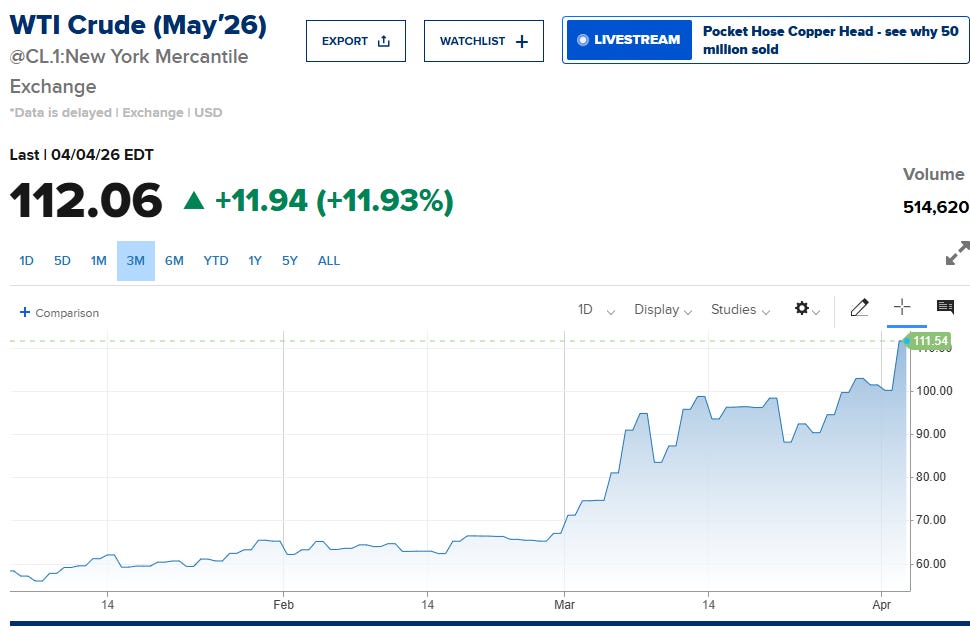
Today’s edition of Discourse Power features the most illuminating and detailed Chinese text I’ve read on the war, a policy paper penned by technocrat Peng Shaozong 彭绍宗, Deputy Director of the Department of Price at the National Development and Reform Commission (NDRC), China’s top macroeconomic planning body.
Throughout his tenure, Peng has been a key figure in managing China’s coal-fired power pricing reforms, navigating energy crises by introducing market-based fluctuation limits, and overseeing state interventions to stabilize pork and other essential commodities. Beyond his departmental duties, he has also served as a leader in the NDRC’s internal inspection groups and acts as the Vice President of its think tank, the China Society of Economic System Reform (CSER).
His governing doctrine is far from triumphant: "hedge external geopolitical uncertainties with the certainty of domestic supply and price stability" - this is the language of a planner bearing the burden of systemic risk.
The numbers he cites speak for themselves: The world’s second-largest economy relies on imports for 72.7% of its crude oil and 40.5% of its natural gas. Roughly half of its crude imports and more than a third of its gas imports pass through the Strait of Hormuz. Beyond oil, Iran supplies about 45% of China’s imported methanol and 10% of its polyethylene, while the Middle East provides 56% of China’s sulfur imports.
While China is indeed better positioned than many of its Asian peers to withstand shocks from the Gulf, deep integration into regional supply chains means disruptions elsewhere spill over quickly. Peng points specifically to South Korea’s petrochemical sector, where disruptions are already feeding into China and raising the risk of supply shortages and production stoppages.
Peng employs great imagery, the "multiplier effect of a single drop of oil," to illustrate how cost increases permeate China's agricultural and petrochemical value chains. Rising basic chemical prices have driven up the cost of intermediate goods such as plastics, rubber, coatings, and solvents. Likewise, the textile and apparel sectors face tighter margins and weaker international competitiveness as polyester and nylon, both derived from oil and naphtha, become more expensive.
Rising input costs are now hitting end-manufacturing sectors directly, threatening the cost structure of automobiles, home appliances, packaging, and furniture. On top of that, the conflict has created a serious tertiary risk for high-end manufacturing: the suspension of Qatar’s Ras Laffan gas field disrupted more than one-third of global helium supply, creating a critical bottleneck for semiconductor production and MRI machines.
Agriculture is also under pressure. According to Peng, Iran is the world’s second-largest exporter of urea, a primary nitrogen source for crops, and the Middle East supplies more than half of China’s sulfur imports, another key ingredient used to process phosphate rock into usable fertilizer. The resulting supply gaps and spikes in prices threaten spring plowing and, more broadly, food security. When you have 1.4 billion mouths to feed, that’s a problem.
A vicious cycle has taken hold: “upstream price hikes → midstream pressure → downstream losses.” Volatility fuels speculation, hoarding, and panic. Smaller firms, unable to pass on costs, are already operating at a loss.
Peng’s response is systematic and urgent. He prioritizes market control and rapid intervention, followed by diversification, stockpiling, and long-term resilience. Key measures include:
Rapid diversification of crude imports, pushing non-Middle Eastern sources above 55% by the end of this month (!).
24/7 draconian market supervision by regulators to suppress hoarding, price gouging, and speculative panic buying.
Scenario-based planning anchored in a base case of $90–$130 per barrel over ~3 months, with contingency planning for optimistic and pessimistic scenarios.
Red–yellow–blue early warning mechanism tied directly to oil price movements, triggering coordinated reserve releases.
Set a firm SPR floor above 500 million barrels, ensuring a buffer against prolonged disruption.
Develop land-based transport infrastructure to reduce reliance on maritime chokepoints.
Guarantee minimum fertilizer production, securing the agricultural baseline and preventing downstream food security risks.
The biggest takeaway is this: Three years have passed since the Chinese-brokered Iran-Saudi détente, which Chinese analysts hailed as the dawn of “a new Middle East” and an inexorable Chinese-led “wave of reconciliation” (with deposed FM Qin Gang proposing Xi’s Global Security Initiative (GSI) as a solution to the Israeli-Palestinian conflict). Rather than proactively shaping regional events, China's most tangible actions are reactive: hedging exposure, reacting to shocks, and mobilizing the state to contain the fallout.
If you made it this far, indulge me in a final metaphor. Xi Jinping is often cast as the “helmsman” steering China’s ship steadily through turbulent seas. But through Peng’s lens, China looks more like a nuclear submarine with a hull breach. Water is already coming in, and the task is to contain the damage before the vessel sinks.
And, if it wasn't already clear, a detailed, candid, and openly accessible document like this by a senior Chinese policy thinker is not a common occurrence, and therefore merits a close read. More importantly, it serves as a reminder that serious Chinese policymakers do not view the Iran war as an abstract opportunity in some grand chess match, and neither should we.
Thank you for reading,
Tuvia
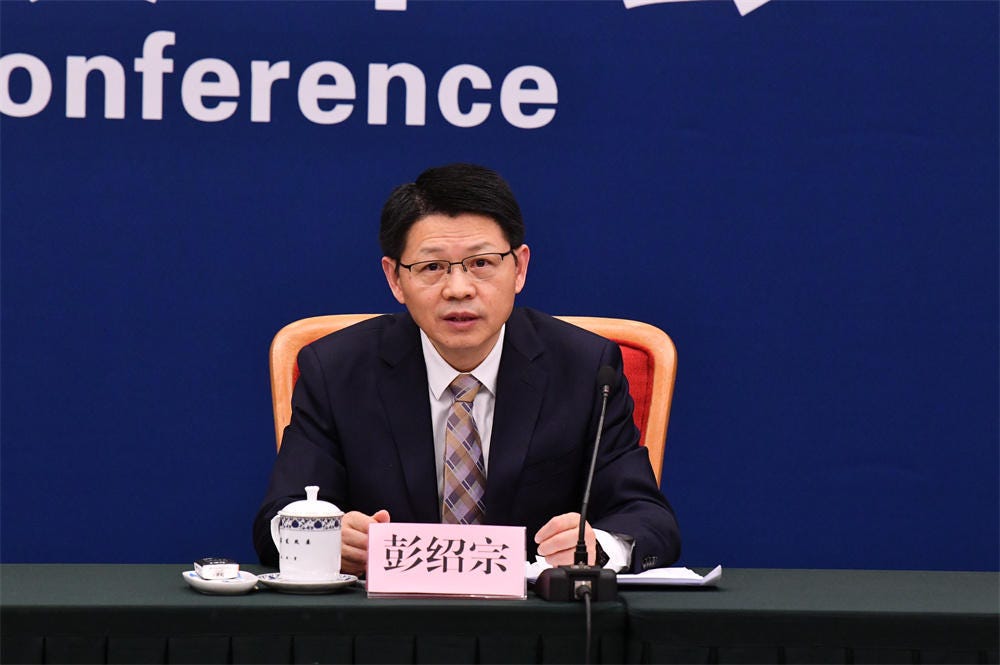
by Peng Shaozong, Deputy Director of the Department of Price at the National Development and Reform Commission (NDRC).
Below is the full machine translation of Peng’s article, manually reviewed and edited paragraph by paragraph to ensure accuracy and reliability. It was published on Aisixiang on March 27, 2026. Emphasis and spacing have been added throughout to improve readability:
Abstract:
As the US-Iran military conflict escalates and Iran completes a hardline power transition, geopolitical tensions rise. Navigation through the Strait of Hormuz has been disrupted, putting the world's primary energy transit corridor under constant threat of blockade. The global crude oil supply system is becoming increasingly chaotic, with market panic buying widening supply gaps even more. Prices for major commodities such as international crude oil, natural gas, and chemical products are extremely volatile.
On March 9, international oil prices approached the 120 US dollar per barrel threshold, causing China to experience a dual shock of higher-than-expected imported inflation and supply chain disruption. China's external dependence on crude oil is 72.7%, with approximately 45%-50% of its imported crude oil passing through the Strait of Hormuz.
The [impact of the] situation in the Middle East spreads throughout China's industrial chain via channels such as energy prices and chemical industry chains. Costs in high-energy-consuming industries have risen by 15%-25%, small, medium, and micro enterprises' profits are under severe pressure, and supply chain "chokepoint" risks have emerged in fields such as semiconductors and fertilizer.
This report integrates the latest geopolitical developments with price data to construct a three-tier scenario forecasting model, identifying a high-probability trend characterized by short-term volatility, medium-term fluctuations at elevated levels, and long-term recurring [great-power] competition 博弈.
It proposes the core philosophy 核心思路 of “hedging external geopolitical uncertainties with the certainty of domestic supply and price stability 以国内保供稳价确定性对冲外部地缘不确定性,” establishing a three-tiered red-yellow-blue early warning and graded response mechanism, and formulating precise policy measures covering short-term emergency response, medium-term adjustment, and long-term planning.
This [approach] will improve preparedness for extreme geopolitical scenarios by bolstering China's defense lines for securing commodity supply and stabilizing prices, as well as improving the security and resilience of industrial and supply chains.
The current geopolitical situation in the Middle East is marked by abruptness, repetition, and high intensity. In order to keep China's economy functioning smoothly, a stable commodity supply and pricing are of utmost importance due to the severe turbulence caused by the ongoing escalation of US-Iran tensions in the global energy markets. Accurately assessing the evolution of the situation and developing tiered and categorized response strategies are critical practical steps toward defusing imported risks and ensuring the stability of industrial and supply chains.
Recently, the international commodities market has deviated significantly from traditional supply-and-demand fundamentals, exhibiting characteristics such as heightened volatility 波动幅度大, accelerated shock transmission 传导速度快, and strong cross-market linkages 联动效应强. Recurring confrontations raise risk premiums, causing a fundamental shock to the global energy supply system.
I. Core Data: Analyzing Impact Intensity and Key Transmission Pathways
Dependence on [economic] corridors 通道依赖 has hit a critical red line. Approximately 20 million barrels of crude oil pass through the Strait of Hormuz daily, accounting for 30% of global seaborne oil trade and 20% of global oil consumption; notably, 84% of this volume is destined for Asian economies. China relies on this corridor for approximately 45-50% of its crude oil imports (4.6 million bpd) and 38% of its natural gas imports. This has resulted in a continuous increase in risk exposure due to the reliance on a single waterway.
The reliance on external sources remains high. In 2025, China's crude oil imports reached 578 million tons, with an external dependency rate of 72.7%; for natural gas, the external dependency rate was 40.5%, with Middle Eastern crude oil and natural gas imports accounting for 52% and 38%, respectively. With China's chemical and agricultural sectors heavily reliant on Iranian resources, the bombing of Kharg Island has brought Iranian crude oil and chemical exports to a halt, exacerbating supply-side uncertainties. Any fluctuation in the Middle East has a direct impact on supply stability in China’s domestic industries.
Record-breaking prices and logistics volatility. On March 9, West Texas Intermediate Crude (WTI 纽约轻质原油) peaked at $119.48/bbl intraday, while Brent Crude 布伦特原油 reached $119.50/bbl, approaching the $120 threshold for the first time since 2022. Freight rates for Very Large Crude Carriers (VLCC 超大型油轮) surged to $280,000 per day, the highest rate since the 2008 [financial crisis]. Asian LNG spot prices jumped over 50%, with base chemicals such as methanol 甲醇 and ethylene 乙烯 seeing synchronized spillover gains of 15%-30%. Marine insurance premiums skyrocketed by over 300%. Furthermore, damage to transport facilities on Kharg Island caused a total standstill of Iranian crude export routes. Escalating controls in the Strait of Hormuz have forced frequent rerouting of global tankers, driving a sharp dual increase in logistics costs and geopolitical risk premiums.
II. The Triple-Scenario Forecast: Geopolitical Outlook and Price Trends
Based on key variables such as the intensity of the conflict, the harshness of shipping lane controls, and the cyclical nature of US-Iran tensions, a tiered forecast of the Middle East situation and international oil prices is provided below. The market characteristics and impacts for each scenario are as follows:
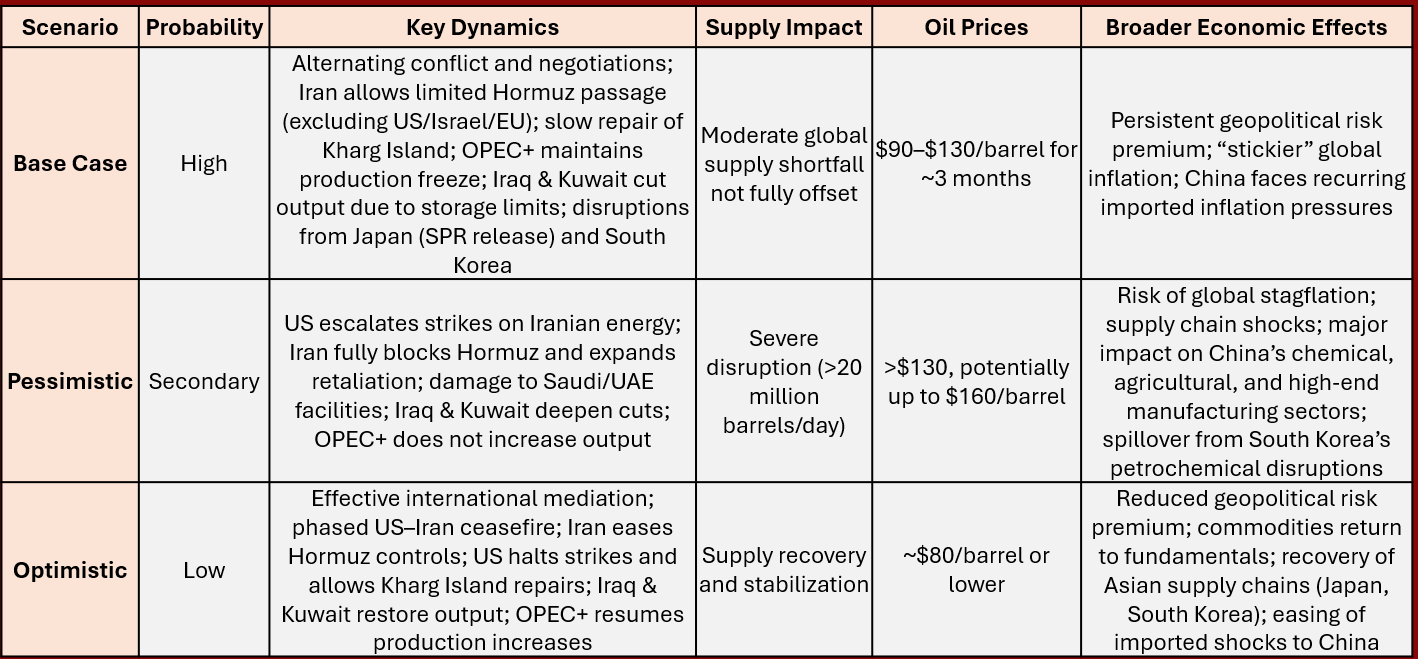
The Base Case Scenario (High Probability) - US-Iran tensions will exhibit a pattern of alternating between conflict and negotiations. Although the Trump administration has claimed that “Iran has been defeated,” Tehran has refused to reach an agreement. [Under this scenario,] Iran will maintain limited passage through the Strait of Hormuz for non-US, non-Israeli, and non-European vessels.
Slow progress in repairing the Kharg Island oil terminal will make it difficult for Iran to resume crude oil exports in the short term. OPEC+ will maintain its production freeze plan. Countries such as Iraq and Kuwait will continue to cut production due to insufficient storage capacity. Regional supply disruptions will arise from Japan’s release of strategic oil reserves and supply chain disruptions in South Korea.
The global crude oil supply shortfall will not be easily offset, causing international oil prices to fluctuate at high levels between $90 and $130 per barrel for approximately three months. Amid recurring geopolitical tensions, the risk premium on oil prices will remain persistently high, global inflation will become even stickier 粘性增强, and China will continue to face imported inflationary pressures that will periodically intensify.
Pessimistic Scenario (Second-highest Probability) - The conflict will escalate further as the US intensifies strikes on Iranian energy facilities. In response, Iran will completely block the Strait of Hormuz and will expand the scope of its retaliatory measures against US and Israeli targets. Energy facilities in oil-producing nations such as Saudi Arabia and the UAE will be affected, while insufficient storage capacity in Iraq and Kuwait will exacerbate production cuts. OPEC+ will have no plans for additional production increases. Consequently, global crude oil supply will be disrupted by over 20 million barrels per day, with oil prices breaking through $130 per barrel and surging toward $160 per barrel.
Institutions such as Macquarie Group predict that the crude oil market may face a temporary collapse due to a comprehensive contraction on the supply side. China International Capital Corporation (CICC) forecasts that if the Hormuz Strait blockade and disruption of Iranian exports persist into the second quarter, the central price of Brent crude will rise above $140 per barrel, triggering global stagflation risks 滞胀风险. China’s chemical, agricultural, and high-end manufacturing sectors will face supply and price shocks across all product categories, and the ripple effects of disruptions in South Korea’s petrochemical industry chain will further impact China’s supply chain system.
Optimistic Scenario (Low Probability) - Impactful international mediation leads to a phased ceasefire agreement between the U.S. and Iran; Iran gradually eases controls over the Strait of Hormuz; the U.S. halts strikes on Iranian energy facilities and permits the repair of Kharg Island; countries such as Iraq and Kuwait gradually restore production capacity; OPEC+ resumes its production increase schedule; geopolitical risk premiums subside; international oil prices fall back to around $80 per barrel or below, the commodities market returns to being driven by supply and demand fundamentals, and the supply systems of Asian countries such as Japan and South Korea gradually recover, the imported shocks to China will gradually ease.
The situation in the Middle East has had a rapid impact on China, with wide scope, cascading effects, and high volatility. This situation has sent shockwaves throughout the real economy via oil, natural gas, and key chemical products, posing a persistent challenge to China's efforts to stabilize economic growth, prices, and employment.
I. Direct Energy Price Shocks: Broad-Based Increases in Manufacturing Costs
The surge in global oil prices has directly increased domestic procurement costs for refined oil products, chemical raw materials, and industrial fuels, whereas the possibility of recurring US-Iran tensions has pushed up oil price risk premiums, exacerbating the magnitude and duration of price increases. Comprehensive costs in energy-intensive sectors such as logistics, transportation, aviation, shipping, steel, and non-ferrous metals have risen by 15% to 25%, severely reducing corporate profits.
Natural gas prices have risen in tandem, affecting not only residential heating needs but also increasing costs for industrial gas and thermal power generation, exacerbating the dual pressure on electricity and energy consumption in the manufacturing industry. Some small, medium, and micro manufacturing businesses have encountered the operational dilemma of "operating at a loss from the start." The volatility of the geopolitical situation has made it significantly more difficult for businesses to forecast costs, resulting in more conservative production and operational decisions, as well as a significant decrease in willingness to expand capacity or invest.
II. Deep Transmission Across the Chemical Value Chain: The Multiplier Effect of a Single Drop of Oil 一滴油引发乘数效应
Iran is not only a major global oil exporter, but also a key supplier of core chemical products. Disruptions in its supply have had a significant multiplier effect on China's manufacturing sector, affecting both upstream and downstream industries and causing a chain reaction of "raw material shortages → price increases → pressure on end-users" 原料断供-价格暴涨-终端承压.
The shortage of basic chemical raw materials is widening. Approximately 45% of China’s imported methanol and 10% of its polyethylene come from Iran. The conflict has caused a sharp drop in the operating rates of Iranian chemical plants and a halt in exports, leading to a 15%–30% surge in methanol and ethylene prices. This has directly driven up the costs of Chinese products such as plastics, rubber, coatings, and solvents, and the impact has further trickled down to end-manufacturing industries 终端制造行业 including home appliances, automobiles, packaging, and furniture.
Rising agricultural input costs are affecting agricultural output. Iran is the world's second-largest urea 尿素 exporter and a significant supplier of sulfur 硫磺. The Middle East accounts for 56% of China's sulfur imports. The sharp rise in fertilizer raw material prices has raised the costs of agricultural inputs such as urea and phosphate fertilizers 磷肥, directly increasing the costs of spring plowing and crop cultivation and jeopardizing China's food security and agricultural product price stability. The recurring nature of geopolitical tensions has caused agricultural input prices to fluctuate at high levels over time, putting additional pressure on agricultural production costs and prompting agricultural input companies to take a more cautious approach to production and inventory decisions.
The entire chemical fiber textile industry chain is under pressure. Crude oil cracking products are the primary raw materials for the chemical fiber industry; rising oil and naphtha prices have resulted in a significant increase in the cost of products such as polyester and nylon. This has increased export costs for the textile, apparel, and home textile industries, significantly reducing their competitiveness in the international market and compressing overall profit margins. Cost fluctuations pose a risk of default for export orders. With the East Asian supply chain linkage effect caused by disruptions in South Korea's petrochemical industry, logistics and delivery risks for China's chemical fiber textile exports have increased.

Yohan@yohaniddawela
The global economy depends almost entirely on 24 narrow strips of water. Every single year, $192 billion of trade is exposed to disruption at these exact maritime chokepoints. Researchers mapped the entire global maritime transport network to see what happens when these routes

1:01 PM · Apr 5, 2026 · 116 Views
1 Repost · 3 Likes
III. The Dual Impact of Critical Raw Materials and Logistics: Escalating Risks of Supply Chain Bottlenecks
Hidden risks in high-end manufacturing have become prominent. In March 2026, the Ras Laffan gas field in Qatar was forced to suspend production due to the conflict, resulting in the disruption of over one-third of the global helium supply. This has triggered a supply chain crisis across critical industries such as semiconductors and medical MRI, directly impacting the production stability of China’s semiconductor industry chains. This further exacerbates the risk of “chokepoint” (stranglehold) vulnerabilities in the chip sector and poses a constraint on the structural upgrading of China’s high-end manufacturing industry.
Global logistics system disruption drives up operating costs. Tankers and cargo ships have been forced to detour via the Cape of Good Hope, increasing voyages by 40% and extending transit times by 10 to 14 days, compounded by a surge in shipping insurance premiums of over 300%. Tanker route planning has faced frequent adjustments or even complete halts, leading to a dual increase in both logistics and time costs. China's crude oil shipments - even those not associated with the U.S., Israel, or Europe - face increased procedural complexity and reduced customs clearance efficiency.
Consequently, logistics costs for imported raw materials and finished product exports in the manufacturing sector have risen sharply, delivery cycles have significantly lengthened, and some industries tightly integrated with South Korean supply chains are already facing the risk of "work stoppages due to material shortages 停工待料," severely challenging supply chain stability.
IV. Market Expectation Volatility: Industry-wide Profit Squeeze and Speculative Hype
The sharp fluctuations in commodity prices have attracted speculative capital, further amplifying market panic 市场恐慌. Some traders have engaged in hoarding and price gouging 囤积居奇, which has further exacerbated price volatility and created a rigid chain of transmission: “upstream price hikes → midstream pressure → downstream losses.”
Among these, small, medium, and micro manufacturing businesses, with their weak risk-resilience, have been hit the hardest; some sectors have already experienced “cost inversion and underutilized capacity.” The unpredictability of the geopolitical situation continues to escalate, and the combination of market panic and operational pressures on the real economy not only squeezes corporate profit margins but also poses a persistent challenge to the security of China’s industrial and supply chains.
In light of the high level of uncertainty surrounding the situation in the Middle East and the sharp volatility in commodity markets, the core strategy is to “use the certainty of domestic supply and price stability to offset the uncertainty of external geopolitical conflicts and the extreme risks arising from recurring U.S.-Iran tensions.”
We must adhere to a coordinated approach combining short-term emergency measures, medium-term adjustments, and long-term planning; formulate precise, tiered, and categorized policy measures; strengthen preparedness for extreme geopolitical scenarios; make every effort to safeguard the bottom line of supply security and price stability; break the chain of inflation transmission; and prevent and mitigate systemic risks.
I. Short-Term Emergency Response (1–3 months): Rapid Response to Safeguard the Bottom Line of Supply and Price Stability
The strategy focuses on "filling supply gaps, stabilizing market prices, and preventing speculative hype" to address extreme geopolitical scenarios. It entails the rapid deployment of policy tools such as reserve adjustments, import substitution, and market supervision to mitigate immediate supply and price risks. Priority will be given to meeting the energy and raw material requirements of people’s livelihoods and key industries, thereby stabilizing market expectations.
Deploy reserves in tiers to precisely mitigate price fluctuations. Establish a three-tier early warning system based on oil price increases:
Blue Alert (US$100–110 per barrel) will release 5–8 million tons from the national strategic petroleum reserve, coordinated with the release of corporate commercial reserves.
Yellow Alert (US$110–130 per barrel): Increase reserve releases to 10–15 million tons and simultaneously mobilize national natural gas reserves.
Red Alert (over US$130 per barrel): Activate the highest-level emergency reserve release mechanism, appropriately expanding the scale to over 20 million tons to resolutely safeguard the bottom line of energy supply for basic living needs.
Promote diversified alternatives to ensure the sustained stability of the supply chain.
By the end of April 2026 [!!], increase the share of crude oil imports from non-Middle Eastern sources - including Russia, Central Asia, Africa, and South America - to over 55%.
Operate cross-border oil and gas pipelines at full capacity, and accelerate the implementation of heavy crude oil substitution plans.
Optimize maritime route planning to fully circumvent geopolitical risks in the Strait of Hormuz, expand transport capacity along alternative routes, and promote the diversion of Middle Eastern crude oil via the Red Sea and the Suez Canal.
In response to regional supply gaps caused by disruptions in South Korea’s petrochemical industry chain, prepare domestic chemical supply contingency plans in advance to prevent regional spillover effects from impacting the domestic market.
Increase imports of chemical products such as methanol, sulfur, and urea from non-Middle Eastern countries, and comprehensively reduce reliance on chemical raw materials from Iran.
Proactively engage with African oil-producing countries to implement measures facilitating customs clearance for crude oil imports; seize the window of opportunity presented by the May 1 implementation of zero tariffs on crude oil imports from 53 African countries to China; expand the scale of crude oil imports from African nations such as Angola, Nigeria, and Algeria, and simultaneously enhance refineries’ processing capacity to accommodate African crude oil.
Strengthen market supervision and resolutely curb speculative trading.
Implement 24/7 price monitoring for key commodities such as crude oil, refined oil products, chemicals, and fertilizers;
intensify efforts to crack down on panic-driven speculative behavior in the market; severely punish hoarding, price gouging, and malicious speculation, and publicize typical cases to serve as a deterrent;
Adjust risk control parameters in the futures market, raise margin requirements and transaction fees for relevant commodities to curb excessive speculation, and prioritize preventing irrational fluctuations in the futures market following a potential surge in oil prices to $130 per barrel.
II. Medium-Term Adjustments (3–12 months): Implement Targeted Measures to Break the Inflation Transmission Chain
To address persistent cost pressures, focus on "reducing corporate costs, alleviating operational difficulties, and expanding the domestic market 降企业成本、纾经营困境、扩内需市场". We will alleviate operational pressures on downstream enterprises, reduce inflation risks, and stabilize the real economy by implementing targeted price controls, precise financial support, and facilitating domestic economic circulation.
Implement targeted price controls to precisely alleviate pressure on downstream sectors.
Provide temporary price subsidies for public transportation, taxis, agriculture, and residential natural gas - key sectors affecting people’s livelihoods - with the subsidy period dynamically adjusted based on developments in U.S.-Iran tensions and oil price fluctuations to address sustained inflationary pressures.
Provide special energy cost subsidies to small, medium, and micro enterprises in logistics and manufacturing, with a focus on industries closely linked to South Korea’s industrial chains and significantly impacted by supply disruptions.
Implement minimum fertilizer production plans, prioritize energy and raw material needs for fertilizer production, stabilize agricultural input prices, and make every effort to ensure spring plowing operations.
Optimize financial instruments to effectively hedge against operational risks.
Encourage large-scale refining, foreign trade, and manufacturing enterprises to use derivatives such as futures, options, and swaps to lock in import costs, and design customized hedging products to address geopolitical risks such as the fluctuating navigation status of the Strait of Hormuz and the progress of repairs on Khalk Island.
Support financial institutions in expanding the coverage of exchange rate hedging tools; guide financial institutions to increase credit support for enterprises, ensuring energy supply, and stabilizing industrial chains.
Implement special credit relief measures for severely affected small, medium, and micro enterprises, and adopt differentiated credit policies to ensure that loans are not withdrawn, suspended, or reduced.
Facilitate the domestic economic circulation to offset external shocks through domestic demand.
Intensify efforts to reduce taxes and fees; implement differentiated energy-saving and cost-cutting policies for energy-intensive industries; and support enterprises in upgrading their technology to reduce energy consumption.
Implement policies to stabilize consumption and unlock the potential of major consumer sectors such as automobiles, home appliances, and green building materials.
Use the stability of the domestic economic cycle to offset the persistent external shocks caused by recurring U.S.-Iran tensions, reduce reliance on supply chain linkages in East Asia, and use the stability of the domestic economic cycle to withstand external pressures.
III. Long-Term Strategy (1–3 Years): Consolidating Foundations and Strengthening the Industry Chain’s Security and Resilience
Focusing on “strengthening the resource base, addressing supply chain weaknesses, and promoting energy transition 强资源基础、补产业链短板、促能源转型,” the goal is to fundamentally reduce resource dependence on Iran and other high-risk geopolitical spots in the Middle East.
Efforts will be concentrated on import diversification, the development of reserve systems, energy transition, and the enhancement of self-sufficiency 自主保障. These actions aim to fundamentally lower national external dependence and improve the sovereign control 自主可控 of commodity supplies, as well as the resilience of industrial and supply chains.
Deepen the diversification of energy imports and establish a multi-channel, multi-source supply system.
Consolidate long-term cooperation with major oil-producing countries, sign new and renew existing long-term supply contracts for crude oil and natural gas, and lock in import volumes and benchmark prices.
Strengthen cooperation on oil and gas resources in non-Middle Eastern regions such as Central Asia, Latin America, and Africa; accelerate the reduction of the share of Middle Eastern crude oil imports to below 45%, with a focus on reducing reliance on imports of Iranian crude oil and chemical feedstocks.
leveraging the zero-tariff policy for China among the 53 African nations, sign long-term crude oil supply and exploration and development cooperation agreements with key African oil-producing countries to lower the overall cost of African crude oil imports, and include the share of African crude oil imports as a core performance indicator for boosting imports from non-Middle Eastern channels.
Increase the transport capacity of land-based energy corridors and establish a dual-circulation energy transportation system centered on land transport with maritime transport as a supplement, thereby mitigating geopolitical risks associated with the single shipping lane through the Strait of Hormuz.
Optimize the layout of maritime shipping routes to build a “maritime + land-based 海上+陆上” dual-circulation energy transportation system.
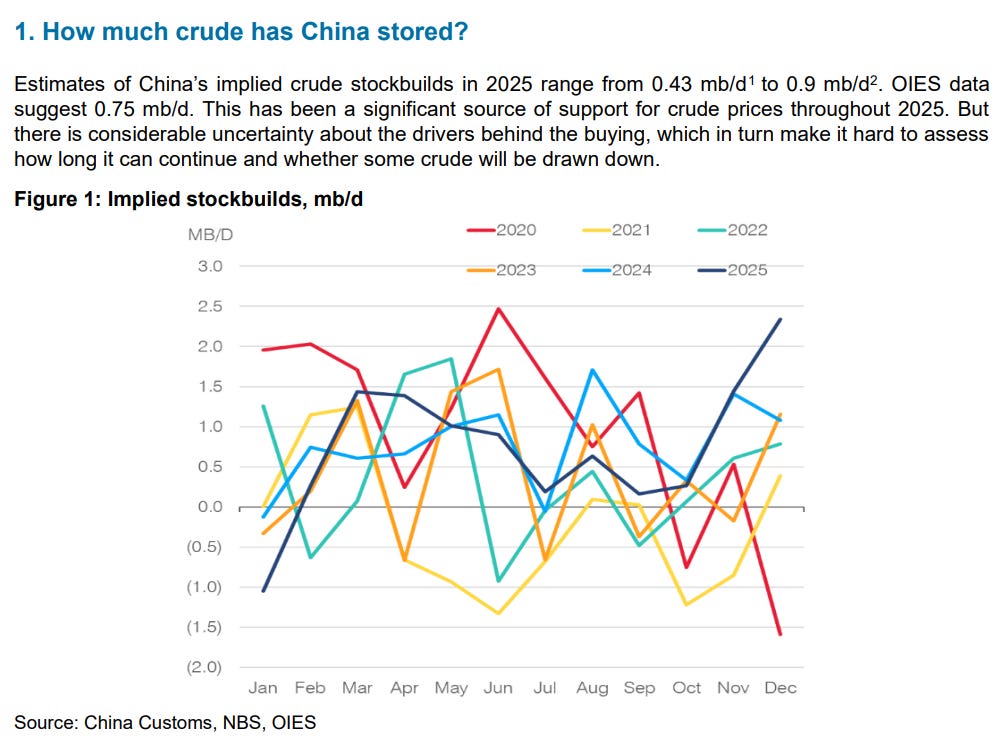
Improve the strategic reserve system and fortify the core line of defense to ensure supply and stabilize prices.
Methodically [lit. “scientifically”] expand the scale of strategic reserves for oil, natural gas, coal, critical chemical products, and fertilizers.
In response to extreme geopolitical scenarios, such as recurring U.S.-Iran confrontations, a total blockade of the Strait of Hormuz, or the complete disruption of Iranian exports, the baseline scale of the Strategic Petroleum Reserve (SPR) should be increased to over 500 million barrels 将战略石油储备保底规模提升至5亿桶以上.
Optimize the geographical layout of reserves and accelerate the construction of coastal and inland storage bases to form a three-tier reserve system consisting of “National Reserves + Corporate Commercial Reserves + Social Reserves 国家储备+企业商业储备+社会储备.”
Adhere to a dynamic adjustment strategy of “replenishing stocks when prices are low and releasing stocks when prices are high 低价补库、高价放储.” Clearly define the rhythm, scale, and methods of reserve releases under different scenarios, formulate specialized emergency release plans, and enhance the practical regulatory capacity of the reserves.
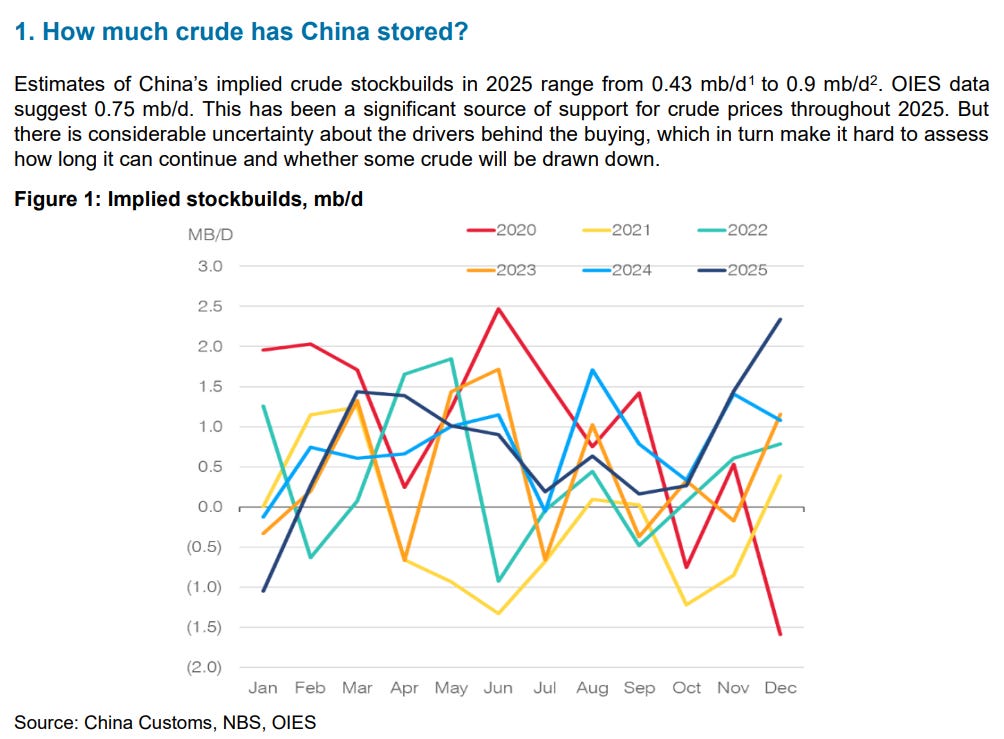
Source: Michal Meidan, Head of China Energy Research, Oxford Institute for Energy Studies, Feb 2026.
Accelerate the energy transition and substitution to reduce reliance on fossil fuels.
Vigorously develop clean energy sources such as wind power, solar power, nuclear power, and hydropower; steadily advance the construction of a new power system; and increase the share of non-fossil energy consumption.
Support the development of alternative energy industries such as coal-to-liquids and gas, biofuels, and hydrogen energy, and encourage refining and petrochemical enterprises to optimize processes and enhance their capacity to process heavy crude oil.
Increase investment in domestic R&D and industrialization of core raw materials previously supplied by Iran, such as high-purity neon, methanol, and polyethylene.
Establish national-level special projects for technological breakthroughs to achieve self-reliance and control over key raw materials, and enhance the self-sufficiency of critical raw materials for the chemical, chemical fiber, and semiconductor materials industries to address weaknesses in the industrial chain.
To ensure the effective implementation of tiered and categorized response policies and to firmly fortify China’s defense line for guaranteeing supply and stabilizing prices of bulk commodities, a systematic and comprehensive security framework shall be established across five dimensions: 1) monitoring and early warning; 2) coordinated linkage; 3) international cooperation; 4) capacity building, and 5) operational drills.
I. Establish a Comprehensive, Round-the-Clock Monitoring and Early Warning System to Improve the Accuracy of Risk Prediction
Establish a “Geopolitical-Market-Supply Chain 建立“地缘+市场+供应链” tripartite monitoring network. Integrate multi-departmental data from the National Development and Reform Commission (NDRC), Ministry of Foreign Affairs, Ministry of Commerce, National Energy Administration (NEA), and the General Administration of Customs.
Conduct 24/7 real-time monitoring of core indicators, such as the restoration progress of Kharg Island, real-time navigational status of the Strait of Hormuz, production capacity fluctuations in countries such as Iraq and Kuwait, the release schedule of Japan’s Strategic Petroleum Reserves (SPR), the recovery of South Korea’s petrochemical value chain, OPEC+ production adjustment plans, international crude prices, shipping indices, domestic refinery utilization rates, and inventory levels.
Refine the tiered early-warning and authoritative information dissemination mechanism. Formulate tiered early-warning standards and incorporate new trigger conditions for extreme geopolitical scenarios; clearly define the criteria, responsible departments, and response protocols for each warning level; release analytical assessments and policy guidance through authoritative channels to markets, enterprises, and the public in a timely manner to stabilize market expectations and prevent panic hoarding and irrational speculation.
Strengthen the support of big data and predictive modeling. Utilize macroeconomic models, geopolitical simulation models, and price transmission models to perform quantitative measurements of oil price trends, import costs, and inflationary impacts under various conflict scenarios. Dynamically adjust model parameters by integrating the analytical findings of professional institutions to provide scientific data support for the activation of tiered contingency plans, reserve releases, and policy adjustments, thereby enhancing the foresight and precision of decision-making.
II. Establish a cross-departmental and cross-regional coordination mechanism to consolidate efforts in ensuring supply and stabilizing prices
Establish a special working group for ensuring commodity supply and price stability. The joint mechanism should be led by the NDRC in collaboration with the energy, finance, commerce, market regulation, financial supervision, and transportation departments, which will include weekly consultations, monthly scheduling, and emergency response. Establish a dedicated geopolitical assessment team for the US-Iran situation to monitor real-time developments. Coordinate efforts across reserve releases, import adjustments, price regulation, and financial assistance to avoid policy fragmentation and asynchronous actions.
Consolidate the three-tier responsibility framework of “central coordination, local implementation, and corporate primary responsibility 中央统筹、地方落实、企业主体.”
At the central level, responsibilities include strategic reserve dispatching, macroeconomic policy formulation, international coordination, and the development of contingency plans for extreme geopolitical scenarios.
Local governments are responsible for market supply guarantees, price regulation, livelihood protection, and corporate relief within their jurisdictions, as well as implementing local supply measures addressing recurrent US-Iran confrontations.
China National Petroleum Corporation (CNPC), China Petrochemical Corporation (Sinopec Group), China National Offshore Oil Corporation (CNOOC), and key refining and trading enterprises should assume the primary responsibility for supply security, formulating corporate-level specialized supply plans to ensure adequate inventory, stable production, and uninterrupted supply.
Central, local, and corporate entities shall periodically review the feasibility of contingency plans, departmental synergy, and response efficiency to promptly identify and optimize issues, thereby enhancing the operational viability of the plans.
Establish a unified national information platform for commodity supply and price stability. Enable real-time sharing of data across crude oil imports, inventories, production, sales, and logistics to eliminate information silos between departments, regions, and enterprises. Integrate a dedicated geopolitical risk module to provide real-time updates on the U.S.-Iran confrontation, restoration progress at Kharg Island, maritime transit restrictions in the Strait of Hormuz, and the status of South Korean supply chains. In emergency scenarios, activate inter-regional and inter-enterprise emergency dispatching to prioritize energy and raw material requirements for public welfare, agriculture, and key manufacturing sectors.
Strengthen risk identification and remediation in key sectors. Conduct normalized risk assessments of critical infrastructure, including coastal refineries, oil and gas storage bases, cross-border energy corridors, and key logistics hubs. Focus on identifying geopolitical risk hazards along maritime oil and gas transit routes and ensuring transport security for inland energy channels; strengthen supply risk assessments for segments linked to South Korean industrial chains. Address infrastructural deficiencies and close security loopholes promptly to ensure that China’s energy supply chain remains functional and resilient, even under extreme circumstances, preventing total disruption or stagnation.
III. Deepen multi-level, multi-sector international energy cooperation to stabilize the external supply market landscape
Consolidate the foundation for long-term oil supply cooperation.
Accelerate communication and coordination with major oil-producing nations, including Russia, Saudi Arabia, the United Arab Emirates, Iraq, Brazil, and Angola.
Promote the renewal and signing of long-term crude oil and natural gas supply contracts to lock in annual import volumes and benchmark prices.
Focus on deepening cooperation with non-U.S. allied countries and non-EU member states to mitigate the impact of short-term price volatility and geopolitical conflicts.
Expand equity-based development of overseas oil and gas resources.
Support domestic energy enterprises in participating in the exploration, development, and operational management of overseas oil and gas fields.
Increase equity production efforts in non-Middle Eastern regions, such as Africa, Central Asia, and South America, to reduce resource dependency on the Middle East.
Elevate the proportion of self-controlled resources 自主可控资源 to enhance the elasticity and stability of China’s energy supply, with a strategic focus on establishing overseas alternative supply bases for critical raw materials such as high-purity neon and methanol.
Actively participate in global energy governance.
Leverage multilateral cooperation mechanisms such as the G20, BRICS, and the Shanghai Cooperation Organization (SCO) to call upon major global oil-producing and consuming nations to strengthen collaboration and jointly maintain global energy market stability.
Oppose unilateral sanctions and military conflicts that disrupt energy supply chains.
Coordinate with multiple nations to urge the U.S. and Iran to resume negotiations and de-escalate confrontations, promoting an international consensus on the security of energy corridors.
Establish a normalized energy cooperation mechanism with African oil-producing nations and the African Union (AU) centered on zero-tariff policies for crude oil imports. Negotiate matters such as the optimization of crude oil shipping routes, enhancement of customs clearance efficiency, and joint construction of refineries to improve the stability and controllability of energy resource imports from Africa.
IV. Strengthen core capabilities for ensuring supply and stabilizing prices, and consolidate the foundation for long-term safe development
Improve the capacity for the fine-grained management of strategic reserves.
Refine mechanisms for the release, rotation, and warehouse management of reserves;
promote the linkage and integration of national reserves with corporate commercial reserves;
optimize reserve dispatch processes and
optimize emergency reserve dispatch processes to improve release efficiency during extreme scenarios.
Methodically plan the layout of reserve bases by accelerating the construction of coastal, inland, and border reserve bases, with a focus on constructing reserve bases along terrestrial energy corridors to circumvent maritime geopolitical risks and address shortcomings in reserve facilities.
Enhance domestic energy production and alternative supply security capabilities.
Intensify domestic oil and gas exploration and development efforts to increase the output of unconventional energy sources, such as shale oil, shale gas, and coalbed methane;
support the R&D and industrial application of core alternative energy technologies to promote the large-scale development of industries like coal-to-liquids (CTL), coal-to-gas (CTG), and biofuels;
encourage the technological transformation of refining and chemical enterprises to improve their processing capacity for heavy and high-sulfur crude oils, with a focus on enhancing adaptability for processing crude oil imported from Africa;
Increase investment in domestic R&D for core raw materials primarily supplied by Iran, such as high-purity neon and methanol. This would enable national-level technological breakthroughs toward self-sufficiency in key raw material production.
Improve the price regulation and market supervision toolbox.
Perfect the pricing mechanisms for refined oil and natural gas;
optimize the linkage between prices and subsidy policies, and, targeting sustained price increases, establish a dynamic adjustment mechanism for price subsidies;
implement precise support for areas related to people’s livelihoods and vulnerable sectors;
strengthen the coordinated supervision of spot and futures markets for bulk commodities, improve regulatory rules, and formulate special regulatory measures targeting panic speculation triggered by a recurring US-Iran confrontation;
enhance regulatory effectiveness and resolutely safeguard fair market competition.
The current escalation of the US-Iran conflict has caused commodity price fluctuations, which are having systemic, larger-than-expected, and recurring effects on China's economy. These developments not only cause direct imported inflationary pressures but also spread throughout the industrial chain, affecting the functioning of the real economy. Keeping supply and prices stable for bulk commodities is a difficult and time-consuming battle.
In the face of a complex and severe external environment, China must abandon wishful thinking in favor of bottom-line thinking and worst-case scenario thinking, and adopt as its core approach "using the certainty of domestic supply and price stability to hedge against external geopolitical uncertainty." It must develop and improve the three-tiered early warning and response mechanism (red, yellow, and blue), as well as coordinate three types of policy tools: short-term emergency measures, medium-term adjustments, and long-term planning.
China should strengthen its capacity to ensure supply and stabilize prices in the face of extreme geopolitical risks by establishing a comprehensive monitoring and early warning system, a cross-departmental coordination and linkage mechanism, and a multi-level international cooperation framework, as well as consolidating the responsibilities of the central government, local governments, and enterprises. This will significantly improve the security and resilience of China's energy system, as well as its industrial and supply chain networks.
Only by resolutely safeguarding the bottom line of ensuring supply and stabilizing bulk commodity prices, as well as effectively cutting off the inflation transmission chain, can systemic risks be avoided and defused. This would provide solid and reliable support for the stable and healthy operation of China's economy and promote both effective qualitative improvement and reasonable quantitative growth.
Archived link to Peng’s article: https://archive.is/6eSmV
Tuvia Gering is a cyber-threat intelligence analyst at Planet Nine’s Digital Intelligence Team, a visiting fellow at the Israel-China Policy Center at the Institute for National Security Studies (INSS), and a nonresident fellow at the Atlantic Council’s Global China Hub. The views expressed in this article are solely those of the author and do not necessarily reflect the positions of the author’s affiliated organizations.
If you found this issue useful, please take a moment to pay it forward by recommending Discourse Power to friends and colleagues.
Comments
Nothing yet. Say the first thing.
Sign in to join the conversation.