
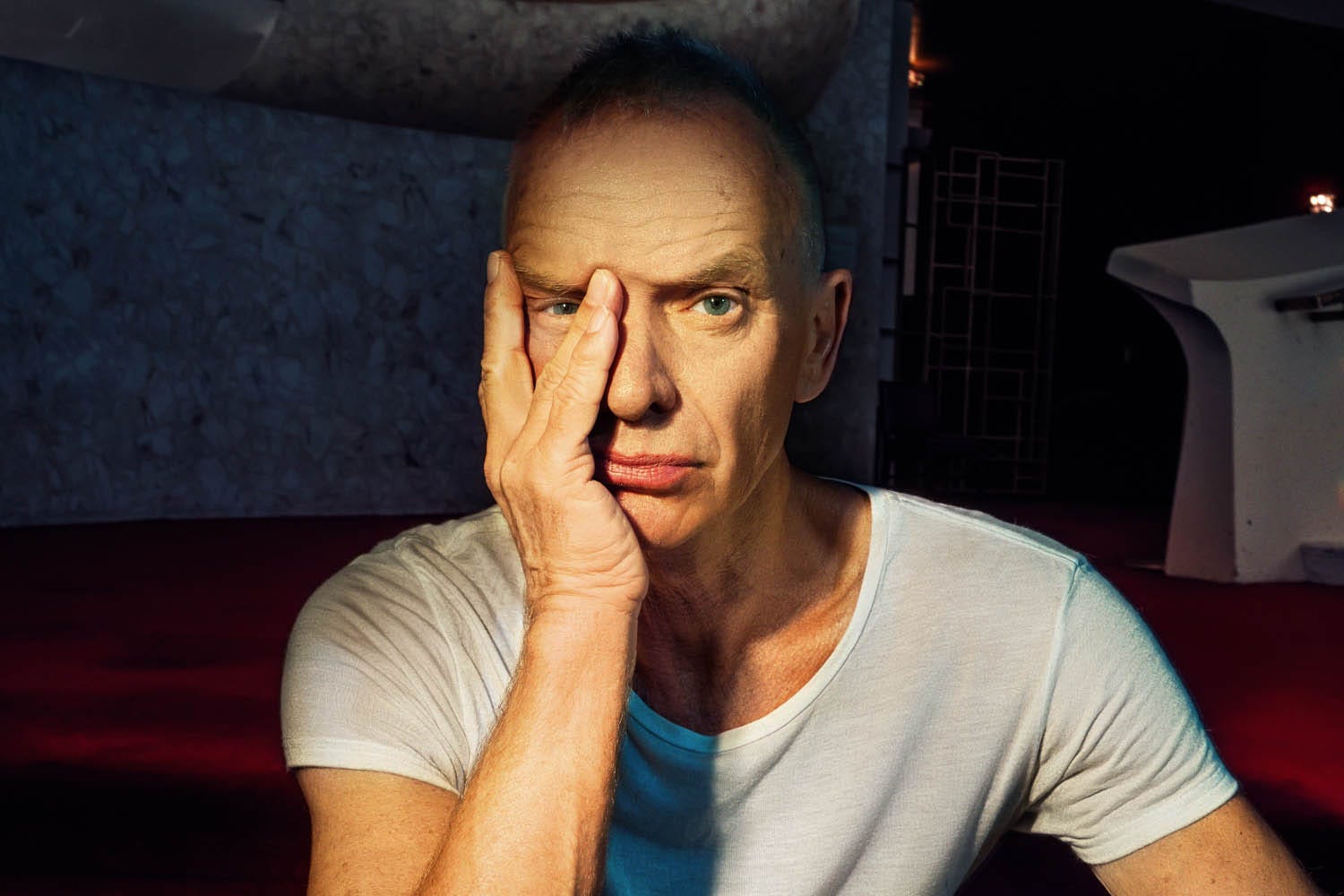
In the Flash is a reader-supported publication about intent and creativity in photography. To join the conversation
Every portrait is a fantasy. There is a Goldilocks sweet spot that I am chasing with my portrait work, a cross-pollination between the subject’s character and my subjective construction of it. The ones that are successful cohabitate a triangle in between the photographer’s vision, the subject’s temperament, and the viewer’s projection. The audience contributes more to the triangle when the subject is recognizable than when they are unknown and therefore a blank slate. Celebrity myth-making facilitates the photographer’s job, since familiarity jump-starts the fantasy regardless of execution. There are many mediocre photos of celebrities because it is easy to be seduced into false epiphanies by a famous face.
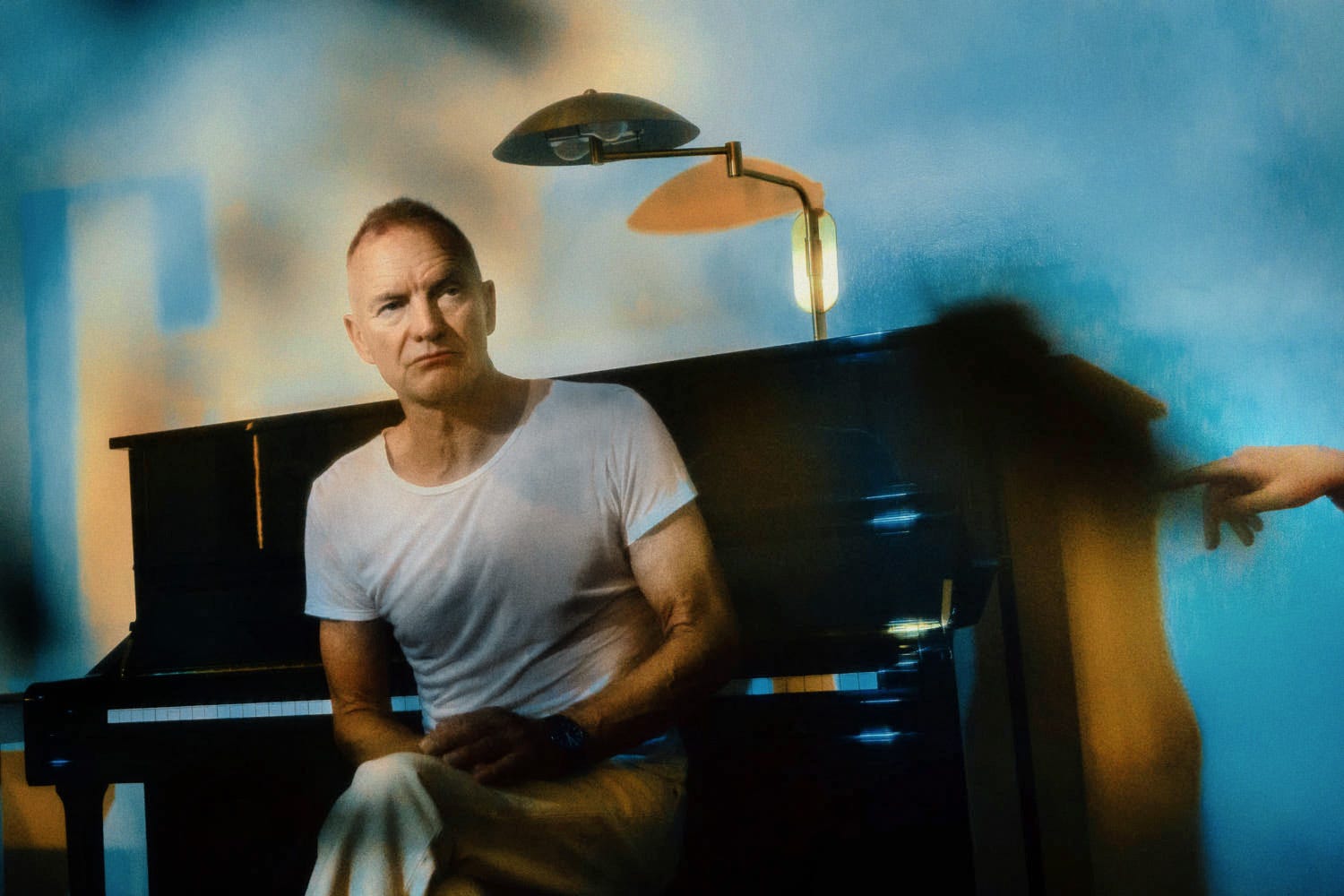
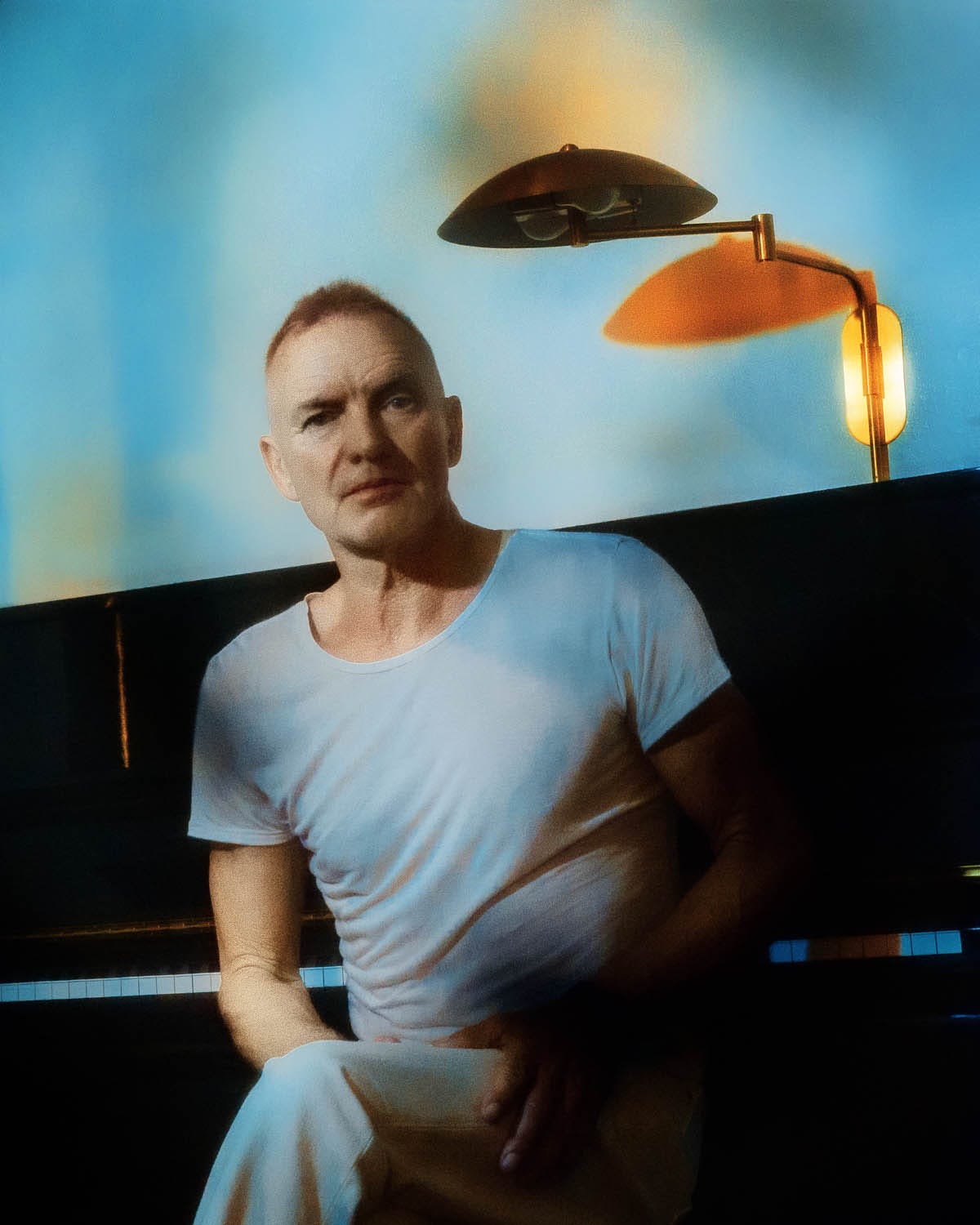
I’ve taken boring portraits of celebrities in the past because as a younger photographer, I was afraid to take risks. The pressure of photographing a well-known person is intense, amplified by the editor’s expectations and the limitations imposed by PR. All this, combined with a meager amount of time (I had five minutes with Ringo and thirty seconds with Wendy Williams), nudges the process towards the safe choice, which is a purgatory in between creativity and competence.
The safe choice is a well-exposed, easily read portrait that conforms to the existing stereotypes of both the subject and whatever trend in portraiture is popular at the moment. Publications are full of such photos, not just because photographers default to them under pressure but because editors tend to avoid making bold moves when working with celebrities. That makes its own sense. A safe photo has a safe track record and is more likely to please the bloodthirsty PR and allow a possibility of a future portrait. With a non-famous subject, more risks can be taken because the stakes are so much lower.
Which brings me to Sting.
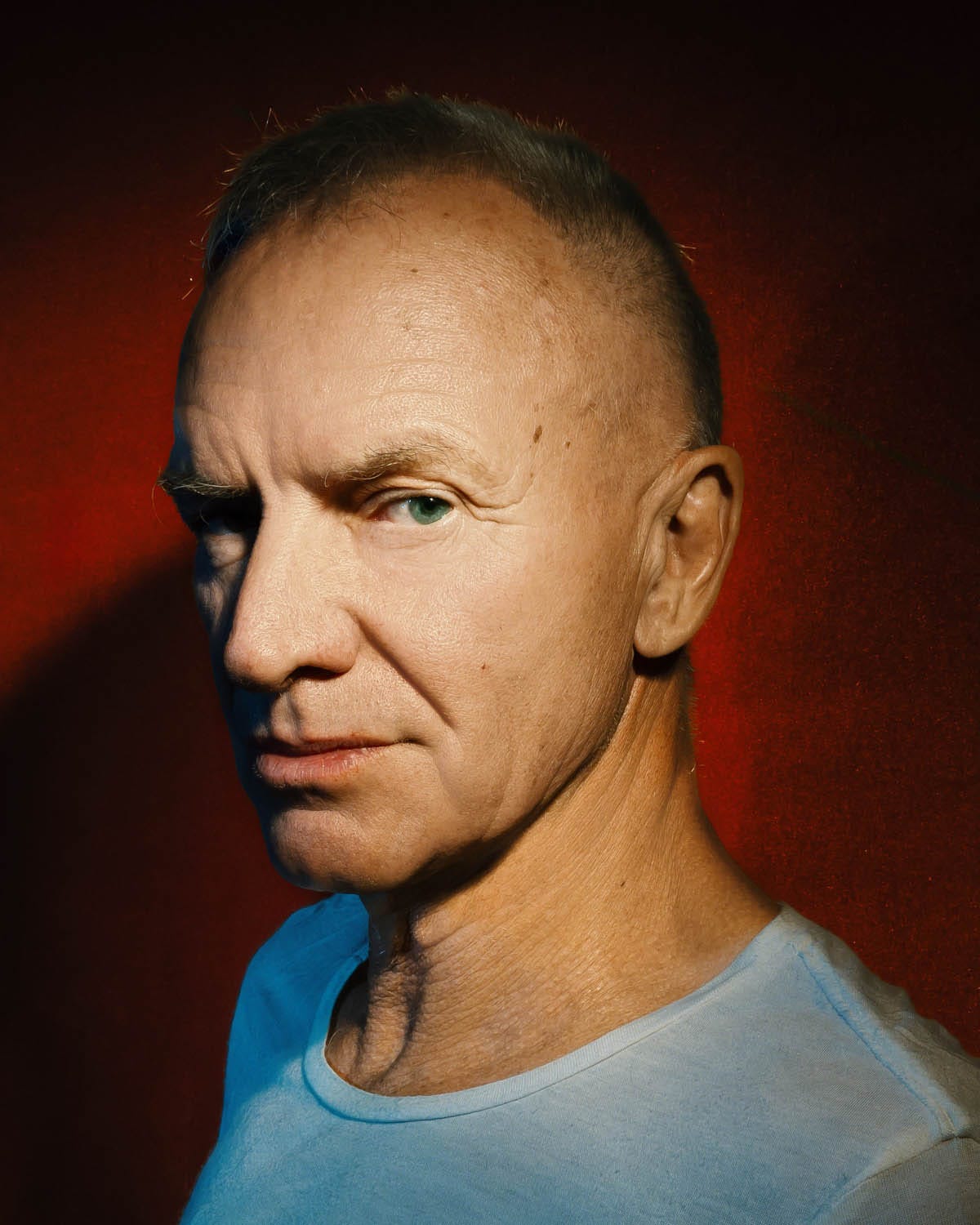
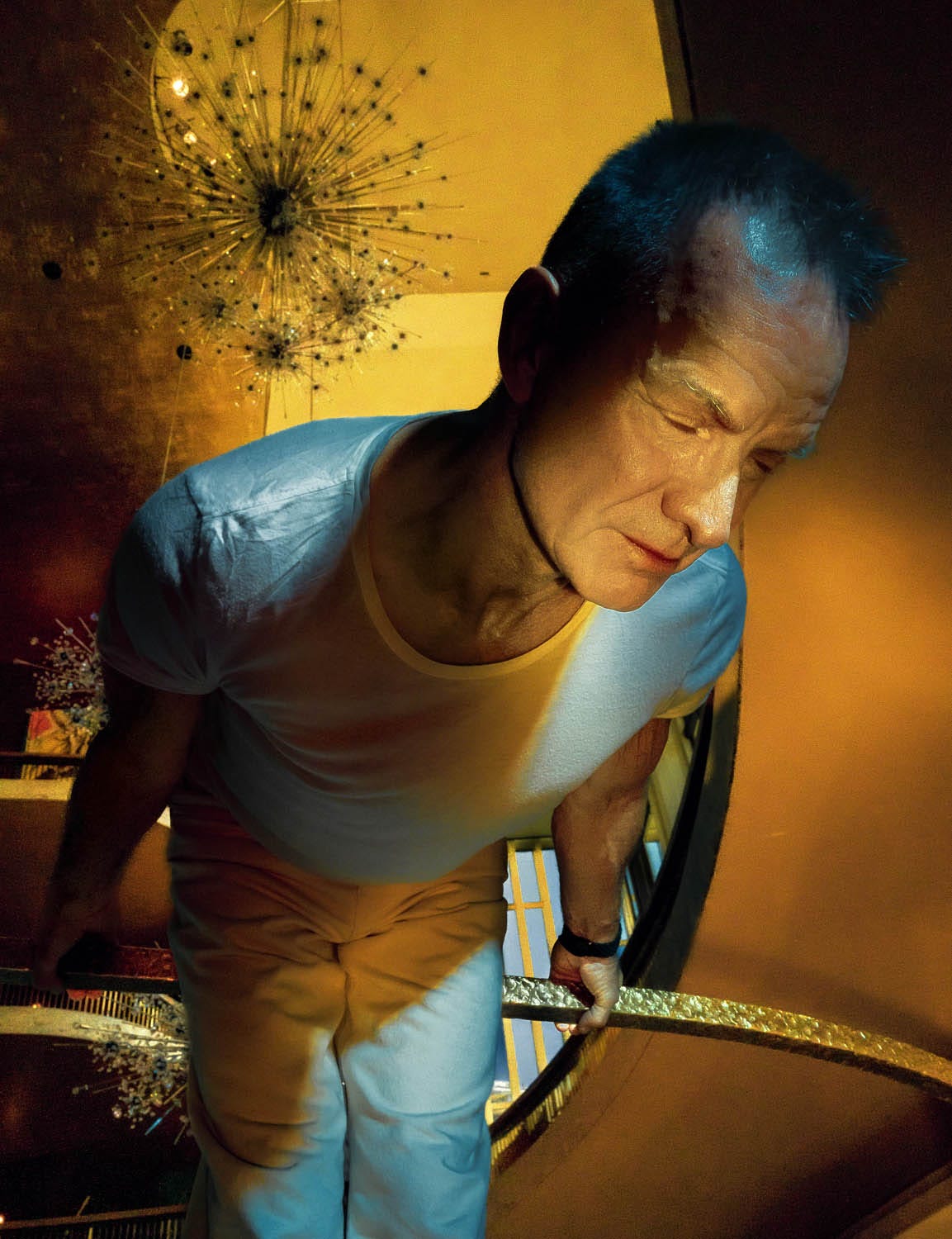
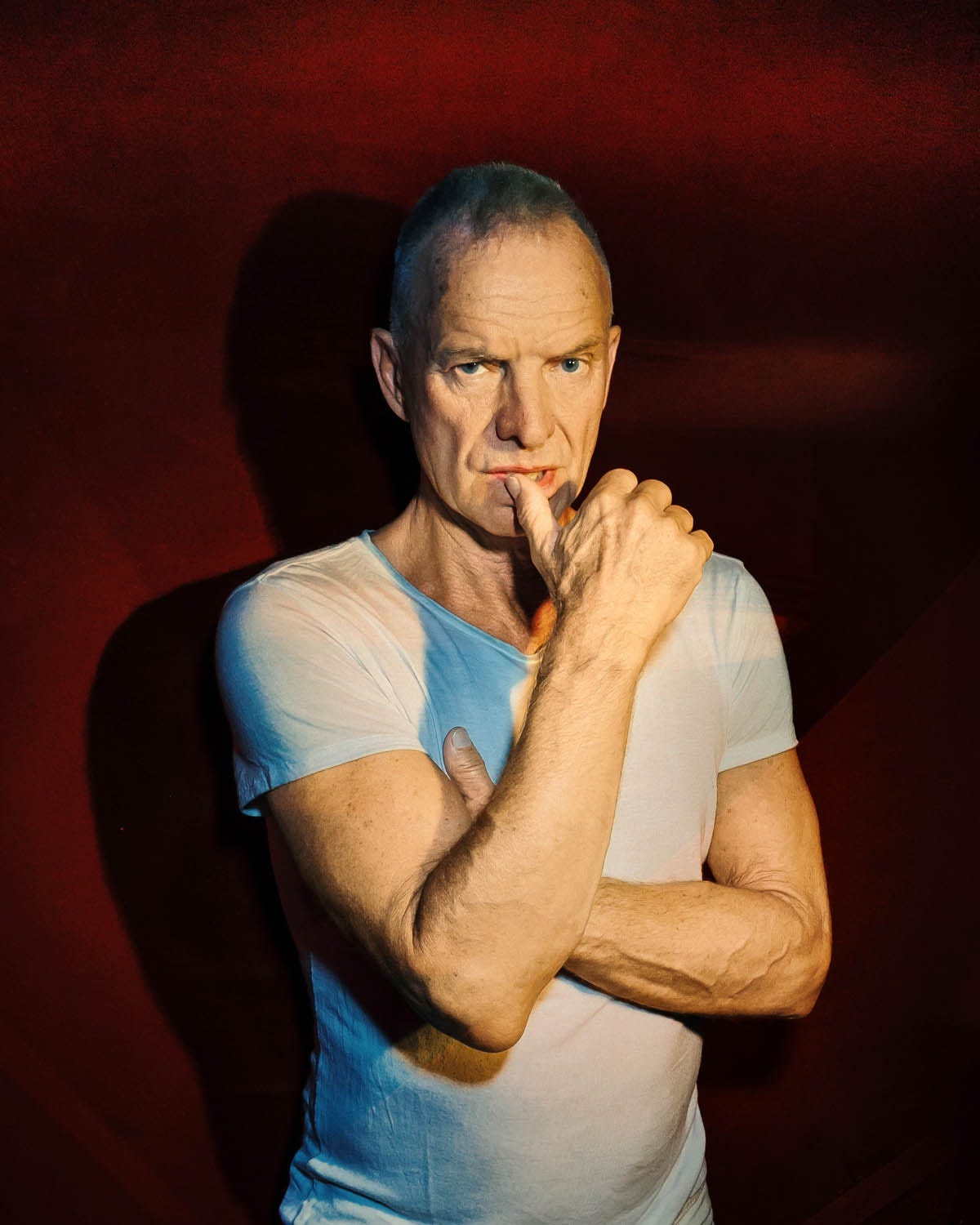
I had twenty minutes with the rockstar, a luxury of time in celebrity terms, which in a way adds its own kind of pressure. Two minutes gives the photographer the leniency to get one serviceable portrait and blame the lack of time for the lack of imagination. With twenty minutes, the photographer has enough agency to fail on their own. I was excited-nervous to work with Sting and brought my magic bag of tricks and an attitude that I would avoid waddling in the safety zone. But for that, I needed Sting to play along.
As per usual, I did my research and looked up as many portraits of the musician as I could find. What I saw alarmed me. Sting has the same stoic expression in every single photo, which made me reconsider the emotional range of possibilities. But to make bold photos, you have to make bold moves. I was prepared to test out if Sting was willing to play, so I told him that I was looking for experimentation and Shakespearean drama. Without skipping a beat, Sting launched into “Now is the winter of my discontent,” the brilliant monologue from Richard III, adorned by cheekiness and gesticulation.
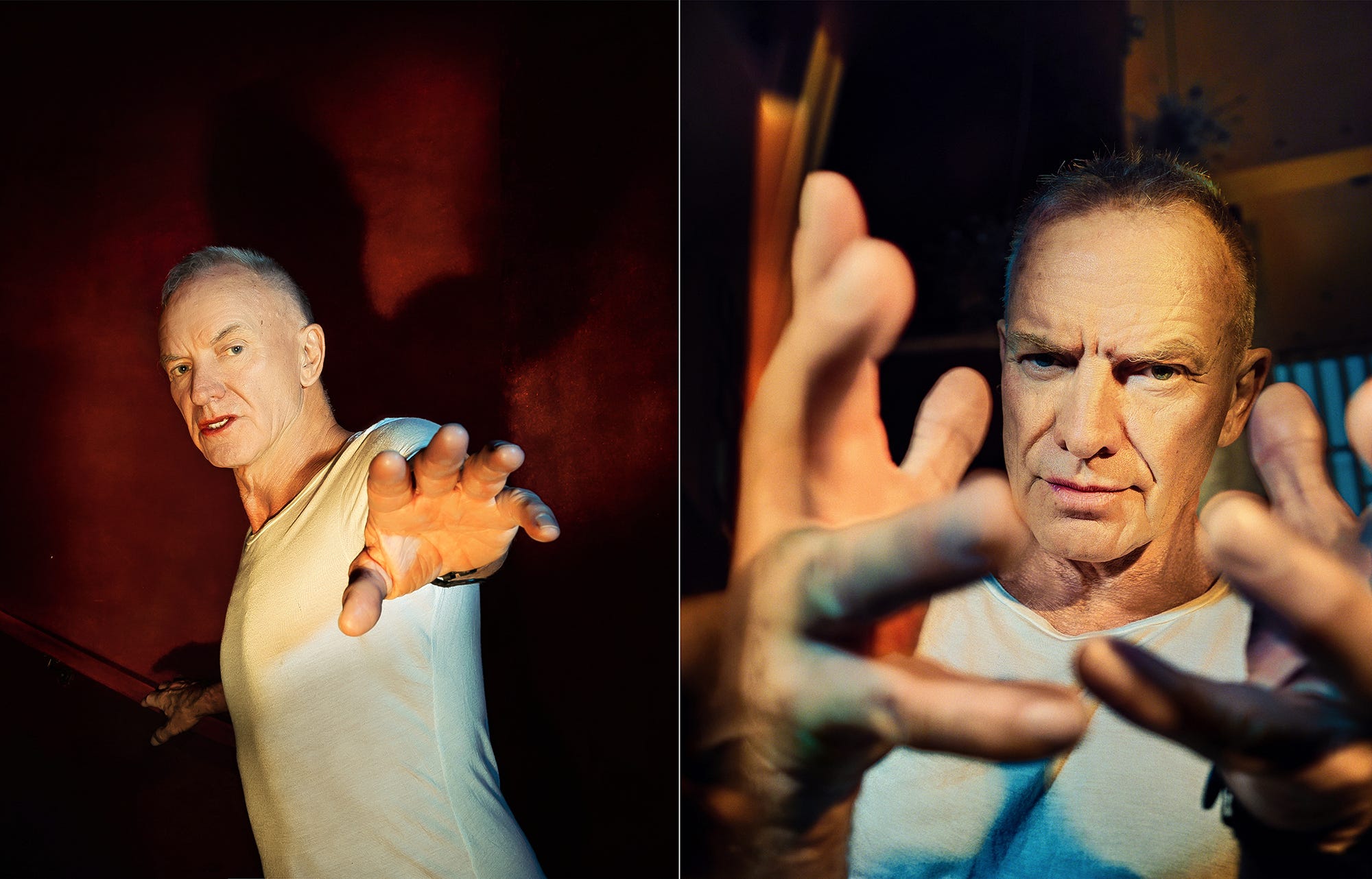
As we were just getting to know one another, Sting commented on my canvas bag with the face of Scott Walker, one of mine, and as it turned out, Sting’s favorite musicians. This musical connection set the tone for the rest of the shoot, and more than any request to channel Shakespeare, it was our shared love of Scott Walker that let Sting understand the strange, emotional register I was after.
Scott Walker is the most famous non-famous musician, or as he is often described, a musician’s musician. Walker’s star-studded fan club includes Thom Yorke (Radiohead), Jarvis Cocker (Pulp), Nick Cave, Brian Eno and, as I found out in person, Sting. Another rockstar who both idolized Walker and tried to emulate him in his own music is David Bowie. Bowie’s more experimental, darker songs like The Motel, Heat, and, arguably, his final, brilliant epitaph of an album, Blackstar, were him channeling Walker.
Scott Walker is virtually unknown among the general public because his later music is unrecognizable in the pop and rock landscape, atonal, evocative, and at times brutal. His career was unique and schizophrenically varied, starting from the sunny pop of the 1960s Walker Brothers, a band whose popularity was briefly compared to the Beatles and which was the most famous moment of his long career. In the late 60s, Walker released four albums in which he explored the chanson legacy of the Belgian musician Jacques Brel and wrote some of his most beautiful songs. After that, Walker went on a musical rampage, derailing his pop career in favor of pushing past the boundaries of music, an act of commercial self-sabotage that Bowie had this to say about:
“He really didn't want to abide by the rules of the genre. He kind of opted out of rock very early on in his career. It just seems he wanted to expand in some very unusual ways. And that was pretty much what I wanted to do. And it was always guys like that that I admired.”
Walker’s 1978 song, The Electrician, was the beginning of this latter “dark” stage (it is a song about a CIA torturer), solidified by two groundbreaking, experimental, and, to many people, unlistenable albums, Tilt (1995) and The Drift (2006), effectively cancelling Walker for any listener who was not, in some form, deranged. Walker redefined the tonal quality of music, using his operatic voice to push it further than anyone who came before him, and inspiring another Bowie quote commenting on musicians’ (and his own) tendency to conform to the public’s taste:
“He’s true to himself, whereas other artists are traitors to themselves.”
This last quote is why I spent the last three paragraphs of a photography newsletter talking about Scott Walker. A decade of working with publications and engaging with social media has narrowed my portraits towards competence. Whenever I look through old assignments, I see a few jagged experiments hidden among all the competent images, but since those photos were never chosen for publication, their number would get less and less over the years.
The lack of reward can shape a photographer’s style in an insidious way, skewing the work towards the accolades of acceptance. The breaking point for me was when I photographed a well-lit and staggeringly boring cover of ESPN, and I have been trying to find my way back since. That was also around the time that I discovered Scott Walker through the documentary 30 Century Man, which let me fall in love with the idea of him even before I fell in love with the music.
Back to Sting.
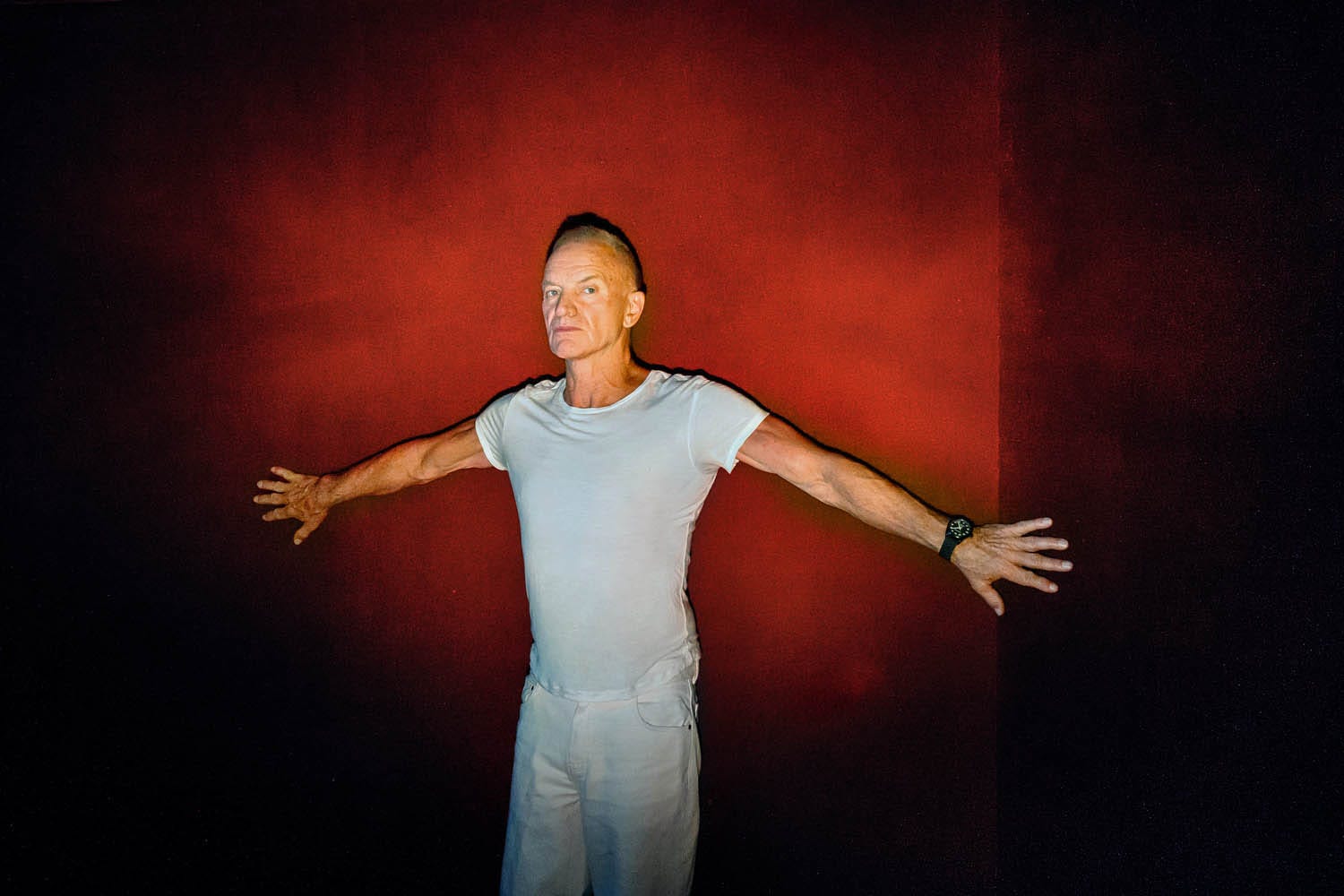
After our brief Scott Walker exchange, Sting seemed to become more engaged and playful, taking initiative instead of waiting for direction, as we both moved through the Met in a seamless dance of call-and-response. My camera and Sting were in sync, which allowed for surprises that are hard to get in an over-directed shoot where the subject only does what the photographer asks of them. In the end, Sting told me he had a good time, which was more than I hoped, since at the start of our shoot, he confessed that he dislikes being photographed.
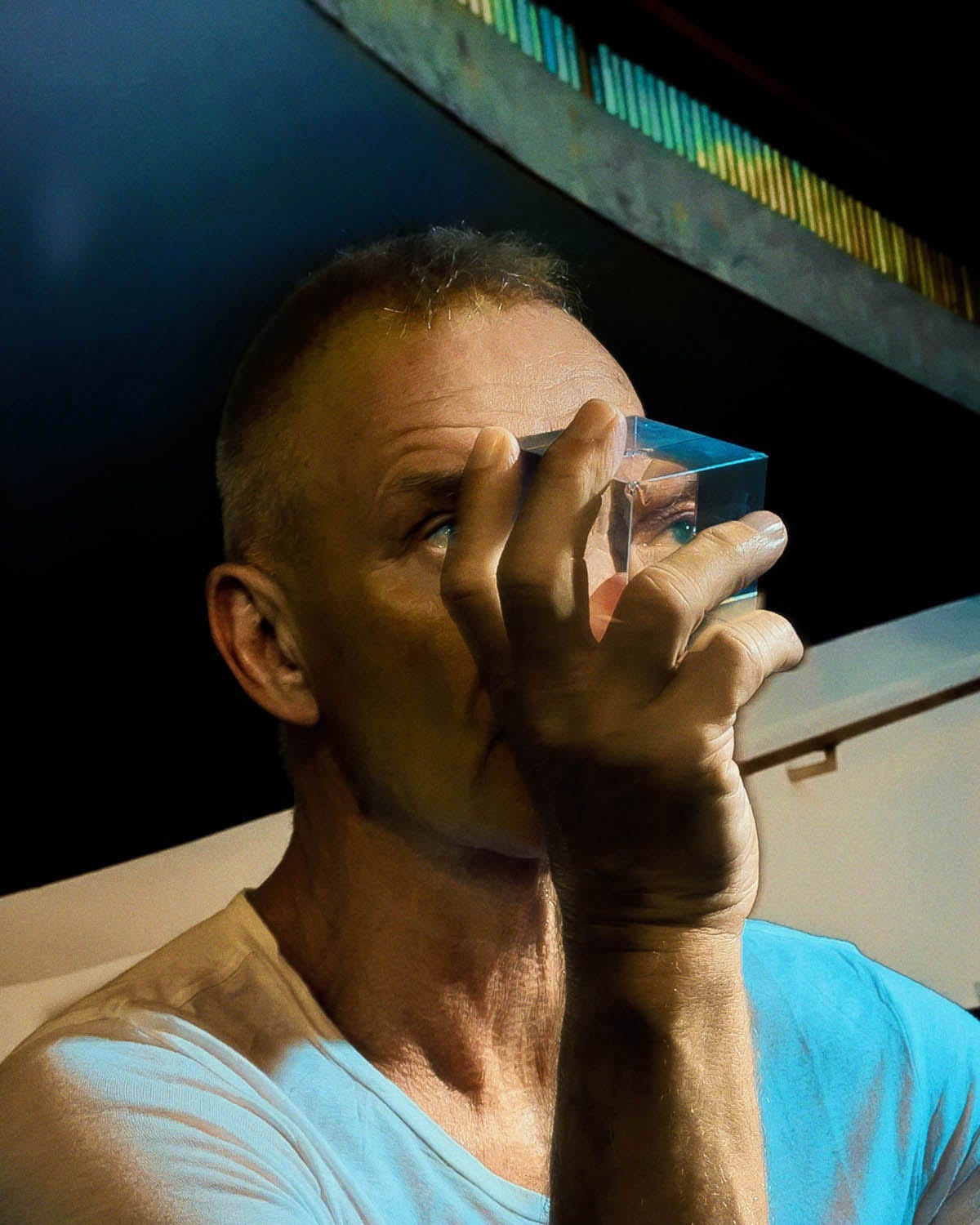
Inspired by the shoot at the Met, I rewatched 30 Century Man, the Scott Walker documentary, and was surprised to see Sting briefly appear in the film among all the other rockstars gushing about the musician. It felt like a full circle, and I edited the portrait shoot thinking about the strange connections and listening to the wonderful music of both Walker and Sting (my favorite song, Fragile, has been on repeat since the shoot).
I loved the portraits that came out because I’ve gotten past the autopilot into something more playful and silly. “Silly" is a term that would give me the heebie-jeebies when all I was aiming for was high-minded, serious work, but it's impossible to experiment if you are always expecting good results. Boring photos stop where the danger zone of sucking begins.
None of those silly portraits were chosen in the final edit, but this time it wasn’t discouraging. The line between creativity and gimmickry is tricky to navigate, especially when testing out new ideas, but I am learning not to be afraid of failing. It's not easy, and I have been mustering the confidence and ambition to be more Scott Walker, and to keep my voice from blending into the general mush of visual trends.
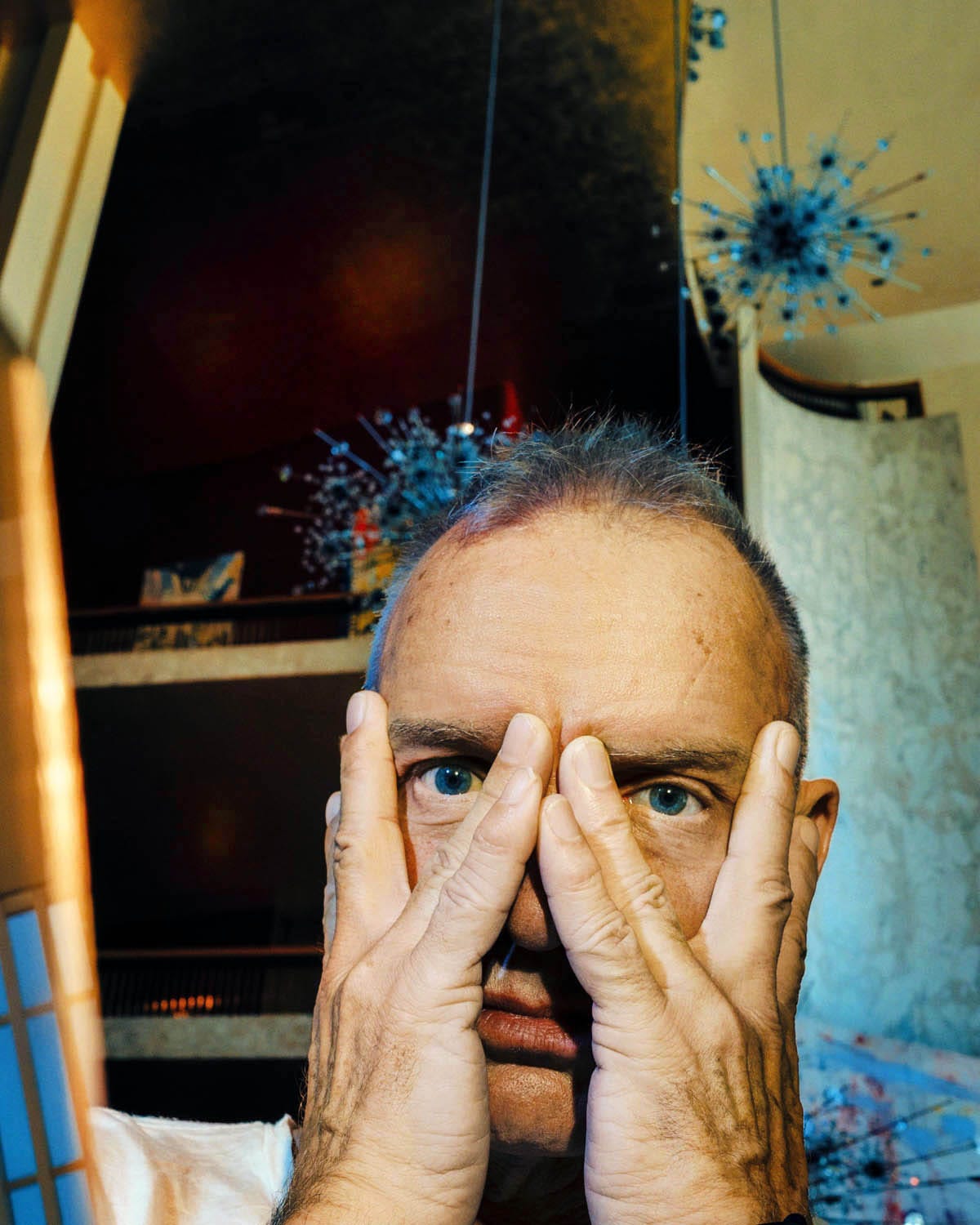
I made a Spotify playlist of my favorite Scott Walker songs, mostly from his earlier, melodic work, but squeezing in a few of the less brutal tracks from The Drift and Tilt, just to give an idea.
Thanks for reading In the Flash! If you liked what you read, please share.
Sting, for New York Magazine, by Devon Ivie.
Find me on Instagram
Comments
Nothing yet. Say the first thing.
Sign in to join the conversation.