Foundry leader Taiwan Semiconductor Manufacturing Company (TSMC) grew 37% year to date and still lost four percentage points of the sub-sector's revenue share, because the other 26 manufacturers grew more than twice as fast.
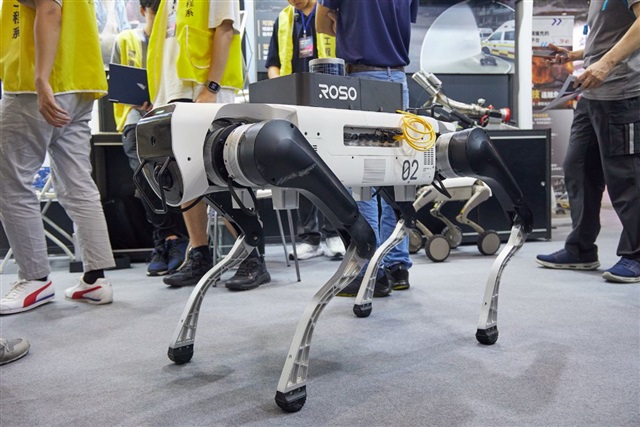
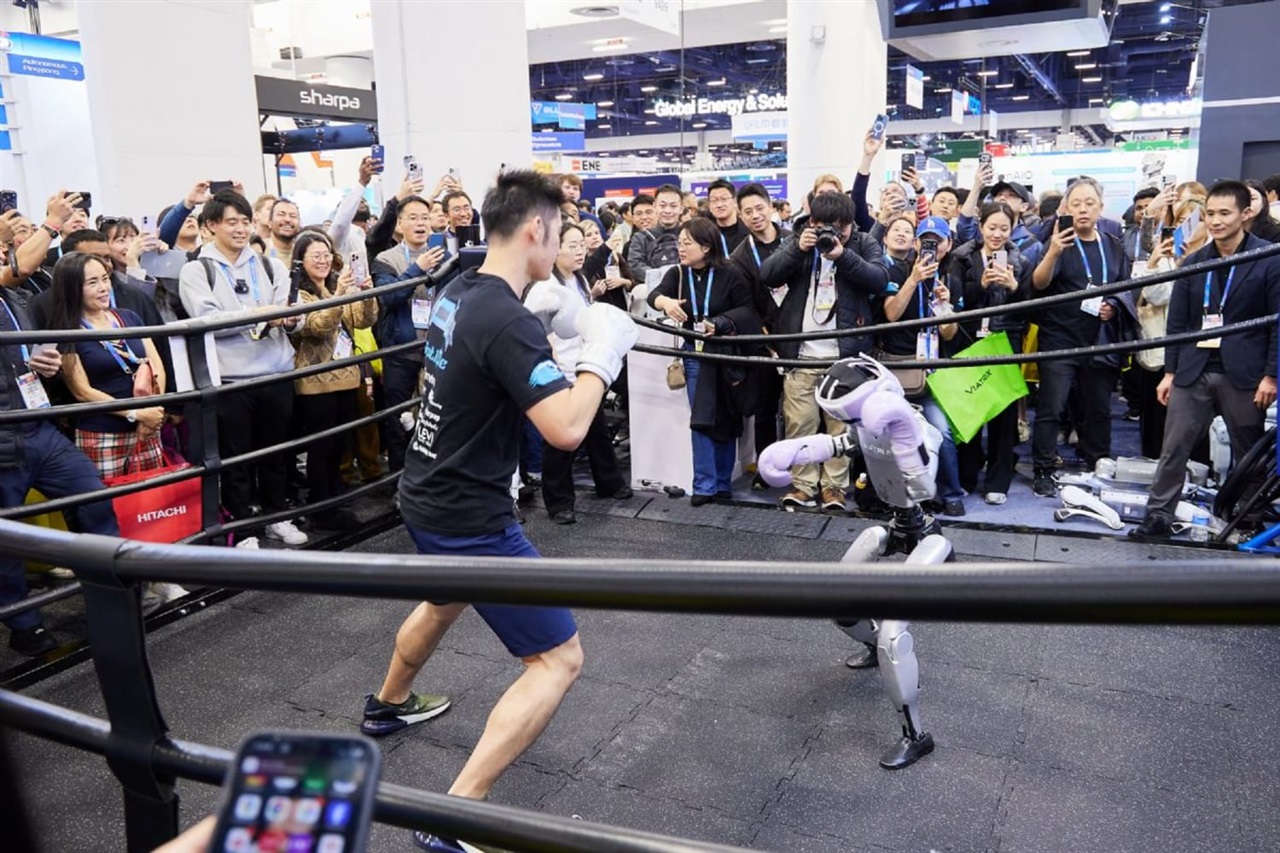
To safeguard national security and the development of the AI supply chain, the US has banned imports of advanced humanoid robots. Against that backdrop, Taiwan-based Swancor unveiled its first "Taiwan AI robot ecosystem" at Automation Taipei 2026, joining with more than 10 Taiwanese industry, technology, and academic partners to showcase applications ranging from smart inspection and public safety…
JCET Group has completed trial production of a 1.5 m-diameter, 17 m-deep through-silicon via (TSV) with an aspect ratio of 11.3:1, extending its advanced packaging capabilities towards denser 2.5D and 3D integration.
Thirty-eight of 43 companies grew year to date at a median rate of 28.7% the highest of any semiconductor sub-sector with test handlers, sockets and probe cards recurring across company filings.
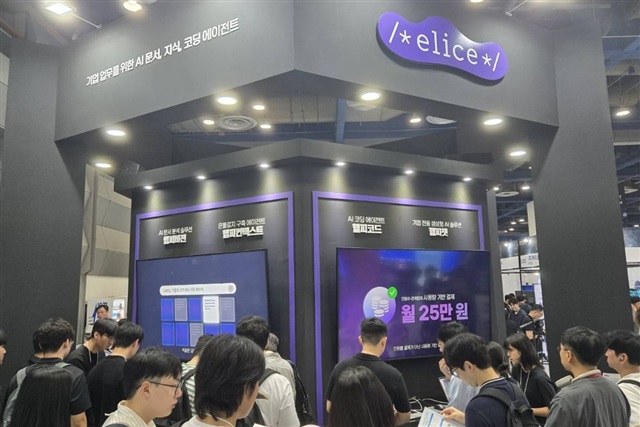
South Korean AI infrastructure provider Elice Group is expanding on two fronts, adding enterprise AI transformation (AX) solutions while building what it says will be the country's first AI data center to use warm-water cooling above 40 C.
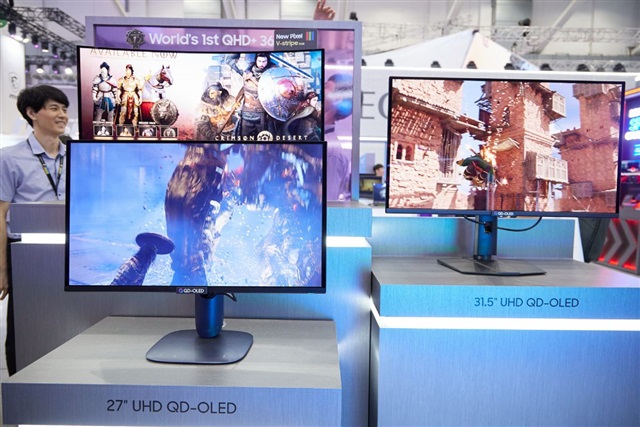
Korean display makers are stepping up patent licensing and cross-border enforcement as Chinese rivals have sharply narrowed the technology and market-share gap in OLED since 2020, just as competition expands into higher-value panels for notebooks and monitors.
Nitto Denko said it will invest JPY28 billion (US$176.68 million) through fiscal 2028 to expand production of thin-film metal base boards for hard disk drives, raising capacity by 40% from fiscal 2025 levels. The move is aimed at meeting demand driven by AI-related data center growth.
National Silicon Industry Group (NSIG) reported a 36.51% rise in first-half 2026 revenue as shipments of 300mm semiconductor silicon wafers increased more than 90%, though continued R D spending, currency movements and inventory impairments widened its net loss.
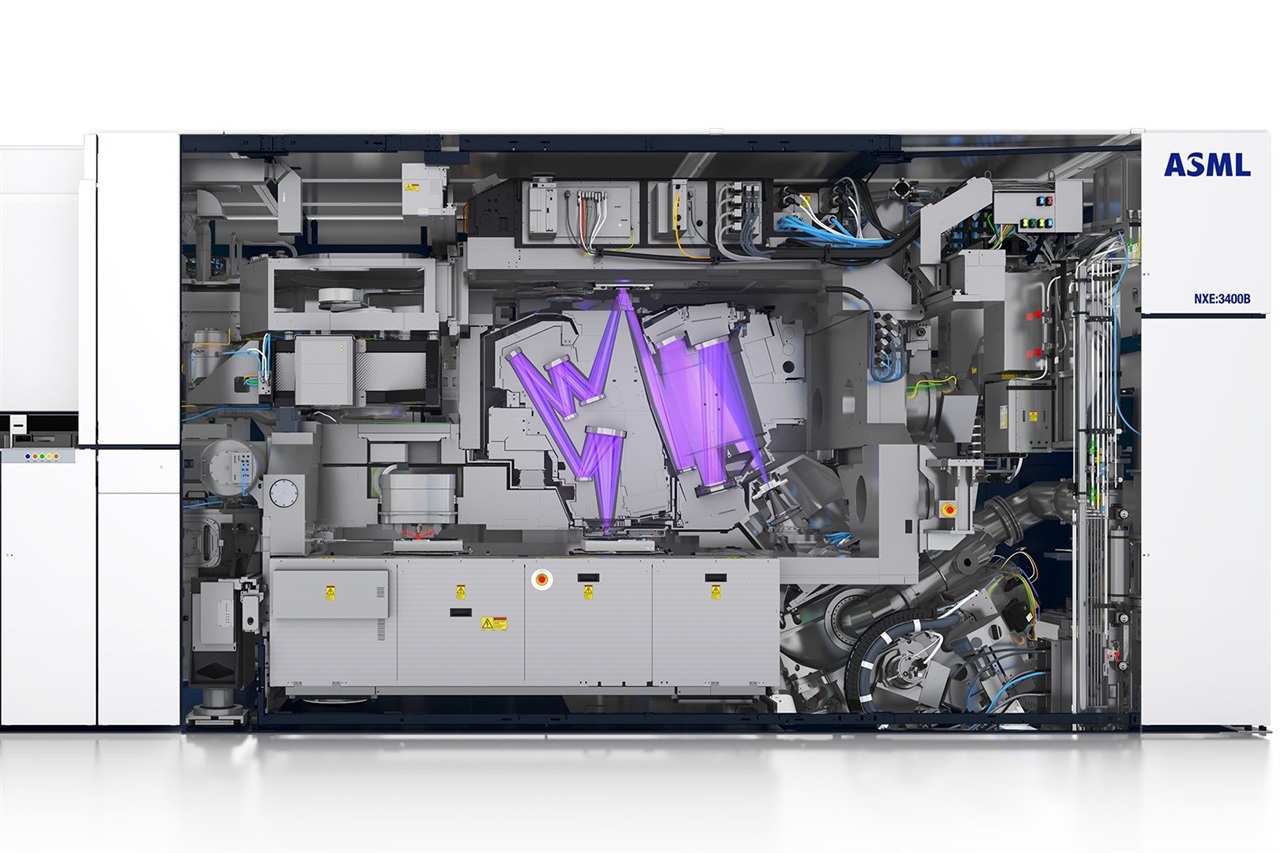
Samsung Electronics does not expect to move High-NA EUV lithography into volume production until its 1nm-class generation, a timeline that points to around 2030, after it had earlier hoped to introduce the technology at the 2nm and 1.4nm nodes.
China shipped more than 40,000 humanoid robots in the first half of 2026, lifting its share of global shipments to 97%, according to a development report released on August 20 at the 2026 World Robot Conference in Beijing. The figure marked the highest share ever recorded in the report's historical data and underscored China's growing role in the global humanoid robot supply chain.