
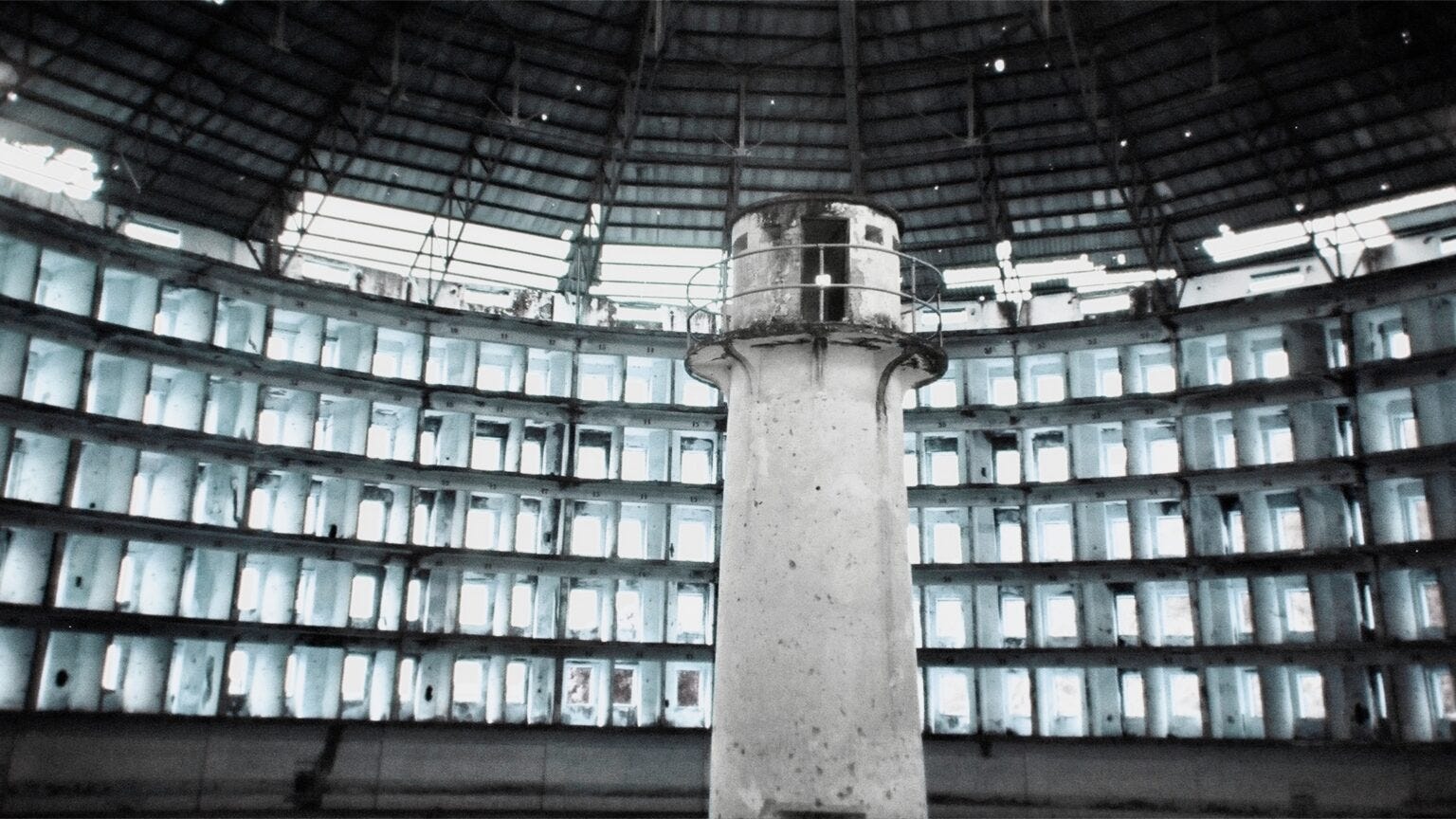
We need to have a national conversation about the state and digital systems. The digital age has brought great good and efficiencies, but we also sleepwalked ourselves into a surveillance society where our every action is recorded and tracked.
There are lots of urgent questions about the operations of the state in the digital age.
Some are very practical about the day-to-day work of government:
How do the parliament and government make decisions about digital systems? Do our legal and parliamentary processes need reform?
How do we fund our state digital infrastructure and oversee that spending?
How are technical decisions taken? Are we sure there is the correct oversight?
Why do big digital projects often fail? And how do we make them better?
How do we provide services to those who can’t use digital channels: the old, the vulnerable, the damaged, the chaotic? How do we put people at the heart of the modern digital state?
How do we join services up? How do we co-ordinate them?
Some touch on the state’s role as rule-maker for the country:
How do we address the epidemic of online fraud? How do we stop the industrial production of Child Sexual Abuse Material. How can we free the digital world from online harassment - particularly of women?
What does Trading Standards mean in the digital world?
Where are crimes committed in the digital world? How do we get justice served? What are the implications for our relationships with other countries and international institutions?
How do we ensure that digital markets are free markets - free of market abuse, manipulation, lies and deceit? How do we tackle monopolies and monosonies?
What private companies and services have become utilities that ought to be appropriately regulated like their analogue counterparts?
Are there investment models other than the Silicon Valley one? Is Silicon Valley over? Should our digital economy remain California-orientated?
What limits are there on acceptable business models for new digital businesses?
The roiling of recent problems have made some critical:
How do we protect the citizen from the new digital powers of the state?
How do we make the state coup proof from internal enemies of democracy?
Where should our data be stored?
Is American and Chinese tech an existential threat? What we do if the Americans turned-off the government email system like they did the International Criminal Courts?
Does the cross-border nature of digital technology require an international institutional response? And if so what institutions?
Is ownership important in the modern world?
How powerful are big tech companies anyway? Should governments be afraid of them?
How do we build an appropriate defence posture in a world of hybrid warfare?
How do we protect society and politics from bad actors, state operations, dirty money and corruption?
And the different impulses call for trade-offs that can only be political:
To what extent is joined-up government a threat to liberty?
What is just enough digital?
What is freedom in the digital age? And how has it changed from our analogue notions?
What do we mean by social trust? Is it possible in the digital age? And if it is, how do we build it?
What are the trade-offs between encryption and security?
The internet makes foreign affairs of domestic and devolved affairs. What happens there, happens here, the international dimension cannot be escaped.
What institutions above the UK are required to regulate the digital world and bring it inline with democratic norms?
How do we need to internationalise our legal and criminal justice systems so that crimes committed here with victims there, and vice-versa, can be appropriately dealt with?
What do we need so that devolved jurisdictions can meaningfully sanction global corporations?
I am working with colleagues from Wales, England, Canada and all over Scotland to try and make these conversations happen in the run up to May. Stay tuned for further announcements…
No posts
Comments
Nothing yet. Say the first thing.
Sign in to join the conversation.