
On July 4, 1776, representatives of the United States adopted the Declaration of Independence. But the Revolution was not one document, one moment, or one perspective. It was hundreds of thousands of people making choices, keeping records, arguing in print, swearing oaths, negotiating alliances, and trying to survive a war whose outcome was far from certain.
Many of them left paper behind.
The Newberry holds an extraordinary range of those papers. This summer, as the United States approaches its 250th anniversary, we’re inviting the public to help make ten of them newly accessible by reading and transcribing them, word by word, through Newberry Transcribe.
Newberry Transcribe is the library’s crowdsourced transcription platform, where volunteers help turn handwritten historical documents into searchable, readable text. No experience is necessary – just curiosity, patience, and a willingness to spend a little time with eighteenth-century handwriting.
The new manuscripts are drawn from The United States at 250: The Declaration and Beyond, the Newberry’s digital gallery companion to the current exhibition Free and Independent: The Declaration of Independence and the Words That Made the United States.
“The rights of the people to choose, understand, and participate in the government that represents them were central principles in the founding of the United States,” said Will Hansen, Roger and Julie Baskes Vice President for Collections and Library Services. “Reading and transcribing these documents today helps us reconnect with and enact those principles, and share the American Revolution’s complex and fascinating history with thousands of others around the world.”
These are not the famous documents. They are the documents that complicate, deepen, and fill in the picture around them. Among the manuscripts now open for transcription:
A 1778 oath of allegiance sworn by forty-one Mi’kmaq representatives to King George III
Minutes from a 1777 treaty negotiation at Easton, Pennsylvania, recorded in part by Thomas Paine — which produced no treaty
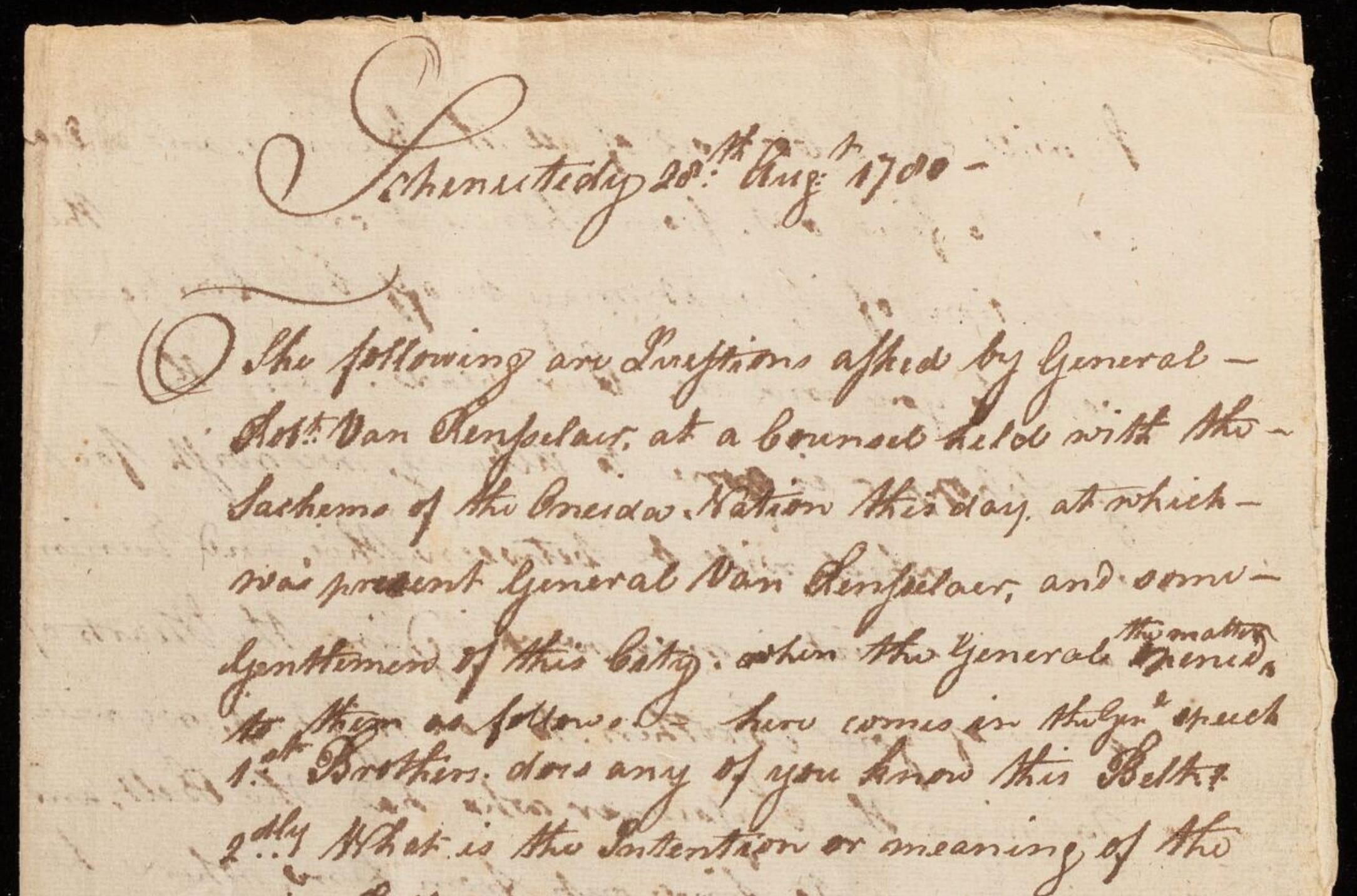
A 1780 record of Oneida sachems responding to questions about a British wampum belt and reaffirming their American alliance
A January 1775 Boston jail list, including a sailor questioned about the Sons of Liberty and the Boston Tea Party
A mysterious 1779 invoice for transporting an unnamed young mixed-race woman across Connecticut, assisted by two free Black men
Two unpublished debate essays on immigration policy: one arguing for open borders, the other for mandatory naturalization
John Jay’s heavily revised manuscript draft of Federalist No. 3
Verses written by a Rhode Island schoolmaster for his student in 1763, thirteen years before he served in the Revolution
A veteran’s petition for relief, written in old age and illness, after his wartime pay had become worthless
Each of these documents is waiting to be read. Transcribing them is a small but meaningful way to take part in the work the Newberry has always done: making the past available to anyone who wants to encounter it.
This Fourth of July, we hope you’ll sit with one of these pieces of history and help bring it into view.
Transcribe US250 manuscripts →
These manuscripts are part of the digital gallery The United States at 250: The Declaration and Beyond, which places them alongside maps, engravings, pamphlets, books, and other materials from the Newberry’s collections. Curated by Will Hansen, the gallery offers context for exploring the Revolution beyond the Declaration itself — including the printed, handwritten, and visual record that shaped how independence was argued, experienced, and remembered.
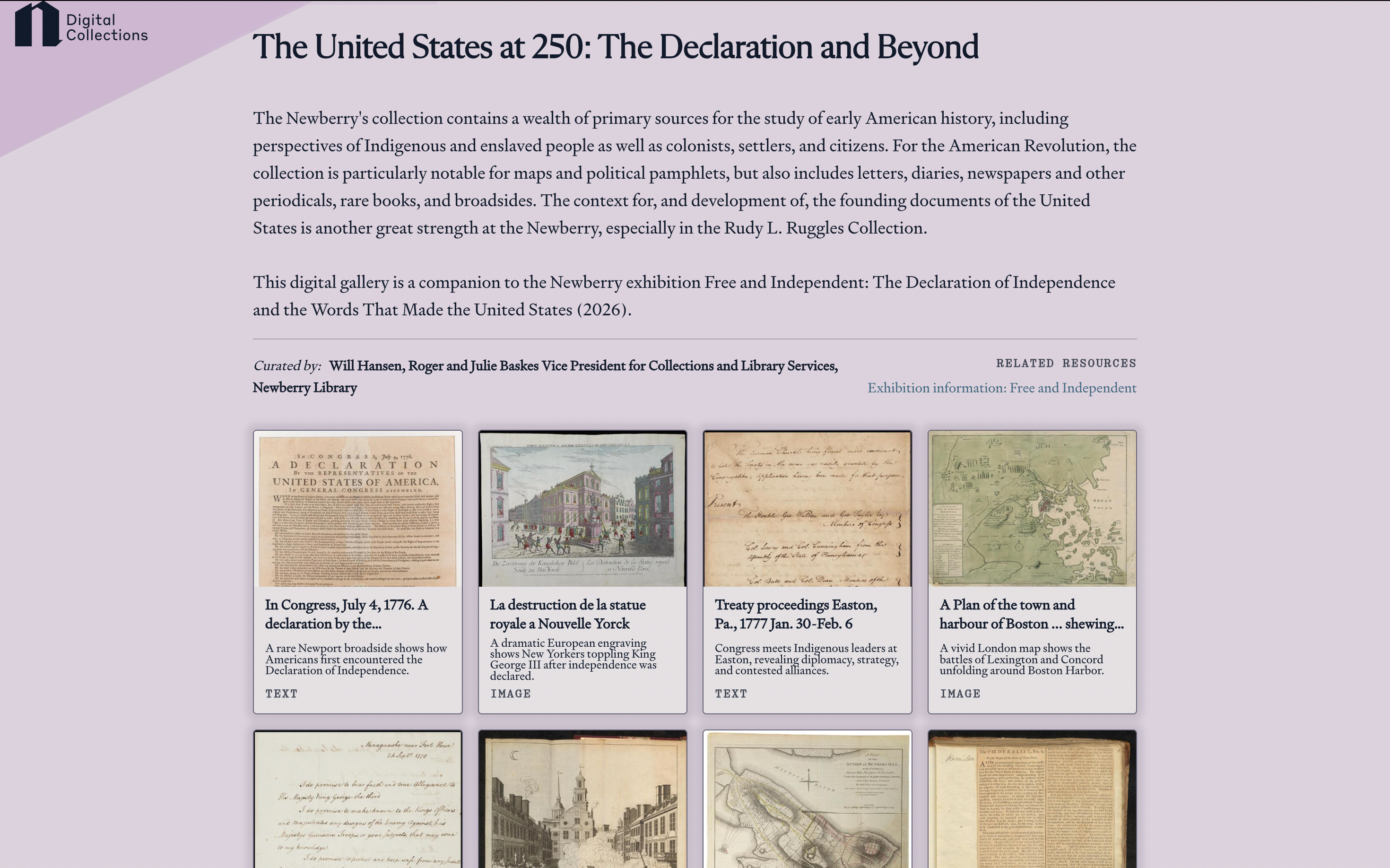
The companion exhibition, Free and Independent: The Declaration of Independence and the Words That Made the United States, is on view at the Newberry through July 18.
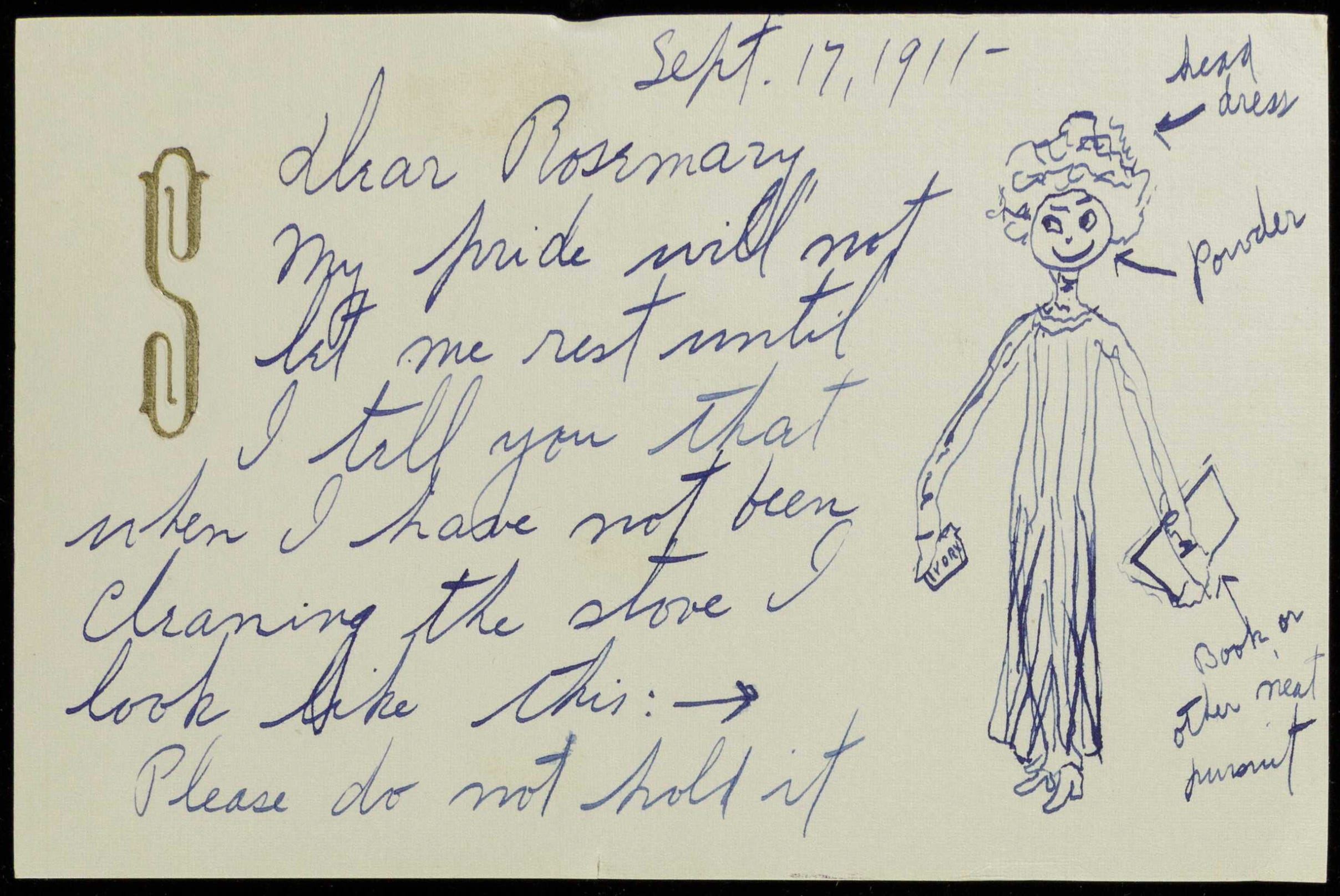
We’ve added more than 2,200 pages to Newberry Transcribe, including the Revolutionary-era manuscripts featured above.
This latest batch includes travel, territorial history, and 700 pages of courtship letters from Stanley and Muriel Harris — proof that some people really did have a lot to say before texting.
Newly added highlights:
Whether you have five minutes or an afternoon, every page you complete helps make the Newberry’s collections easier to find, search, teach with, and share.
And after all that handwriting, you may be ready for a postcard.
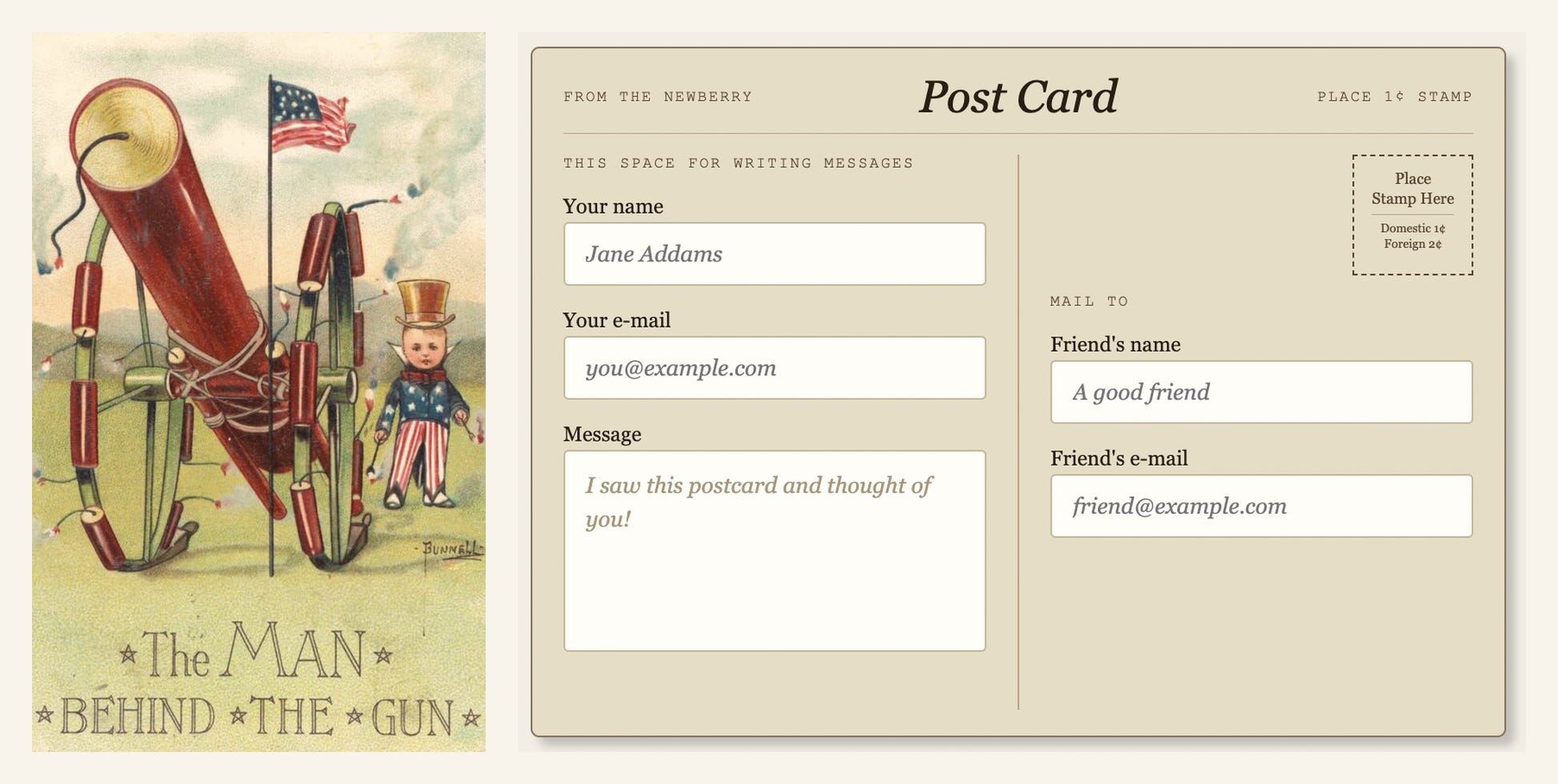
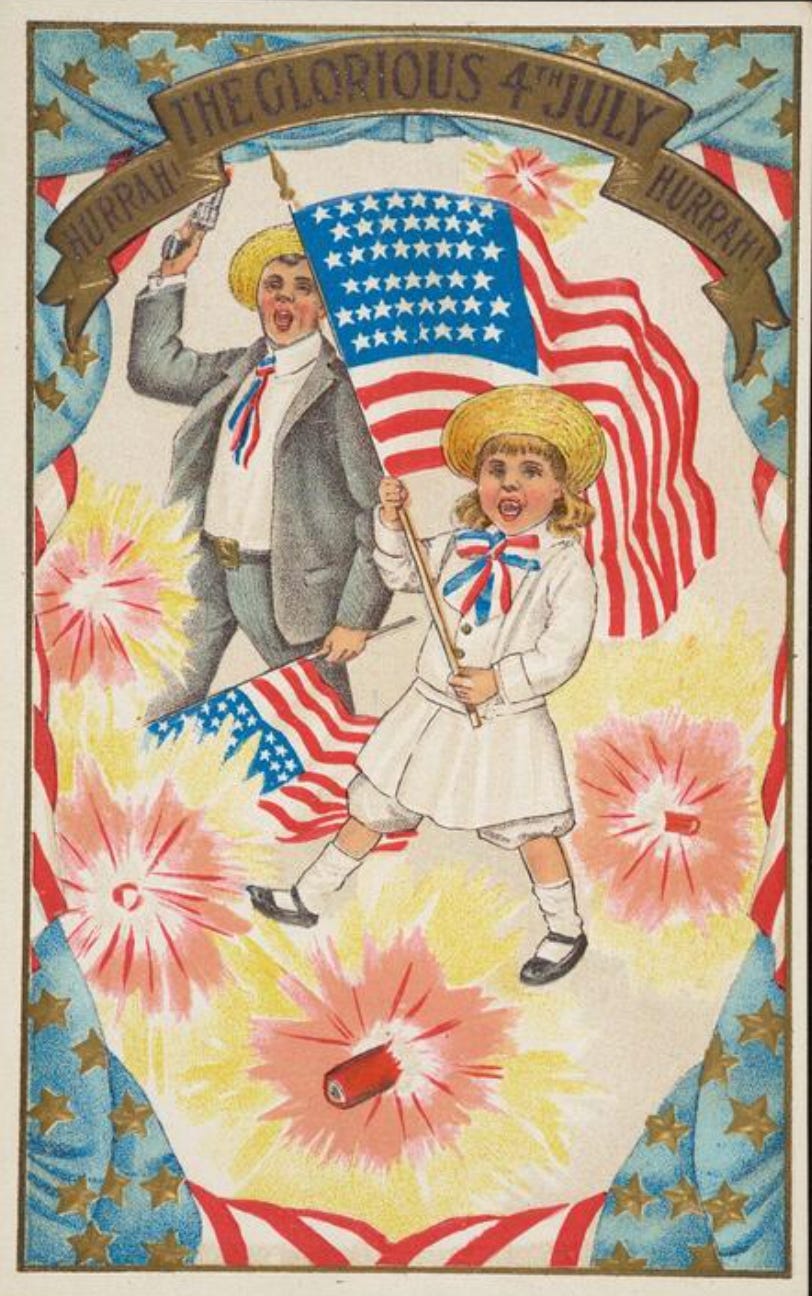
Fireworks, flags, patriotic scarves: the redesigned Newberry Postcard Sender is ready for the Fourth.
Pick a vintage postcard from our collections, write a note on the back, and send it to a friend.
Not feeling the Fourth? Then explore the other postcard sets and invite someone for coffee, a bike ride, or whatever else summer requires.
No posts
Comments
Nothing yet. Say the first thing.
Sign in to join the conversation.