

Does Louisiana require sellers to disclose deaths, murders, or suicides in a home? Learn about Louisiana stigmatized property laws, buyer due diligence, and how to research a property’s history before you buy.
Buying a home is one of the biggest financial decisions most people will ever make. While many buyers focus on inspections, financing, and neighborhood quality, others want to know something that may never appear on a standard seller disclosure form:
Did someone die in this house?
Whether the death was from natural causes, suicide, homicide, or another tragic event, a property’s history can influence a buyer’s decision. For some, it’s simply a matter of curiosity. For others, it’s an important part of evaluating a home’s resale value, rental appeal, or personal comfort.
Unlike some states that have statutes specifically addressing stigmatized properties, Louisiana does not have a law that expressly requires sellers to disclose that a death occurred on residential property simply because a death occurred there.
Instead, Louisiana’s disclosure requirements primarily focus on the physical condition of the property.
A stigmatized property is a home that may be viewed negatively because of events associated with it rather than because of any physical defect.
Examples include:
A homicide or murder
A suicide
A natural death
A widely publicized crime
Alleged paranormal or haunted house claims
Notorious former occupants
Although these events may affect how some buyers perceive a property, they generally do not impact the home’s structural condition.
Louisiana law requires sellers to disclose known material defects that could affect the value, safety, or use of the property. These disclosures are generally aimed at physical issues such as:
Foundation problems
Roof leaks
Flood damage
Plumbing defects
Electrical hazards
Termite damage
Structural concerns
Louisiana law does not specifically identify a previous death in a home as a required disclosure by itself.
However, if a death resulted from a hazardous condition that still exists—for example, carbon monoxide exposure caused by a defective heating system—that underlying defect may require disclosure.
Louisiana does not have a statute specifically requiring sellers to volunteer that a home was the site of a murder or other violent crime.
Nevertheless, buyers are free to ask questions during the purchase process. If the property’s history is important to you, ask before closing and perform independent research.
Similarly, Louisiana law does not specifically require disclosure that a previous occupant died by suicide simply because the event occurred on the property.
For some buyers this information is significant, while for others it is not. Because preferences vary, conducting your own research can help you make an informed decision.
Louisiana is famous for its rich folklore, ghost stories, and historic buildings—especially in New Orleans.
Despite that reputation, Louisiana does not have a law requiring sellers to disclose that a property is allegedly haunted or has a paranormal reputation.
Claims of hauntings are generally considered subjective and are not treated like physical defects that can be inspected or measured.
Since prior deaths and other stigmatizing events may not appear in standard disclosure forms, buyers who care about a property’s history should perform additional due diligence before purchasing.
Helpful research sources include:
Local news archives
Public records
Court records
Historical societies
Online newspaper databases
Conversations with neighbors
Property history services such as DiedInHouse.com
Learning more about a property’s past can help buyers avoid surprises after closing.
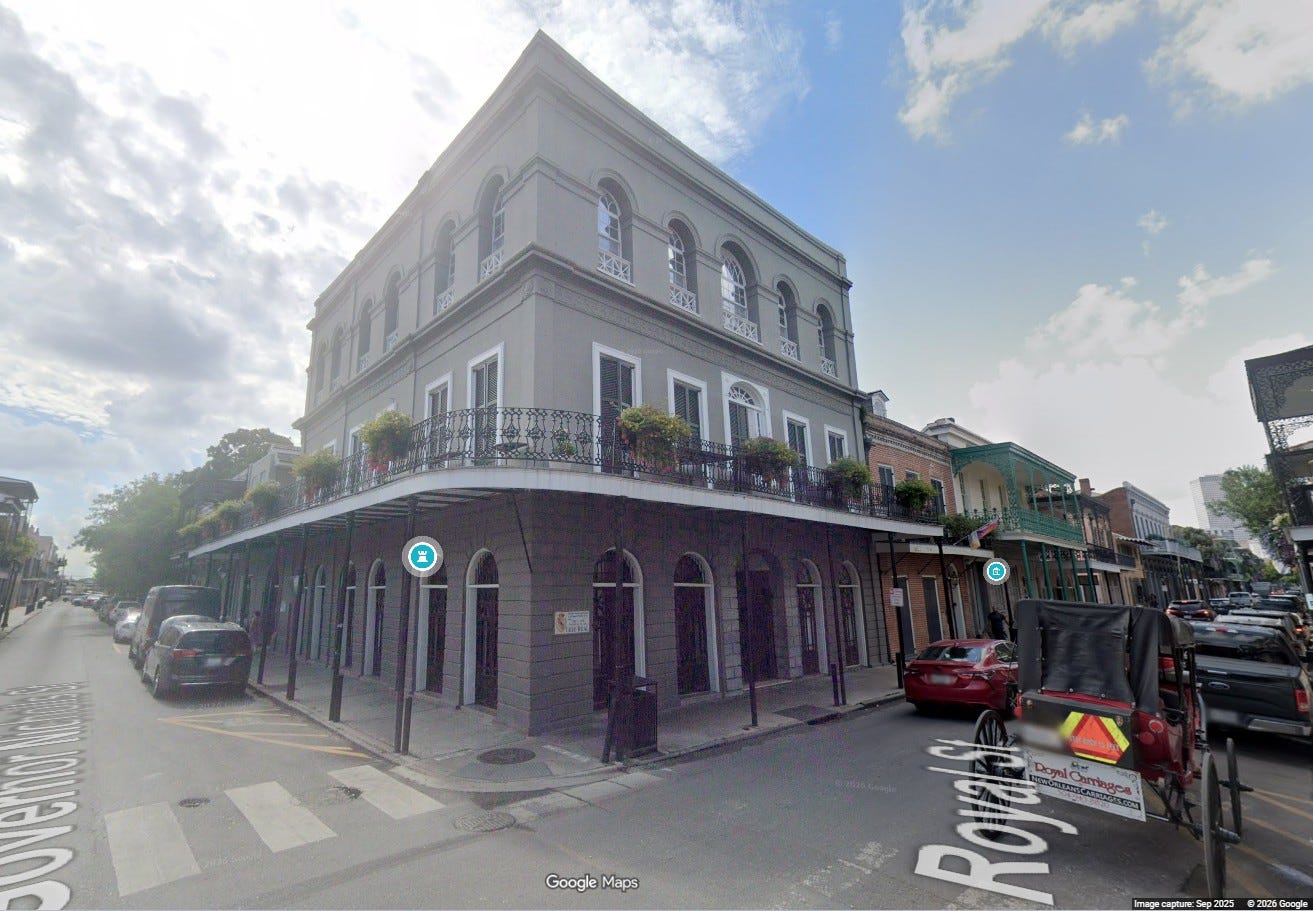
1140 Royal Street
New Orleans, LA 70116
Type: Private residence / historic landmark
One of America’s most infamous historic homes, the LaLaurie Mansion is associated with Madame Delphine LaLaurie and the abuse and deaths of enslaved people discovered there in 1834. The building has become one of New Orleans’ most well-known haunted landmarks. It is a private residence and should be viewed respectfully from public areas only.
716 Dauphine Street
New Orleans, LA 70116
Type: Private historic residence
Local legend tells of a gruesome mass killing that allegedly occurred at the property in the 1800s. While many elements of the story are disputed by historians, the home remains one of the French Quarter’s most famous haunted locations.
214 Royal Street
New Orleans, LA 70130
Type: Historic hotel
The Hotel Monteleone has welcomed guests since the late 1800s and is frequently featured in books and television programs about allegedly haunted hotels in America.
Every buyer values different information.
Some buyers are primarily concerned with:
Future resale value
Rental demand
Public notoriety
Neighborhood reputation
Emotional comfort
Investment risk
Others simply want to know everything they can about a property’s past before making a long-term commitment.
While Louisiana law focuses primarily on physical property defects, researching a home’s history can provide additional peace of mind.
Standard seller disclosures may not reveal everything a buyer wants to know.
DiedInHouse.com helps buyers, renters, investors, and real estate professionals research available historical information connected to an address, including:
Reported deaths
Historical incidents
Fire history
Property records
Neighborhood information
Other publicly available historical data
Performing additional research before closing can help you make a more informed decision.
Louisiana does not have a statute specifically requiring disclosure solely because a death occurred on the property. Disclosure obligations generally focus on material physical defects.
Louisiana law does not specifically require sellers to volunteer that a property was the site of a murder. Buyers who consider this important should ask questions and conduct independent research.
No. Louisiana has no specific law requiring disclosure of alleged paranormal activity or haunted-house claims.
Yes. Buyers are free to ask questions during negotiations, although the legal obligations surrounding responses depend on the circumstances and applicable law.
Buyers often use news archives, public records, local historical research, and property history services such as DiedInHouse.com.
Louisiana’s seller disclosure laws are primarily designed to protect buyers from hidden physical defects—not necessarily from a property’s history. While previous deaths, murders, suicides, or alleged hauntings may matter to many buyers, they are generally not addressed by a specific Louisiana stigma-disclosure statute.
If a property’s past is important to you, the best approach is to conduct thorough due diligence before purchasing. Researching an address can provide valuable context, helping you make an informed decision before you sign the closing documents.
Legal Disclaimer: This article is provided for informational and educational purposes only and should not be considered legal advice. Real estate laws may change and can vary depending on the facts of a transaction. Buyers, sellers, landlords, tenants, and real estate professionals should consult a qualified Louisiana attorney or licensed real estate professional regarding specific legal questions.
No posts
Comments
Nothing yet. Say the first thing.
Sign in to join the conversation.