
“Tell them that I have been painting Temples all my life without knowing it”
Apparently this is what Rothko declared when visiting the temples in Paestum, Southern Italy. Looking at his exhibition at Palazzo Strozzi he must have known on a subconscious level. But I think it takes real courage to do something without really knowing what you’re doing. Especially when it’s not something directly useful or appreciated. It’s my favorite thing to see people follow those weird impulses and obsessions, creating their own very specific purpose.
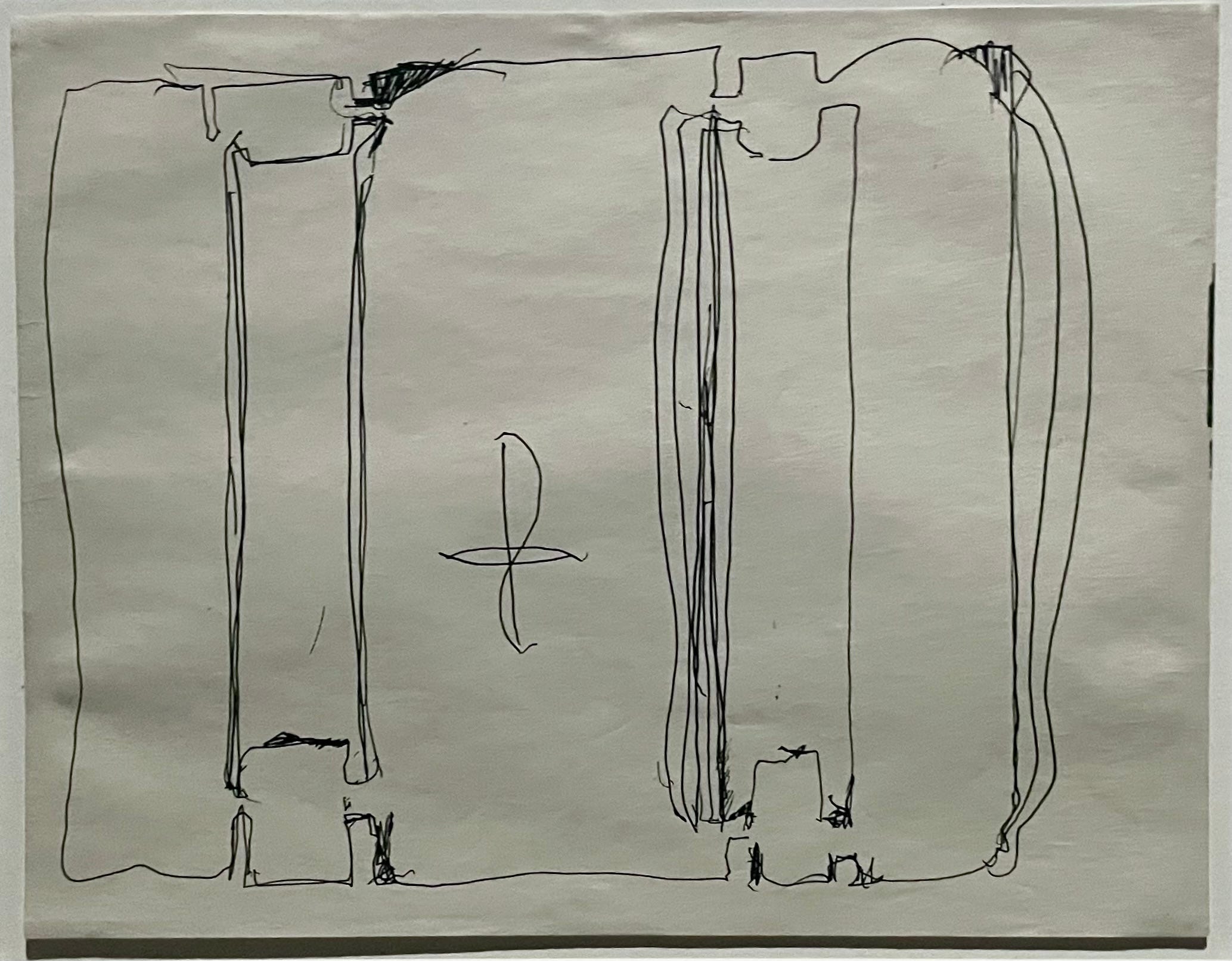
On my way to Rothko, I needed a place to breastfeed and because I didn’t want to do this on the steps of a church or on a touristy terrace, I hopped into Michelangelo’s library. In my imagination I asked him for permission and he said something like “yes of course books and babies are a sublime combination”. Another man who built a temple, this one for books and their readers. You weren’t allowed to stay for more than 20 minutes, but there were chairs kept empty for victims of femicide and it was a quiet corner between the busy street.
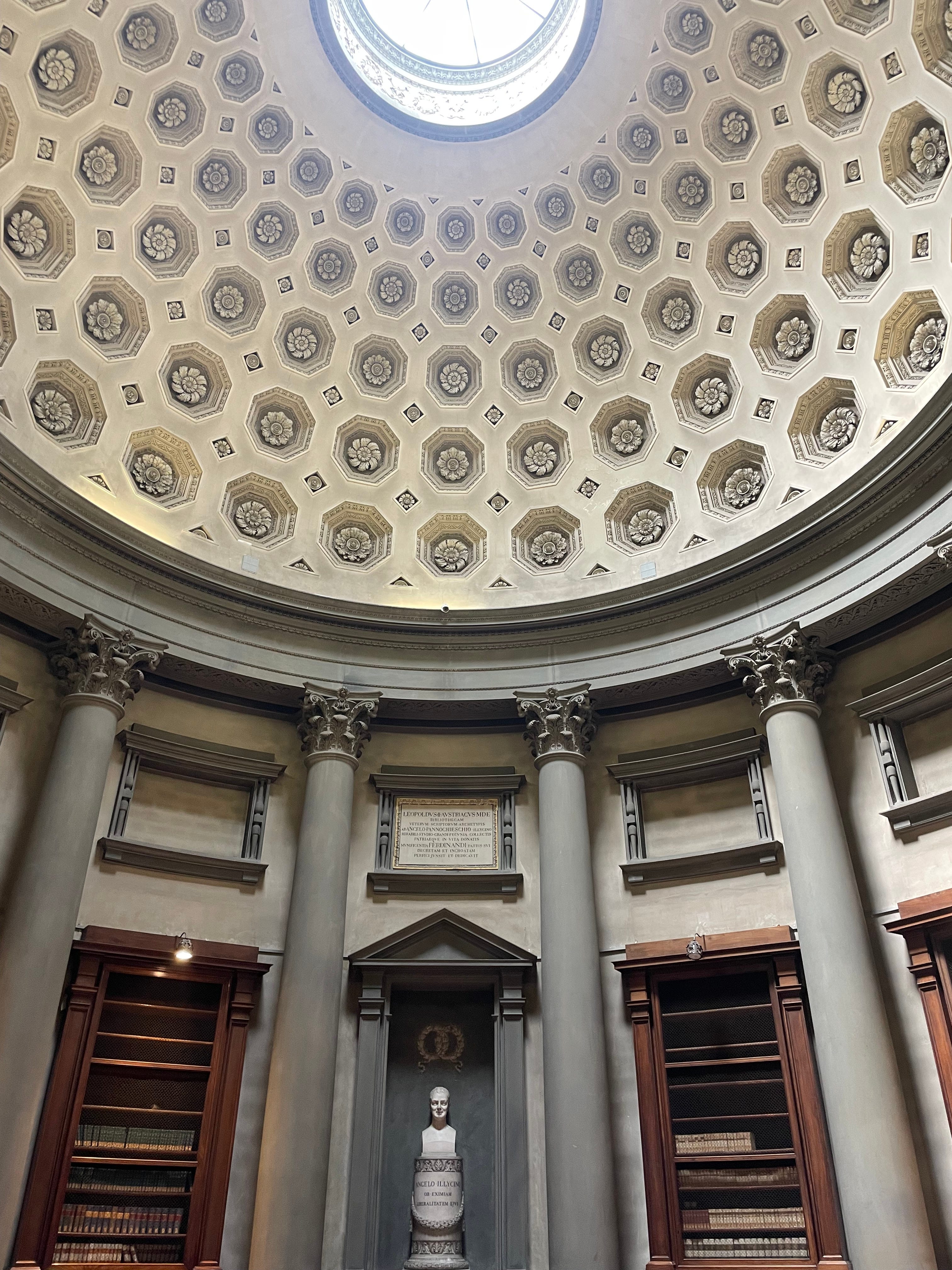
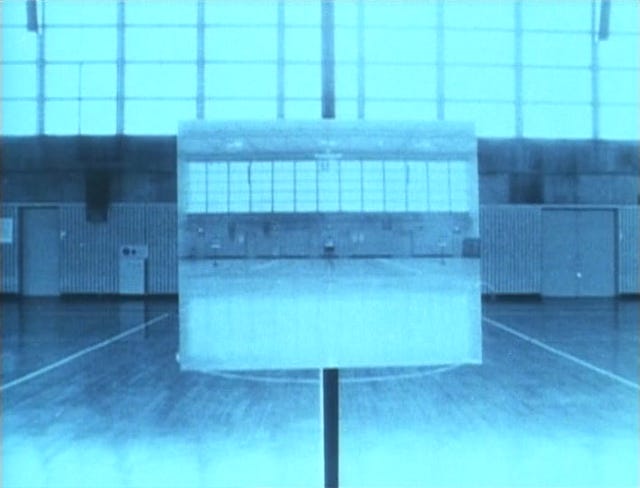
Rothko had praised the architecture of this library, saying it did exactly what he aimed for in his paintings: “It gives the visitor the feeling of being caught in a room with the doors and windows walled-in shut”. Another artist that gave me that exact feeling is Takashi Ito. An experimental filmmaker, whose work is like a labyrinth. A space to step into, get trapped in and hope that Ariadne will come to save you with her golden rope.
To step into a labyrinth takes a specific kind of bravery, because even though the isolation and separation of the outside world might feel safe, who knows what you’ll find along the way. The analogy of a labyrinth is widely used and many artists and scholars are intrigued by its mythical or ritual use. I think that it might be attractive because creating something, whether it’s a research, a book or a sculpture, takes the same kind of bravery as stepping into a labyrinth does. An unknown path that is in the world, but separate from it too. Confrontation with your own ego, unsolicited introspection by thoughts and feelings and all the stuff you thought you’d hidden so well in the basement. No wonder that when we finally get to the centre of it, we might need a hand to pull us out.
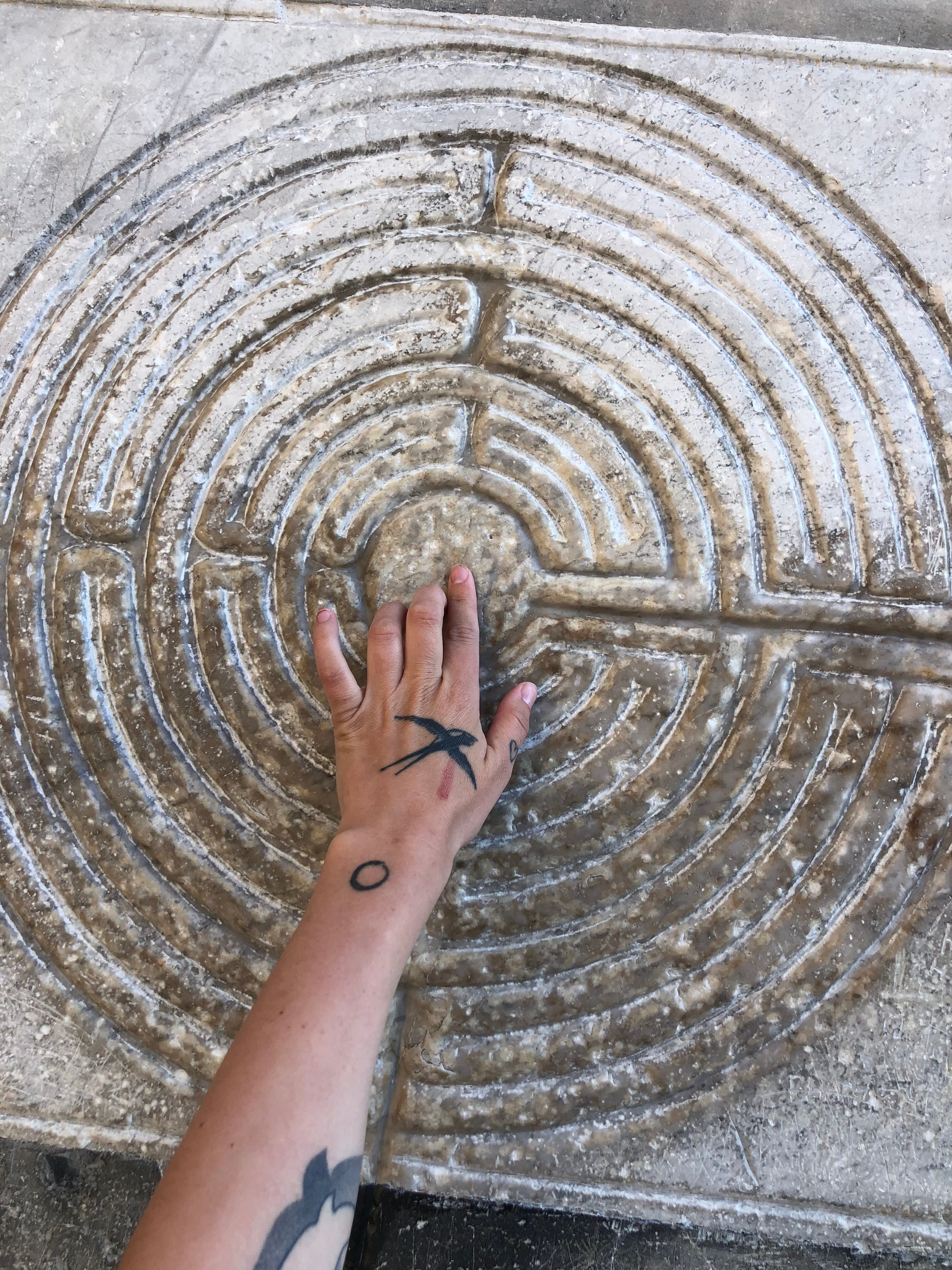
The centre of that labyrinth, although confining, can get pretty comfortable too. You sit for a moment and rest after facing all those mirrors, embraced the beauty and the monstrous inside of your human self, while recognizing its reflection in the world too. And now with all those old skins shed, heart on your sleeve, you are called to walk out, into that unpredictable world again. Suddenly it feels so much safer to sit there, in between those piles of research, rolls of canvas and the rubble of shaved pieces of marble.
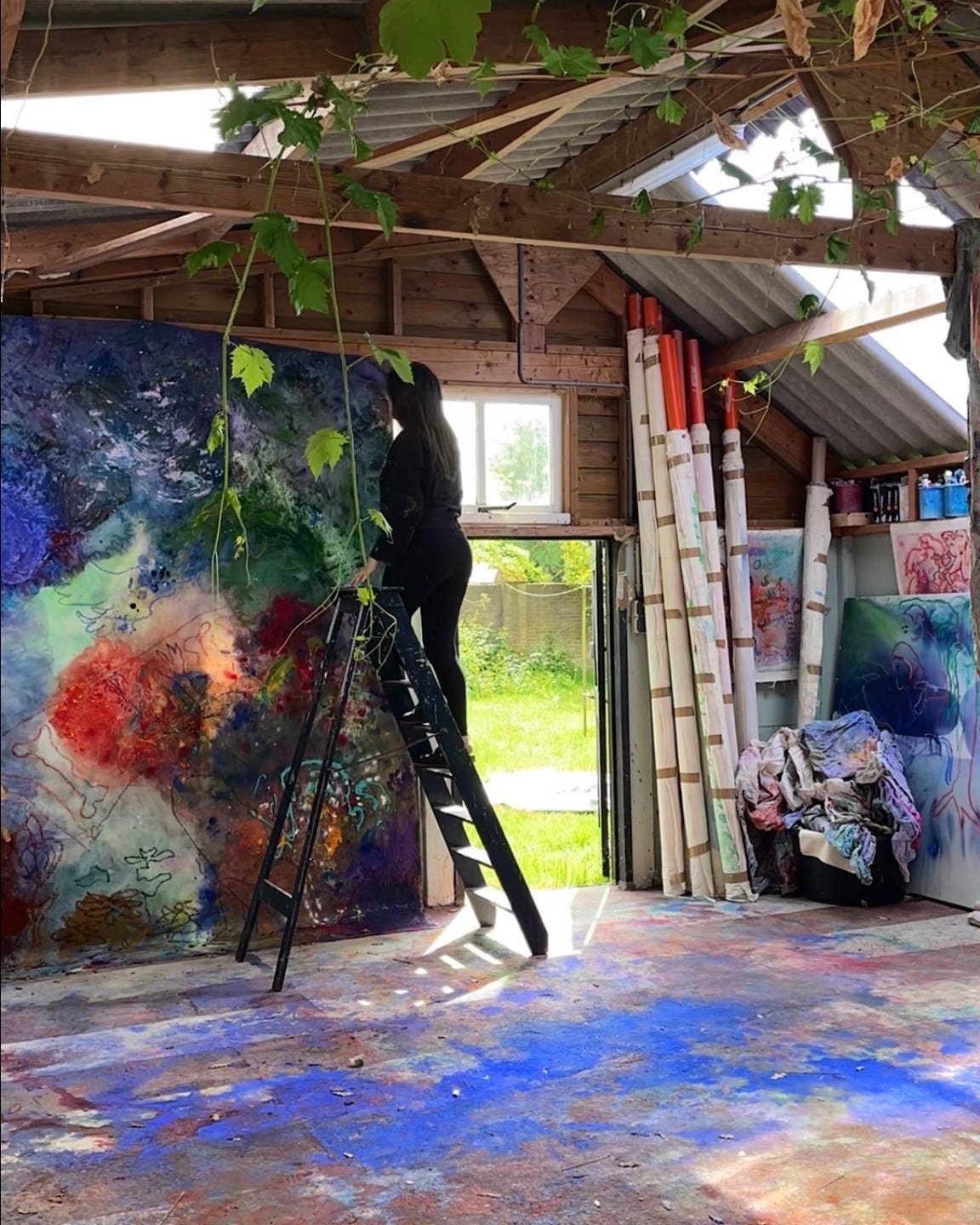
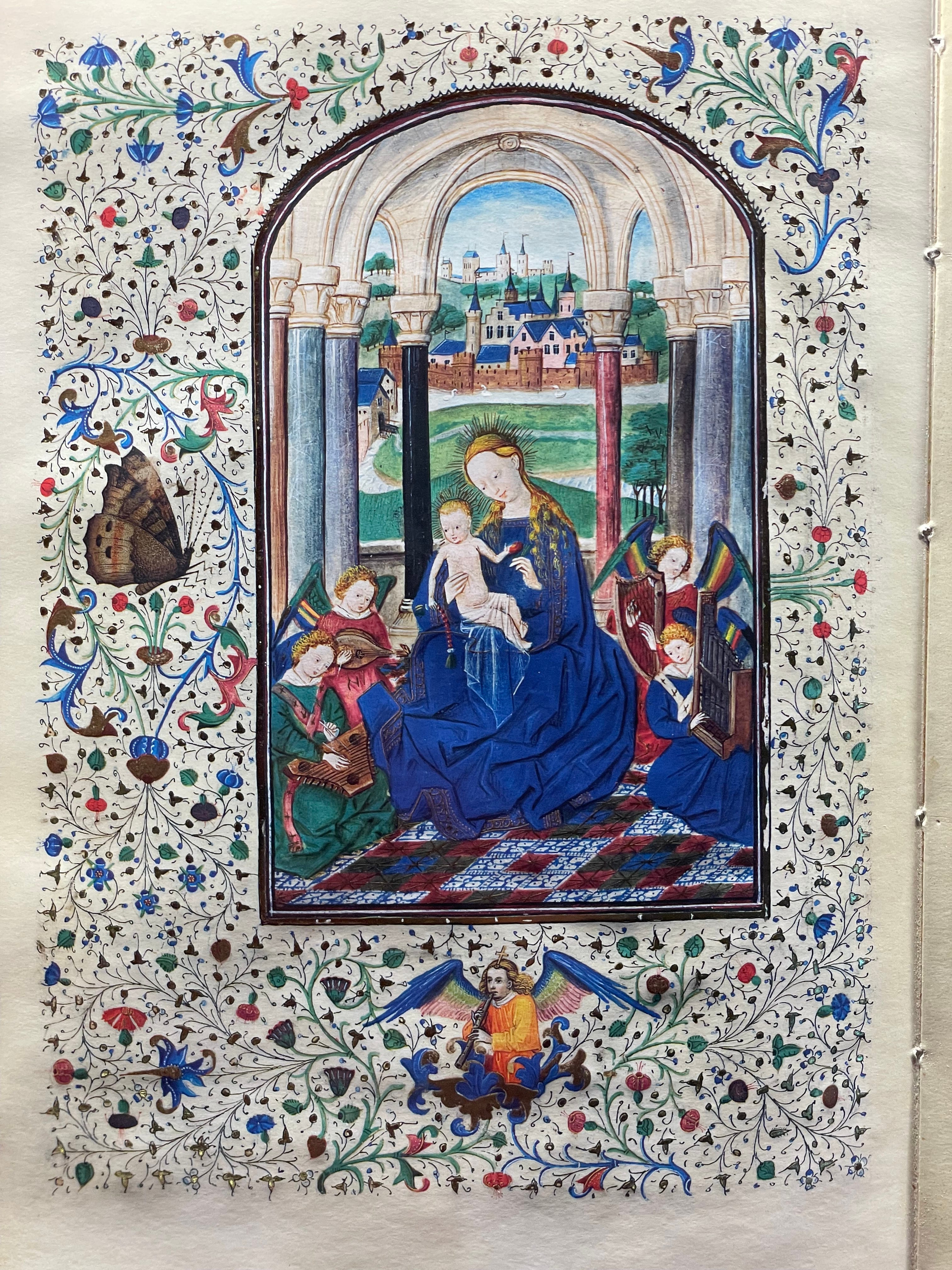
But there’s that thing, that call, that thread that takes you through the labyrinth into the world. Back to Michelangelo’s imagined encouraging words, babies and books really are a sublime combination*, as one draws you in to the centre of the labyrinth and the other, like Ariadne’s thread, pulls you on your way out.
*Note: Good friends, lovers, flowers, dogs or anything that is alive and brings you into the present will be a sublime combination too.
Comments
Nothing yet. Say the first thing.
Sign in to join the conversation.