
Twelve years ago, I wrote in Finding Freedom to Create that composing is the heartbeat of painting. I added the following: “Being free to create does not require a formulated theory or a set of rules to memorize and follow, nor does it necessitate learning a philosophy by which to live. It only requires that you learn your craft, learn how to compose with it, and respond from your own authenticity.”
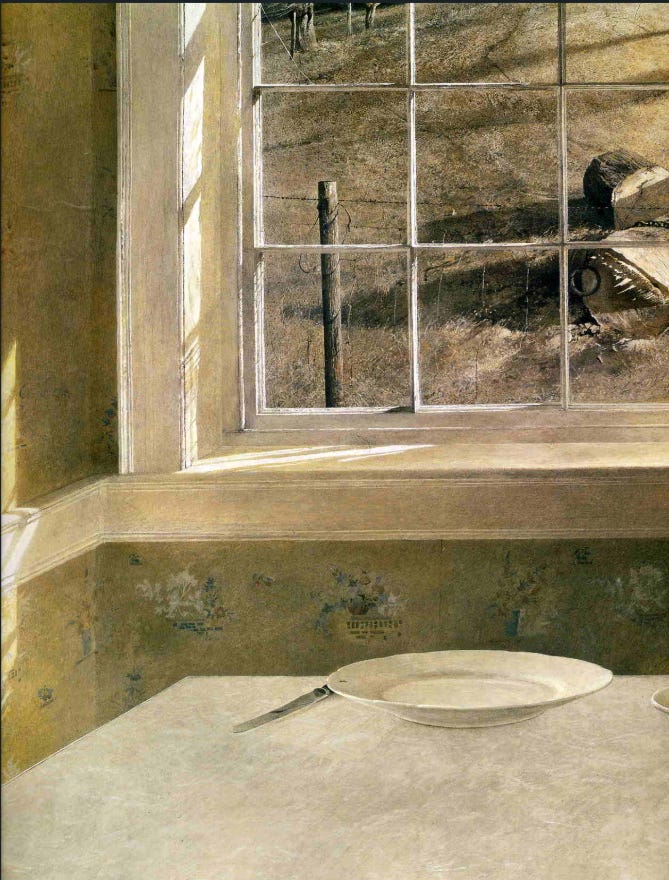
When you are learning how to compose, you’re not learning anything new, but recognizing the principles that make the universe work. These principles are cause-and-effect truths, like gravity. They cannot be rules because rules are requirements, and there is nothing being required in a principle. A principle is a foundational truth, a guide that allows for personal interpretation and discovery, but when compromised, produces weakness. Artist Andrew Wyeth often went against traditional methods of creating balance in his paintings, instead he found unique ways to make balance work.
The cause is what we do while we are composing, and the effect is the result of what we do. The results are order without chaos, unity without fragmentation, harmony without discord—these with balance, movement, and rhythm.
Chew on these ideas for a while.
______________________
Saturday Morning Art Thoughts
A Good Composition 5: Visual Movement
·
Aug 1
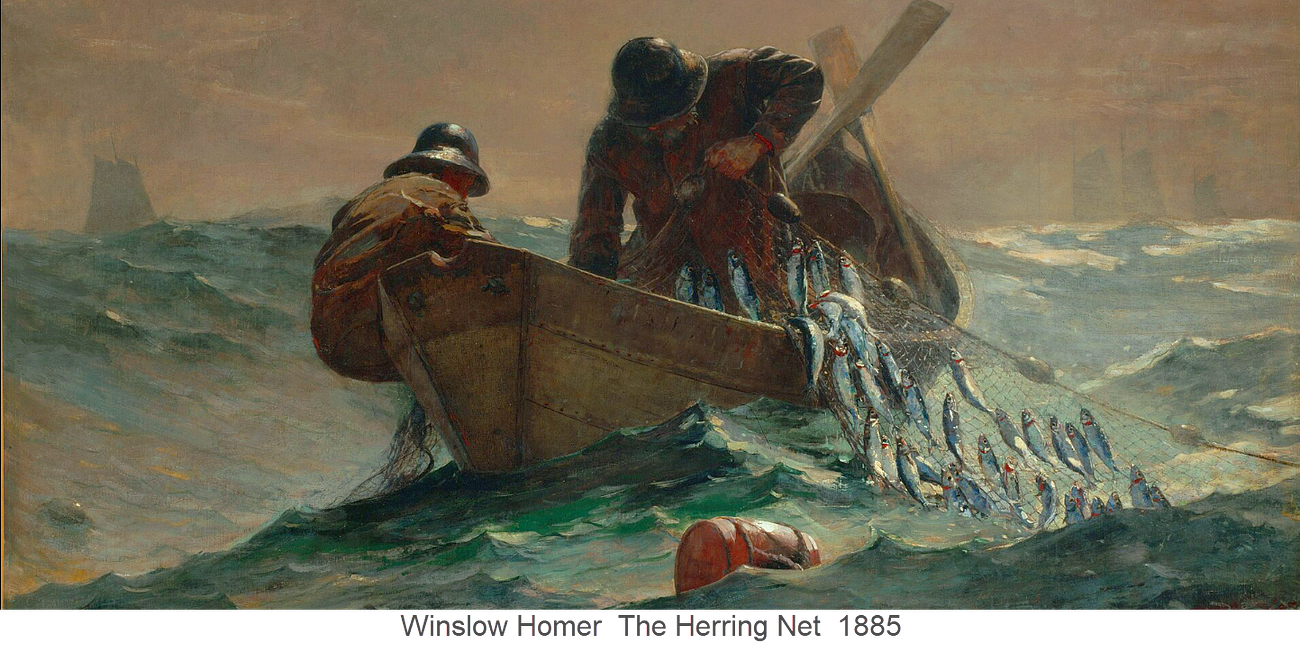
The word “movement” implies physical motion. Well, our eyes are physical and they move, so visual movement is about our eyes moving. Our concern as painters is what we do that causes the eyes to move. That means paying attention to how our own eyes move. That can be tricky because our eyes move rapidly.
Comments
Nothing yet. Say the first thing.
Sign in to join the conversation.