
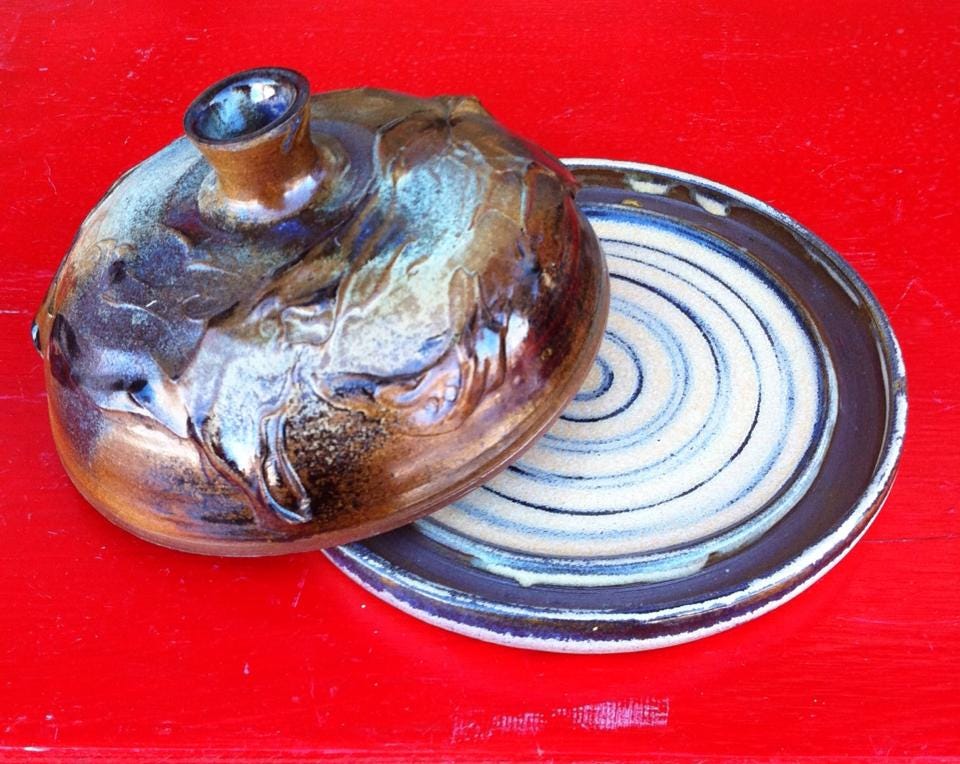
There is a particular moment in pottery that continues to hold my attention, no matter how many years I have worked with clay. It is the moment when the kiln door is opened after a glaze firing. The work has passed through a process that is largely invisible: heat has risen and fallen, materials have softened and fused, colours have shifted, and what entered the kiln as raw ceramic surface has returned as something altered. Even when one knows the glaze recipe, the firing schedule, the clay body, and the intended result, there remains an element of revelation. The kiln does not simply complete a technical process; it discloses the outcome of a relationship between matter, heat, timing, and human judgment.
This moment offers a useful entry point into thinking about glaze chemistry, but also into a wider reflection on art, wellness, and human intelligence in the age of artificial intelligence. We live in a time when many forms of production are becoming increasingly disembodied. Images, texts, lesson plans, designs, and even aesthetic styles can now be generated through digital systems with remarkable speed. Artificial intelligence can organize information, imitate tone, and simulate visual surfaces. Yet pottery reminds us that there remains another order of knowledge: one that emerges through contact with material, through repeated experimentation, through the discipline of observation, and through the slow education of the senses.
Glaze chemistry is often introduced as the science behind the surface of pottery. In the simplest terms, glaze may be understood as a form of liquid glass applied to clay and then matured through firing. It is composed of minerals and raw materials that melt, combine, and stabilize under heat. Silica forms the primary glassy network. Fluxes lower the melting temperature and allow the glaze to mature within the range of the kiln. Alumina and related stabilizers help give structure, viscosity, and durability, preventing the glaze from simply running off the pot. Colourants such as copper, iron, cobalt, titanium, manganese, and other oxides or stains contribute the tonal and visual qualities that make ceramic surfaces so compelling.
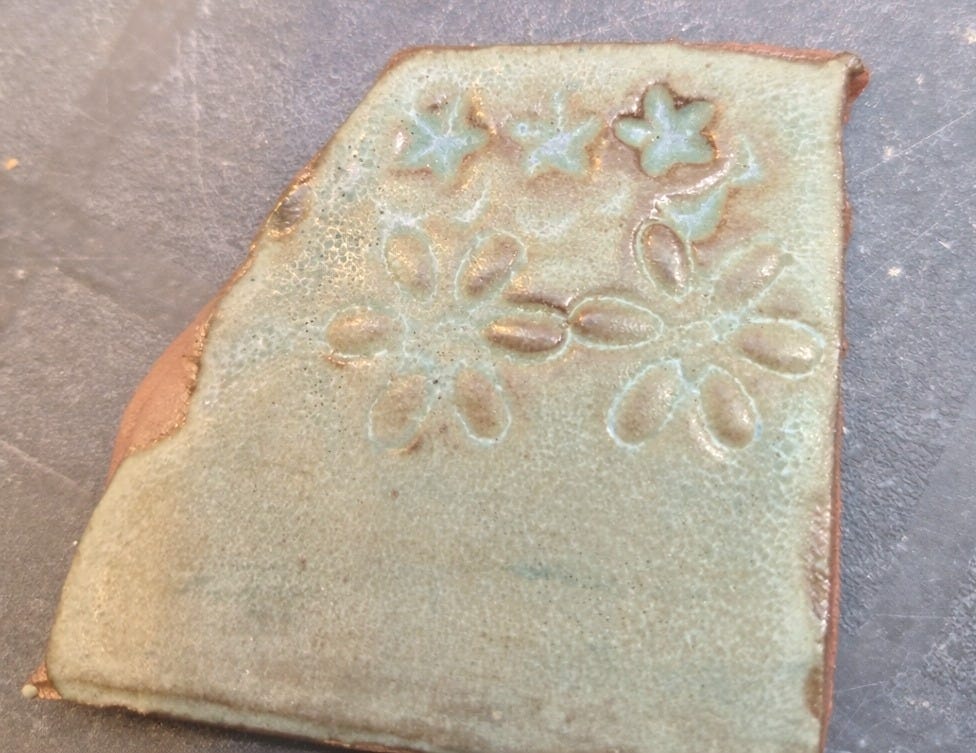
This technical explanation, however, only begins to describe what happens in practice. A glaze recipe is never merely a formula abstracted from context. Its behaviour depends upon the clay body beneath it, the thickness of the application, the shape of the pot, the placement in the kiln, the atmosphere of the firing, and the complex interactions among the materials themselves. The same glaze may appear turquoise on one clay body, green on another, more matte when applied thinly, more fluid when applied thickly, or entirely different when fired slightly hotter or cooler. In this respect, glaze chemistry resists the illusion that knowledge is simply a matter of control. It teaches instead that knowledge is relational, situational, and participatory.
For this reason, the pottery studio can be understood as a living laboratory. It is a place where science and art do not stand opposed to one another but are woven together through practice. The potter observes, tests, records, compares, and adjusts. Yet the potter must also respond aesthetically and intuitively to surface, colour, weight, gesture, and form. A glaze test tile may be read chemically, but it is also read visually and emotionally. Does the colour have depth? Does the surface belong to the form? Does the glaze invite touch? Does it carry light in a way that serves the vessel? These questions are not separate from chemistry; they are the human extension of chemistry into meaning.
This is where the idea of wellness enters the pottery studio, not as a fashionable addition to craft, but as an intrinsic part of the process. To work with clay is to enter a set of rhythms that differ significantly from the pace of contemporary digital life. Clay must be prepared, centred, shaped, dried, trimmed, bisque fired, glazed, and fired again. Each stage requires patience and a particular kind of attention. The material cannot be hurried without consequence. A pot dried too quickly may crack. A glaze applied carelessly may crawl, run, or obscure the form. A kiln opened too soon may shock the work. The studio teaches that transformation requires timing, proportion, restraint, and care.
There is a human chemistry involved in this process. We arrive at the studio with our own interior conditions: fatigue, anxiety, restlessness, ambition, grief, curiosity, or delight. The work of clay does not ask us to explain these states; it asks us to bring them into relationship with matter. The body slows down. The breath changes. The attention begins to gather around the task. The hand, eye, and mind enter into a more integrated rhythm. In this sense, the studio becomes an alchemical vessel in which the human being is not escaped from but rebalanced through activity.
Alchemy, historically, was never only about turning base metals into gold. At its deeper levels, it also carried an image of transformation, purification, and the refinement of substance. Pottery belongs naturally to this symbolic and practical tradition. Earth is mixed with water, shaped by human intention, dried by air, and transformed by fire. Glaze materials that appear dull and powdery in the bucket emerge from the kiln as glass, colour, sheen, and depth. The process is both material and metaphorical. It shows us that transformation is not an abstraction; it is enacted through substance.
In an age shaped by artificial intelligence, this material understanding of transformation becomes especially important. AI can generate descriptions of glazes, suggest recipes, imitate ceramic surfaces, or produce polished language about the creative process. These capacities are useful, and they will undoubtedly become part of contemporary artistic and educational life. The more pressing question is not whether we use such tools, but how we preserve the forms of human knowing that cannot be reduced to output. Pottery offers a powerful counterbalance because it requires the participation of the whole person. It cannot be fully understood from the outside. It must be entered.
The distinction is not simply between the handmade and the digital, or between old and new technologies. The potter’s wheel, the kiln, the pyrometer, the electric controller, and glaze calculation software are all technologies. The more important distinction lies between tools that extend human participation and systems that may encourage us to bypass it. Clay asks for involvement at every stage. It educates judgment because it gives feedback. It educates humility because it resists fantasy. It educates resilience because mistakes are unavoidable. It educates perception because subtle differences matter.
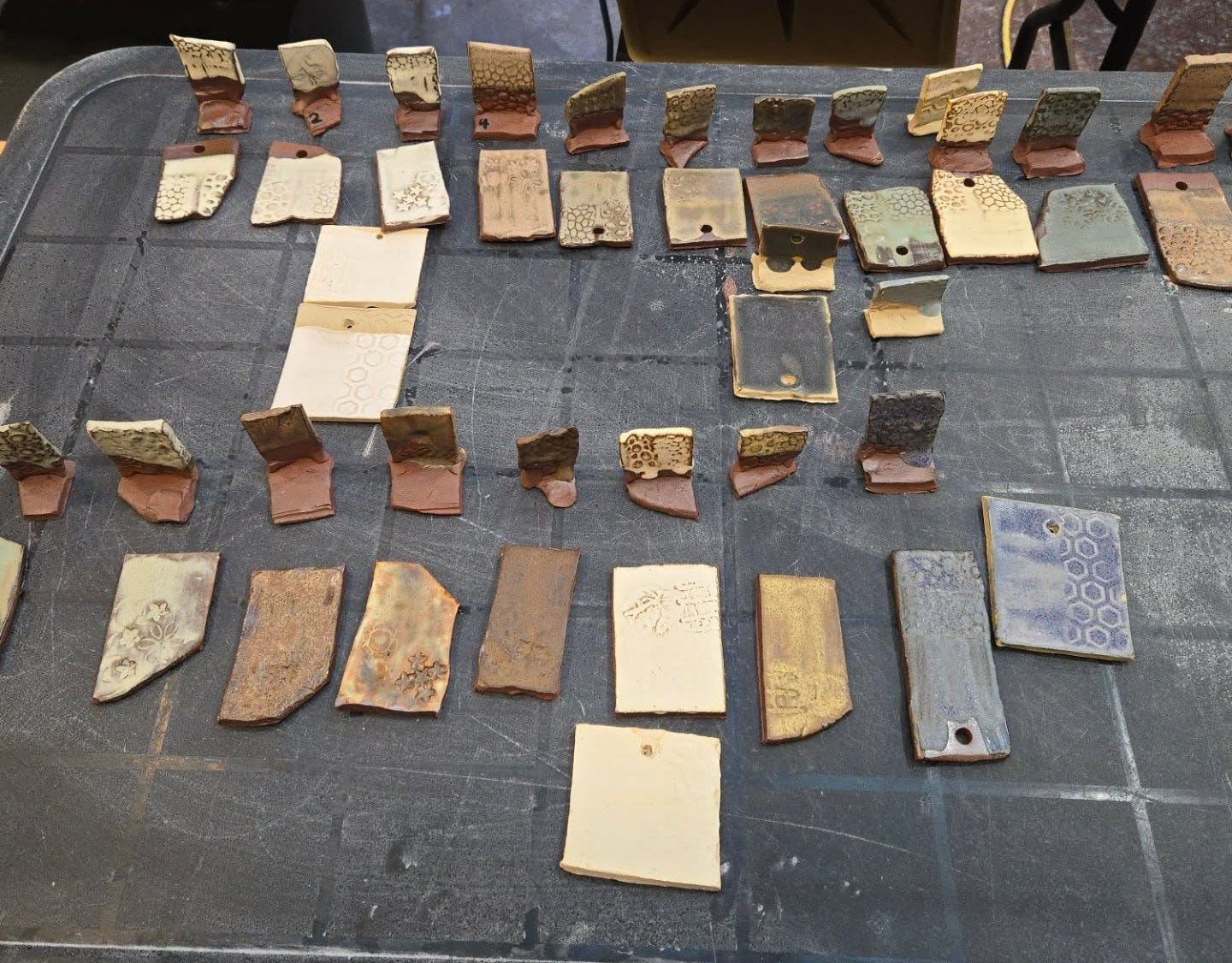
This is particularly evident when glazes fail. A surface may turn dry, streaky, blistered, cloudy, runny, or visually flat. At first glance such outcomes can be disappointing, especially when the expectation was clear and the effort substantial. Yet in ceramic practice, a failed glaze is rarely meaningless. It is information. Too much flux may have made the glaze overly fluid. Insufficient alumina may have weakened its stability. A different feldspar may have changed the melt. The clay body may have influenced colour development. The application may have been too thin, too thick, or uneven. The firing may have altered the result in ways that were not anticipated.
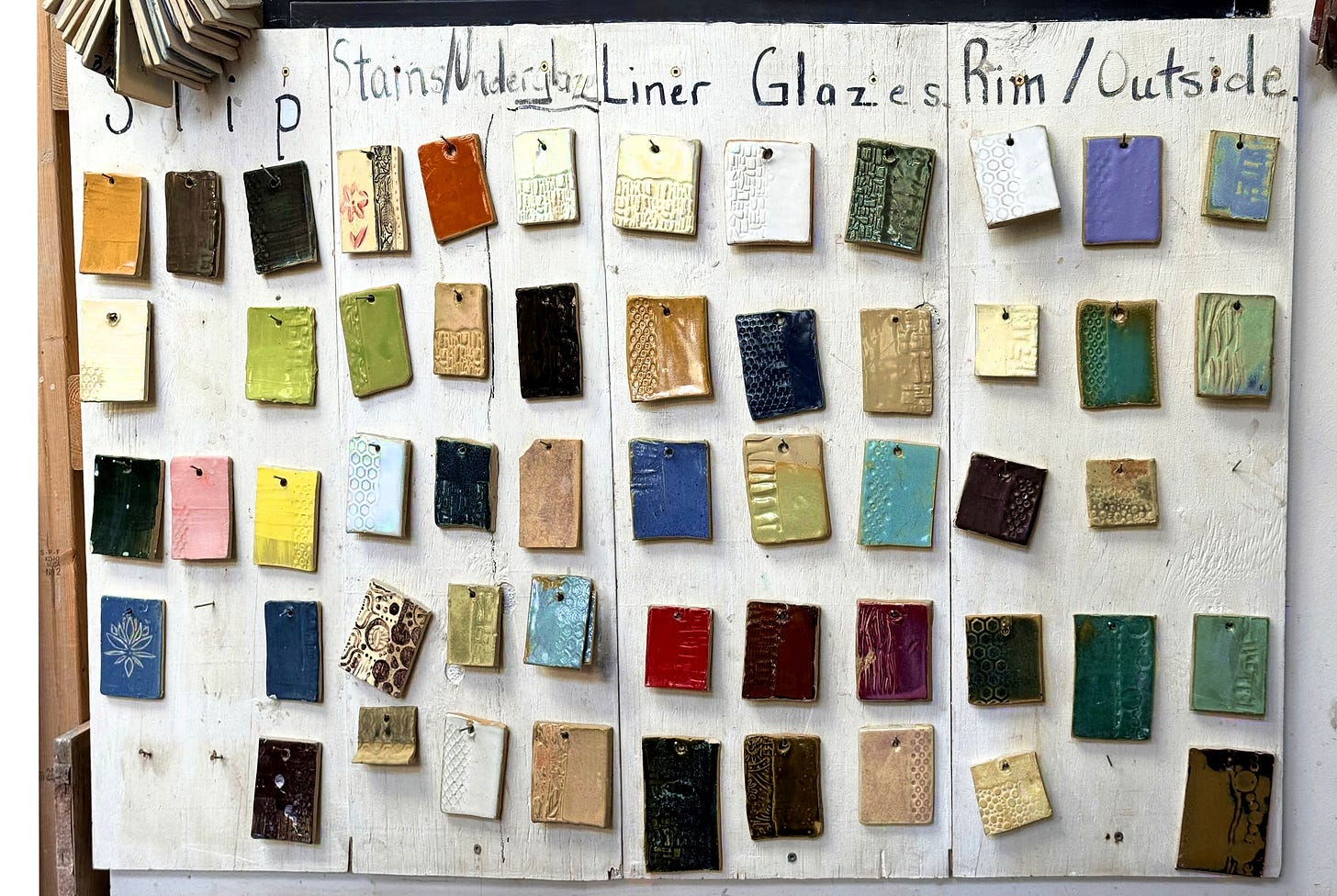
To learn glaze chemistry is therefore to learn how to interpret evidence. It is a discipline of attention. The potter begins to ask better questions, not only “Why did this go wrong?” but “What is this result showing me?” This shift is essential to creative development. It changes frustration into inquiry and uncertainty into research. Over time, the potter develops a more intimate understanding of materials, and with that understanding comes greater freedom. One no longer depends entirely on commercial surfaces or accidental outcomes. One begins to build a personal palette from knowledge, experience, and experimentation.
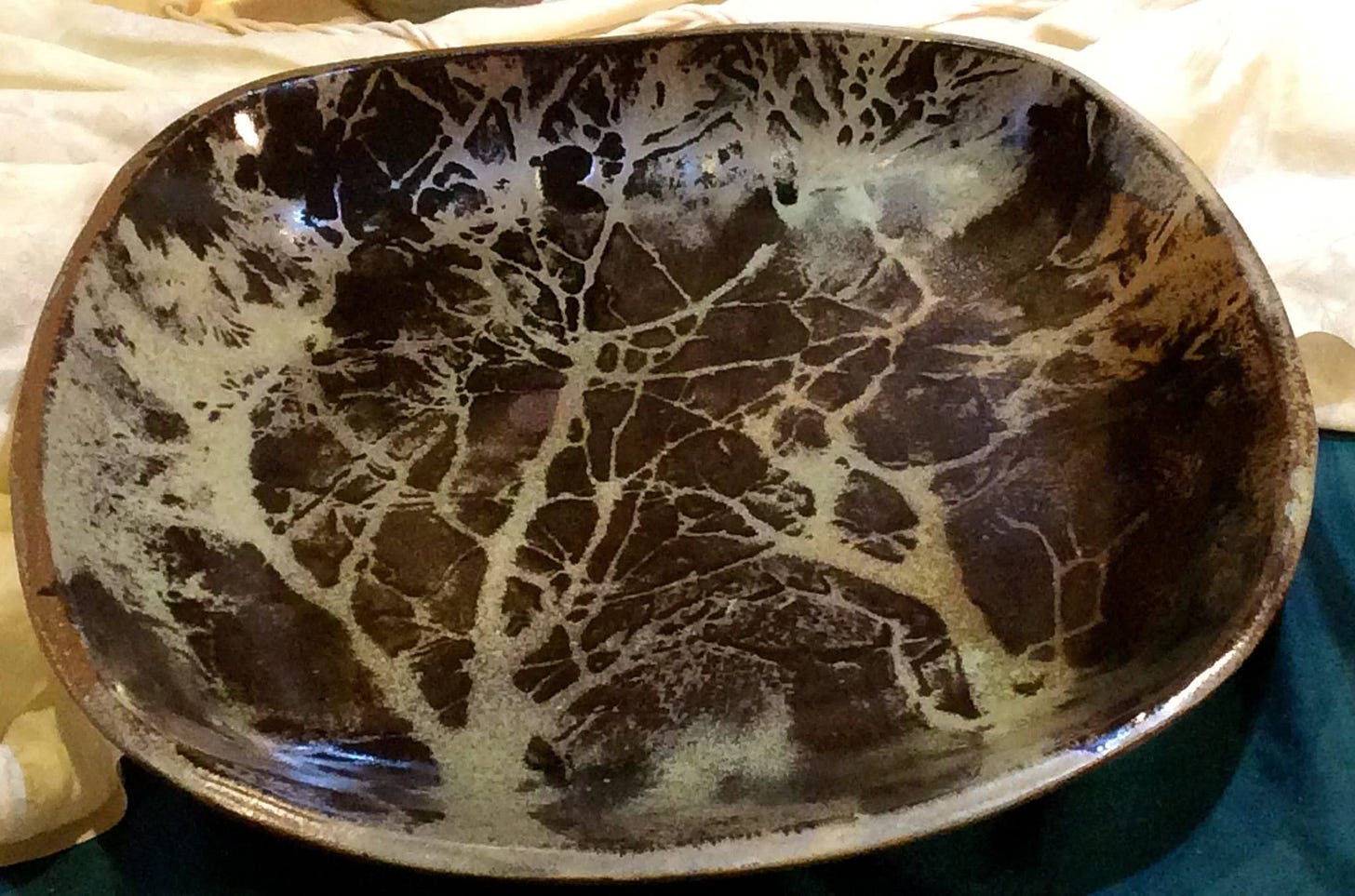
The science of colour in ceramics further reveals the complexity of this process. Copper, for example, may produce greens, turquoises, reds, or other variations depending on the glaze base and firing conditions. Iron can produce earthy browns, ambers, celadons, tenmoku-like depths, or speckled warmth. Cobalt, even in small amounts, can dominate a glaze with intense blues. Titanium may encourage variegation, opacity, or subtle surface effects. Matte glazes scatter light through their structure, producing softness and depth, while glossy glazes create reflection and visual intensity. Semi-matte surfaces occupy a rich middle ground between these qualities.
Such effects are not simply decorative. They shape the emotional and sensory life of the object. A bowl with a soft matte white interior offers a different experience from one lined with a bright glossy blue. A glaze that pools at the base of a carved mark may emphasize gesture and depth. A quiet surface may invite contemplation, while a fluid glaze may suggest movement, water, atmosphere, or geological change. Ceramic colour is not applied to form as an afterthought; it participates in the meaning of the form itself.
This is why glaze chemistry is such a compelling subject to teach. It opens a door between mystery and understanding. Many students experience glazing as unpredictable, even intimidating. They may hope for a beautiful result but feel powerless before the kiln. When they begin to understand the role of silica, fluxes, stabilizers, and colourants, they gain not only technical information but creative confidence. They learn that the kiln’s mystery need not be approached passively. It can be met through curiosity, testing, documentation, and thoughtful experimentation.
At the same time, good teaching must preserve wonder. Understanding chemistry should not flatten the experience of ceramics into mere technique. On the contrary, the more one understands about glaze materials, the more astonishing the process becomes. To know that a dull mixture of minerals can become a luminous surface through heat is not to diminish its magic. It is to deepen one’s respect for the intelligence of matter.
The pottery studio, then, offers a model of wellness that is neither sentimental nor escapist. It is grounded in practice. It asks us to become attentive, patient, resilient, and responsive. It gives us contact with elemental processes at a time when many people live increasingly through screens. It reminds us that the human being is not only a thinker, consumer, or producer, but a participant in transformation. We are shaped by what we repeatedly give our attention to. We are affected by the materials we handle, the rhythms we enter, and the quality of presence we bring to our work.
In this sense, the studio may serve as an antidote to the more disembodied tendencies of the AI age. Not because technology is inherently opposed to art, but because human beings require practices that return us to substance, limitation, and embodied meaning. Clay does this with unusual honesty. It does not flatter us. It does not respond to cleverness alone. It requires relationship, and through that relationship it cultivates a more integrated intelligence.
The opening of the kiln door remains, for me, an image of this larger truth. We prepare, measure, apply, fire, and wait. We bring knowledge to the process, but we also accept that transformation exceeds prediction. When the work emerges, we are invited to read what has happened: materially, aesthetically, and perhaps inwardly as well. Every firing offers both result and lesson.
Glaze chemistry may begin with surface, colour, and shine, but it leads toward something deeper. It reveals that beauty is not separate from process, that science is not separate from art, and that wellness is not separate from the way we engage with the world. In the pottery studio, chemistry becomes visible. Transformation becomes tangible. The human being, working with earth and fire, remembers something essential about becoming.
Comments
Nothing yet. Say the first thing.
Sign in to join the conversation.