
Does it ever feel like no matter what you do, it’s never enough? That what we’re up against is overwhelming and we’re powerless to change things? If we look at what we actually do in our lives, we might see that we’re doing more to create a better world than we think. My thanks go out to a thoughtful commentator on a recent post for bringing up this point.
We don’t often hear about our successes, but we see them everywhere when we look. For example, our activism has helped to stop or delay over half of the planned AI data centres in the USA, which use huge amounts of water and electricity, even when they’re sorely needed by surrounding communities. I looked for a source and found one in the unlikeliest of places: Time Magazine. https://time.com/article/2026/07/22/community-backlash-ai-data-centers/
As David Lewis once said, “They are the money, but we are the many” and he was referring to what he called the ‘corporate welfare bums’. Some call them the elite that run things or the Epstein class, who often pay little to no taxes. And, believe me, they need us more than we need them.
We ordinary people keep the economy going, fight their wars, and consume their products and media. How can we find ways to unplug from their influence and remove the supports we provide to their systems? How do we create enough bumps to reclaim something resembling democracy, peace and functional societies and economies that serve all of us?
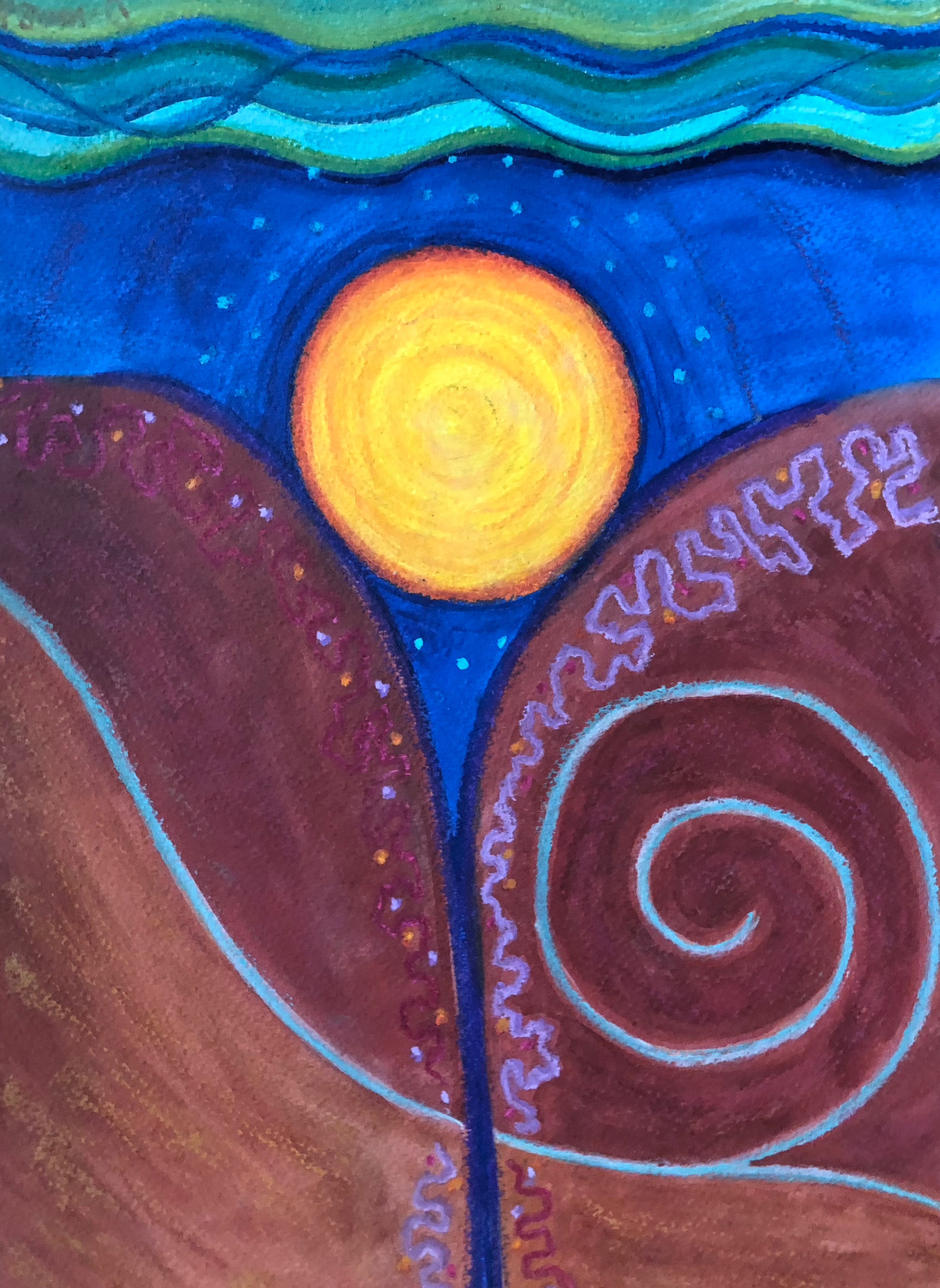
One thing we can do is acknowledge what we’re already doing, and give ourselves credit. Do you express your concerns about the way things are going? Good! If you talk with friends, write letters to the editor, blog or do artwork that communicates your values, you’re doing something important. You never know how it will impact others, and how you might open people’s minds to something that hadn’t occurred to them before.
There are probably all kinds of things most of us do to make the world a better place while saving money and building community. Picking up litter, going to a protest, being kind, cultivating friendships, and spending quality time with children all make a difference. They’re what a lot of us do naturally. And they shape the world we live in.
Maybe we should give ourselves a pat on the back once in awhile, and acknowledge that we’re creating a path to the kind of future we want: a future where we care about each other, for others everywhere, and for the state of our planet. And maybe we should also acknowledge others for what they’re doing.
When we empower ourselves and each other, we’re all stronger.
When it comes to overwhelm, that’s something we have some power to change, and I wonder how many others yearn for simplicity. Living simply isn’t just a great way to live; it also has a big impact on our society and economy. It reduces stress and makes life more affordable.
It means we’re not buying what they’re selling. We’re not working ourselves to death to buy the things they tell us we need. We can live in small spaces, sell or give away the stuff we don’t use, and enjoy the spaciousness of living in simple surroundings.
I’m pretty extreme in my lifestyle choices, but I thought sharing what I do might be helpful. And self denial isn’t part of it. I love my life! The way I live is inexpensive, enjoyable, and does a lot to support the kind of world I want to see.
We can eat lower on the food chain, benefitting our health, our wallets, and animals. I’ve been vegan for over forty years, and I know that’s not everyone’s cup of tea, but I promise you the food’s delicious and nutritious if you do it right.
And there’s so much free food around us when we wildcraft. They say dandelion leaves would be considered a superfood if they didn’t grow everywhere. I eat them all the time, and I find the young, tender ones aren’t bitter. Other wild foods we can eat are berries, sorrel, lambs quarters, grape leaves, plantain, and many leaves of plants in our garden that are normally thrown away. Just check with a reliable source to make sure you’re identifying them properly, and that they haven’t been sprayed with pesticides.
For the past few years I’ve been making a lot of my own personal care and cleaning products. They work well and they cost practically nothing, and keep money out of the hands of corporations.
And don’t even get me started on buying secondhand. Honestly, at least 90% of everything I own is secondhand. I dress well, my place is welcoming and pleasant, and I have everything I need.
And I have lots of fun while thrifting. It’s like a treasure hunt! What I find is unique and inexpensive. It means sorting through a lot of junk and coming away empty handed much of the time, but over the years I’ve developed a good eye.
Recently, I put a shirt I no longer wear into a free box and a relative pulled it out, checked online, and discovered that it was listed for $200. I didn’t pay any more than $5 for it. You never know what people will tire of and donate.
Lots of stuff is free too. Things out of free boxes, things that are found, repurposed or swapped, and gifts from and exchanges with friends and family.
And the money we save, especially if we buy from a locally owned secondhand store, doesn’t make it into the coffers of the rich. What could be more fun than a treasure hunt that saves money while beating the system?
Buying locally and organically grown food might be more expensive, but again it often keeps our money out of the hands of the corporate class, and financially supports soil restoring organic farming. And the lower on the food chain we eat, the easier it is to afford delicious, nutritious food. We can also grow our own food. My garden feeds me every day. And we can order bulk, organically grown dry goods with friends and family.
And we can share in every way possible: produce from the garden, community gardening, bulk food buying, potlucks, clothing swaps, carpooling, child care, housing. All of this saves money and builds community. Sure, there can be interpersonal bumps, but it can also lead to meaningful friendships. And it puts an end to feelings of isolation.
Something I know I harp on, but will repeat again, is that we need to seek out accurate information about the state of the world. Right now, the western world is in debt, losing wars, and imploding, so the propaganda is being laid on thick and heavy. For example, here’s Larry Johnson’s breakdown of why Iran shouldn’t be considered the number one sponsor of terrorism. We’ve heard that Iran is the number one sponsor of terrorism so many times, that most of us probably believe it. In the footer of this article, I have links to articles about sources that I trust, and I hope you’ll check a few of them out.
As Bob Marley once sang, “Emancipate yourself from mental slavery, none but ourselves can free our minds.” This couldn’t be more true than in this precipitous, historic moment. If we don’t understand what’s going on, it’s hard to take meaningful action.
And another important thing to do is to look out for opportunities to make a difference. That might mean joining a political party when a great candidate has won the leadership. It might mean going to a fundraiser for Gaza. Or maybe it means connecting with someone who might need a hand and offering to pitch in. Joining a community group can be useful. Some of the most effective activism is what small groups of two or three people do together.
For transportation, I rely on walking, bussing and cycling to get around. I’’m in pretty good shape even though I never go to the gym. And driving has always seemed so stressful to me. I really enjoy travelling in these other ways. Walking helps us get to know our neighbours and keeps us fit, and taking the bus can also help us to get to know our community. When I get a lift somewhere with a friend, I offer gas money and usually bring food to share.
Speaking of money, mine’s in a credit union where it stays in the community instead of in banks that support the military, fossil fuels, and all kinds of shady corporations. Money is a powerful tool that I use to support what I value and boycott what I don’t. As much as possible, I patronize co-ops and local businesses, and avoid large corporations.
Building real relationships as we organize for the future is essential, and it builds solidarity. It means being deliberate, patient and slow. This excellent article by Vijay Prashad outlines this clearly. Here’s an excerpt:
In our tradition, the construction of this unity is called the creation of an “historical bloc”: an alliance of social forces held together not merely by temporary agreement but by a common political project.
Such a bloc must be rooted in the working class and address the aspirations of all those whose lives are deformed by capital, imperialism, patriarchy, racism, caste oppression and the destruction of nature.
A political programme cannot be a checklist in which each social group is assigned a separate demand. It must provide a coherent explanation of the crisis and a credible direction for society, showing how public healthcare, agrarian reform, dignified employment, women’s liberation, ecological repair and national sovereignty belong to a common project.
The ruling class says that society must be organised around the freedom of capital; a socialist historical bloc must insist that society be organised around the dignity of labour and the reproduction of life. This is how social power becomes hegemonic: not through a messaging strategy but through the construction of political leadership by organisation and struggle.
There are so many community events that are often free or by donation. They can be very educational too. Protests are usually excellent sources of information about issues. Often they involve music and dancing.
I hope this crazy lifestyle of mine provides some of you with inspiration. This is not self imposed austerity. It’s so much fun, it means making friends, eating great food, and having less clutter in my life. It’s a combination of freedom, connection, saving money, opting out of the things that are harming our world, and being the change we want to see.
And let’s not forget to validate ourselves and each other for what we’re already doing, and then see how we can do just a little more. It could make a big difference!
What kinds of things do you do that help a better system to emerge? I hope you’ll share some of them in the comments section. Whatever you do, thank you for doing it.
We have the power to create the kind of future we want. And make for a fun, full and meaningful life, while we’re at it.
* * * * * * *
I love the BDS campaign and the effect it’s having on Israel’s economy.
Here’s an excellent list of products from Israel: https://boycott.thewitness.news/categories
Here are some factsheets about Israel: https://www.cjpme.org/factsheets
And here’s where you can support Palestine by buying a kufiya: https://www.kufiya.org/
Here are some tips for hard times that might come in handy.
And you can find links to news sources I trust here and here.
* * * * * * *
A big thank you to my paid subscribers. Your support really encourages me! I so appreciate you, and am glad you value my writing.
No posts
Comments
Nothing yet. Say the first thing.
Sign in to join the conversation.