
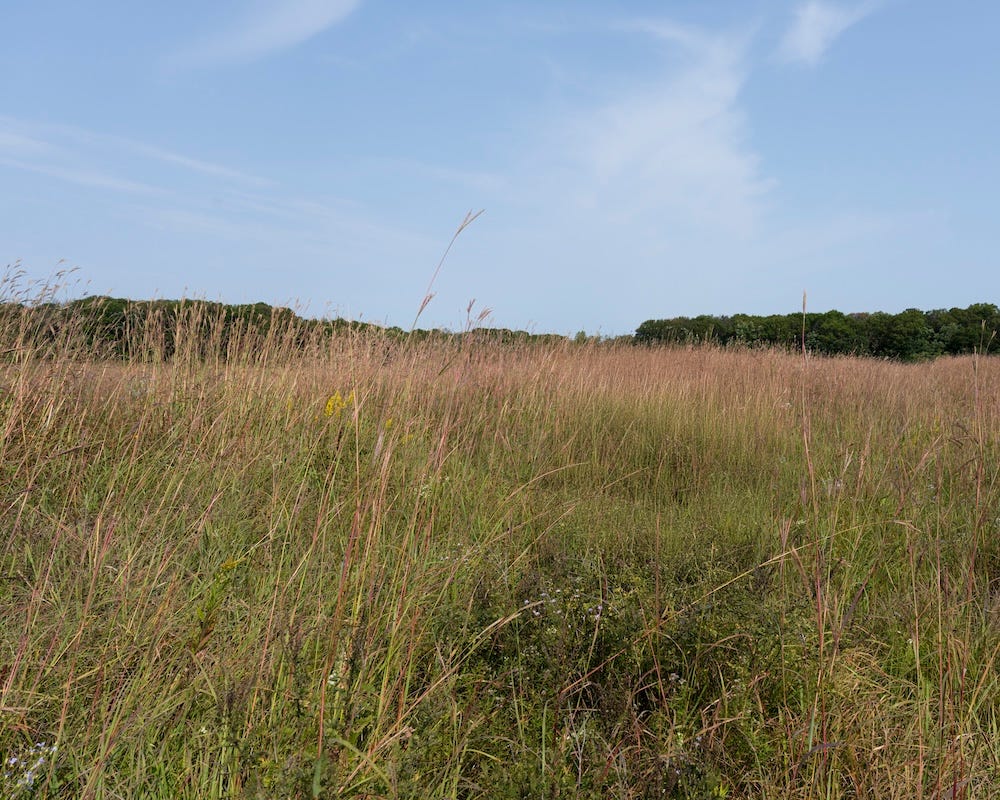
America’s story is typically told through battles, documents, and presidents.
But it can also be told through prairies, gardens, and flowers. And that story begins long before 1776.
These are a few stories that stayed with me.
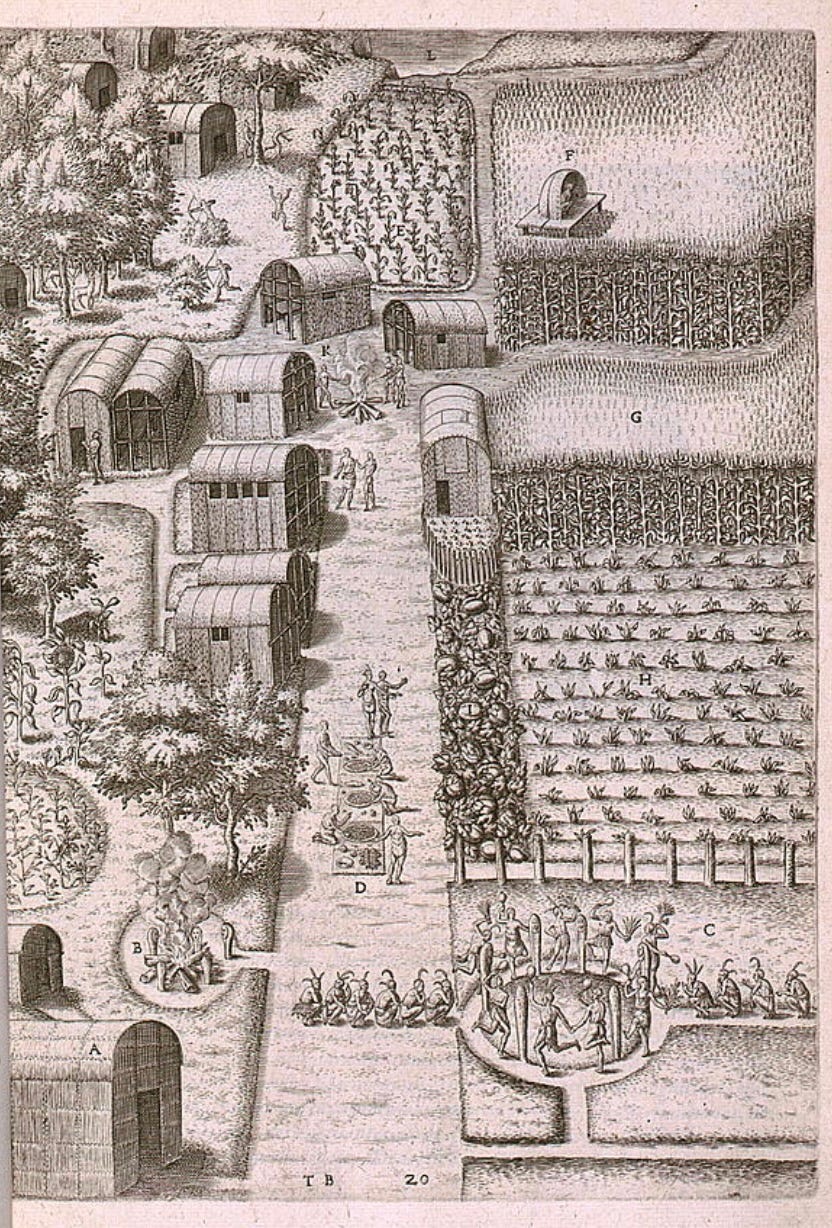
The land was already being planted, watered, and harvested. Long before the first European settlers arrived, Indigenous peoples across this continent had been cultivating crops, gathering medicinal plants, and caring for native landscapes for thousands of years.
Take a look at that 1585 engraving. This wasn’t casual foraging. It was sophisticated land management, passed down through generations.
On the tallgrass prairie that would become Minnesota, the Dakota people, including the Mdewakanton, Wahpekute, Sisseton, and Wahpeton, lived along the Minnesota River as active stewards of the land.
They used controlled burns to keep the grasses healthy and the landscape open. The Ojibwe gathered wild rice, sweetgrass, and prairie sage for food, medicine, and ceremony.
And across the continent, other nations were doing the same kind of intentional, sophisticated work.
One of the most remarkable examples is a planting system known as the Three Sisters. Corn, beans, and squash grown together in the same mound. It fed communities from the Haudenosaunee in the Northeast and the Cherokee in the Southeast, to the Mandan and Hidatsa on the Plains, and the Hopi and Zuni in the Southwest. Every nation adapted it to their own soil, climate, and tradition.
Here’s why it worked. Corn gave the beans something to climb. Beans put nitrogen back in the soil. Squash spread low and wide, holding moisture and crowding out weeds.
Companion planting as ecological wisdom. Centuries before anyone gave it that name.
That knowledge wasn’t limited to food.
On the Minnesota prairie, plants were medicine too. Wild bergamot bloomed every summer in lavender drifts. The Ojibwe used it to relieve headaches and treat colds. The Teton Dakota brewed tea from its blossoms for stomach ailments. The Ho-Chunk and Menominee knew its value too. And cansasa, the red willow bark prepared by the Dakota for sacred ceremony, was gathered with knowledge passed down through generations, long before European botanists gave any of it a Latin name.
That stewardship didn’t end by choice.
When European settlers arrived, they brought seeds with them. Lilacs from England. Roses from Europe. Herbs tucked into trunks from kitchen gardens across the continent.
For colonial families, a garden wasn’t a weekend project. It was how you fed your children through winter.
By the time the Declaration of Independence was signed, two men were quietly shaping how a new nation thought about plants.
George Washington kept a private garden at Mount Vernon that he tended himself. He kept careful records of what he planted and how each variety adapted to Virginia’s soil and climate. Foreign governments, friends, even strangers sent him seeds from around the world. He grew everything he could.
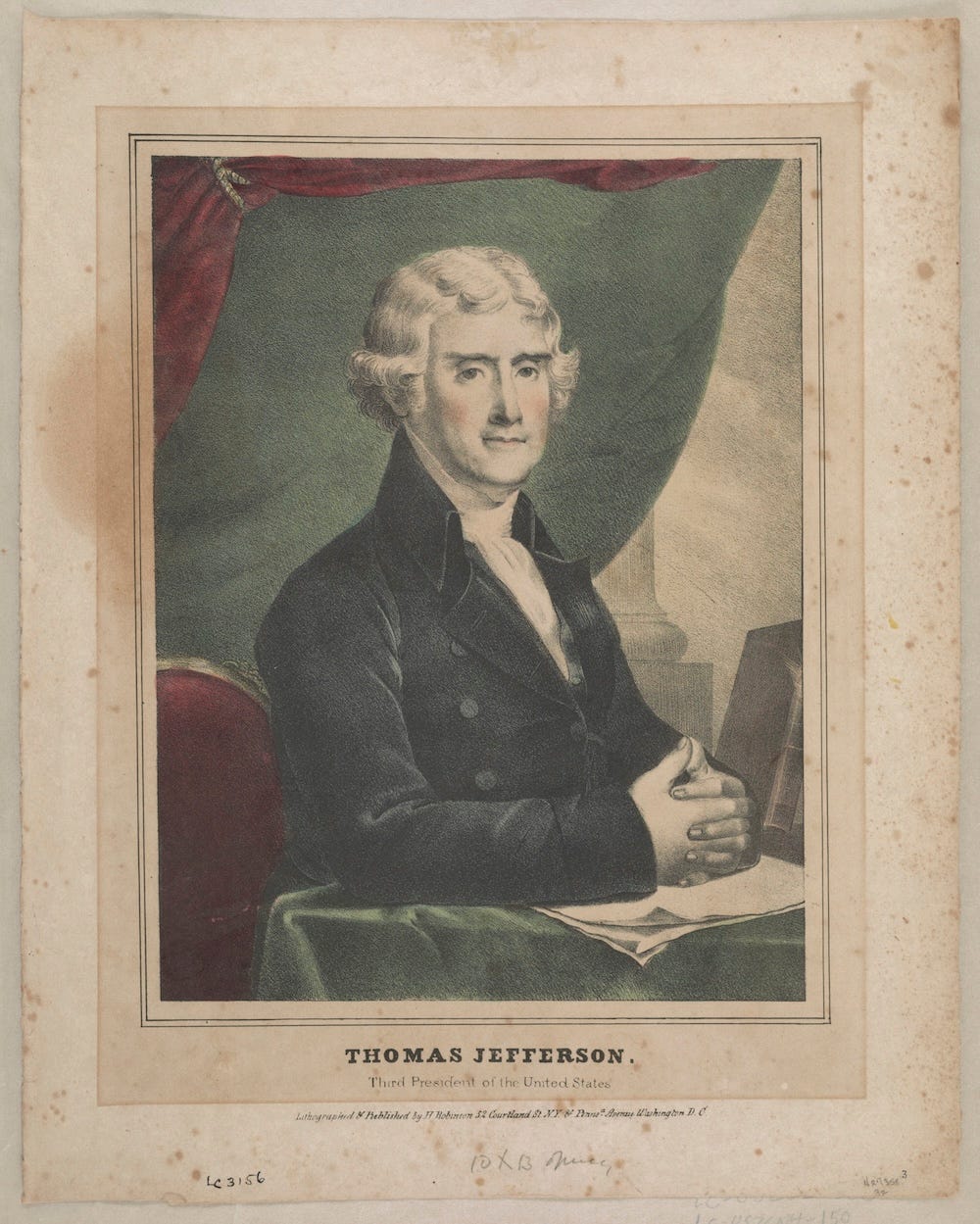
Thomas Jefferson went further. He kept a Garden Book for nearly six decades, recording both his successes and his failures. When something worked, he didn’t keep it to himself. He mailed seeds along with notes and instructions to everyone he knew, including Washington, James Monroe, and James Madison. Jefferson, in effect, founded the nation’s first seed bank on the hillside at Monticello.
Wormley Hughes, born enslaved at Monticello in 1781, was the principal gardener who planted and tended that famous thousand-foot garden. He was married to Ursula Granger, whose parents, Bagwell and Minerva Granger, grew hops, cucumbers, and squash in their own plots, tended in whatever hours remained after Jefferson’s fields were worked. More than 130 enslaved men, women, and children lived and worked at Monticello. Among them, more than forty maintained their own small garden plots and sold produce back to the Jefferson family, all of it recorded in Jefferson’s own account books.
The garden at Monticello was not one man’s experiment. It was built by a community.
When Jefferson died on July 4, 1826, the fiftieth anniversary of the Declaration of Independence, it was Wormley Hughes who dug his grave. Jefferson’s daughter Martha later gave Hughes his informal freedom, honoring what she believed were her father’s wishes. He was allowed to live and work as a free man, though without the legal protections of formal emancipation. He stayed close to Monticello for the rest of his life, working for members of the Jefferson family until his death in 1858.
But freedom didn’t come for his family.
Six months after Jefferson’s death, an auction was held to pay his enormous debts. Ursula and eight of their thirteen children were sold to different purchasers, the family split apart in a single day. Jefferson’s grandson later managed to buy back several of them, but not everyone could be recovered.
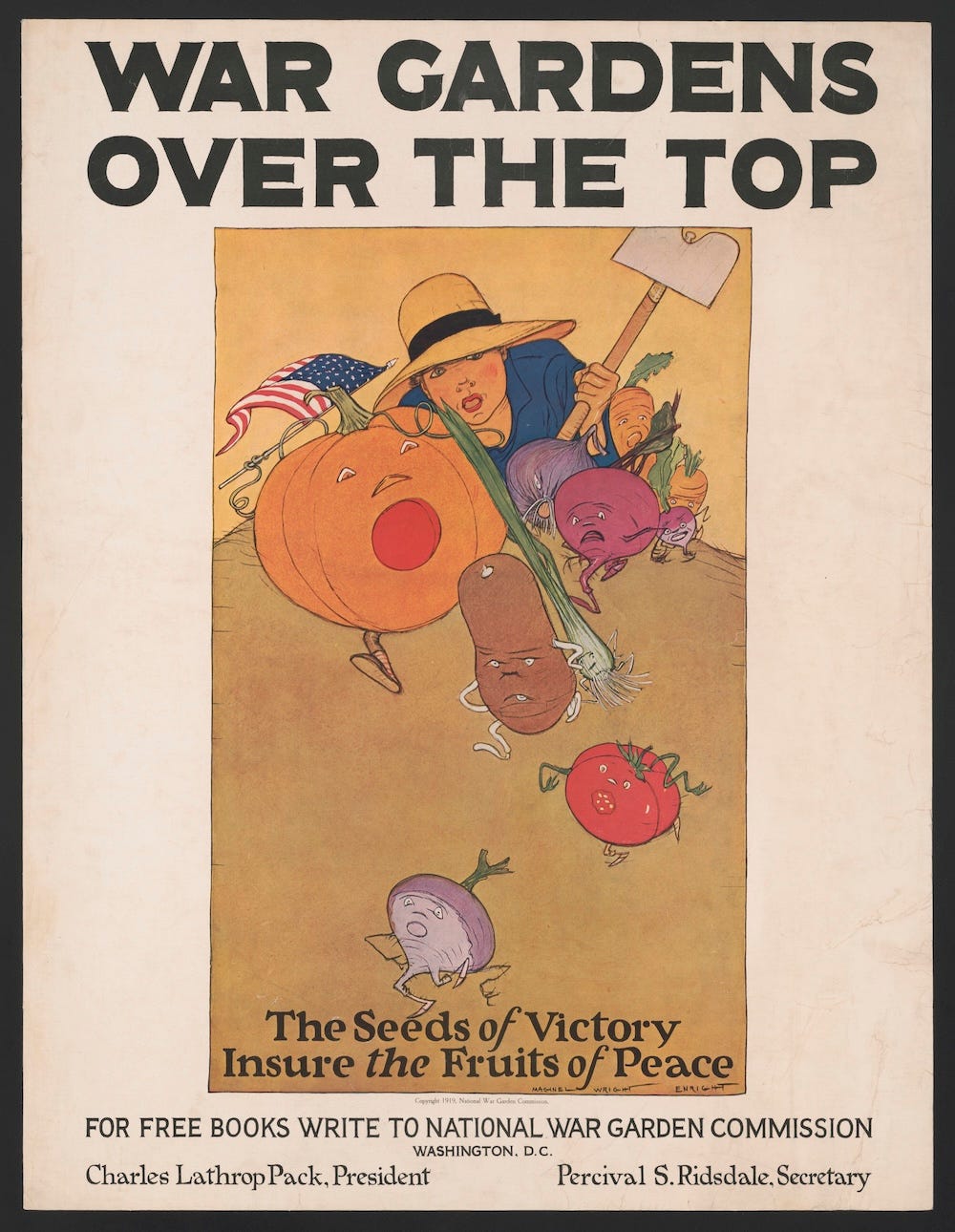
Flowers and gardens have marked American moments ever since. None more quietly than the Victory Garden.
The impulse started during World War I, when the government launched the War Garden campaign and asked Americans to turn their backyards and vacant lots into food plots.
It worked.
By the time World War II arrived, the instinct was already there. Twenty million Victory Gardens eventually produced roughly 40 percent of the country’s fresh vegetables. Seed companies ran out of stock. Eleanor Roosevelt planted one on the White House lawn, over the objections of the Department of Agriculture.
Most of those gardens are long gone.
But at 46th Avenue and 39th Street in Minneapolis, two blocks west of the Mississippi, one is still producing.
Dowling Community Garden has been continuously operating since it was planted as a Victory Garden in 1943, making it one of the few, possibly one of only two, still in active use in the country. The other is the Fenway Victory Gardens in Boston.
Eighty-three years later, 250 gardeners from across the metro are still showing up to tend it. They garden on the grounds of Dowling Elementary School, side by side, people of all ages and backgrounds. Master Gardeners work alongside first-time growers. Produce is donated to neighbors in need.
It’s not a museum piece. It’s a working garden, still doing exactly what it was planted to do in 1943.
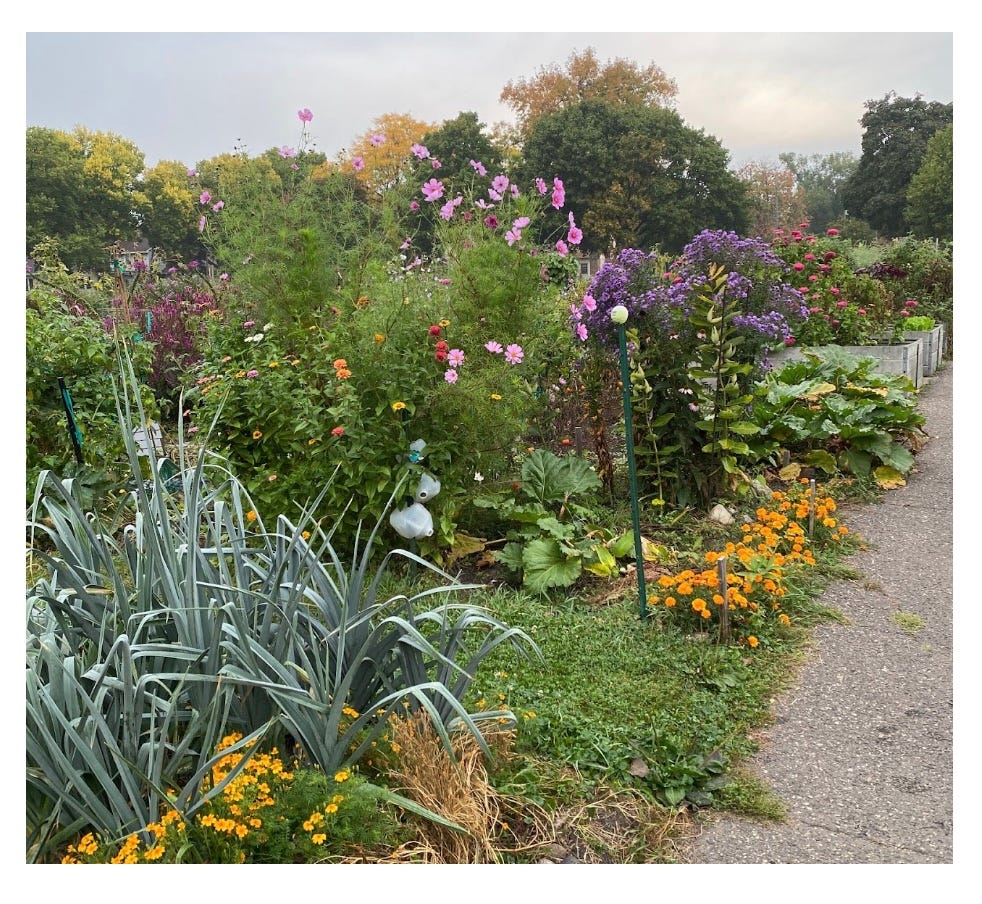
The impulse to tend something together didn’t stop when the war ended.
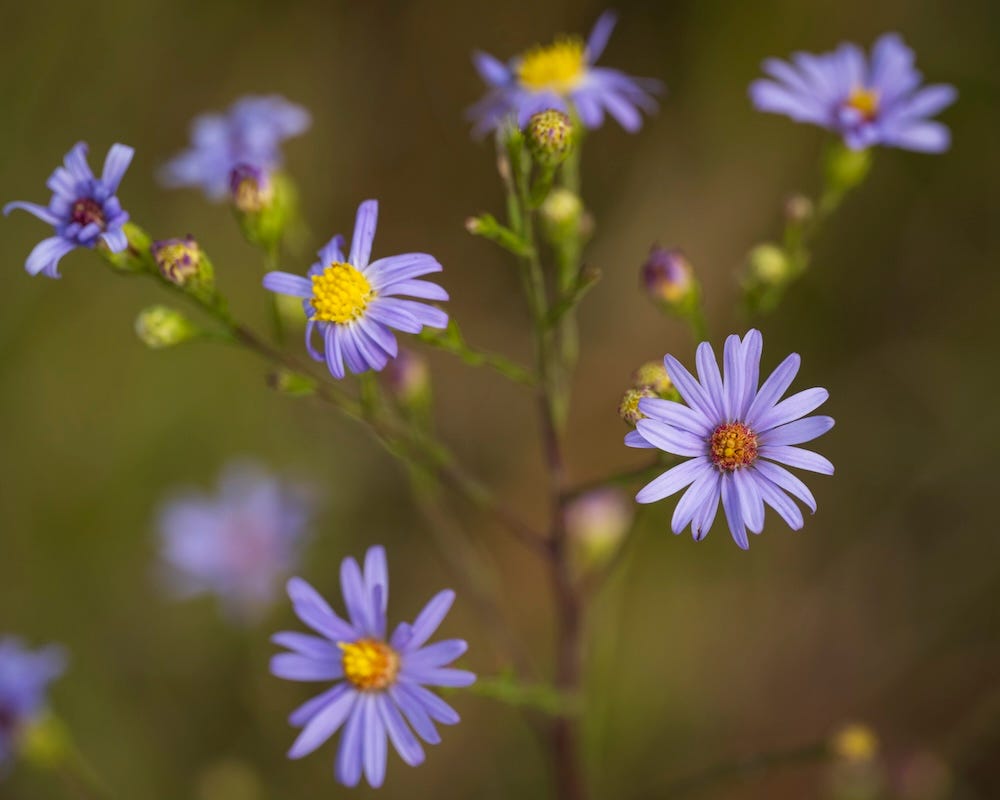
That story is still being written.
Each fall, volunteers fan out across restored prairies in the Three Rivers Park District, gathering seeds by hand from blue asters, wild bergamot, prairie blazing star, and grayhead coneflower. The same plants that bloomed on this land long before the nation was founded.
Wildlife biologist Angela Grill has been leading that work for years, coaxing the tallgrass prairie back one seed at a time.
This isn’t gardening in the conventional sense. It’s reconstruction. Nearly 99% of Minnesota’s original prairies vanished when European settlers converted the grasslands to farmland in the 1800s. The stewardship the Dakota and Ojibwe practiced for generations didn’t disappear. It’s being reclaimed.
That sentence could apply to any garden, in any era, on any patch of American soil.
The Dakota tending the prairie with fire. Colonial families keeping kitchen herbs alive through a hard winter. Wormley Hughes, armed with spade and hoe, laying out flower beds on the hillside at Monticello. The gardeners at Dowling, still showing up at 46th and 39th, season after season.
America’s story can be told through battles, documents, and presidents.
But look a little closer and you’ll find it in the gardens too. In the seeds saved and shared. In the land tended and restored. In every plant that survived long enough to bloom again.
What’s growing in your yard, or on your deck, or in a container by your door this Fourth of July?
Whatever it is, you’re part of this story too.
Bloom on, America.
Diana
Indigenous Stewardship and Prairie Plants
Great River Greening, Minnesota’s Native Prairies
Minnesota DNR, Ojibwe and Dakota Plant Lessons
Minnesota Department of Health, Traditional Tobacco in American Indian Communities
Minnesota Wildflowers, Wild Bergamot
The Three Sisters
History.com, What Are the Three Sisters of Native American Agriculture?
Britannica, Three Sisters Agriculture
Monticello and Wormley Hughes
Monticello, Planting Legacies: Gardens of Enslaved Families
Monticello, Wormley Hughes
Dowling Community Garden
Three Rivers Prairie Restoration
Diana Pierce, Horticulture Heroes: Saving Our Wild Prairies One Seed at a Time
Diana Pierce, When Beauty Deceives
Comments
Nothing yet. Say the first thing.
Sign in to join the conversation.