
One of my subscribers asked a great question recently, and while it was still fresh in my mind, I wanted to share some initial thoughts. It’s a big topic, and I suspect it will lead to a few follow-up pieces.
How do you decide where to get cancer care, whether at a community hospital, a university medical center, or a large cancer center? And how do you know if you’ve found the right oncologist?
Getting a cancer diagnosis is overwhelming and full of uncertainty. Patients have to navigate where to get treatment and decide who they can rely on, all while worrying about how those decisions might impact their outcome.
I recently went through this with a family member and helped a close friend navigate it as well. Even with an oncology background, it’s not straightforward. There are several reasonable paths, but not much guidance out there to help patients figure this out.
One challenge is that many people don’t fully understand how cancer care is organized. Terms like “community center” or “academic center” get thrown around, but their exact meaning isn’t always clear.
There is also a personal element. Even within the same system, the patient experience can vary depending on the oncologist you work with.
I thought it might be helpful to walk through how I approach thinking about cancer centers and when certain differences could influence early decision-making.
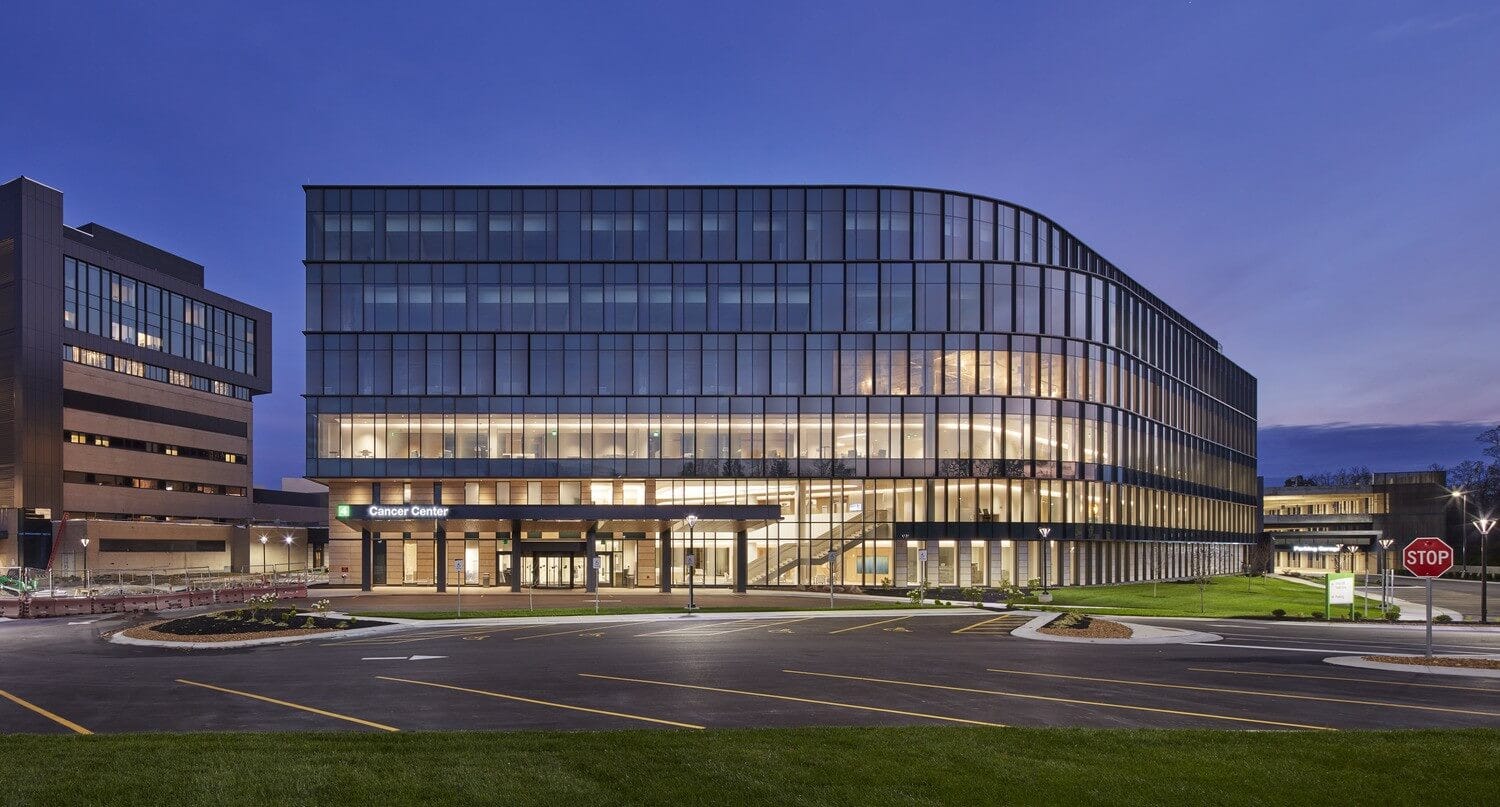
Most cancer care in the U.S. happens across a few types of centers, and each plays an important role.
Most patients receive care at community cancer centers, which are local hospitals or oncology practices. This is where treatments like chemotherapy, immunotherapy, and routine follow-up care happen.
People often underestimate how capable these centers are. Many community oncologists manage common cancers every day and do it very well. They tend to act quickly when something changes. Follow-up is often easier because everything is local.
A practical example:
If someone is diagnosed with early-stage breast cancer or colon cancer with a clear treatment plan, I would feel comfortable starting care in a strong community center. In many cases, I would keep care there, especially if the team communicates well.
Academic or university cancer centers are typically affiliated with a medical school. Physicians in these centers often focus on a narrower group of cancers.
In practice, that leads to more subspecialization and more collaboration across disciplines. A case may be reviewed by surgery, radiation oncology, pathology, and radiology. There is also a closer connection to research, which can open additional options when decisions are less clear.
If a case has an unusual presentation or the plan is not obvious, I would often get additional input from an academic center. That does not always mean transferring care. It can be a way to make sure the plan holds up when reviewed by a specialist in a specific cancer.
Large or high-volume cancer centers are often regional or national referral centers. These places see a high number of patients with specific cancers, including rare or complex ones.
Experience can become important in certain diseases. In cancers like sarcoma, complex GI tumors, or certain leukemias, familiarity with similar cases can influence decisions. It can also affect access to specialized treatments such as CAR-T therapy or bone marrow transplant.
If someone has sarcoma, I would almost always get an opinion from a center that sees a lot of it. That does not mean all care has to move there, but I would want that level of experience involved early.
There is one more layer that can be helpful, especially when comparing centers.
You may come across the term NCI-designated cancer center. This comes from the National Cancer Institute, part of the NIH. These centers go through a formal review process and are recognized for the strength of their research programs.
Some are designated as Comprehensive Cancer Centers. These meet additional criteria and tend to have broader clinical trial programs.
For patients, that often translates into:
Access to a wider range of clinical trials
Physicians who focus on specific cancer types
Collaboration across specialties
That said, this designation does not automatically mean better care in every situation.
For many common cancers with established treatment plans, a strong community center can deliver excellent care. The difference is often not the treatment itself. It tends to show up in how care is organized.
Geography plays a bigger role than people expect.
If you live in a city like New York, Boston, or Chicago, you may have several academic centers nearby. Getting more than one opinion is relatively easy.
If you live in a more rural area, the nearest tertiary center may be hours away. That changes what is realistic.
In those situations, a hybrid model often works well:
Initial consultation at a larger center
Ongoing treatment closer to home
That brings up the second part of the question.
How do you know if you’ve found the right oncologist?
This is where things become more personal.
Even within the same system, two oncologists can approach the same case very differently. Training and experience are important, but so are communication, judgment, and how they involve you in decisions.
A few practical ways to approach this early:
Ask trusted healthcare professionals who they would recommend for a family member
This is often the quickest way to find a strong option. Clinicians usually think about judgment as well as credentials when answering that question.Look at physician bios or short videos
Many centers include short clips or written bios. You can often get a sense of how someone explains things and how they think.Pay attention to how you feel after the first visit
Did you feel heard? Did you leave with a clearer understanding? You do not need to understand everything, but you should feel that someone is helping you make sense of it.
There are also a few additional signals that can help:
How do they handle uncertainty?
When things are less clear, do they walk you through options, or do they give one answer without much explanation?Openness to another opinion
If you ask about a second opinion, you should feel supported. Good oncologists are comfortable with collaboration.
It is also worth remembering that you are allowed to choose.
Sometimes the first oncologist you meet is simply the one who had availability or was on service that week. That is how the system works. It does not mean that is your only option.
If you want to see someone else, you can:
Ask to schedule with a different physician
Ask your current oncologist for recommendations
Reach out to another center for a second opinion
Most patients don’t know if their situation is straightforward or more complex. That is not something you are expected to figure out on your own.
Instead of trying to categorize your case, I would focus on a few simple questions:
“Is this a standard situation, or is there anything about this that makes it more complicated?”
“Do you see this type of cancer often?”
“Would you get another opinion if this were your family member?”
“Are there other options or clinical trials we should be thinking about early?”
Those questions will usually give you a clear sense of whether it makes sense to involve another center.
Another piece that comes up more often now is integrative care.
Many centers place more emphasis on areas like nutrition, exercise, and symptom management.
If this is important to you, it is worth asking:
“Do you offer integrative oncology support?”
“Is there someone here who focuses on that?”
Not every practice approaches this the same way.
That first step is about getting connected and getting information. From there, decisions can evolve.
You are not locked into where you start.
If something does not feel right, whether it is the setting or the plan, it is reasonable to get another perspective.
Most oncologists understand this. We would approach it the same way for our own families.
I understand that going through this as a patient feels very different. There is a strong pull to get every decision right because it feels like such a high-stakes moment.
In most cases, there is more than one reasonable path forward.
The goal is to start in a good place, ask thoughtful questions, and build a plan with a team you trust.
10 Questions Worth Asking Your Oncologist
·
Jan 8
Cancer visits move pretty fast. There’s a lot of information, unfamiliar language, and big decisions being discussed at a time when people are still trying to process the fact that they have cancer at all.
Letter to My New Cancer Patients:
·
April 27, 2025

"To most physicians, my illness is a routine incident in their rounds. To me, it’s the crisis of my life. I would feel better if I had a doctor who at least perceived this incongruity."
Comments
Nothing yet. Say the first thing.
Sign in to join the conversation.