
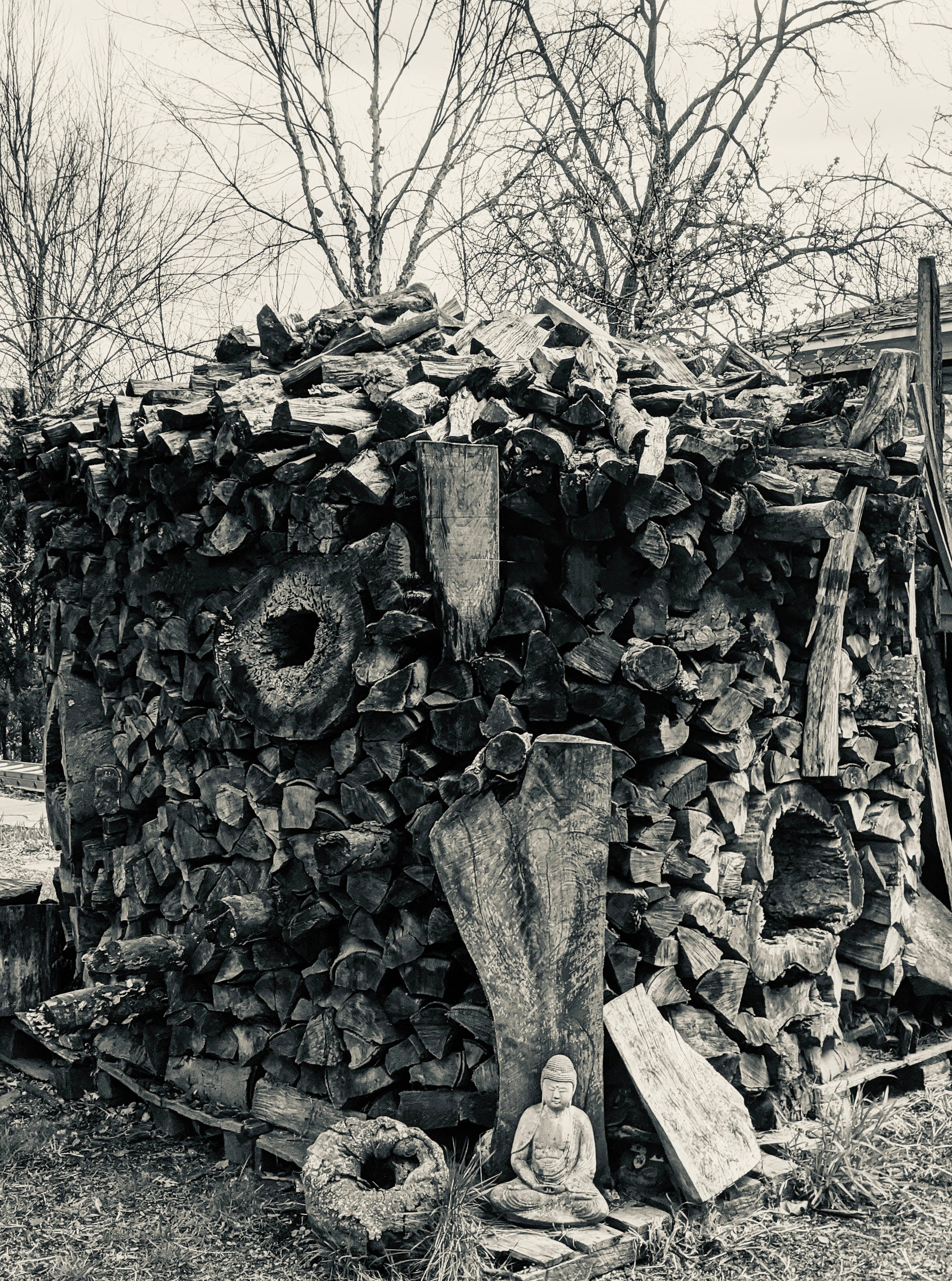
As the winter solstice approaches, I’ve been sitting with what winter asks of us, and what it doesn’t.
I’m arriving after a full fall of teaching…weeks in silence, a month at Forest Refuge, day-longs, a mettā retreat, and some practice meetings and conversations with some of you along the way. Now, like many of you, I’m bowing to winter.
This is a letter to those just coming off retreat, and to those who’ve never been on one. To anyone moving through winter inside and out.
It’s about the two kinds of time we live inside, the quiet work that happens underground, and what it means to trust the turning, even when nothing looks like it’s changing yet.
Winter solstice is that turning point in the year when darkness reaches its depth.
The longest night. And then, quietly, the turn.
Winter isn’t a mistake.
It’s not a verdict on your life, or a sign that you’ve failed some invisible test.
It’s a season, and seasons move on their own timetable.
Sometimes winter is already here inside us. Practice doesn’t ask us to fix the seasons. It asks us to notice what’s true.
We live inside cycles: joy and sorrow, energy and exhaustion, grief and relief. Light recedes. Light returns. Not as a victory, just as a fact. The solstice offers honesty, not pep talks. The year turns, whether we applaud it or not.
When the Buddha looked at the world, he didn’t see neutral ground. He saw what we still see: hearts pulled and pushed by wanting and not wanting, fear and grasping, confusion cosplaying as certainty. There’s an early teaching where he says, quite directly, that the senses burn, not to frighten us, but to tell the truth.
Most of us don’t need to look far to feel that heat. We carry it internally now…tightness in the chest, urgency in the mind, the sense that something needs to be resolved right now. If we don’t train the heart, that pressure becomes the weather system inside us.
Practice isn’t about finding a cooler corner of the world. It’s about becoming a cooler vessel within it. Steady enough to meet heat without catching fire.
The solstice, in its quiet way, asks a single question: can you trust the turning, even when you can’t feel it yet?
Because the turning doesn’t announce itself. It doesn’t send a notification. It happens by minutes and fractions, By small shifts you only recognize later.
That’s hard for the modern mind, which wants proof.
A dashboard. A progress bar. A receipt.
But the heart, when it’s cared for, can learn a different kind of trust.
Again and again, I’ve heard the same exhaustion; not from feeling too much, but from carrying the sorrow of witnessing suffering that isn’t accidental, and still choosing not to turn away.
There are two kinds of time we live inside: the time of minutes, and the time of seasons.
Minutes feel urgent. Seasons don’t. Seasons work underground.
I learned that once living near a small orchard in Northern California; nothing manicured, just a few rows of trees with bare branches darkened by winter rain. Every morning an old man walked among them. Same unhurried steps. No tools. Just presence.
I asked him once if he worried about the trees.
He looked at me for a long moment and said, “Winter ain’t the problem.” Then, after a long pause: “This is when the roots drink.”
He lifted his hands to his mouth, as if drinking from an invisible cup.
Many months later, the orchard bloomed. Quietly. As if nothing extraordinary had happened. And that’s when it landed and became clear: nothing had been wrong during the waiting. Nothing had been failing to arrive. What looked like stillness was something being tended. Preparation happening underground, on a schedule that didn’t consult my impatience.
There are seasons in us, like that. Times when the heart feels bare. Practice feels distant or quiet. Nothing reassuring shows up on the surface. If we don’t understand this, we start panicking, fixing, forcing light where none is meant to grow yet.
Not all of life announces itself. Some things ripen in noble silence.
I felt that again recently, standing in my kitchen with my phone in my hand. I’d typed a message to someone. We’re not close right now. The message wasn’t long. Just honest. Simple. I adjusted word after word.
And I didn’t send it, not because it wasn’t kind, but because I could feel what was underneath: hope, fear, the ache of wanting to be met.
Sometimes it’s not wisdom that stops us.
Sometimes it’s tenderness.
At some point, something softened. Not the situation. I noticed my breath, my bare feet on the hardwood floor. The hum of the refrigerator. And I realized this moment didn’t need a future yet.
The suffering wasn’t in whether the message was sent. It was in how far ahead my heart had already gone.
Sometimes practice looks like letting the message rest; not because we don’t care, but because we’re done living one step ahead of our lives.
The heart can learn to meet heat without burning up. It can learn to meet cold without freezing. It can learn the wisdom of seasons…when to endure, when to soften, when to wait.
The solstice reminds us of something ancient: one season bows to the next. Not with announcements. Not all at once. Just steadily, by small, faithful increments.
This is how change actually happens.
And this is how we move too…at the speed of trust.
So tonight, let one small thing be enough: one honest breath, one softened grip, one moment you don’t rush ahead of your own life.
That quiet easing, however brief, is the peace these teachings point toward. Not somewhere else.
Right here.
In the middle of this life.
Devin
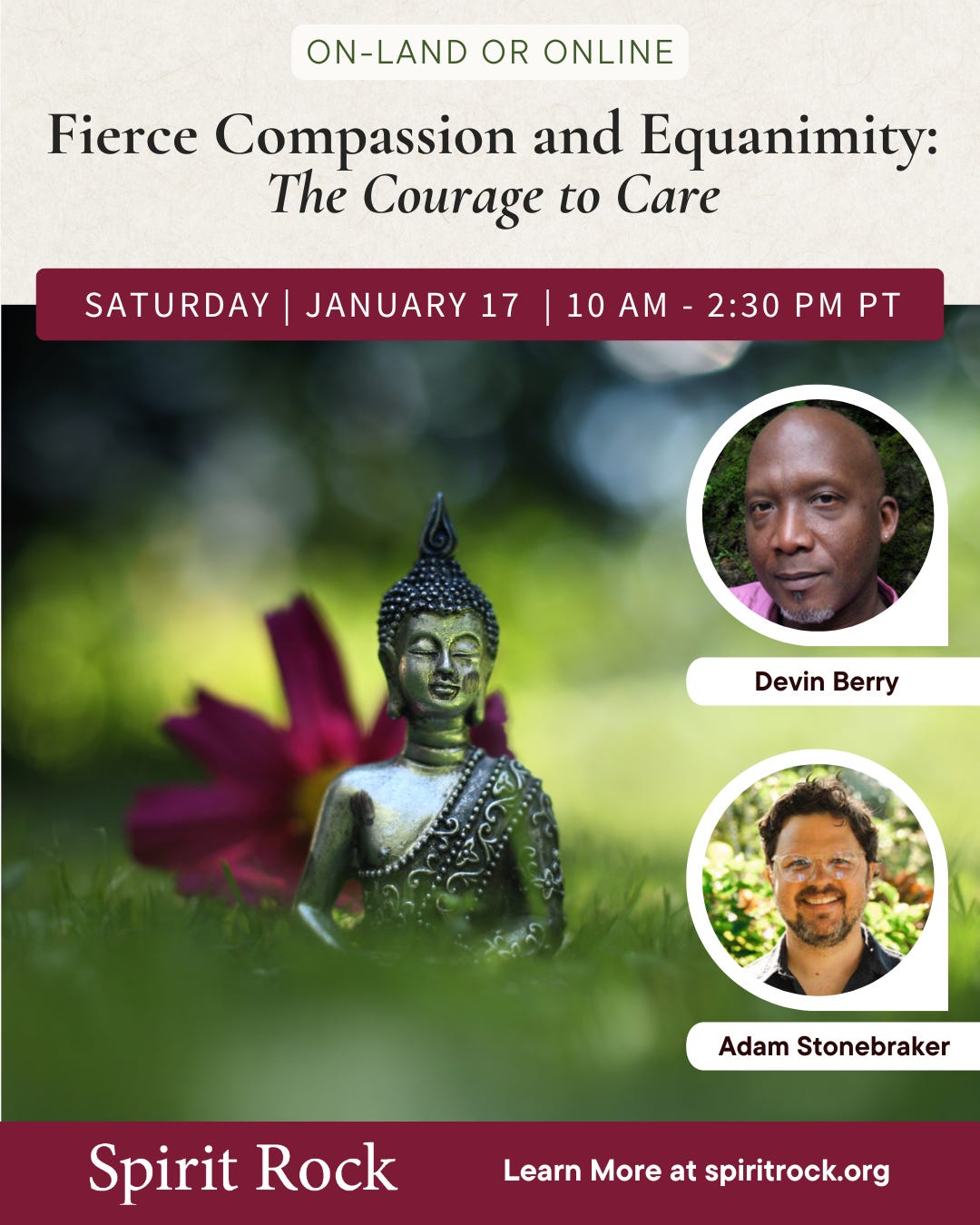
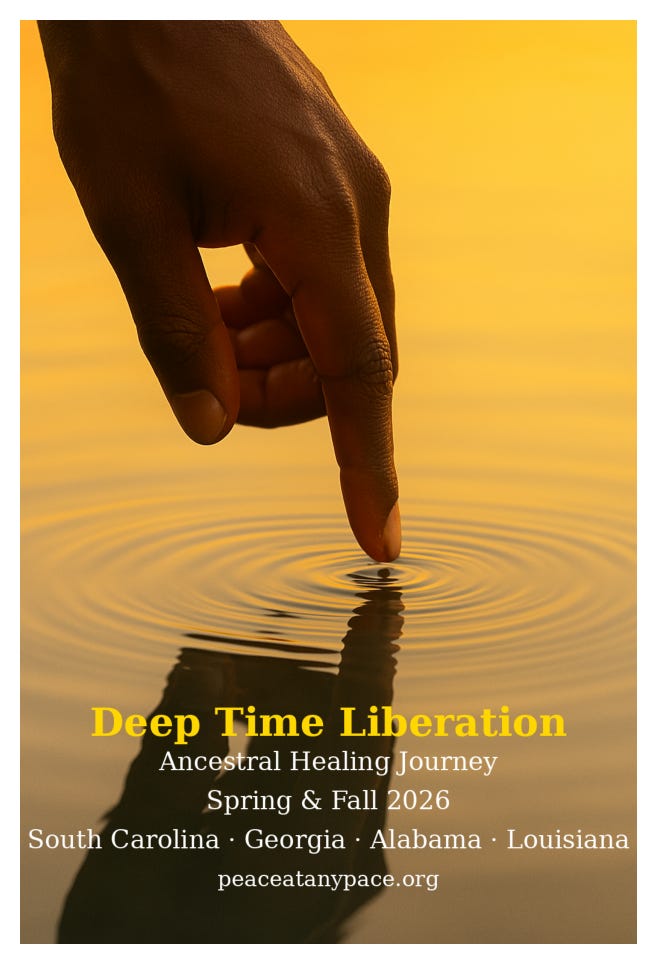
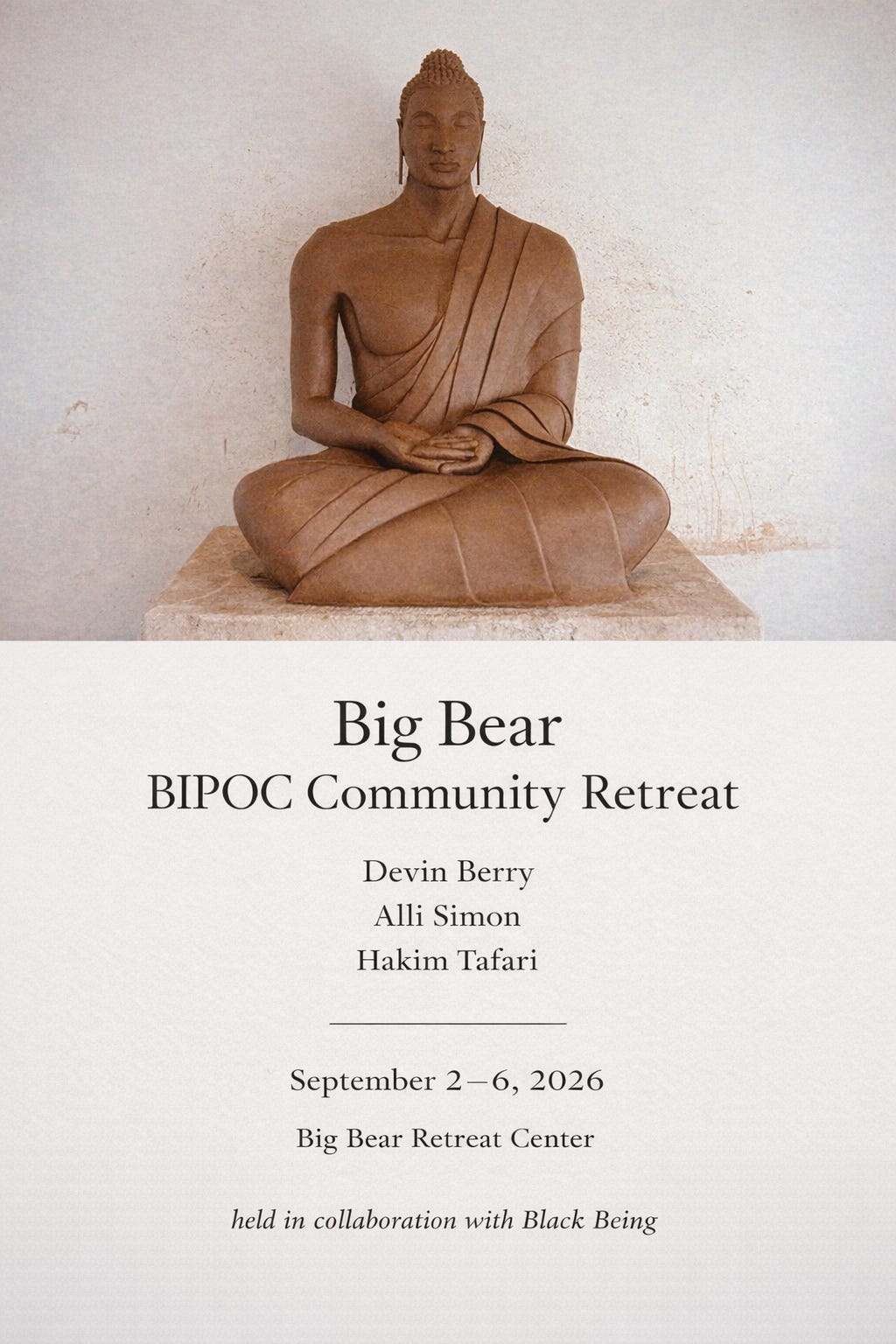
Here are a few upcoming offerings—places to practice what this essay points toward: slowing down, listening closely, and learning to live at the speed of trust.



Comments
Nothing yet. Say the first thing.
Sign in to join the conversation.