
The other day, I found myself rummaging around the wine fridge looking for a bottle to suit a mood that fell somewhere between “tantalise my taste buds” and “for God’s sake, just open the bottle and pour me one!”
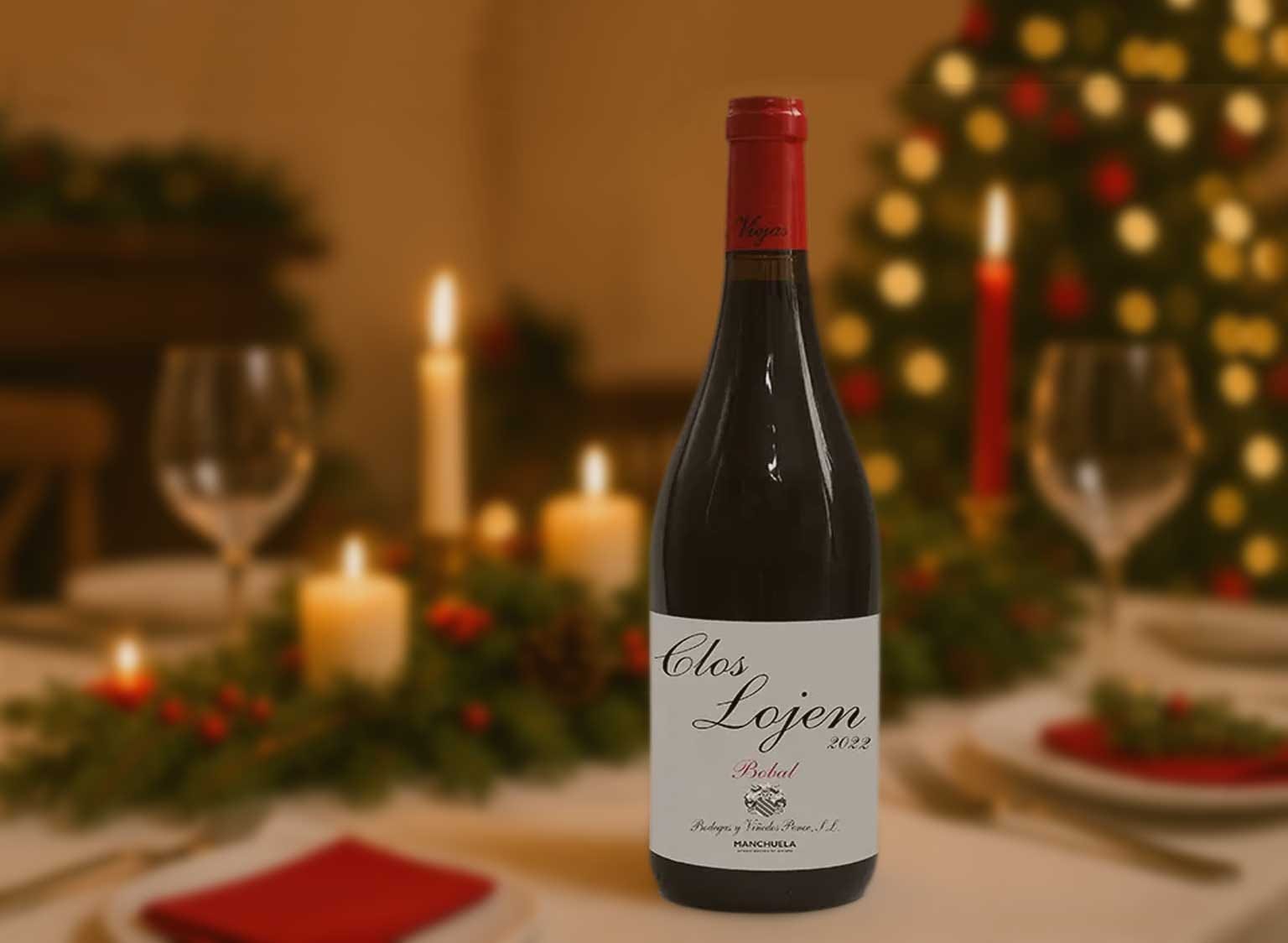
And as luck would have it, I found the perfect answer: Clos Lojen, a 100% Bobal from Manchuela.
One glass later, and I knew I had an article on my hands - because this unassuming bottle is one of the easiest, most joyful everyday reds you can drink. And because Bobal, once the most overlooked of Spain’s big grapes, is finally having the moment it deserves.
Bobal has long been one of the great workhorses of Spanish wine. Thick-skinned, dark as ink, and impressively hardy, it shrugs off drought, mildew, and the kind of relentless Mediterranean heat that sends other grapes scurrying for shade. It’s no surprise growers love it, especially in regions where water scarcity is an ever-present concern.
But for decades the grape’s toughness meant it was mostly used in unglamorous ways: bulk wine, export blends, and big, burly reds whose job was more about adding colour and structure than elegance or nuance. Throughout the late nineteenth and much of the twentieth century, France happily snapped it up for exactly that purpose. It did the job, and did it well, but it didn’t win the grape many admirers.
Fast forward to today, and things are looking very different. In places like Utiel-Requena, where roughly two-thirds of the vineyard area is planted with Bobal, producers have taken a fresh look at this old grape - literally. High-altitude vineyards between 750 and 900 metres, with scorching daytime heat and sharply cooler nights, have shown just how much freshness and balance Bobal can achieve. Instead of the rustic, heavy wines of the past, modern Bobal is medium-bodied, bright with red-fruit character, and often surprisingly elegant. Raspberry, cherry, violets abound, often tinged with a subtle touch of chocolate.
Manchuela, where Clos Lojen is made, is another region giving Bobal its renaissance moment. Straddling the transition between the harsh Continental interior and the breezier Mediterranean coast, its vineyards sit on a high plateau carved by the Júcar and Cabriel rivers. The altitude ranges from 600 to 1,000 metres, keeping the nights cool, the winds fresh, which help to keep the vines naturally healthy. It’s no coincidence that organic farming is so prevalent here: the climate gives growers a helping hand.
Which brings us neatly on to Bodegas Ponce, the family-run winery behind Clos Lojen. Their story begins, as many of the best wine stories do, with old vines. Decades-old bush-trained Bobal plants, growing in chalky-clay soils flecked with limestone, tended organically by a family with deep roots in the region. The current vineyard owner is Juan Antonio Ponce junior (he and his father share the same name). Junior studied winemaking in Requena as a teenager, then went to work with Spanish wine legend Telmo Rodríguez, before returning home to make wines that capture the soul of Manchuela’s old vines.
With Clos Lojen, he more than succeeds. Made from grapes grown in ten separate parcels of 40–60-year-old vines, the wine is fermented as whole bunches with native yeasts and aged for 6 months in large, French oak vats. Those large vats mean the wine has less direct contact with the wood, resulting in a subtler, fresher, less ‘tannin-y’ finish. It’s a restrained approach that helps allow the wine and the grapes to speak for themselves.
And they certainly have something to say.
Pour this wine into a glass, and you’ll be struck by its vivid purple-red colour, the kind that immediately tells you this grape has serious pigment. On the nose, there’s a touch of earth and something mineral, almost stony, mingling with red and black fruit and a subtle note of chocolate. It smells like the kind of wine you want on a weeknight: inviting, uncomplicated, but with enough character to hold your interest. On the palate, it’s both juicy and refreshing, medium-bodied, with soft tannins and lively acidity that keep everything bright. Ripe cherries, raspberries, a bit of blackberry… and that gentle mineral thread weaving through it all. The finish is medium, clean, and - in my case - was immediately followed by another sip.
And the price? In Spain, you can usually pick up a bottle for under €8 - a frankly ridiculous bargain for an organically farmed, old-vine, characterful red. It’s the sort of wine you could easily make your house red without ever getting bored.
But beyond the wine itself, Clos Lojen also demonstrates just how far Bobal has come. Not long ago, recommending a 100% Bobal wine might have earned you a few raised eyebrows. Now it’s a grape I would actively encourage you to seek out, especially if you like your reds with freshness, versatility, and loads of personality but without the heaviness that some winter wines can bring.
Speaking of seasons, we’re approaching the festive one, and no doubt many of you are starting to think about Christmas wines. If that’s the case, I’d strongly recommend you put Clos Lojen on your shopping list. Splashing out on big, barrel-aged wines to go with turkey and trimmings is all well and good. But not everything happens at the dinner table. And when you do find yourself dealing out the playing cards as the evening draws in or simply lounging by the fire with a turkey sandwich, a drinkable, honest red like Bobal is the perfect companion.
Cheers!
Comments
Nothing yet. Say the first thing.
Sign in to join the conversation.