

Summary: In my experience, most complex problems cannot be solved by simply breaking them down into smaller parts. They require a broader perspective—one that considers relationships, patterns, and long-term effects. Systems thinking offers exactly that. This article reflects on how adopting a systems mindset changed the way I approach problem-solving, helping me move beyond quick fixes toward deeper, more sustainable solutions. By sharing practical steps and real reflections, I aim to make systems thinking more approachable and actionable.
Have you ever tried to fix a problem, only to find that your “solution” made things even messier? You’re not alone. I’ve been there too—staring at a stubborn issue, convinced I’ve found the answer, only for the problem to pop up somewhere else, even stronger.
That’s where systems thinking comes in. Instead of focusing on isolated symptoms, systems thinking invites us to look at the bigger picture—to see how everything connects and influences each other. It’s a game-changer, not just for organisations, but for anyone who wants to solve problems more effectively.
Think of systems thinking as putting on a pair of big-picture glasses. Instead of zeroing in on one small part, you zoom out and ask: “How does this piece fit into the whole?” Every organisation, project, or even personal goal is part of a larger system. Each part affects the others, sometimes in surprising ways.
For example, imagine you’re trying to improve customer satisfaction at work. You could just focus on customer service scripts, but with a systems mindset, you’d also look at product quality, delivery times, staff morale, and even management practices. Suddenly, you see how everything is connected.
Most of us were taught to solve problems by breaking them into smaller pieces and fixing each one separately. That’s called “analytical thinking.” It’s useful, but it can miss the point. Sometimes, the “fix” for one part creates a new problem somewhere else.
Have you ever patched a leak in one place, only to see another one spring up? That’s the downside of ignoring the whole system.
One of the coolest things about systems thinking is recognising feedback loops. These are cycles where an action’s result comes back to affect the original situation—sometimes reinforcing it, sometimes balancing it out.
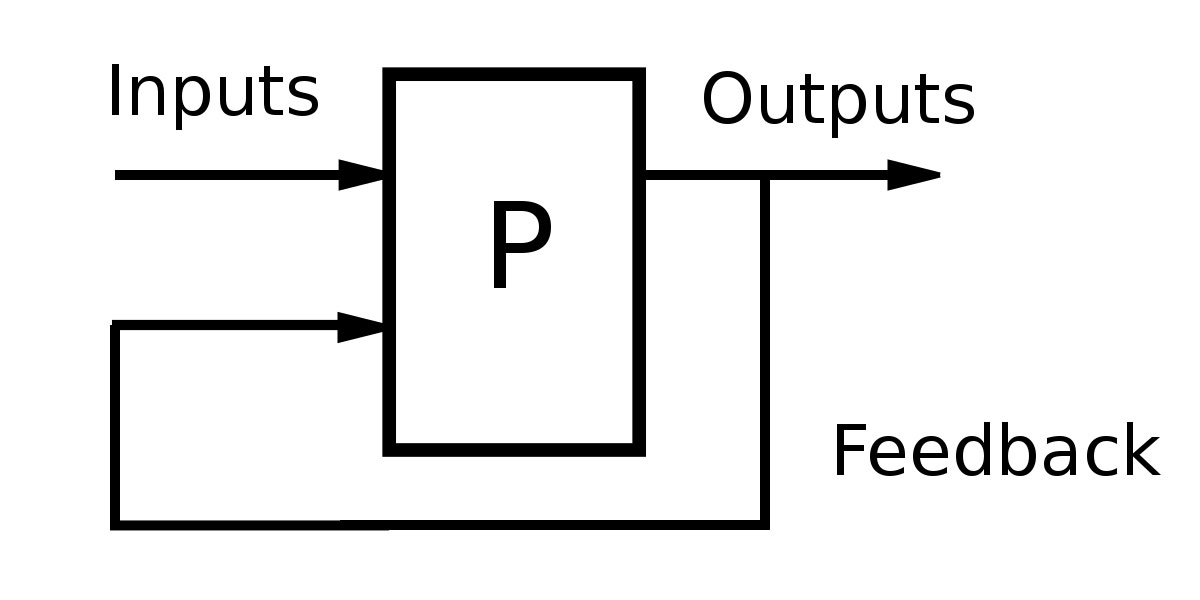
Picture a thermostat in your house. If it gets too cold, the heat turns on (that’s a balancing feedback loop). But if your efforts to motivate a team only create more stress and resistance, you might be caught in a reinforcing loop that makes things worse.
Spotting these loops can help you predict unintended consequences and design smarter solutions (check How to Use the Fishbone Diagram in Root Cause Analysis?).
Ready to give systems thinking a try? Here’s how I approach it:
Define the Problem Clearly
What’s really going on? Try to describe the issue in a way that considers the broader context.Look for Connections
Ask yourself: What other factors are influencing this problem? Who’s involved? What processes or habits might be at play?Map the System
Grab a sheet of paper and sketch out all the elements and how they interact. Don’t worry about making it pretty—just get the relationships down.Identify Feedback Loops
Where does action lead to reaction? Are there cycles that reinforce or balance the situation?Find Leverage Points
These are the spots where a small shift can create a big change. Sometimes, fixing a policy or changing a habit can ripple through the whole system.Test and Learn
Don’t expect to get it perfect the first time. Try out your solution, watch what happens, and adjust your approach as you learn more.
Let’s say your team’s productivity is slipping. The old approach might be to set tighter deadlines or monitor people more closely. But if you apply systems thinking, you might notice that unclear goals, a lack of recognition, or even burnout are at play. Maybe you find that improving communication and offering more support actually boosts productivity far more than just cracking the whip.
Another example, it seems obvious: if pests are damaging crops, use pesticides. Problem solved, right?

But when you look at it systemically, things get more complicated. Pesticides don’t just kill harmful insects—they also eliminate beneficial ones. Over time, this can create an imbalance, leading to new or even worse pest problems.
So the original “solution” actually creates new issues.
A systems thinking approach would look at the ecosystem as a whole—finding ways to maintain balance rather than just eliminating one part of the system.
We live in a world full of complexity. Whether you’re running a business, managing a project, or just trying to make life a little smoother, systems thinking helps you avoid quick fixes and see the real dynamics at play. It’s not always easy, but it helps you create solutions that last.
So next time you’re faced with a tricky problem, take a step back. Ask yourself: How does this fit into the bigger picture? What’s really driving this situation? You might be surprised by what you discover—and how much more effective your solutions become.
What is Systems Thinking? And How to Use the Fifth Discipline to Understand it?
Thinking in Systems: A Primer – A foundational and highly accessible introduction to systems thinking concepts and mental models.
The Fifth Discipline – Focuses on systems thinking within organisations and learning cultures.
(Article image source: Adobe Stock)
Comments
Nothing yet. Say the first thing.
Sign in to join the conversation.