
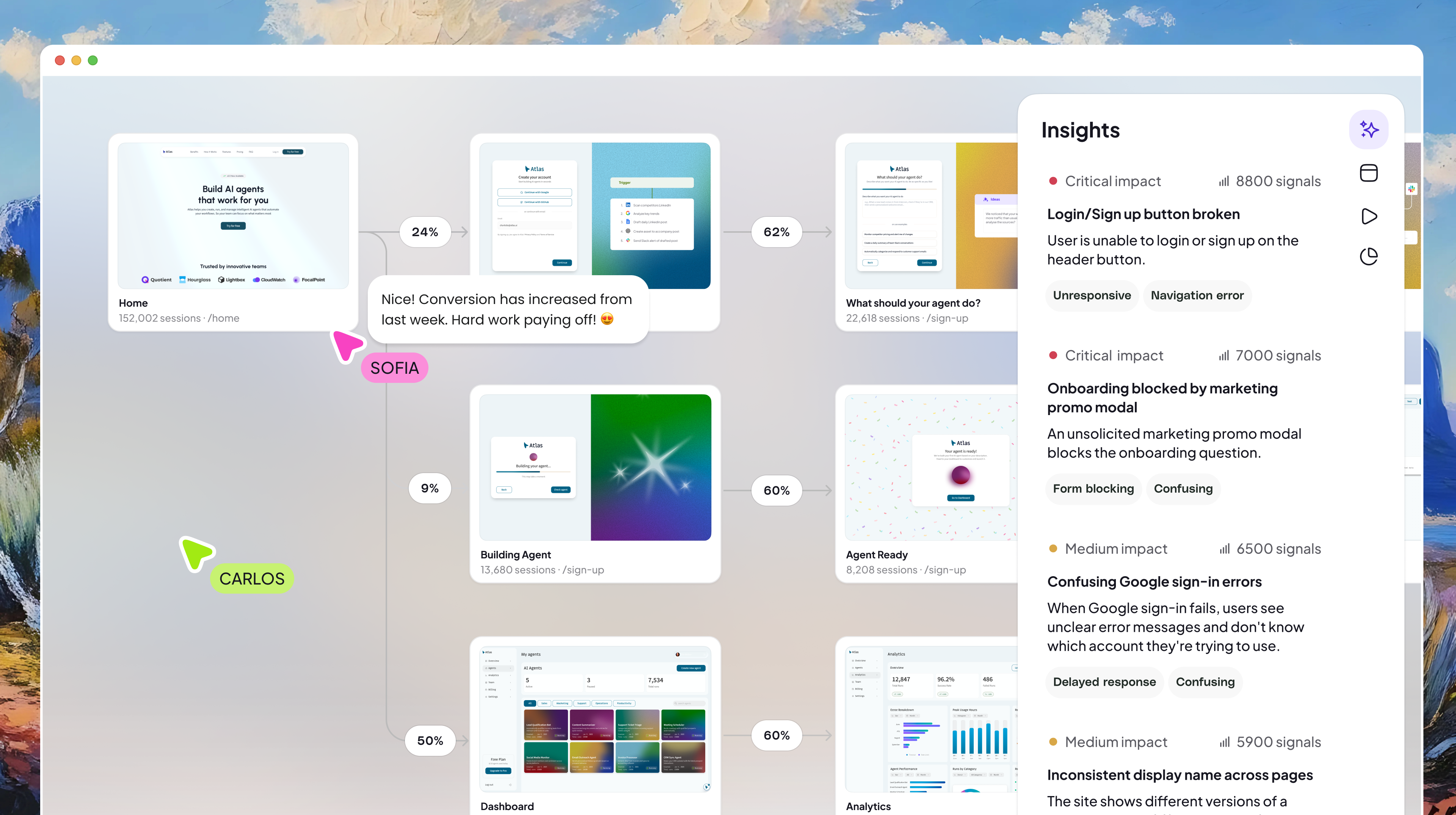
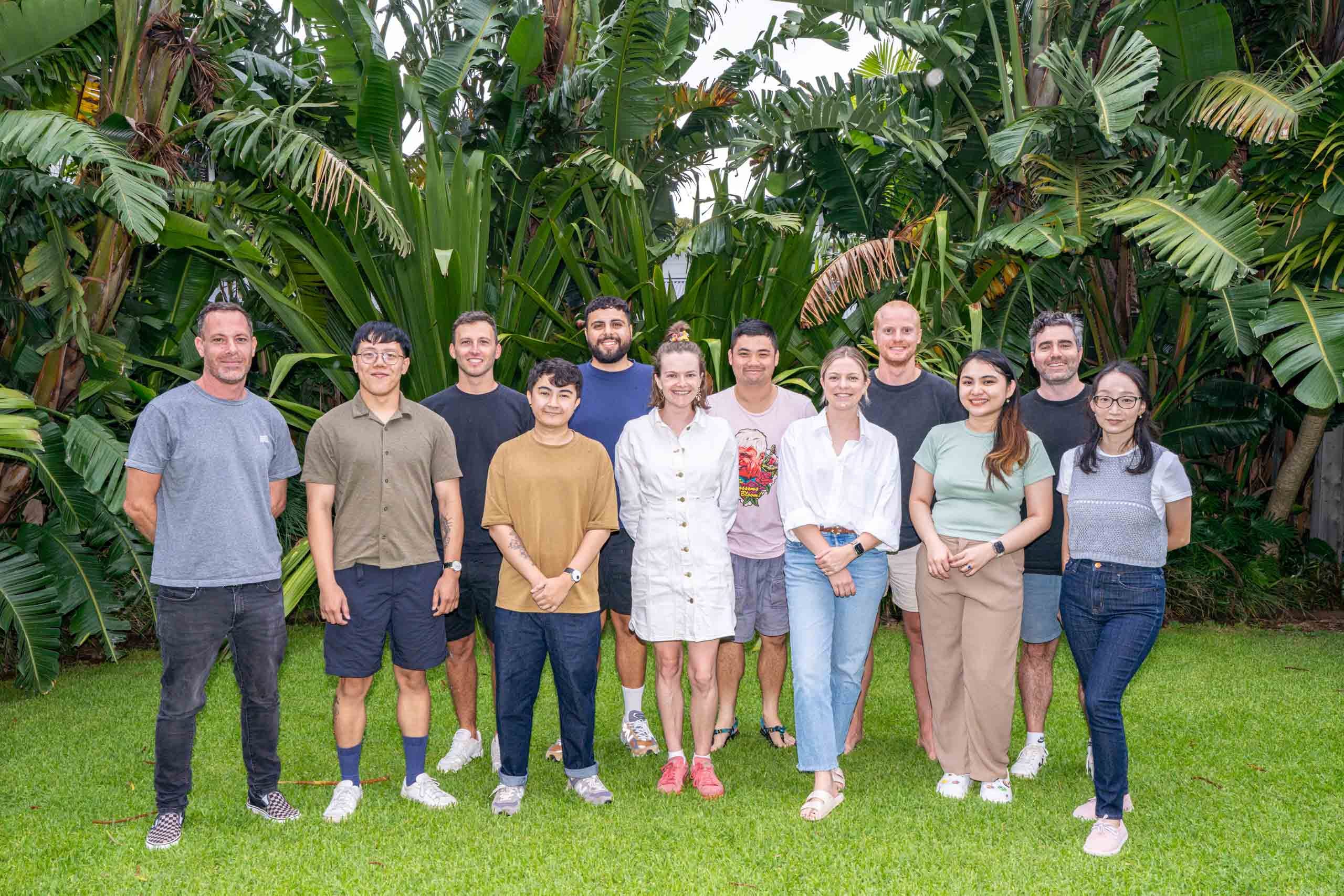
We’re excited to back Adora, which maps end-to-end product experiences directly from production, in real time.
As companies scale, it becomes harder to maintain a shared, accurate picture of what users are experiencing live. Design files show one thing, production shows another, and decisions get made in that gap.
Adora’s co-founder and CEO Omar Salem felt this firsthand running growth at Canva across 100+ languages. His team’s Slack filled with questions no one could answer quickly: What’s the latest onboarding flow? What are users in our fastest-growing markets seeing right now? Beyond inefficiency, this meant the risk of multi-million dollar decisions being made without reliable ground truth.
Adora automatically maps live environments so screens and journeys stay current as teams ship. It flags friction points and broken flows, with session replays attached, so teams can see exactly where and why experiences break down.
As AI makes building easier and faster, understanding the experience people are actually having and making sure you’re building the right things (not all the things) become even more critical. That’s why we believe tools like Adora will become foundational.
Huge congrats to Omar and the Adora team on getting this out into the world. We’re excited for more teams to try it, and to build better products because of it.
Read Ben’s full announcement and try Adora here.
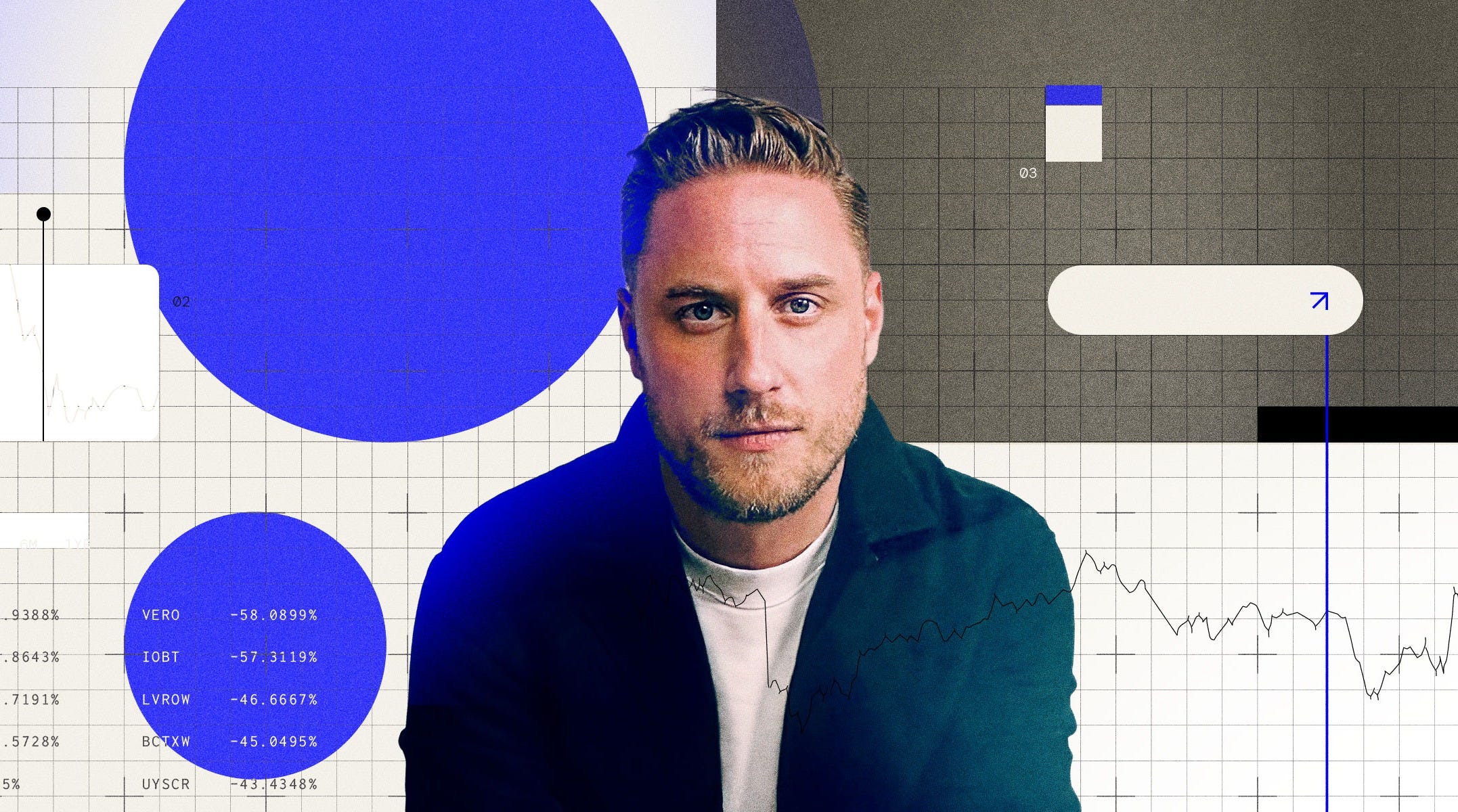
Our latest Designer Founder interview features Leif Abraham, co-founder of Public, one of the fastest-growing brokerage platforms in the U.S.
After selling his previous company and years spent at design agencies, Leif helped scale Public from its roots in democratizing investing to a multi-asset platform serving millions across stocks, Treasury accounts, bonds, alternatives, and even AI-generated assets.
He walked us through what agency work taught him about building companies, why retention rooted in emotion outlasts feature-driven growth, and how Public thinks about its next chapter.
A few takeaways from our conversation:
The “next feature” trap – Most teams believe the next big release will unlock durable growth. It rarely does. Leif focuses on “emotional retention” instead, designing a product people don’t just use, but genuinely defend.
UX over UI – Sometimes the right move is making your product “less pretty.” Public deliberately shifted from lightweight to dense interfaces when they realized their best customers valued depth and reliability over visual simplicity.
The dinner table test – A simple filter for any founder: Would you genuinely want to sit at a dinner table with your customers and enjoy the conversation? If you don’t like the people you’re building for, the long game becomes much harder.
Leif Abraham on Public's long game
Here’s what our team is talking about these days, on Slack and beyond:
Ben sat down with Delphi to talk about Facebook’s early days, starting Designer Fund after recognizing Silicon Valley’s design gap, and how he’s built a career in spotting billion-dollar companies before anyone else.
Design hiring is up - not despite AI, but because of it. Figma’s latest study found 47% of hiring managers say demand for designers has increased, with our own portfolio data showing design job postings up 60% in 2025. The catch: 73% now require AI tool proficiency, and companies are prioritizing senior talent who can hit the ground running. Core skills like visual polish and systems thinking remain critical, but the bar for what “qualified” means keeps rising.
Design education deserves better. A look back at how design schools came to be, and what needs to change for today’s software-driven world.
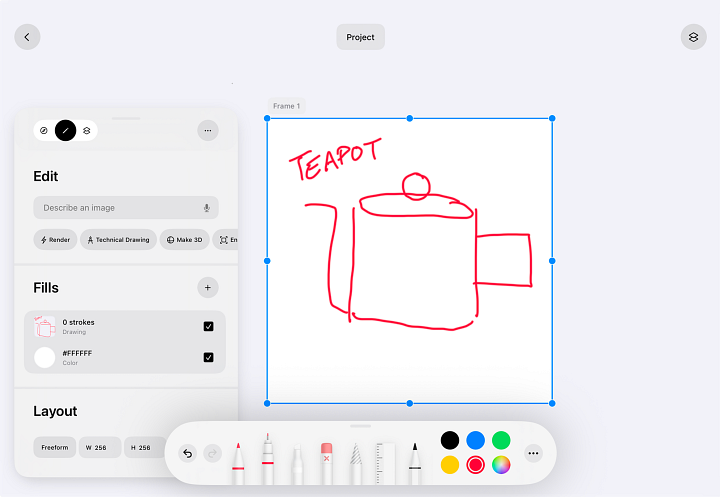
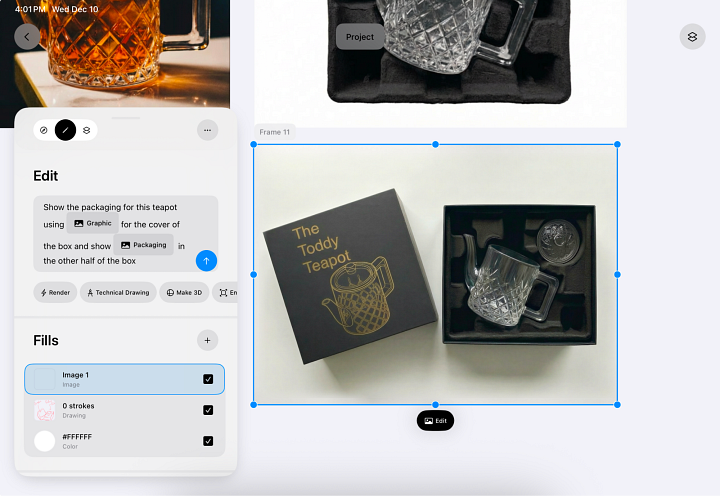
OpenStudio’s founding designer Takashi Wickes designed a teapot end-to-end in a single day. By combining AI rendering with core design tools, the platform lets designers move from concept to packaging without tool-hopping.
West Co. launched Tangle, a purpose discovery tool that uses AI to help users define life purposes and build supportive communities. Founded by Evan Sharp (Pinterest) and Biz Stone (Twitter), the company raised $29M in seed funding with an unusual approach: hiring a former head of the Unitarian Universalist church to help shape a product centered on meaning rather than engagement metrics.
Physical Intelligence raised over $1 billion at a $5.6 billion valuation to build general-purpose robotic foundation models. The company trains robots on tasks like folding clothes and peeling vegetables, developing models that transfer knowledge across different hardware platforms while prioritizing research over near-term commercialization.
Reflow launched as an intelligence platform for enterprise operations, raising $15M+ in seed funding. The platform analyzes how operational teams spend their time and surfaces areas for improvement - without requiring integrations, time tracking, or consultant-led implementations.
Netlify reached 10 million developers on its platform and marked the milestone with Netlify Capsules, an interactive experience builders can deploy and share.
August Health introduced August Intelligence, embedding AI throughout its senior living platform to surface relevant information for care teams.
Standout design roles from across our portfolio:
Product Designer at August Health (Remote)
Founding Designer at Pathos (San Francisco, CA)
Marketing Designer at Ambrook (Multiple Locations, Remote)
Product Design Manager at Gusto (Multiple Locations; Remote)
Senior Product Designer & Researcher at Netlify (Remote)
Senior UX Writer at DICE (Remote, UK)
Product Designer, Issuing at Stripe (Remote, Canada)
Brand Designer at Stripe (Toronto, Canada)
Technical Design Recruiting Manager at Stripe (San Francisco, CA)
Staff Product Designer at Mixmax (Remote)
Staff Product Designer at Commure (Mountain View, CA)
Senior Product Designer at Chromatic (Remote)
Brand Design Lead at Tracksuit (Sydney, Australia)
UX Research Intern Summer 2026 at Notion (San Francisco, CA)
Explore 1,000+ open roles at Designer Fund portfolio companies on our job board or forward this post to someone who’s looking.
And if you’d like to work with founders and companies where design is central to their success, join our talent network to get on our radar for future opportunities.
For more resources, job openings, and upcoming events, follow Designer Fund on X and LinkedIn. If this was forwarded to you, you can subscribe to get future editions:
No posts
Comments
Nothing yet. Say the first thing.
Sign in to join the conversation.