

By Charles Ross and Peter Geoghegan
Ministerial special advisers have accepted hospitality from companies, trade associations and lobbying firms with a direct interest in government policy on more than 700 occasions since Labour came to power in 2024, a Democracy for Sale investigation has found.
The invitations accepted included lunches and dinners as well as Glastonbury tickets, overnight stays in high-end members’ clubs, and trips to film premieres and awards ceremonies.
Every gift was accepted and declared in line with the rules. But because special advisers are largely outside the UK’s lobbying transparency regime, there is no public record of what was discussed at these events, what access was sought, or – in the case of lobbying firms – which paying clients may have been represented.
Special advisers, or ‘spads’, are among the most influential people in Westminster. They help shape policy, advise ministers on strategy, and control access to them.
Our analysis of almost two years of official hospitality declarations by special advisers found:
Varun Chandra, the prime minister’s chief business, investment and trade adviser and a former global managing partner at strategic advisory firm Hakluyt, accepted more hospitality than any other Spad – 47 paid meals and event invitations with corporates and lobbying firms including Goldman Sachs, OpenAI and FGS Global.
During nine months as Keir Starmer’s communications chief, disgraced peer Matthew Doyle accepted hospitality 26 times, including a ticket to Wimbledon from American Express, a Taylor Swift concert ticket from the Sun‘s editor Victoria Newton and a ticket to the Ultimate Fighting Championship in London.
Lobbying firms entertained special advisers more than 80 times, including repeated lunches and dinners from Global Counsel, the now-defunct firm founded by Peter Mandelson, and Flint Global, whose former chief executive James Purnell has since joined Downing Street as prime minister Andy Burnham’s chief of staff.
YouTube provided two special advisers at the Department for Culture, Media and Sport with overnight accommodation while they were attending the Brit Awards this year. One of the advisers had previously accepted Glastonbury tickets from YouTube. The company faces the prospect of sweeping new restrictions under the government’s proposed social media ban for under-16s.
Google provided hospitality to advisers across Whitehall. YouTube’s parent company organised an “away day with lunch” for nine Treasury spads, hosted a lunch for seven advisers working in Downing Street, and paid for a one-night stay at the luxury Soho Farmhouse for a special adviser in the Department for Science, Innovation and Technology.
The aviation industry regularly hosted transport advisers. Department for Transport spads declared meals with airlines and airports, including ten separate occasions on which they were entertained by Airlines UK, the sector’s main trade association. By contrast, DfT spads registered no hospitality from environmental groups.
Downing Street said robust processes were in place to manage potential conflicts of interest.
Asked about business aide Chandra’s 47 hospitality declarations, a spokesperson said his role was to bring “the best possible insight on business, investment and trade directly to the Prime Minister”, adding that this naturally involved meeting business leaders and hearing different perspectives.
A Department for Culture, Media and Sport spokesperson said: “All declarations have been made in accordance with the rules.” Our findings – which broadly mirror
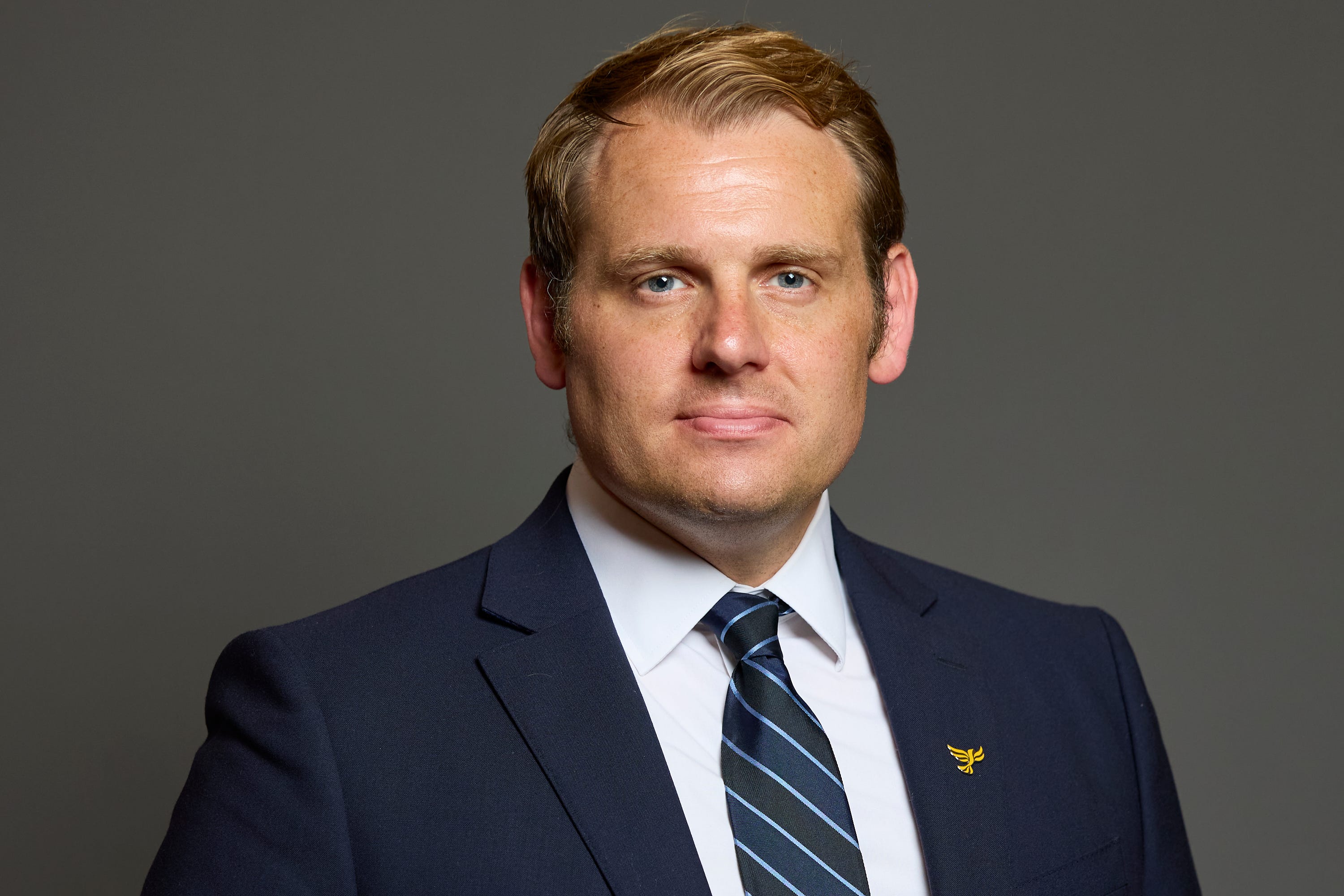
Luke Taylor, a Lib Dem MP who sits on the Public Administration and Constitutional Affairs Committee, told Democracy for Sale that “spads should definitely be brought under the same lobbying rules as Ministers and Permanent Secretaries if we are to rebuild public trust in politics.”
Kamila Kingstone, senior campaign lead at Spotlight on Corruption, told us that spads were a “gateway to their ministers” and should be required to make comprehensive declarations of gifts, hospitality and meetings. “However, just declaring hospitality isn’t enough. There needs to be a ban on special advisers, ministers, and officials accepting hospitality or gifts, except where it is strongly in the public interest,” Kingstone added.
Special advisers have become increasingly influential in recent years. Dominic Cummings, Alastair Campbell, a young Andy Burnham were all spads. The number of spads has almost doubled since 2010, reaching around 155 at an annual cost of £17.9 million by March of this year.
Although formally employed as temporary civil servants, special advisers have often been kept out of transparency requirements and are not subject to Freedom of Information legislation. Whereas ministers have to at least declare in general terms what they discuss with lobbyists, when the same firms provide hospitality to special advisers, the public has no way of knowing from the hospitality declarations which corporate client’s interests were being advanced.
The weakness of the current system was recently highlighted by the Ethics and Integrity Commission, which warned that special advisers exercise “a significant degree of influence over policy development” while remaining outside the lobbying disclosure regime. It recommended extending transparency requirements to contacts with spads “as a matter of priority.”
Yet even this proposal is unlikely to be enough. Special advisers, unlike MPs, don’t have to declare the approximate value of gifts or hospitality, or any meaningful detail. The official descriptions are often so brief as to be almost meaningless – frequently fewer than ten words – making it impossible to distinguish between a working sandwich lunch and dinner at a Michelin-starred restaurant.
The disclosures also arrive months after the events took place. MPs must register gifts within 28 days. Special adviser hospitality appears only in quarterly departmental transparency returns, which are often published around three months after the reporting period ends. Hospitality accepted in January therefore won’t become public until the middle of the summer, potentially long after policy positions have been decided.
None of the information we analysed was secret. But neither was it truly transparent. The disclosures are scattered across dozens of departmental sites, published months apart and often contain little more than a few words describing each event.
Viewed individually, they reveal almost nothing. Taken together, they show a steady stream of hospitality from companies, trade associations and lobbying firms to political advisers who sit closest to power – while the rules provide little visibility into what was discussed, what access was sought or, where a lobbying firm was involved, whose interests were being advanced.
The issue, then, is not whether these advisers broke the rules. They didn’t. It is whether rules that allow the public to see the free lunch but not the lobbying conversation that may surround it can really be called a transparent system.
Democracy for Sale is dedicated to uncovering dark money, cleaning up politics and fighting against secrecy.
If you are a paid supporter, many thanks. If you aren’t, upgrade today. For £50 a year, you can support independent journalism that really makes a difference. And don’t forget, that’ll also get you 50% off our first FOI course.
No posts
Comments
Nothing yet. Say the first thing.
Sign in to join the conversation.