
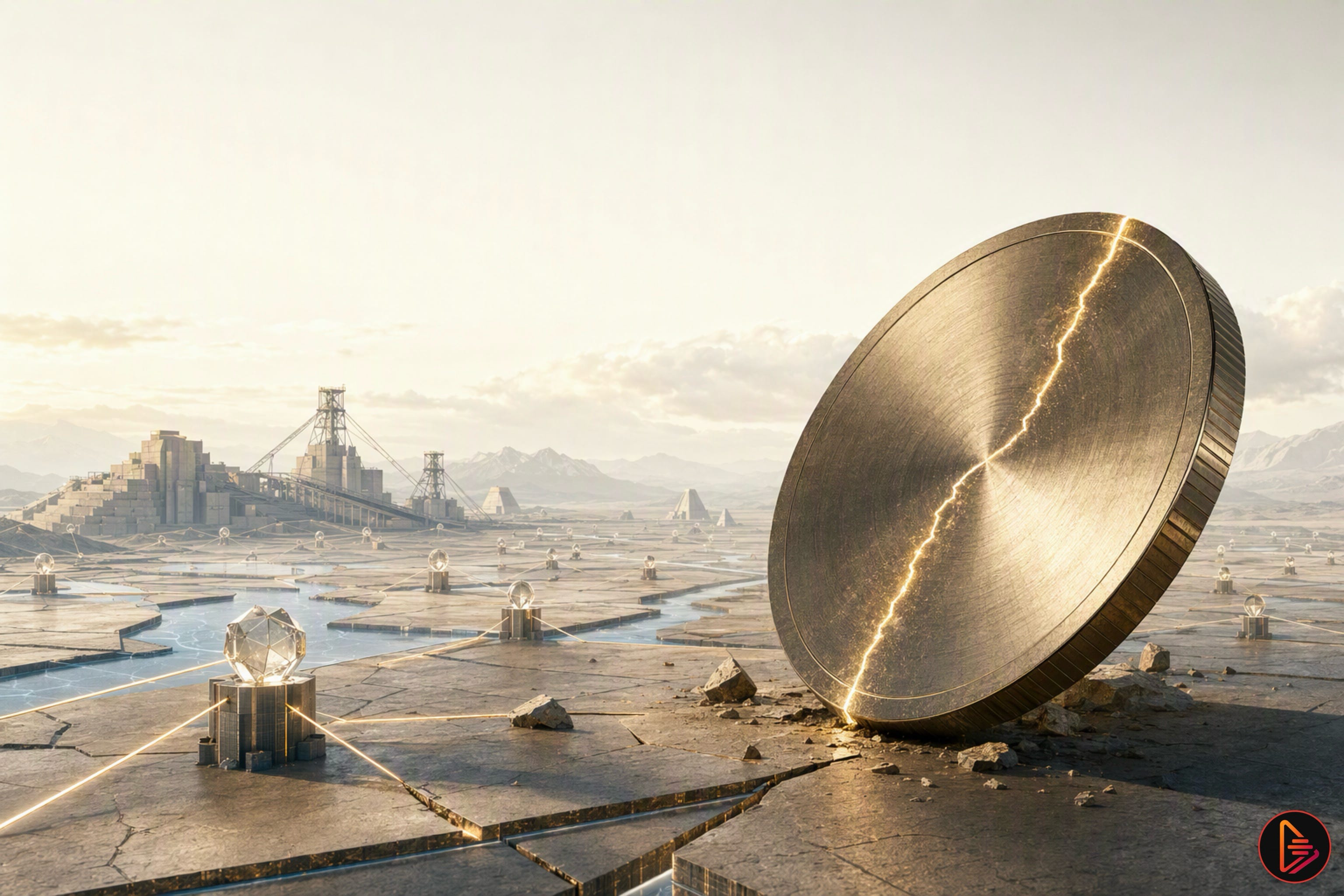
Wall Street models Bitcoin like a corporate balance sheet. They are blind to consensus game theory and thermodynamic feedback loops.
If you evaluate Layer-1 durability using traditional equity metrics, protocol mechanics will liquidate your portfolio.
Legacy ECDSA addresses hold 1.7M to 4M BTC (~$100B–$200B+). Standard quantum migration proposals attempt to freeze un-migrated coins at a fixed block height using flag-day cutoffs.
This creates a fatal incentive inversion:
Reorg Incentive Ratio = Legacy Asset Pool / Annual Global Mining Revenue = ~$200B / ~$20B = ~10x
The un-migrated asset pool is 10 times larger than total annual network security spend. A Quantum-Capable Threat Actor does not need to attack the network alone. They simply offer 51% miner coalitions tens of billions of dollars in transaction fee bribes.
Under a strict flag-day freeze, miners make more money cooperating with the attacker than following the chain: censor post-quantum security proofs, roll back the chain past the freeze height, help break legacy keys, and re-mine forward for the payout.
🔻 A rigid sunset cutoff turns legacy coins into a massive bounty pool for reorgs.
The Consensus Reorg Defense: The exact protocol upgrade required to hard-cap reorganization depth, eliminate the $200B miner bribe incentive, and protect legacy holdings before quantum hardware scales.
The Thermodynamic Valuation Model: The mathematical proof invalidating Wall Street’s $370,000 halving price floor, and the exact clearing mechanism used to price mispriced mining equities during capitulation bottoms.
The Institutional Execution Playbook: The complete portfolio allocation model—including specific public mining stock tickers, zero-knowledge custody frameworks, and target asset weights.
Comments
Nothing yet. Say the first thing.
Sign in to join the conversation.