
The Delta does not change much if at all.
I know that because I am from it.
There are places in America where time announces itself loudly. Skylines rise. Old buildings disappear. Highways swallow roads that once mattered. Farms become subdivisions and shopping centers, and eventually the people who remember what stood there before are gone too.
The Mississippi River Delta is different.
Time passes here, of course. Houses disappear. Stores close. Towns shrink. Crops change with the season and machinery grows larger and more efficient. There are newer trucks on the roads and satellite dishes beside houses that would have once held television antennas. Cell towers rise above fields where telephone lines used to be the tallest thing made by human hands.
But the bones of the place remain.
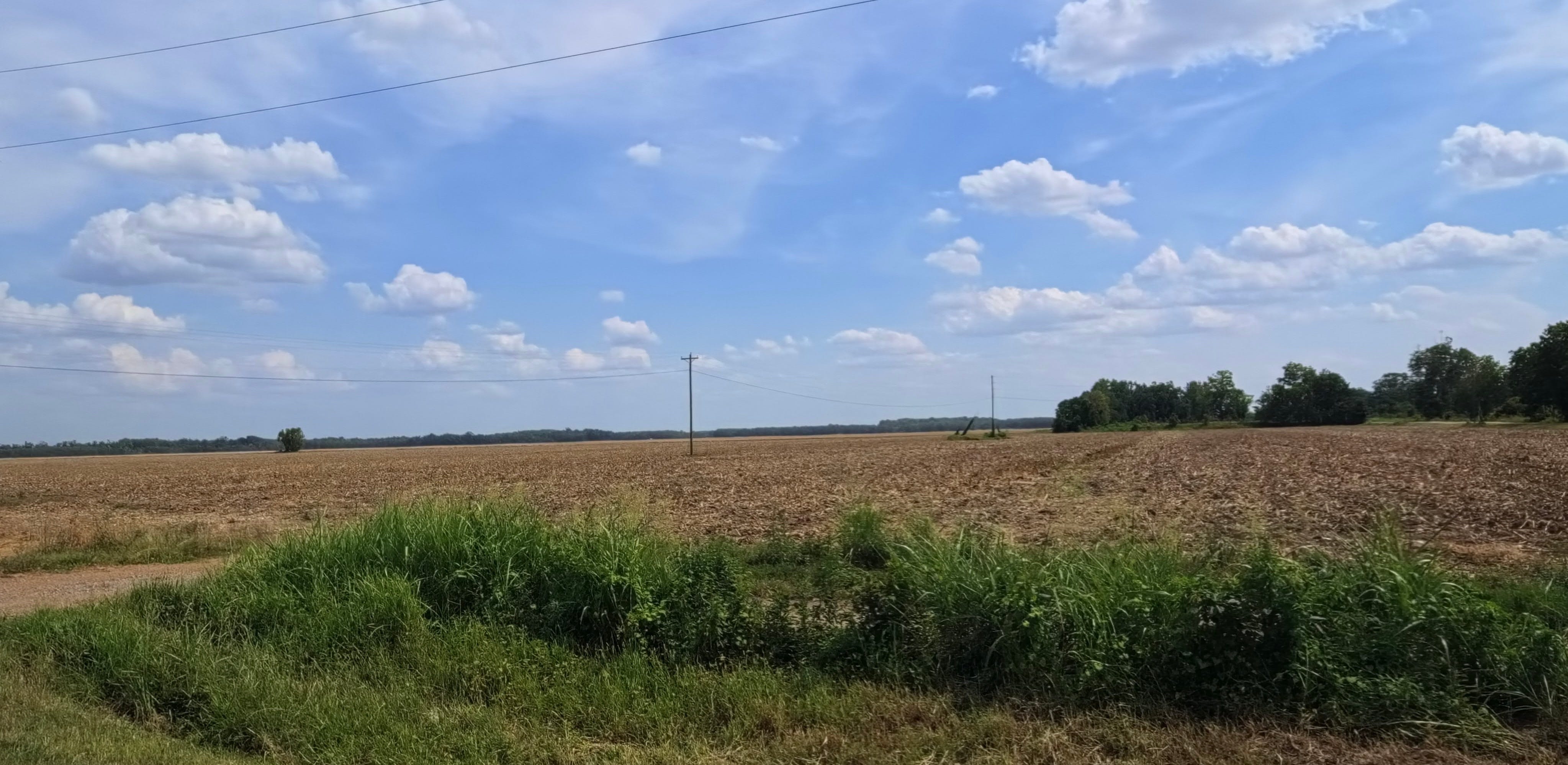
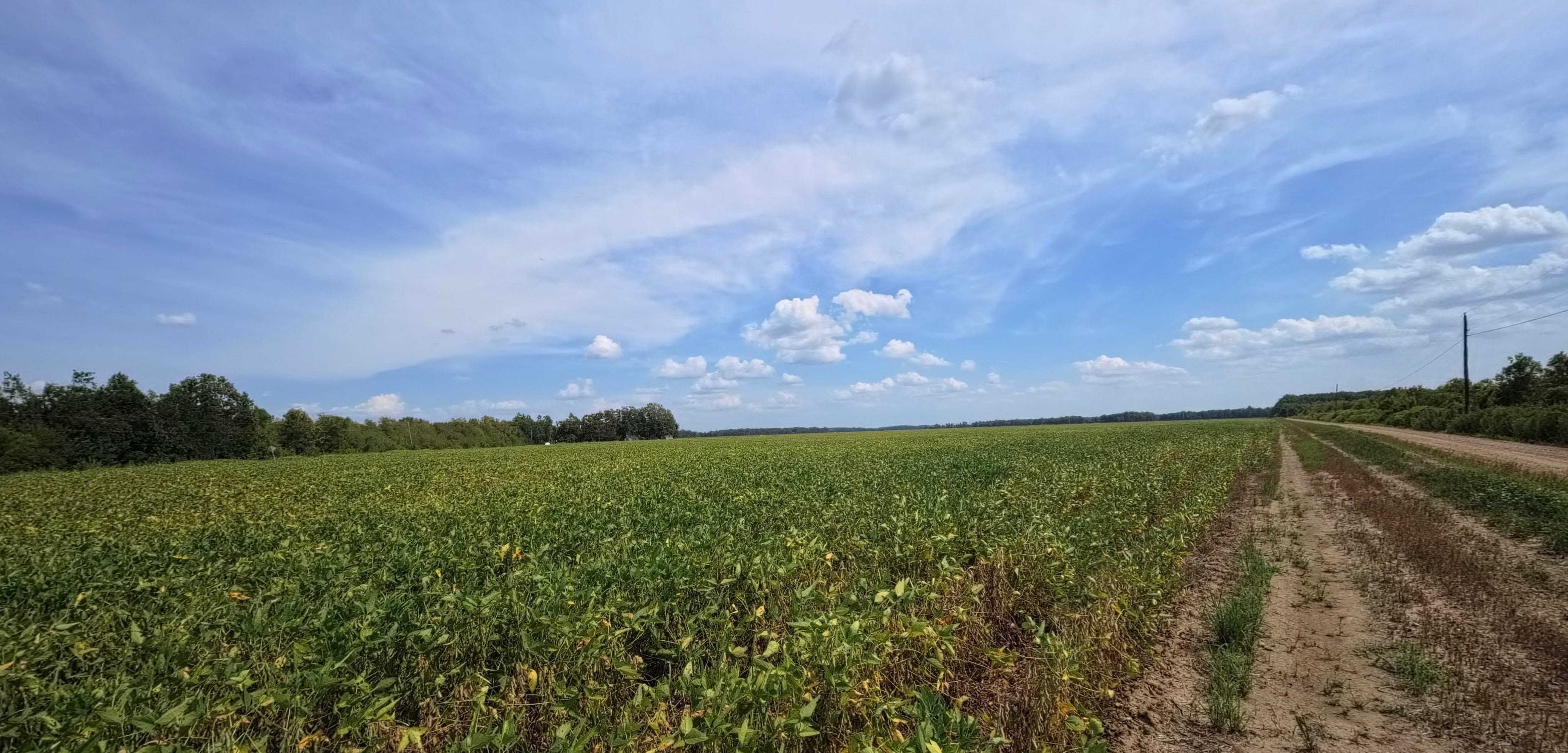
The land is still impossibly flat.
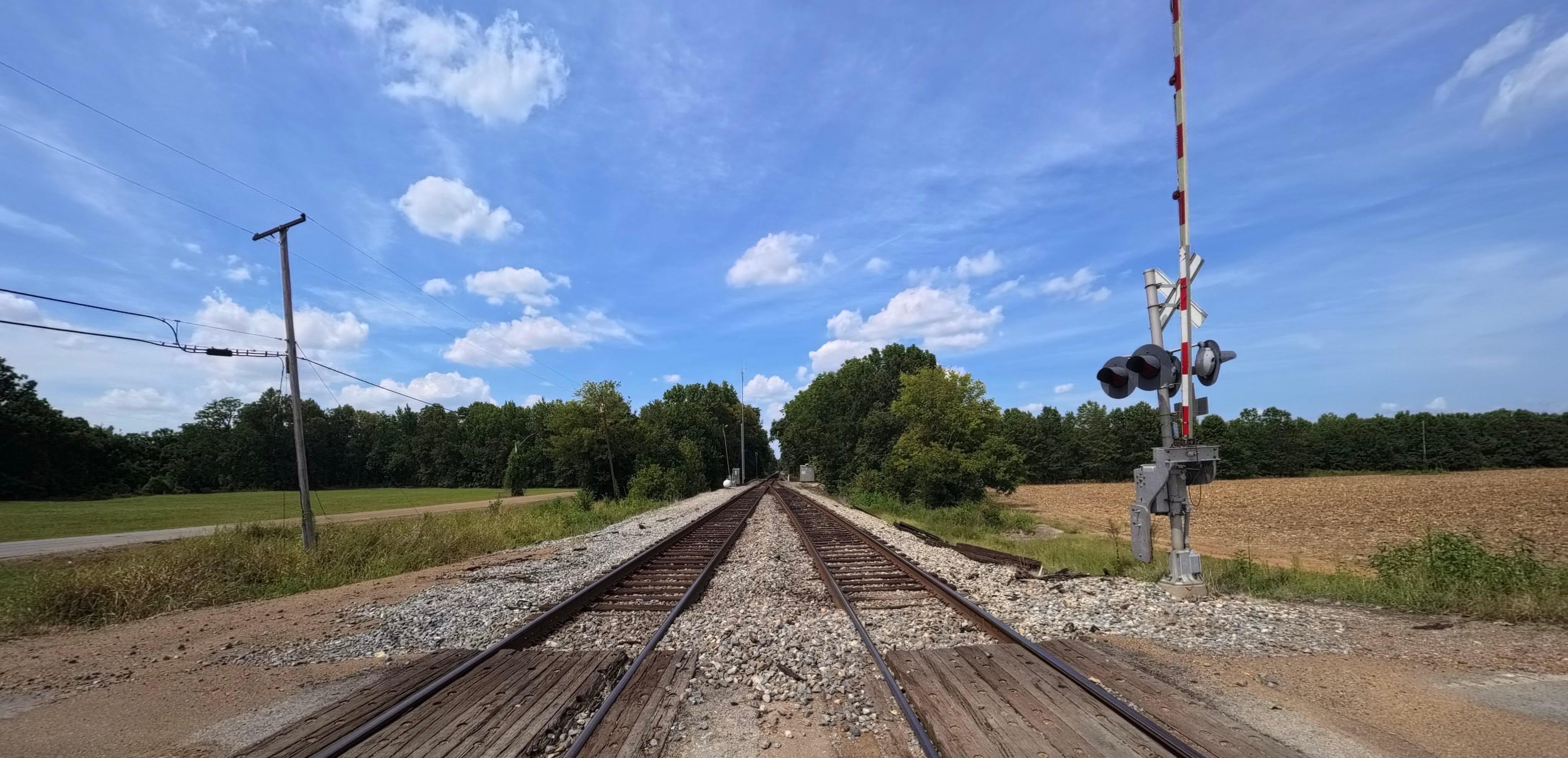
Fields run toward a horizon so distant that the sky seems larger here than it does anywhere else. Cotton and soybeans and corn grow in long, disciplined rows. Drainage ditches follow the roads. Tree lines gather at the edges of fields, dark green in summer, skeletal in winter, marking property lines and creeks and places where the land has decided farming will go no farther.
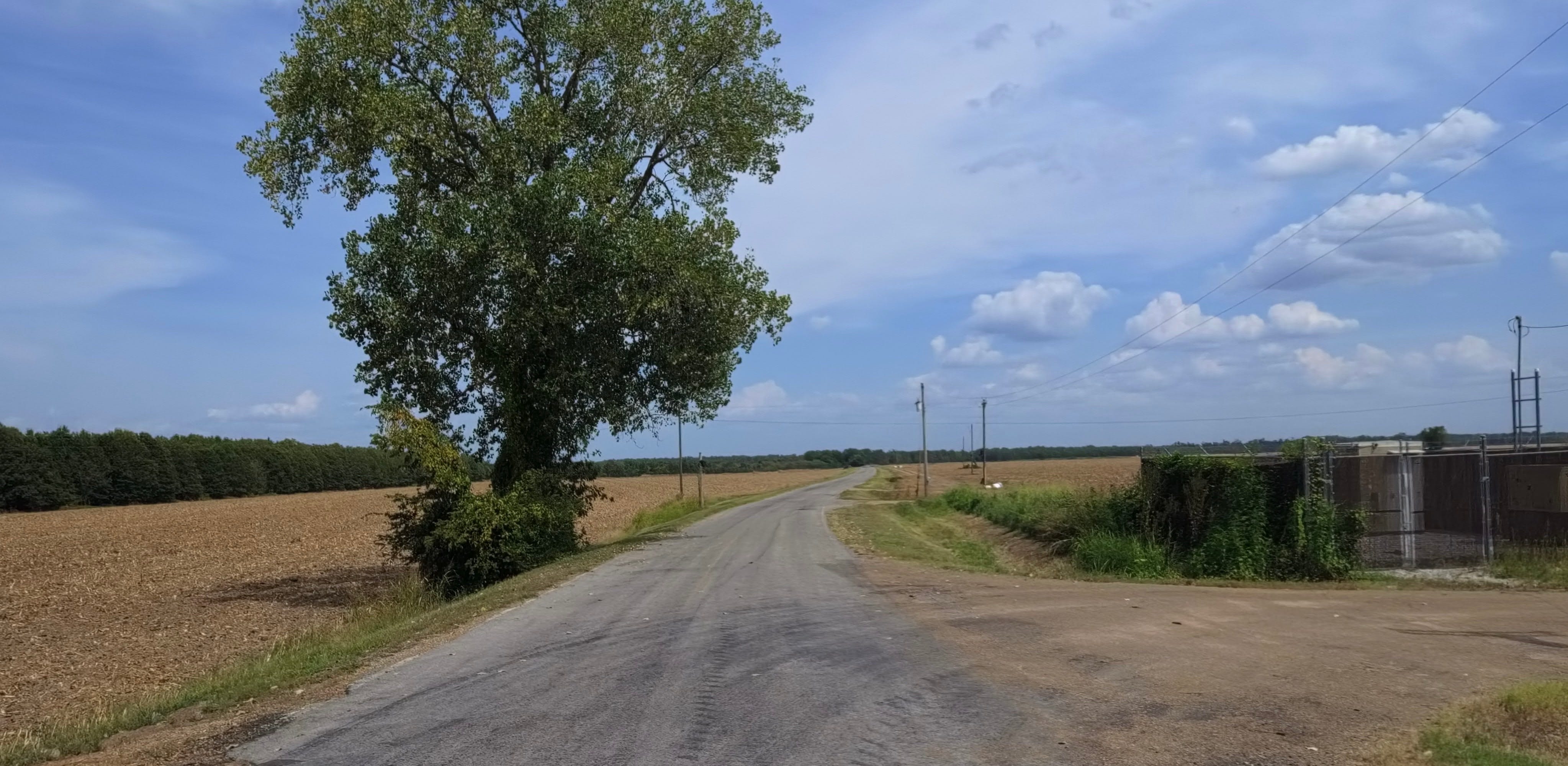
The roads are still narrow.
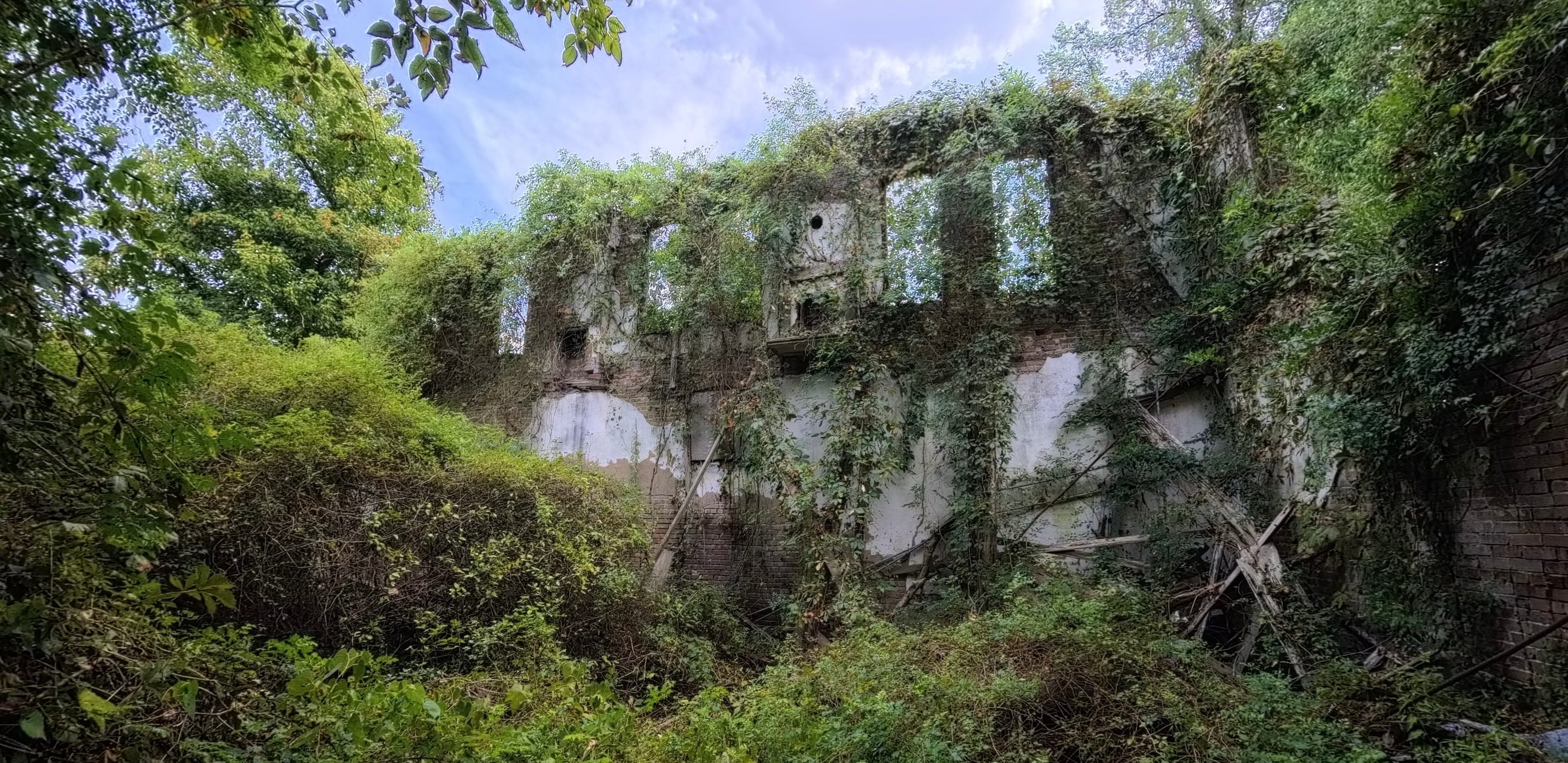
They still run straight for miles before making sudden turns around fields and bayous and railroad tracks. Kudzu crawls over abandoned things. Wildflowers grow untended along the shoulders. Queen Anne’s lace and little yellow blooms and weeds whose names nobody ever bothered teaching me bend when a truck passes and then stand themselves back up again.
And there is cotton along the road.
Not growing in the field.
Loose cotton.
Cotton that escaped somewhere between field and gin, caught by the wind and carried to the shoulder. Little white pieces of it snagged in grass and wrapped around stems, twisted into the wildflowers growing beside the pavement.
You can reach down and touch it.
That detail has stayed with me.
Because when you travel the road between the place where Moses Wright’s house stood and what remains of Bryant’s Grocery in Money, Mississippi, you do not have to work particularly hard to imagine what Emmett Till saw.
The fields were there.
The tree lines were there.
The railroad was there.
The heat was there.
The insects humming in the grass were there.
Cotton moved through this country then just as it moves through it now.
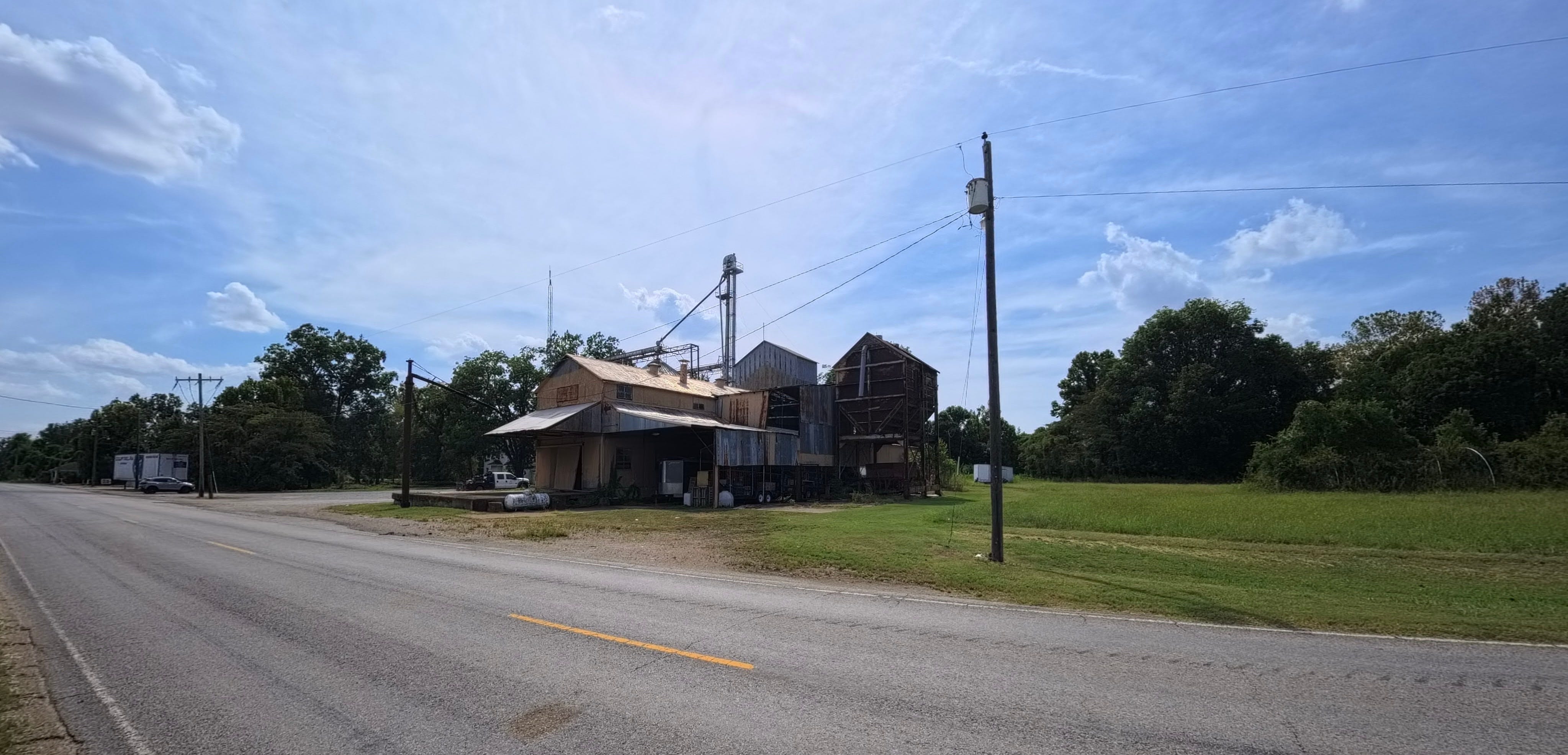
Make the left and cross the railroad tracks.
The gin is still there.
And cotton from it still finds its way onto the roadside, where it becomes tangled among the wildflowers.
There is something about that I cannot shake.
Cotton and Mississippi have always carried more history than something so small and soft ought to be capable of carrying.
It built fortunes here.
It built towns.
It shaped the roads and the railroads and the little communities scattered across this flat country. It shaped who owned the land and who worked it. Long before Emmett Till arrived in Mississippi, cotton had helped construct the racial and economic order he unknowingly entered when he stepped off the train.
And now pieces of it lie quietly beside the road.
Caught in flowers.
Moving when the wind moves.
As though nothing happened.
That may be what unsettles me most about the Delta.
The landscape is beautiful enough to make you forget what it has seen.
There is a softness to a Delta evening that is difficult to explain to someone who has never watched one arrive. The heat begins to loosen its grip. The light turns gold across the fields. Tree lines become silhouettes. Cicadas take over the sound of the world. Somewhere beyond the fields, a crop duster may disappear beneath the horizon and rise again. The sky turns colors that seem almost unreasonable.
It can be breathtaking.
And the land does not tell you what happened there.
There is no change in the color of the soil where cruelty occurred. Wildflowers do not refuse to grow beside roads traveled by murderers. Cotton does not stop blowing across a highway because a child was once carried down it against his will.
The Delta simply keeps going.
That is one of the strange cruelties of geography.
History usually gives us the courtesy of ruins.
We expect terrible things to belong to places that look old. We expect crumbling walls and rusted gates and black-and-white photographs mounted behind museum glass. Buildings disappear. Roads move. Forests reclaim battlefields. Cities build themselves over what happened before.
Time creates distance for us.
Eventually we can stand somewhere terrible happened and reassure ourselves that the world which produced it has disappeared too.
Money, Mississippi does not offer that comfort.
Here, the geography remembers even when it does not speak.
You can stand near the house where Moses Wright lived and look across essentially the same flat country Emmett saw when he came here in the summer of 1955.
You can travel the road toward Bryant’s Grocery.
You can cross the railroad tracks.
You can see the gin.
You can watch cotton caught in the roadside flowers tremble in the wind.
And suddenly seventy-one years becomes a remarkably small distance.
That is what happened to me there.
The story stopped being black and white.
It stopped being photographs in a book.
It stopped being one of those terrible pieces of American history that I had known for so long that familiarity had created a kind of insulation around it.
Because there is something different about knowing that Emmett Till walked through a place and realizing that you are looking at what he looked at.
He saw a Delta sky like this one.
He felt this heat.
He heard insects screaming from these tree lines.
He passed fields stretching toward this same horizon.
He crossed these tracks.
He was a fourteen-year-old boy visiting relatives in the summertime, moving through a landscape that could not possibly have looked to him like the setting of his own murder.
That is the part I keep coming back to.
Fourteen.
Emmett Till was fourteen years old.
Not a young man.
Not an activist.
Not someone who had decided to challenge Jim Crow.
A child.
A kid from Chicago visiting family.
A boy who joked and showed off and laughed too loudly and irritated his mother and had survived polio and had a stutter and should have been thinking about school starting again.
He should have gone home.
He should have gotten older.
Instead, there was a night when Emmett went to sleep in his great-uncle Moses Wright’s house and was still alive.
Think about how ordinary that sentence is.
A child went to sleep at his uncle’s house.
There was a moment that night when nothing had happened yet.
A moment when Moses Wright’s house was simply a house.
A moment when Emmett was simply a boy sleeping inside it.
A moment before headlights appeared on that road.
Before tires moved through the Mississippi darkness.
Before Roy Bryant and J.W. Milam arrived.
Then they did.
They came armed in the middle of the night looking for a child.
Moses Wright tried to stop them.
He pleaded.
He offered money.
He tried to explain that Emmett was from Chicago. That he did not understand Mississippi. That whatever they believed he had done, he was only fourteen years old.
There is an entire indictment of Jim Crow contained in that plea.
He is a child.
He doesn’t understand your rules.
Please don’t hurt him.
Imagine having to explain the innocence of childhood to armed grown men standing inside your home.
Imagine knowing that the protection ordinarily afforded by being fourteen might not apply to a Black boy in Mississippi.
Imagine watching them take him anyway.
And then imagine standing on that road seventy-one years later.
The fields are still there.
The tree lines are still there.
The railroad tracks are still there.
The gin is still there.
And beside the road, caught among the wildflowers, pieces of Mississippi cotton still move quietly in the wind.
The landscape hardly changed at all.
A child disappeared from it.
And America changed forever.
No posts
Comments
Nothing yet. Say the first thing.
Sign in to join the conversation.