
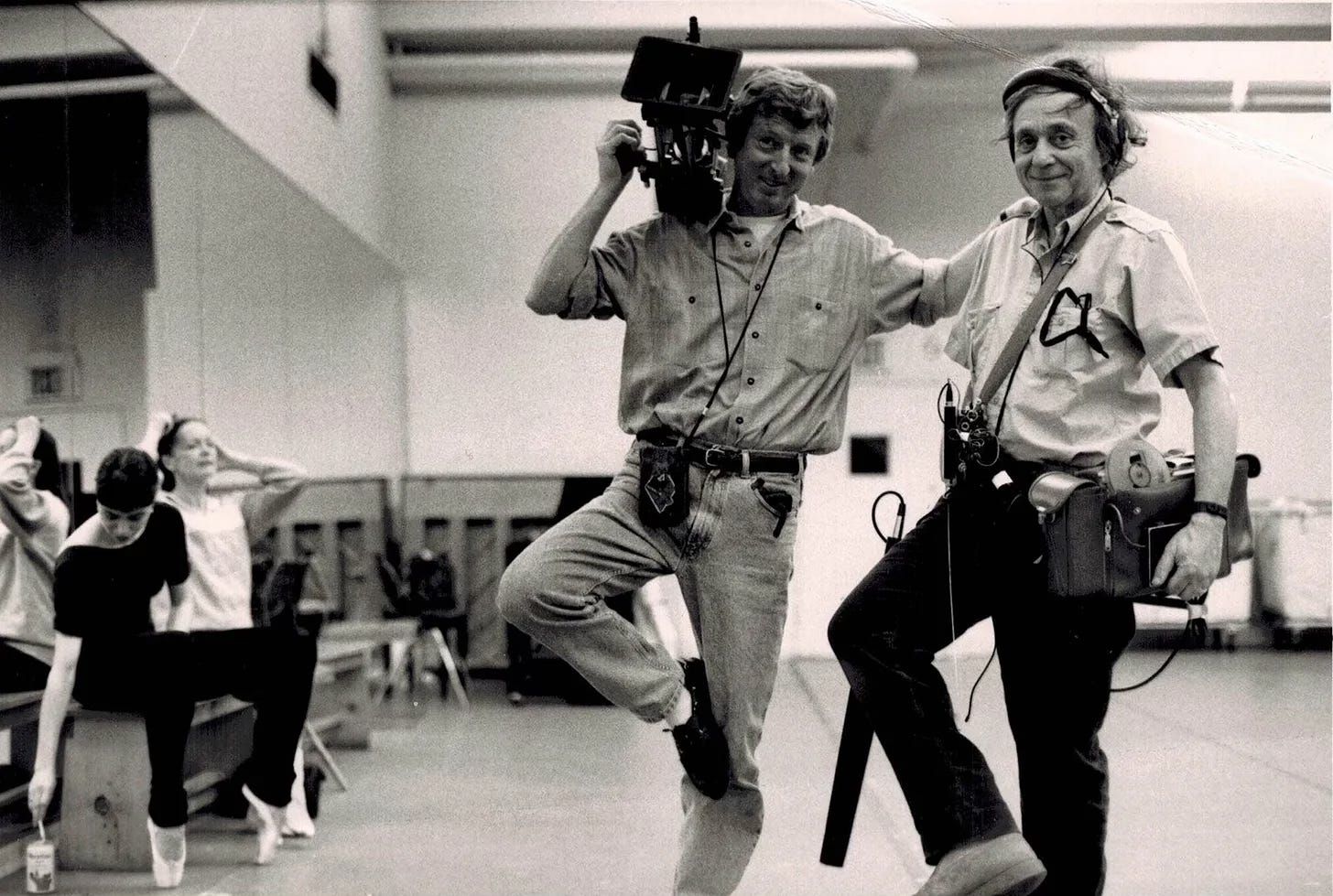
Over nearly six decades, Frederick Wiseman has built one of the most extraordinary bodies of work in cinema: a vast, quietly radical survey of modern institutions. His films rarely rely on narration, interviews, or explanatory text. Instead, Wiseman immerses viewers inside hospitals, schools, welfare offices, police departments, museums, libraries, and city halls, patiently observing how these systems actually function. Through careful editing and long stretches of unbroken observation, ordinary encounters—meetings, arguments, waiting rooms, rehearsals—gradually reveal the structures of power, authority, and care that shape everyday life.
Associated with the tradition of Direct Cinema but ultimately operating on his own terms, Wiseman’s documentaries unfold with novelistic depth and extraordinary duration, often running three or four hours. What might sound dry on paper becomes something hypnotic on screen: institutions transformed into dense social ecosystems, full of conflict, humor, frustration, and unexpected tenderness. Watching Wiseman is less like receiving information than entering a world and living inside it for a while—an experience that, film by film, adds up to one of the most ambitious portraits of contemporary society ever put on screen.
Here is a long list of our favs…
At Berkley + National Gallery + Ex Libris: The New York Public Library are our all time favs.
Please note: Domestic Violence esp part 2 are really heavy viewing.
1967 — Titicut Follies
A shocking, once-banned immersion inside a Massachusetts hospital for the criminally insane, exposing the brutal realities of institutional life.
1968 — High School
An unflinching portrait of a Philadelphia high school where discipline, conformity, and authority quietly shape the next generation.
1969 — Law and Order
A patrol-car view of policing in Kansas City, revealing the uneasy rhythms of authority on the American street.
1970 — Hospital
Inside a busy New York emergency hospital, where doctors and patients navigate crisis, bureaucracy, and the limits of care.
1972 — Essene
A quiet look at daily life in a Benedictine monastery, observing faith as lived routine rather than spectacle.
Comments
Nothing yet. Say the first thing.
Sign in to join the conversation.