
In this newsletter: Magellan and The Testament of Ann Lee (both in theaters; no spoilers!)
Ink and tears have been spilt over the decline of genres like the western, the rom-com, the big Hollywood musical. What a bitter sting it is that no one has lost salt over the disappearance of the sea voyage story, a literary tradition that never quite conquered cinema like its adventure subgenre peers. The box office success of movies like Jaws and Titanic certainly inspired knockoffs, but the ocean movie, as a genre, has remained elusive.
I started thinking about this when my boyfriend mentioned that there weren’t really Pirates of the Caribbean imitators, despite the cultural dominance of the franchise. Yes, there were big budget adventure movies that undoubtedly tried to capture the Pirates audience: John Carter (which flopped), Prince of Persia (also flopped), Lone Ranger (another Gore Verbinski/Johnny Depp joint, another flop), The Mummy (the 2017 one, and do I have to say it again? Flop). But, like Avatar, the Pirates franchise 1) grossed an enormous pile of money and 2) proved completely unreplicable. Maybe because the only thing harder than a day at sea is trying to shoot one.
The strenuous misery of a sea voyage is palpable in two new indie movies out now: The Testament of Ann Lee, which chronicles the height of the Shaker movement through founding prophet Ann Lee, and Magellan, which follows the Portuguese explorer who led the first European expedition to the Philippines. Set hundreds of years and thousands of miles apart, the sea is just as terrifying in the fifteenth century as it was in the eighteenth — and as it is in the twenty-first. In Testament, the ocean is an early testing ground for the Shakers’ convictions and evangelism. Tormented in their native Manchester, the group embarks on an ocean voyage to the American colonies in pursuit of religious liberty and salvageable souls. But the ecstatic singing and dancing led by Ann (Amanda Seyfried) infuriates the shipmen, who apparently have never heard the good news of Mamma Mia! Here We Go Again.
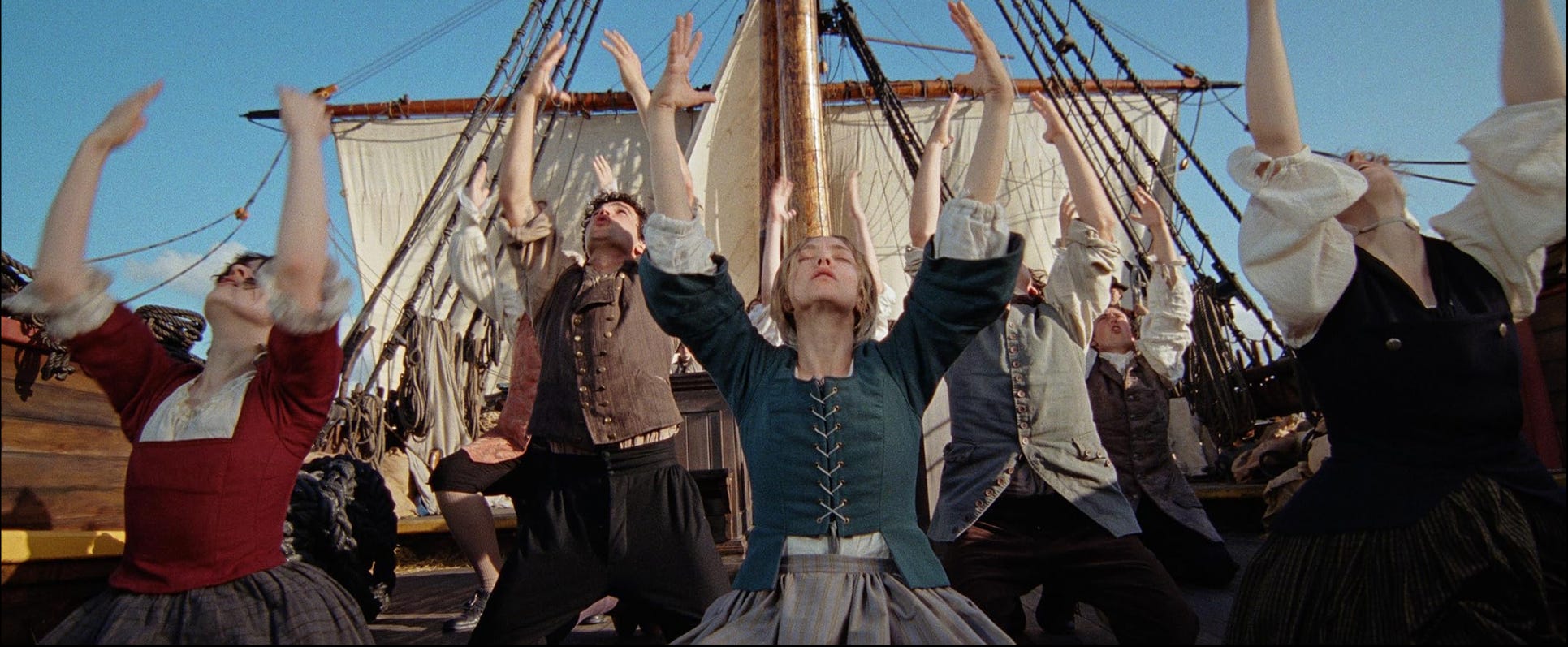
At sea, Ann is steadfast, even when a storm threatens to sink the entire ship. She assures the captain of a vision she’s just had of angels guiding them to safety. When the ship indeed miraculously rights itself, and the storm passes, the Shakers are permitted to pray freely and loudly for the rest of the trip.
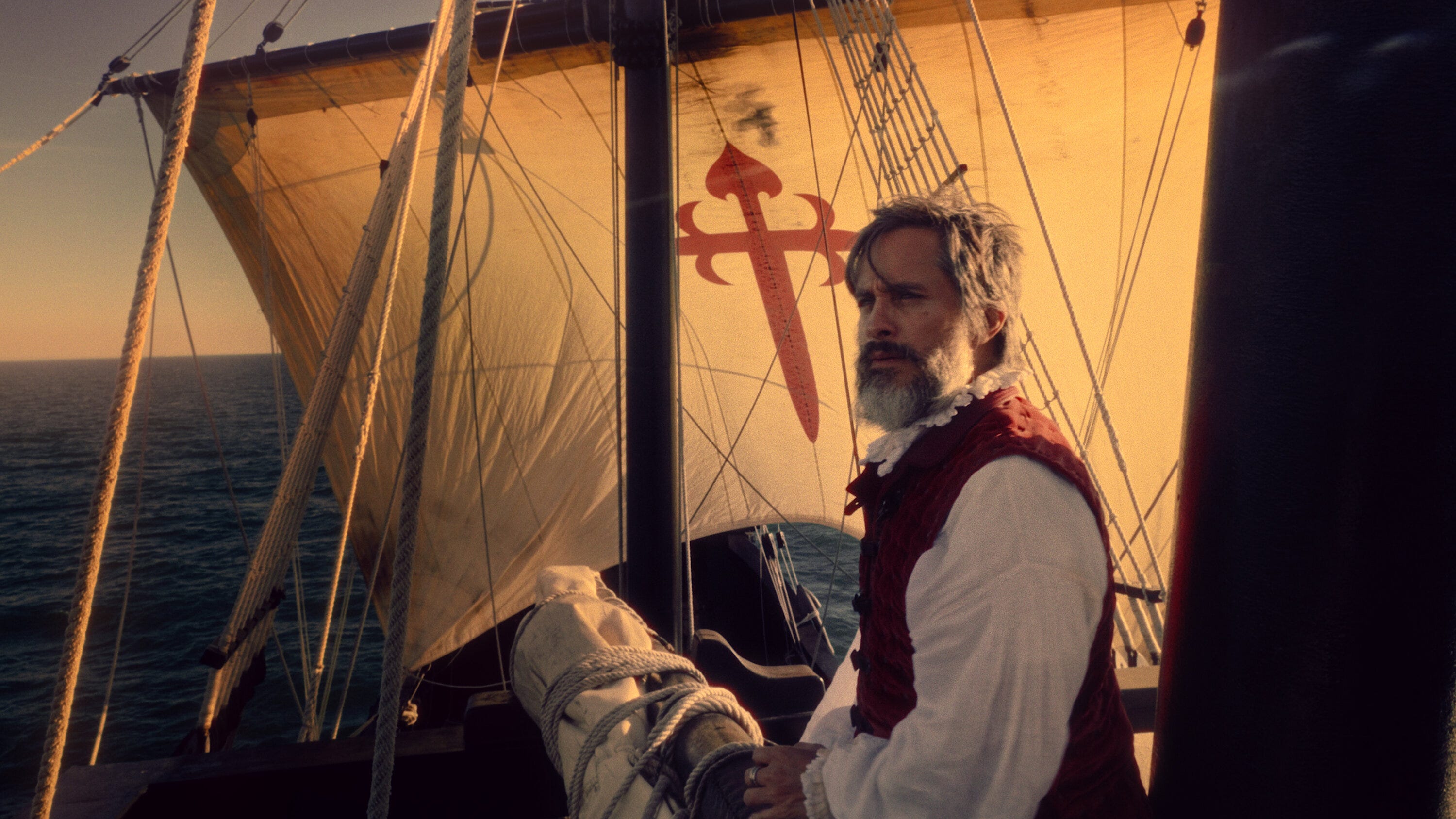
Like the Shakers, Magellan and his men are religious zealots. Unlike the Shakers, they are not pacifists. Director Lav Diaz frames the conquistadors as a death cult, with mass conversion the first step to ushering in Judgment Day. Their many ship voyages are, appropriately, apocalyptic. The longer Magellan (a stoic Gael García Bernal) spends at sea, the wearier and grayer he becomes. By his final ship voyage, he is a feverish despot, executing crewmen and marooning the ship’s priest. A spoiler alert 500 years in the making: Magellan does not return to Portugal.
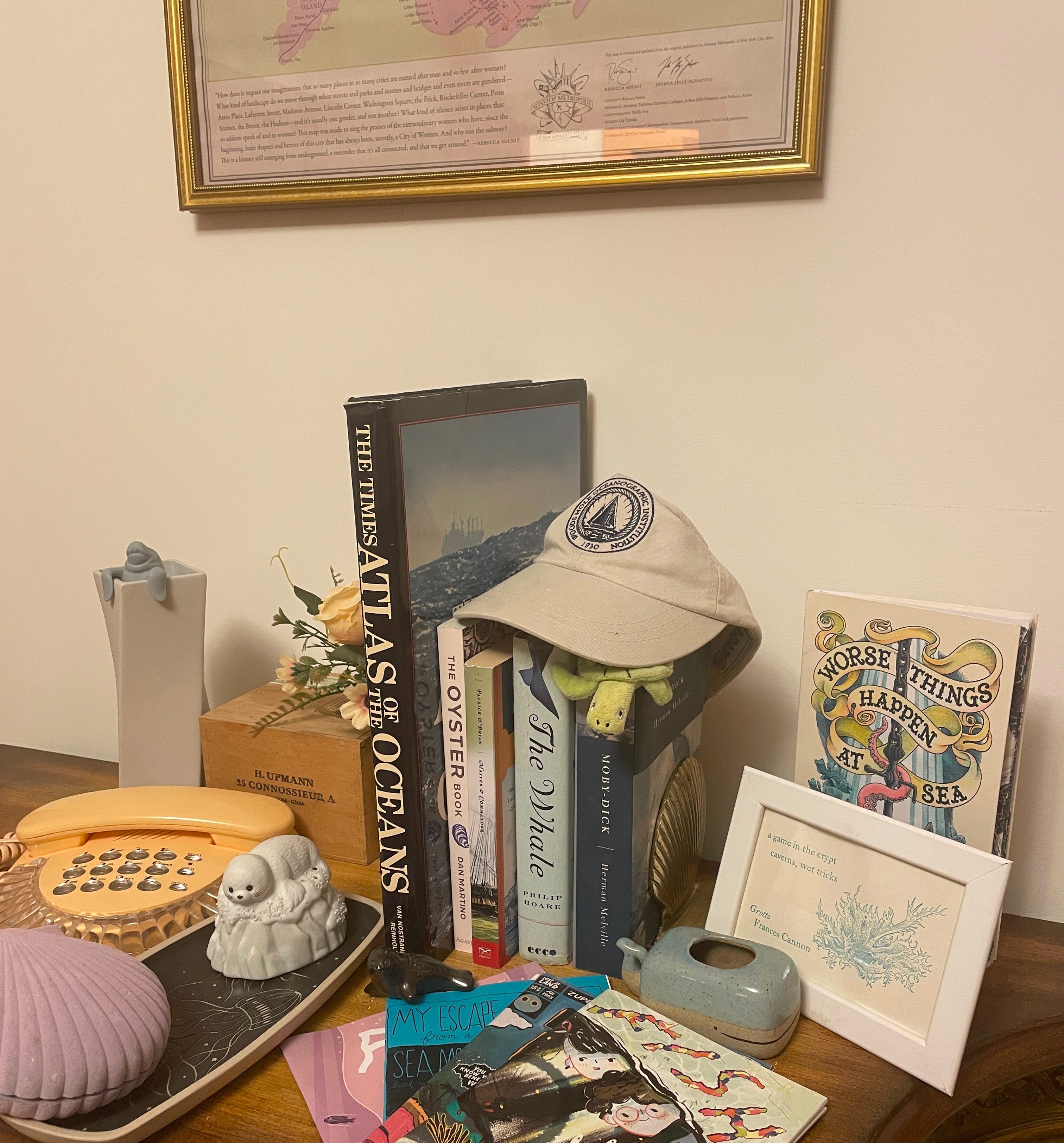
Voyages at sea popped up in a bunch of recent books: consider commercial hits like Isola by Allegra Goodman and Wild Dark Shore by Charlotte McConaghy, weirdo literary award winners like North Sun: Or, The Voyage of the Whaleship Esther by Ethan Rutherford and Ultramarine by Mariette Navarro, retellings like Call Me Ishmaelle by Xiaolu Guo, literary horror like The Unveiling by Quan Barry, and marriage nonfiction like A Marriage at Sea by Sophie Elmhurst. Even my favorite novel of last year, Kate Folk’s Sky Daddy, plays with the tradition of the sea voyage. “Call me Linda,” the novel begins, shortly after an epigraph from Linda herself: “Planes are the whales of the sky.” The boat is back, baby.
And what a time to be back. More than 20 million Americans go on cruises every year now. That’s 5% of us. Yes, ocean travel might not suit everyone’s tastes, but it’s undeniably accessible. Cruises are mundane. Even writing about them is mundane, at least in a post-David Foster Wallace’s “Shipping Out” world.
So why then, if ocean travel is more boring, safe, and normal than ever, are we in a new renaissance of dramatic stories at sea? What anxiety are these stories tapping into? Is it finally, as I have prayed for every January since 2010, the Year of Atlantis? Or is there something new in our relationship with the ocean that we are struggling to reckon with?
We know more about the ocean than ever. If I gave you a pen, you could probably draw an outline of a whale without even thinking about it. Think of how monstrous a whale must have seemed to early sailors, who only ever saw the living creature in the parts that emerged from churning water. But knowing what’s down there doesn’t make the prospect of open water any less horrible. A retreat aboard a luxury ocean liner might be as safe and predictable as a day in an amusement park, but the ocean itself, as any self-respecting thassalophobe will tell you, is no less scary.
In both Magellan and The Testament of Ann Lee, the ocean is a literalization of uncertainty and all its terrifying vagueness. For these believers, who navigate the world through faith and visions, so much is left in God’s hands. Danger comes faster at sea, where storms can appear and pass within seconds. Ann’s encounters with furious non-believers happen just as quickly, and just as horribly. In some of the most terrifying and profound displays of cinematic misogyny I’ve seen this year, hordes of angry men descend like locusts upon the community. Their intent is not just to punish the Shakers but to humiliate them.
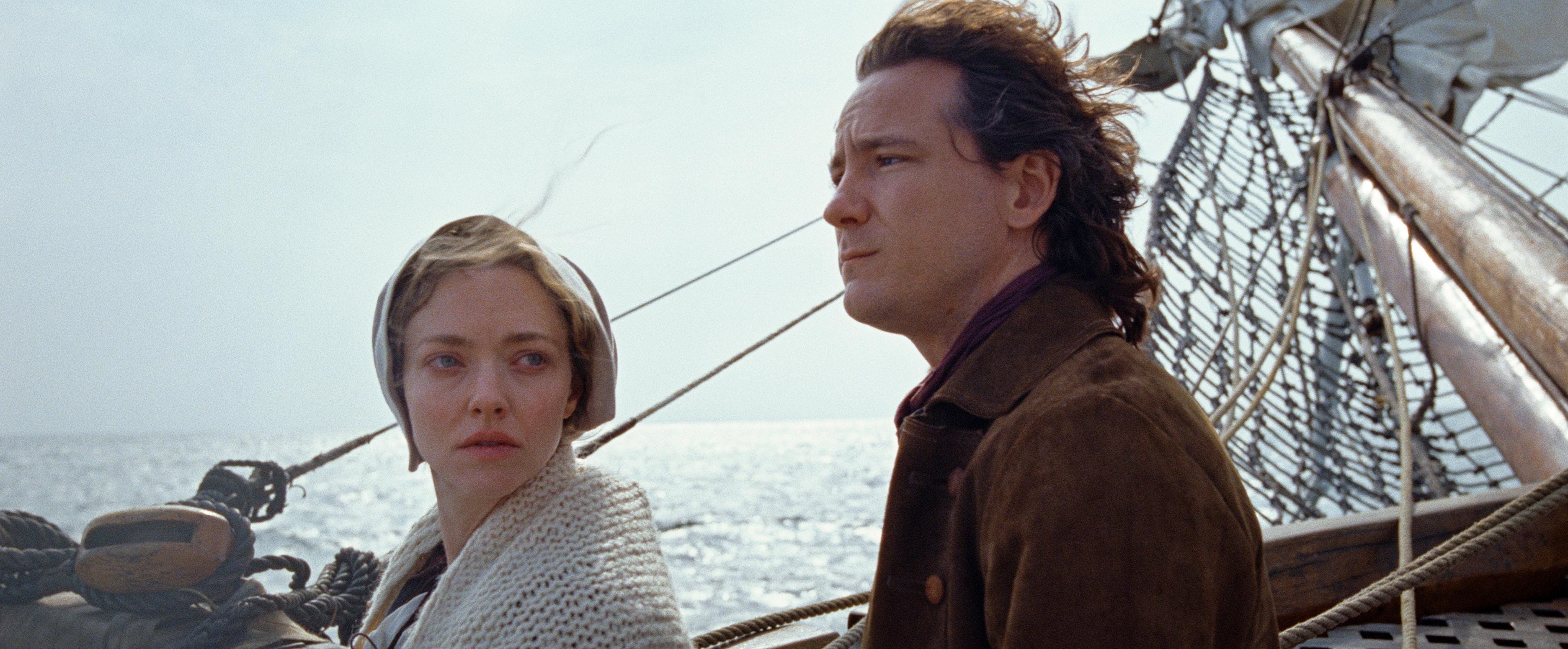
Ann’s correct assertion that heterosexual coupling was inherently exploitative and dangerous for the female partner enrages men in the specific way only girls and women who operate outside of gender expectations can. You see it in the way adult men still can’t seem to keep Greta Thunberg’s name out of their mouths, or in the recent spate of ire directed at Billie Eilish for her anti-ICE comments. Maybe, in the face of that violent misogyny, the prospect of an ocean expedition seems much less frightening.
In these sea voyage stories, I see the ocean as a vanitas, a type of memento mori: a still life that reflects on the fleeting nature of human existence. The ocean forces us to confront the frontiers we still cannot conquer. If the cosmic exists on earth, it’s in the ocean. And what are worldly desires, human technology, crushing misogyny, American neo-imperialism, in the face of the genuinely eldritch?
“An ocean I see without bottom or shore,” Ann cries in “Hunger and Thirst.” It’s her “I Want” song, where she expresses plainly a desire not for comfort or wealth, but for spiritual understanding. The world she knows, the Church of England she’s been raised in — that is what is dangerous and stifling. Ann’s growing discontent with the immoral, broken systems around her feels drearily familiar. Should it surprise us that she finds life in her homeland increasingly untenable? What better time, then, to yearn for the wide, open sea?
Comments
Nothing yet. Say the first thing.
Sign in to join the conversation.