
Welcome to the new subscribers who have joined us since the last post. Today this email is going out to 2,142 amazing individuals!
If you’re reading this but haven’t subscribed, you may want to consider doing that. This will ensure future posts land straight in your inbox.
🎧 Did you know you can also listen to Decks and Diapers on your favorite podcast app?
Hi there 👋🏽
A question I keep thinking through in this human + AI enabled world: what does good leadership actually require right now?
I explored this with Angela Nguyen on The Leader Within Podcast focusing on the micro aspects of this shift, not just the org-level ones.
A few things we got into that might be useful for you:
✦ How your values become the “source code” for decision-making in gray areas
✦ A future-forward way to ask for more useful feedback
✦ Why managing energy (not time) changes everything
✦ The real difference between a mentor and a sponsor and why women need more of the latter
✦How to navigate micromanaging bosses
✦Why build a Personal Board of Advisors
If any of that lands…you will enjoy the full 30 mins conversation.
Today our guest writer is Nitza Jimenez

Nitza is an educator, facilitator, and founder of Kinected Coaching who helps parents, educators, and family-serving organizations build stronger communication, deeper emotional intelligence, and more meaningful connection. Drawing on more than a decade of experience supporting children, families, schools, and communities, she creates spaces where people can navigate difficult conversations with greater confidence, empathy, and understanding.
Through workshops, coaching, speaking, and educational resources, Nitza helps families and the systems around them better understand what lies beneath conflict, emotional overwhelm, and communication breakdowns. Her work is grounded in the belief that when people feel safe enough to learn, communicate with care, and build trust with one another, stronger relationships and stronger communities naturally follow.
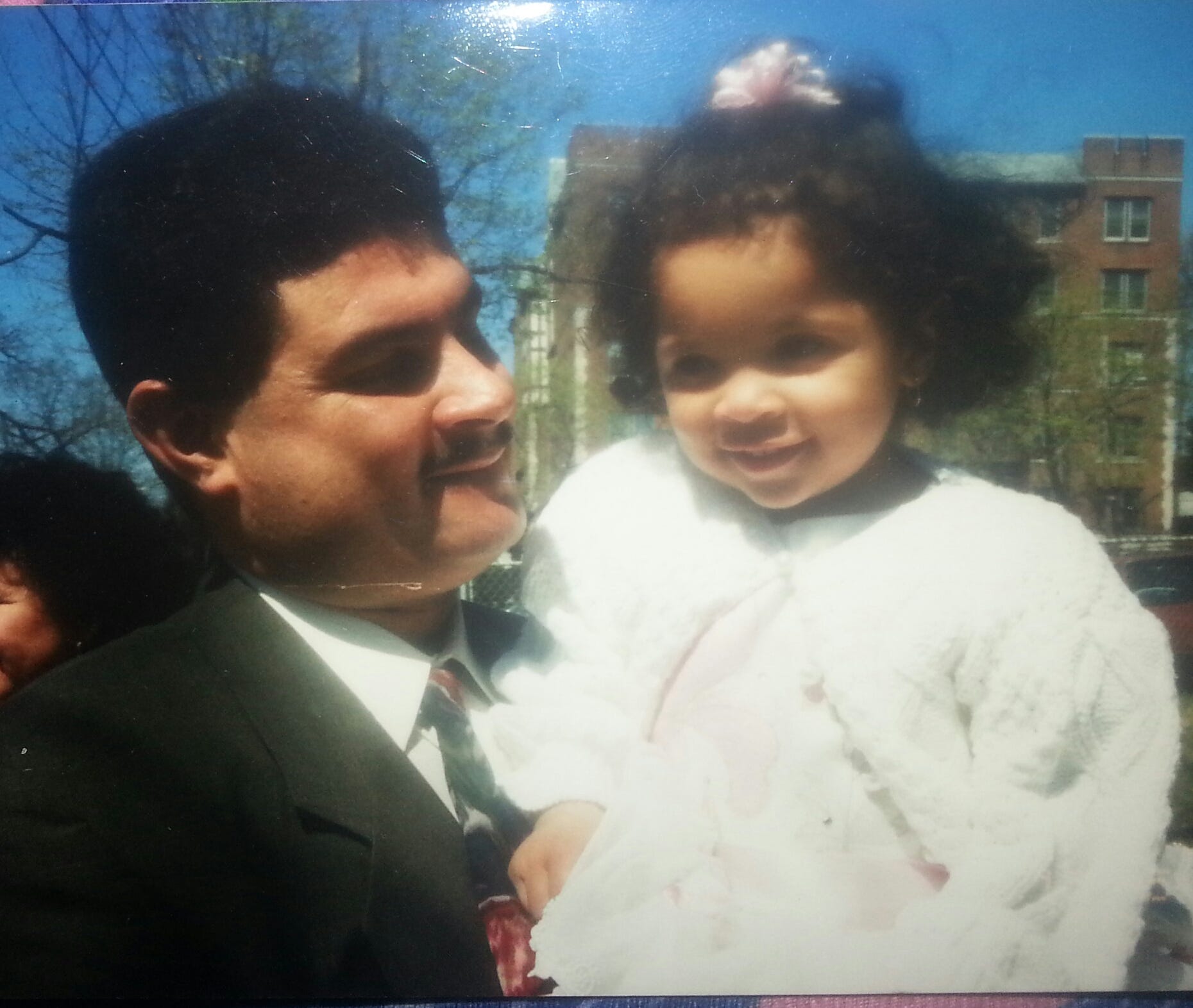
As a child of immigrants, I grew up with family rules that were never formally explained.
No one sat me down and handed me a guidebook, but I learned them anyway, through what was praised, what created tension, what was expected, and what was left unsaid.
Some of those lessons were beautiful. Hard work mattered. Family mattered. Sacrifice meant love. Resilience was admired.
But some lessons took me longer to recognize. Growing up, hustle was not just encouraged in my family. It felt like survival.
My father worked tirelessly to provide for us. During certain seasons, we barely saw him.
As a child, I understood that as love.
As an adult, I began to understand something more complicated.
Love and sacrifice were deeply connected in the emotional language of my family. Without realizing it, I had internalized a belief that rest looked like laziness, boundaries looked like selfishness, and slowing down meant failing the people who had sacrificed so much for me.
It took time, reflection, and eventually honest conversations to recognize that gratitude and self-abandonment are not the same thing.
That is part of what makes family culture so powerful.
And so invisible.
Family culture is rarely passed down through formal lessons.
It is absorbed through routines, reactions, emotional habits, and the stories families tell about themselves. It lives in what gets praised, what gets avoided, and what no one thinks to question because it simply feels normal.
Until it doesn’t.
Because eventually, most of us step outside the emotional ecosystem we grew up in.
We make friends whose families communicate differently. We enter relationships that challenge what we assumed was normal. We encounter people who rest without guilt, disagree without disrespect, or express emotion without shame.
And suddenly, things we never thought to question begin to come into focus.
In some families, children learn that love looks like sacrifice, conflict means yelling, respect means obedience, and good children listen without question. They learn that feelings stay private, strong people do not complain, and family comes before everything.
None of these messages are universal.
But many are familiar. And not all of them are inherently harmful.
That nuance matters.
Some family patterns are shaped by love. Others by culture, faith, necessity, or survival.
This is especially true in immigrant and multicultural families, where what gets passed down is often about far more than personal preference.
Sometimes the values children inherit were built to help a family survive scarcity, instability, migration, discrimination, or profound uncertainty.
Hard work may not have been an aspirational trait. It may have been survival.
Emotional restraint may not have been emotional neglect. It may have been protection.
Privacy may not have meant secrecy. It may have meant dignity.
Collective responsibility may not have been control. It may have been interdependence.
That complexity deserves respect.
And still, survival patterns do not always translate cleanly across generations.
What protects one generation can burden the next.
The work ethic that created stability can become workaholism. Loyalty can become guilt. Respect can become fear. Resilience can become emotional suppression. Family closeness can make boundaries feel like betrayal.
For children of immigrants, there is often another layer.
We are not only inheriting family culture, we are often negotiating multiple cultural worlds at once: the culture of our family, the culture our parents or grandparents came from, and the culture of school, peers, media, and the broader society around us.
That can feel like walking a tightrope.
Too much of one world, and you risk feeling disconnected from the other.
Too “foreign” in one space.
Too “American” in another.
Trying to honor sacrifice while also becoming your own person.
Trying to preserve identity while also adapting.
Trying to figure out what to carry forward and what to release.
This tension is deeply personal.
But it is also incredibly common.
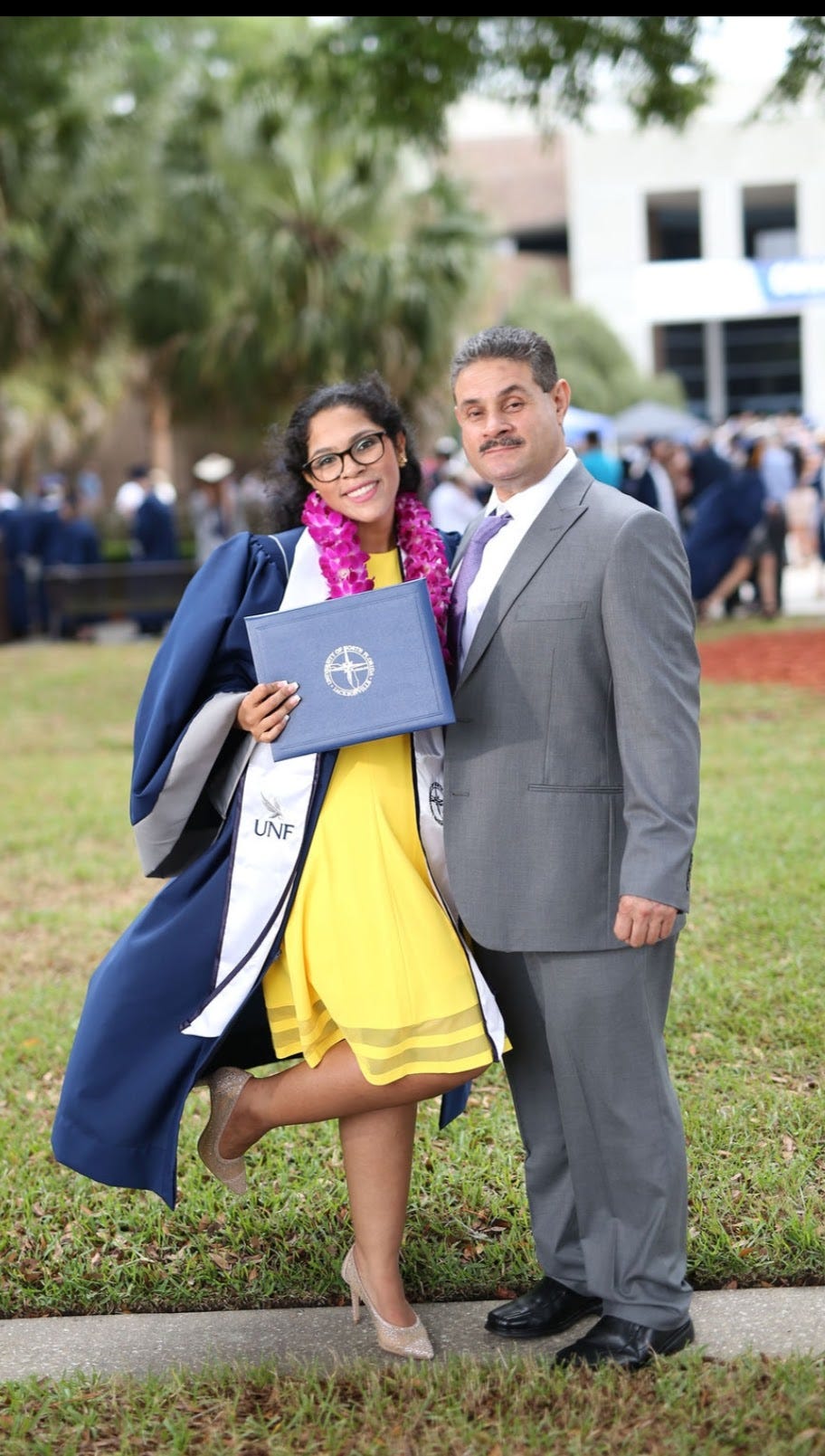
And this is where family culture becomes especially important for parents.
Because family culture is not static. It is being shaped in real time.
Parents are not just raising children. They are shaping emotional ecosystems.
Children learn not only from what adults say, but from what adults model: how conflict is handled, what emotions are welcomed, who gets to have boundaries, whether mistakes are treated as failures or opportunities for repair, whether love feels steady or conditional, whether achievement is celebrated or simply expected, and whether asking for help is seen as strength or weakness.
The invisible parts of family culture often become visible only when a child begins responding to them.
Sometimes that looks like anxiety.
Sometimes people-pleasing.
Sometimes emotional shutdown.
Sometimes rebellion.
Sometimes guilt over choosing differently.
And sometimes, it looks like a parent realizing they are repeating something they never consciously chose.
That realization is not failure. It is awareness. And awareness creates choice.
Intentional parenting is not about rejecting your roots. It is about understanding them well enough to decide what continues.
For many parents, that kind of awareness can feel overwhelming, especially in the middle of busy lives shaped by work, caregiving, school logistics, emotional labor, and the countless invisible responsibilities of raising children.
But this does not require a complete family reinvention overnight.
Often, it begins with noticing.
The moments that trigger a strong reaction often point toward inherited beliefs.
Do you feel disrespected when your child questions you?
Guilty when you set a boundary?
Uncomfortable when emotions run high?
Frustrated when your child wants something different than what you imagined?
Sometimes those reactions are not only about the moment in front of you.
Sometimes they are connected to messages absorbed long before becoming a parent.
It can also help to get curious about the beliefs sitting beneath everyday family decisions.
Sometimes what feels like “good parenting” is actually an inherited rule that was never fully examined.
A parent may believe they are teaching respect, when what is being reinforced is obedience without voice.
A parent may believe they are preparing a child for the real world, when what is being passed down is anxiety, perfectionism, or the belief that worth must be earned through achievement.
The goal is not self-judgment.
It is reflection.
Questions like:
What am I trying to teach here?
And where did I learn that lesson myself? can be powerful starting points.
For many families, especially those shaped by sacrifice, migration, or survival, another important shift is learning to separate gratitude from obligation.
Honoring what previous generations endured does not require repeating every strategy they used to survive.
A family’s work ethic may deserve deep respect without becoming the measure of a child’s worth.
Loyalty can matter without guilt becoming the price of belonging.

Children learn emotional culture through what adults model, not just what adults say.
If openness is valued, it has to be visible.
If respectful disagreement is encouraged, it has to be practiced.
If emotional honesty, healthy boundaries, or repair after conflict are important, those patterns need to exist inside the home.
And perhaps most importantly, none of this has to happen all at once.
Family culture is not rewritten in one conversation.
It shifts through small, intentional choices.
One repaired reaction.
One boundary held differently.
One inherited belief examined with honesty.
One moment where a parent chooses curiosity instead of automatic repetition.
Some things deserve to be preserved.
Some deserve to be reimagined.
And some deserve to end with us.
The most meaningful family cultures are not the ones passed down without question. They are the ones examined with honesty, held with compassion, and shaped with intention.
If you enjoy Decks and Diapers, it would mean the world to me if you invited friends to subscribe and read with us. If that feels like too much then, did you know that liking this post or leaving a comment helps it find more readers?
P.S. If this email landed in your Promotions tab, please take a second and drag it to your Primary tab. It makes a big difference to the inbox gods, plus you’ll never miss a post!
Disclaimer: All views expressed are my own and do not necessarily reflect the views of my employer
No posts
Comments
Nothing yet. Say the first thing.
Sign in to join the conversation.